
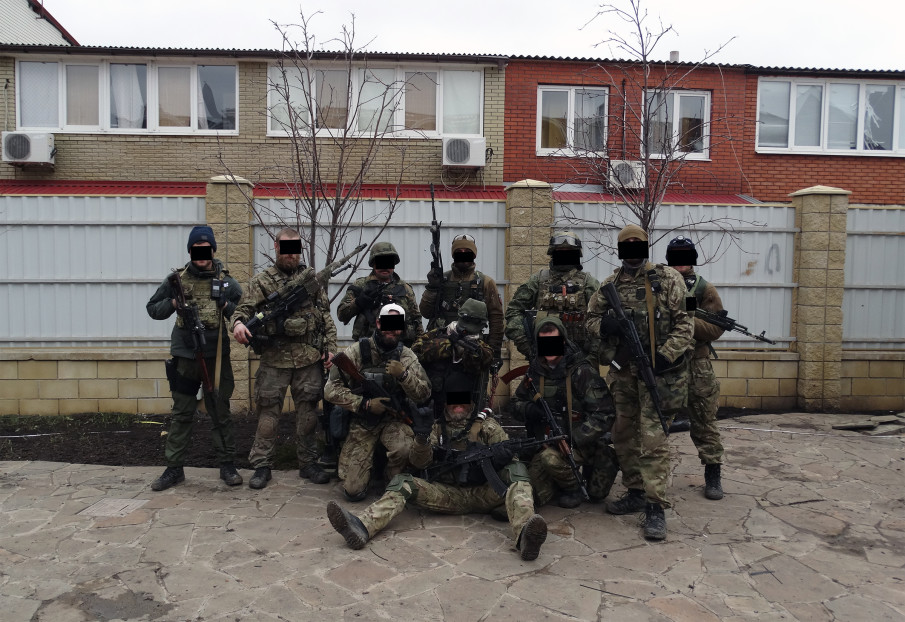
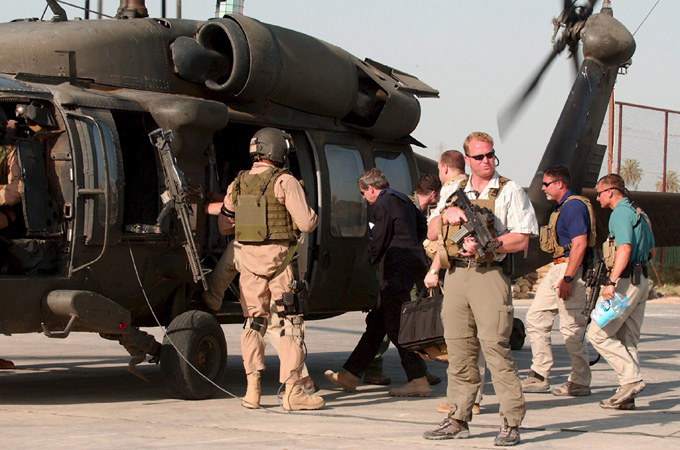
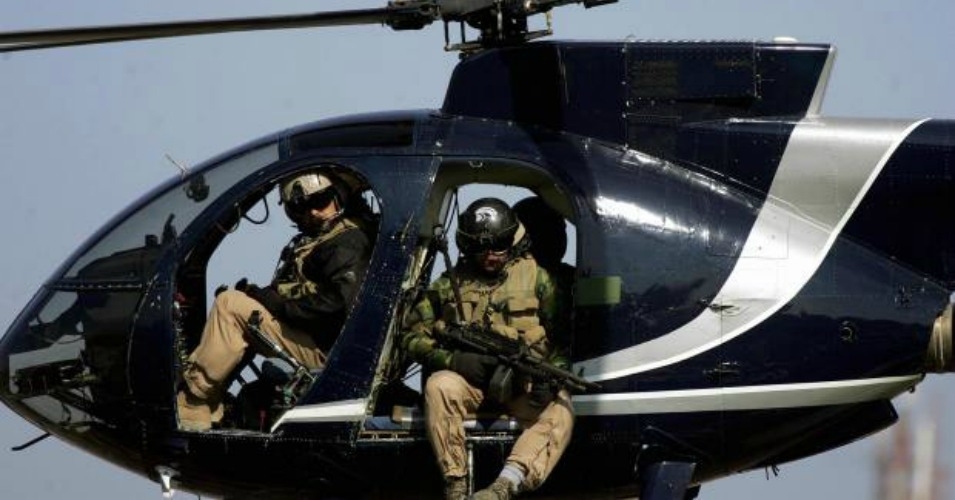
We need to drop the title “mercenary” because it doesn’t describe what these contractors are doing. Let’s call them for what they are: private military contractors that can do a professional job and make a positive impact on our efforts at home and abroad.
Volunteer soldiers
Volunteer soldiers often get called mercenaries by mistake. These volunteers are a funny breed of people who pack their lives up at home and head to a conflict somewhere in the world purely for their own reasons. These motivations are wide-ranging. Perhaps they’re ex-military types looking for a fight because they miss the action they experienced on operations. Or perhaps they’re there to fight because they believe in a given cause. Maybe they are lost and trying find something meaningful. All of those motivations are, at least, understandable. But in recent times, we have also seen the new-guy show ponies as well. You know the guys I am taking about; they have GoFundMe campaigns and Facebook profiles saying that they are “taking on the war and saving the world all on their own!”
Lately, we’ve seen volunteers popping up in Iraq, Syria, and Ukraine. They do play a part in these conflicts, some closer to a true mercenary role than PMCs. I can see why people would get confused as they see Western guys in a foreign conflict. They must be mercs, right? Really, they’re just guys wanting to get into the fight.
What part do these volunteers play in the conflict, then? Well this vary according to conflict zone, but here are few roles: propaganda, holding key terrain, direct-action operations, training, and morale boosting. While this is close to being the role of most mercenaries, we must not forget that in order to get this title, there must be some gain for these guys—usually in the form of money. But I can tell you this, about 90 percent of volunteers don’t get anything. They are there just to fight, because usually, it’s something they believe in.
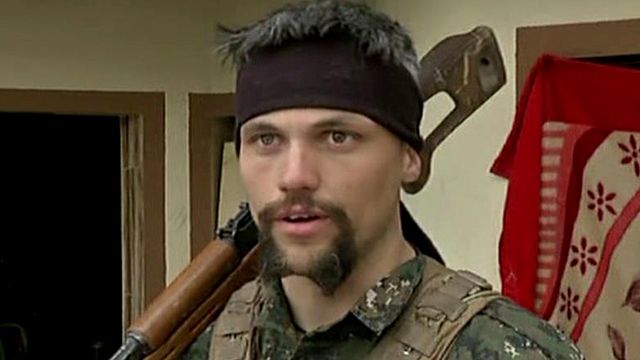
So we’ve established that most of the volunteers abroad are there because they believe what they’re doing is the right thing. To call them a merc is, I think, a bit harsh. Most of them are good guys and pretty sensible with families at home. They are just answering the call and doing their bit for all the right reasons. They are not mercenaries in the truest sense; they do not want financial gain, they are there to do their bit and go home knowing that they have done a good thing.
Within the volunteer groups, however, there are indeed other units that you could label mercenaries. These are very small units—close-knit groups who will rarely speak out. They don’t have GoFundMe campaigns, they do not talk to the press, and while they do have Facebook profiles, they are usually under fake names. Most of their friends are guys in the conflict, and they know the importance of keeping their identities safe. These groups do get paid.
I know what you’re thinking. My God! These mercs are probably paid a million dollars a year and are crazy and wild, with nothing to live for! War must course through their bodies. They are probably war dogs, crazy criminals, etc. Well, that couldn’t be any further from the truth.
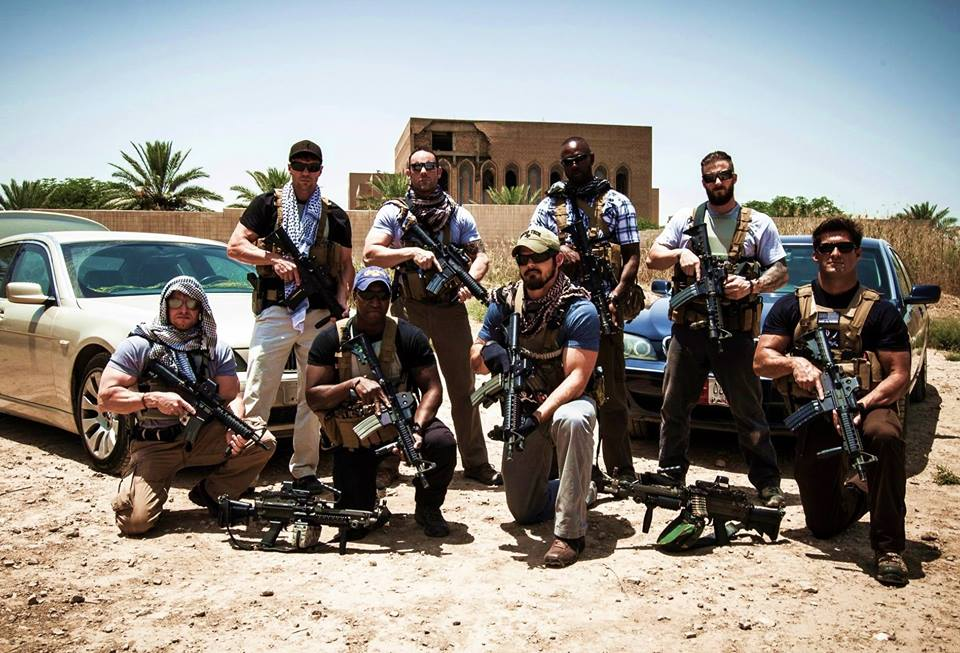
Fact is, most of these guys are ex-military. Most of them have families, and while some are a bit crazy, all in all they are pretty nice dudes. Yes they get paid, but not what you think. Payment is usually made in local currency, which comes down to peanuts to us Westerners, and can be as little as $300 dollars a month. It’s just enough for the guys to buy themselves some drinks, a few beers, some smokes, chocolate, whatever they want to spend it on. Believe it or not, they do get R&R.
Most want to see some other parts of the country that they are fighting for, so this little bit of money helps them to get around. In terms of the operations these groups/units are conducting, they predominately conduct direct action missions because of their backgrounds. More often than not, they get sent to do what the host nation is afraid of doing. But on top of this, they do provide training and offer knowledge to the higher command. They aid in decision-making regarding how best to attack or defend an area, for example. In some units I know of, these guys are used to clear land mines and IEDs—something the host nation most likely isn’t very experienced in.
They become a very integral part of the host nation’s units, and in my experience, those nations call on these groups a lot more than they would readily admit. In the strictest sense, you could call these guys mercenaries. But in my opinion, they hardly fit the definition, as there is no real financial gain for them. Financial loss, certainly, but gains? No way. These guys are looking for a war where they can use their skills to make a big impact. They are not the kind of guys you would find working as a security guard working your local shopping centre.
The future of these groups is an interesting one. I think both volunteers and mercenaries will cross paths in time, whether PMC companies approach volunteers, looking to gain some connections in a conflict, or former volunteers use their background in these conflicts to get a job with a PMC company. I think each of the fighting groups listed in this article are edging closer to becoming true mercenaries. With time, they will all almost certainly be conducting direct operations.
Now I am not saying that there is no such thing as mercenaries out there, because in some conflicts, they are active. Of course, true to their nature, we will never know who they are or from where they came. These are the true mercenaries, and of course, they deserve the title. I can only imagine them laughing at the wannabe idiots out there with their GoFundMe accounts and self-styled war-fighting groups. In fact, these guys are further away from the title “mercenary” than any other group out there.
To all the boys out there still doing their thing—PMC companies, volunteers, and of course, the mercenaries—stay safe, brothers.








COMMENTS