
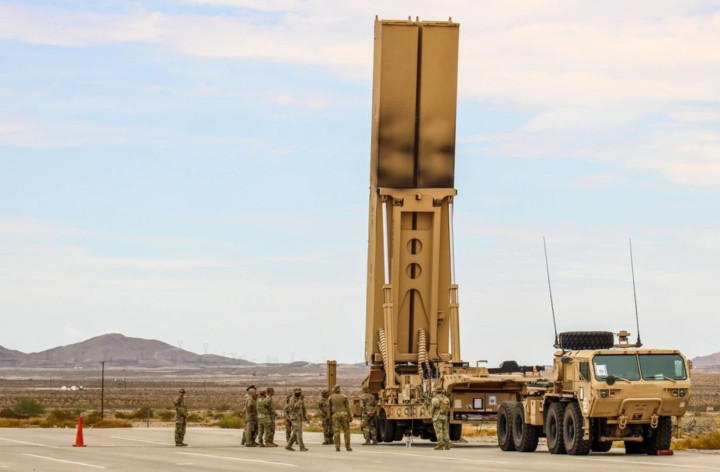
Dark Eagle: The US Army’s Hypersonic Bet Goes Operational
The Army’s Dark Eagle nears deployment, bringing hypersonic strike into service and reshaping deterrence against near-peer defenses.
2,097 articles
Latest Technology stories, analysis, and updates from SOFREP.
The Army’s Dark Eagle nears deployment, bringing hypersonic strike into service and reshaping deterrence against near-peer defenses.
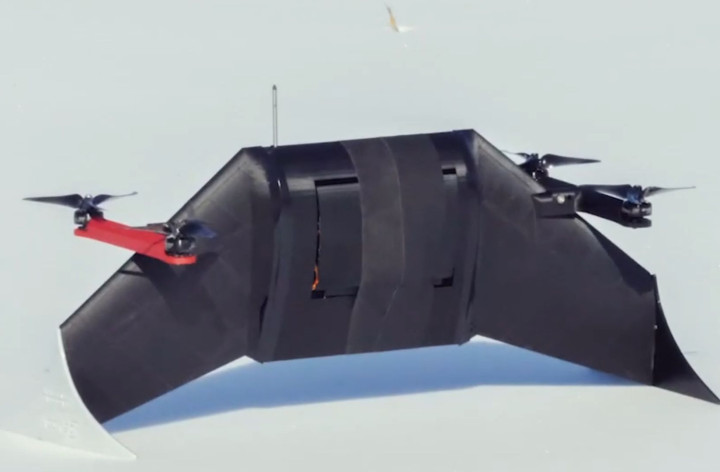
SPARTA shows how low-cost, 3D-printed drones could give Army units faster ISR, rapid adaptation, and an edge in modern drone warfare.
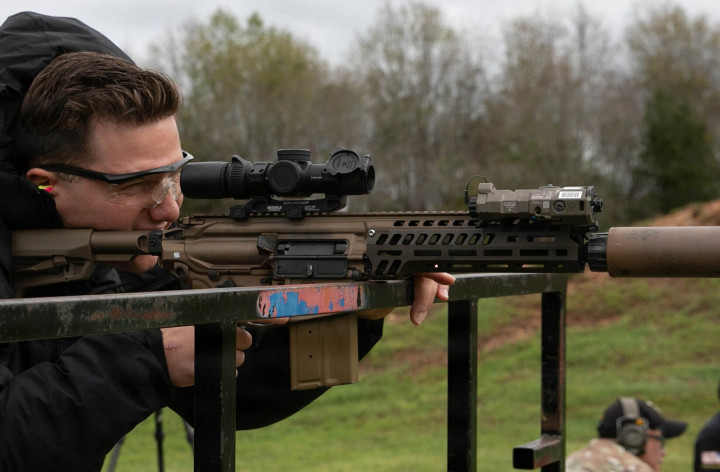
The Army didn’t walk back the M7, it sharpened it, and the XM8 carbine is what happens when real-world friction forces a powerful system to become faster, tighter, and more usable where the fight actually happens.
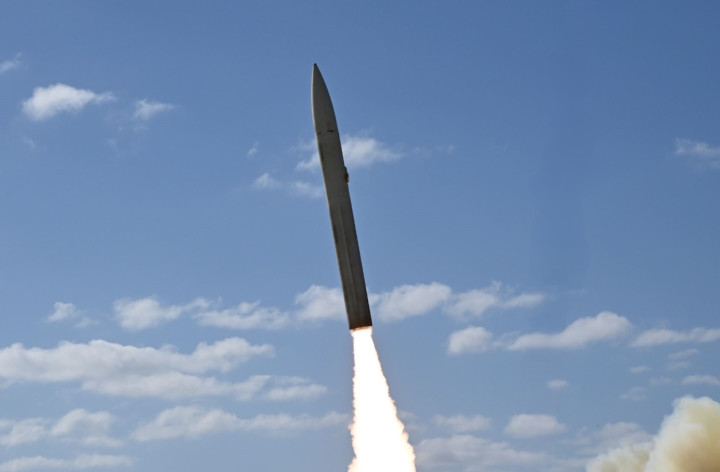
Washington is asking for $200 billion to fund a war with no clock, drones are slipping through the front door of the capital, and somewhere in the background the Army is rolling out a Mach 5 answer to a problem that’s already getting closer to home.
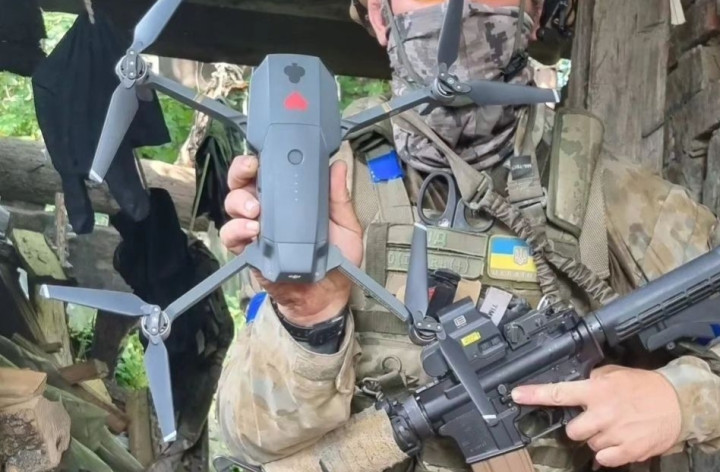
Drone warfare has lowered the barrier to violence. From hobbyist FPV drones to Iranian Shahed loitering munitions, the technology now raises difficult questions about how far modern conflict can reach.
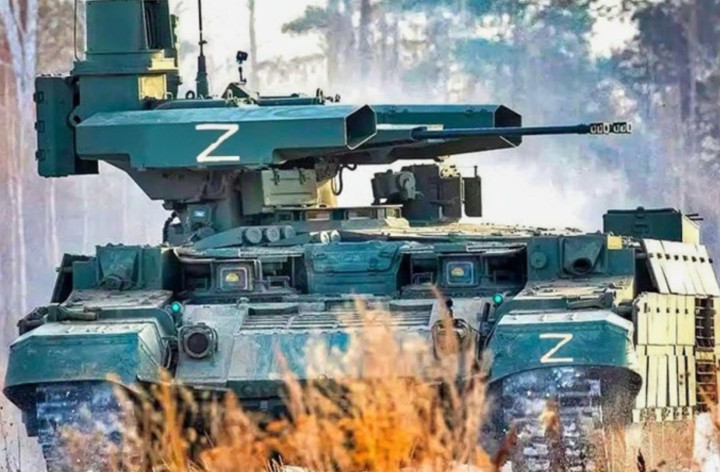
Russia’s BMPT-72 “Terminator-2” was built to protect tanks in cities, but limited numbers and flaws have exposed its battlefield weaknesses.
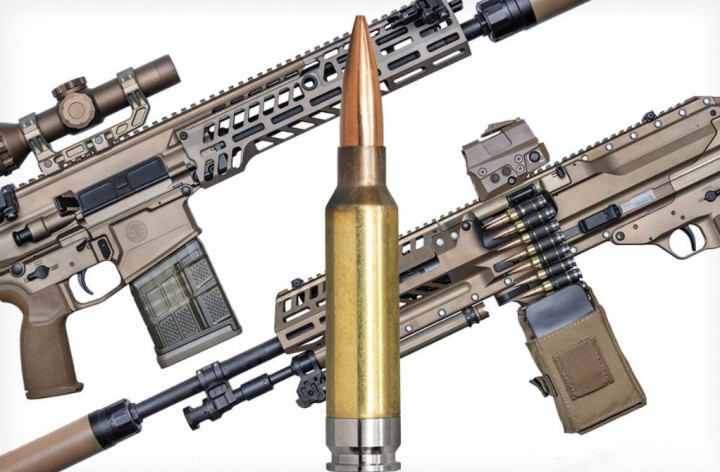
SIG Sauer’s hybrid 6.8×51 cartridge pushes rifle pressures to roughly 80,000 psi, using a brass body, stainless steel base, and aluminum locking washer to contain forces that would challenge a traditional all-brass rifle case.

AI is reshaping warfare, compressing decision cycles and driving a new era of algorithm-driven strikes and cyber operations.
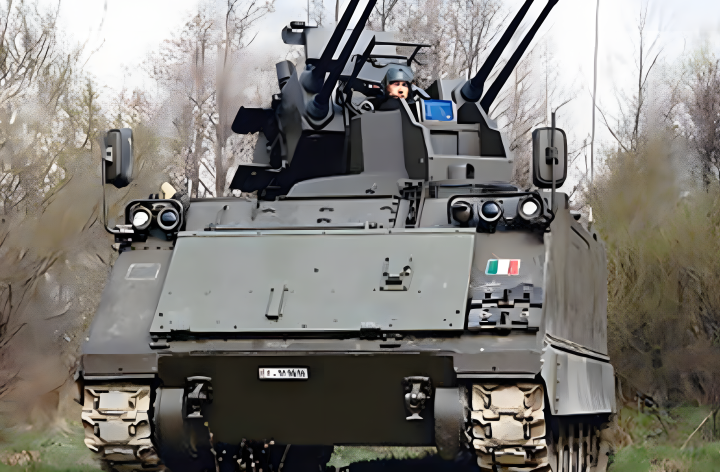
Italy is sending retired SIDAM-25 25mm air defense vehicles to Ukraine, boosting low-altitude drone defenses in the ongoing conflict.

Sometimes the things we waited for, the songs on the radio, the plays we built in our heads, the quiet stretches of boredom, were not inconveniences at all, but the hidden machinery that made the experience worth having in the first place.
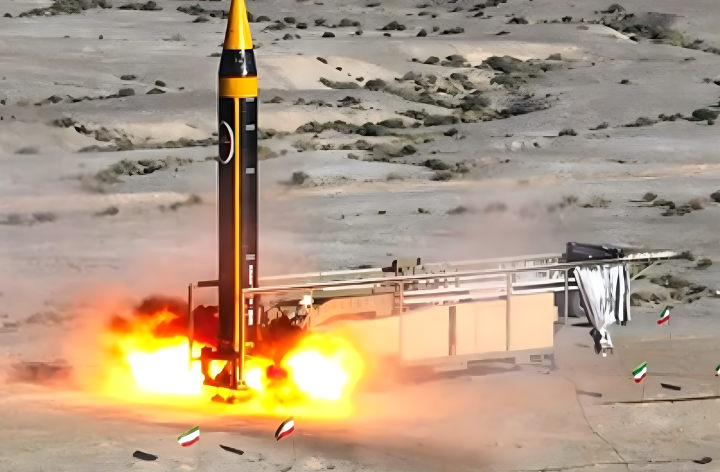
An Iranian missile exploding silently high above the American heartland would not look like war at all, but in the same instant it could drop the United States back into the 19th century and leave millions scrambling to survive in the dark.
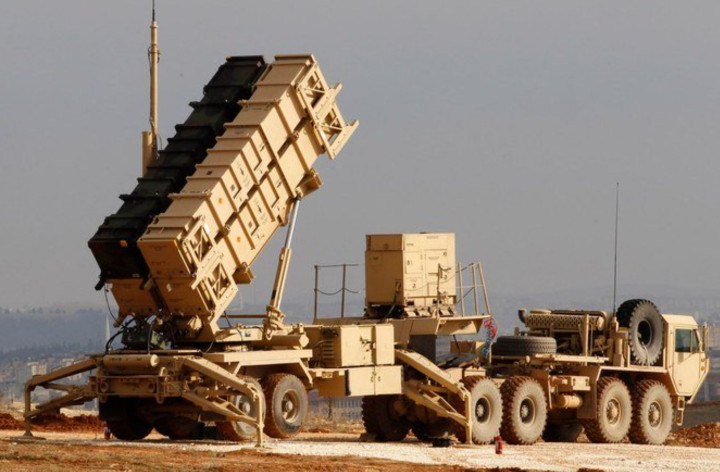
When the interceptors start leaving the rail faster than factories can replace them, the real fight is no longer just in the sky over the Middle East, it is in the warehouses, shipyards, and production lines that decide how long that shield can hold.

SIG Sauer is a world-class firearms manufacturer trusted by military, law enforcement, and responsible civilian shooters, delivering precision-engineered weapons, optics, and training systems while maintaining a strong commitment to veteran hiring, American manufacturing, and the professionals who rely on their gear when it matters most.

FightCamp is an at-home boxing and kickboxing training system built around real technique, structured programming, and measurable performance. Members train with fighters and professional coaches while using connected punch and kick trackers that record volume, speed, and power in every round. The result is training that builds conditioning, skill, discipline, and resilience — all from home, on your schedule.

Barrett is the world leader in long-range, large-caliber, precision rifle design and manufacturing. Barrett products are used by civilians, sport shooters, law enforcement agencies, the United States military, and more than 75 State Department-approved countries around the world.

Hywell is a premium gear brand specializing in heavy-duty Merino wool boot socks for blue-collar professionals and outdoorsmen. Backed by an ironclad 10-Year Warranty.

Praesidus builds rugged, American-assembled watches inspired by historic military timepieces. Designed for accuracy and tested for endurance, each watch is made for outdoor explorers, everyday adventurers, and anyone who needs reliability when it matters.

Essential Provisions Field Fuel® meals [ready-to-eat] & sports nutrition products have been developed with the cleanest, high-quality nutrient and energy-dense ingredients available. Research has shown that the whole food nutrients contained in our products have the ability to help.

Have you ever tried to wear a fleece hoodie in bad weather? We don’t recommend it. That’s why we founded BÆRSkin in 2019 – to create the world’s best outdoor gear that’s just as comfortable at home as it is durable outdoors. “Bad fitting, bulky, and boring” is how we felt about 1000’s of regular fleece hoodies we tested.

If you’re 21 or older and use nicotine or tobacco, charge ahead with Black Buffalo, America’s only credible smokeless tobacco alternative. Black Buffalo dips just like the real thing without the tobacco leaf or stem. Find Black Buffalo in Wawa, Circle K, Sheetz, Love’s, Pilot, Racetrac, and many more retail locations across the United States.