



Trust is an incredibly valuable gift, and should be cherished as such. You need to earn the trust others place in you every day. In business, I see so many people who don’t understand this; they treat trust as something to simply bank on once it’s been established. These people think they can slack off from that point on, and don’t need to continue demonstrating that they are trustworthy. There’s a word for these people: losers. Learn to spot them quickly. Stay away from them. They are not who you want on your team or in your life.
Trust also goes hand-in-hand with loyalty. People are often so quick to change teams and say, “Hey, it’s not personal, it’s business.” Let me provide some perspective: That’s a bullshit statement. It’s all personal. Business is made of people; there is no such thing as business that isn’t personal.
This is a key I’ve observed in others who are tremendously successful in business: They place primary value in the practice of establishing a small group of extremely loyal and trustworthy friends, and they value that small circle over a large group (no matter how large) of people who are in it only until the chips are down. This isn’t just true for business, it’s true for anything you do.
I once gave a talk about teamwork and leadership to some players and coaches in the Nike high school basketball program. These were the best coaches and teams in America. After my talk, the Nike representative told me that in previous years, a few of his sponsored teams had switched to different sponsors, only to quickly realize they had given up so much value in leaving Nike. And when they came back, hat in hand? He said he was sorry, but could no longer offer them a sponsorship. They had broken loyalty. To Nike, this is a core value, and an extremely important one. Nike is smart, and that’s part of why they have an incredible brand.
Since then, I’ve sought to apply what that coach told me to my own core values. I’ve had more than a few people, some of whom I really placed a lot of trust in, try to get back into my inner circle after a break in loyalty, and I’ve compassionately turned each of them away. Remember to hold true to develop your own personal core values and make no exceptions. People will respect you more for it.

The hard truth is, you don’t always get a second chance. Make sure you take care of the people and organizations who have taken care of you, and if you leave something, whatever it is—a team, a job, a project—always leave on good terms, finish strong, and pay it forward to the people who have taken care of you. Call it karma or just common sense, but whatever you call it, it’s real, and it will serve you well if you take good care of it.

Judging character
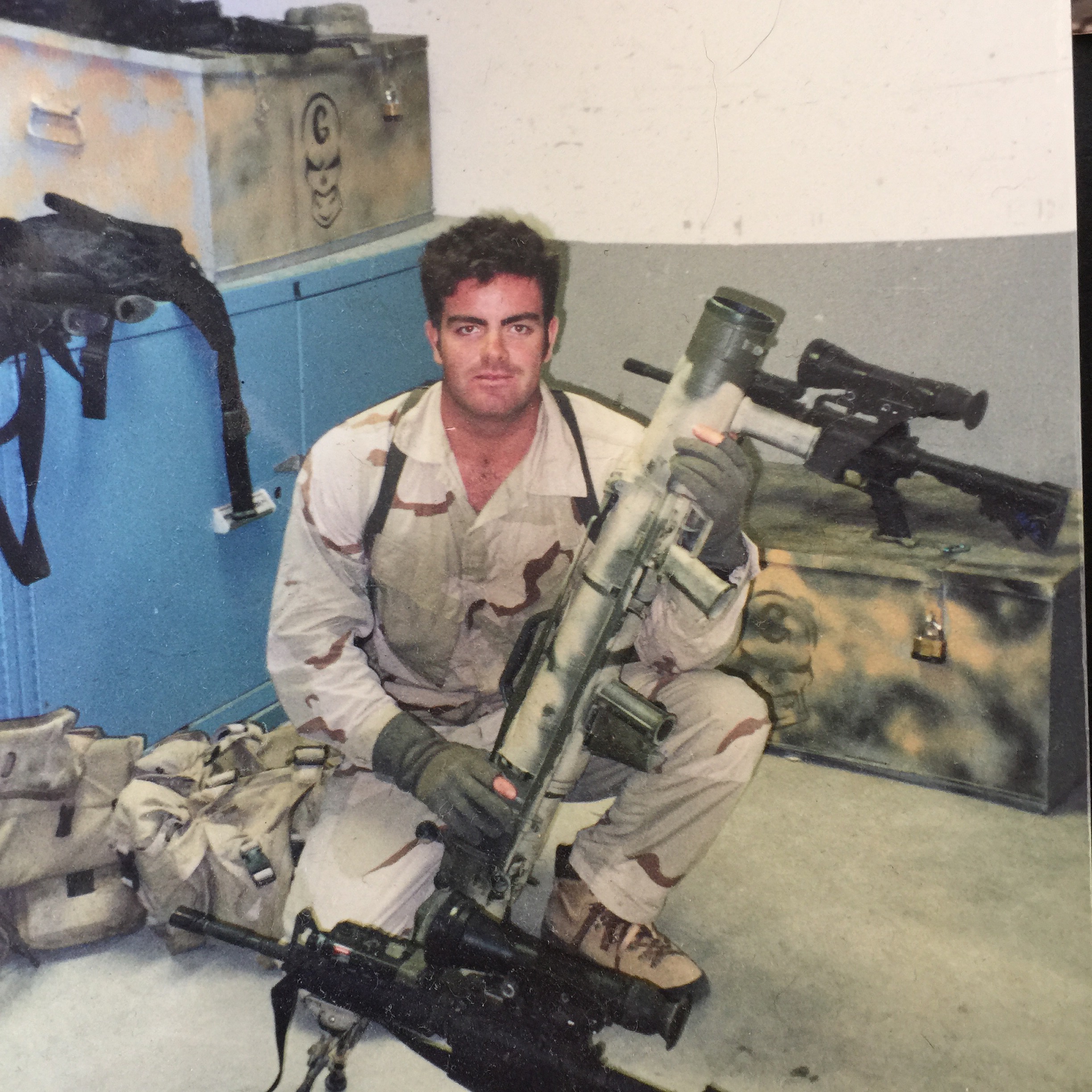
One of the best lessons I learned in the military was never, never (it’s worth repeating one more time), never judge a person by their appearance. If you lined up the 200-plus starting students in my BUD/S class, chances are excellent that you’d never have picked out the 23 who made it all the way through training and became Navy SEALs—me included. You never know what someone is capable of until they show you, or until they demonstrate it through some other credible means, such as school grades, verifiable work achievements, and so forth. And between those, I place a much higher value on the “until they show you” side. Past accomplishments and credentials are a solid way to judge if someone is worthy of your trust, but don’t go in blindly.
So many people told me I would never make it through the qualifications and become a Navy SEAL. So many more told me I would fail at business. You know what most of those naysayers said when I eventually became successful? “I always knew you’d make it.”
Yeah, yeah. Bullshit. You’ll run into them in your own life. Use their negative comments like kindling to stoke your internal fire and help you succeed at whatever you set out to accomplish.
To “never judge on appearances,” I would add another caveat, which is just as important: Never (never, never, never) judge someone based on rumors. I’ve seen so many good people taken down by vicious rumors, viral bits of pseudo-information fueled by nothing but jealousy and personal self-worth issues on the part of the rumor-monger. I have been a target of this destructive process myself, and know firsthand just how nasty people can get.
You’d think this would be an easy one for people to figure out, but surprisingly, it’s not. This is understandable in a way, I suppose. Human beings are a social species. We love to talk, and it’s part of human nature to spread the news, both the good and the bad. Especially the juicy stuff. It may be a natural impulse, but it’s one that a good leader works diligently to eradicate. Spreading rumors and gossip without verifying the source and motive is foolish. You are who you hang out with; avoid the bottom-feeders.

Daring greatly
When you’re in a leadership position, you are the one who ultimately has to make the decision. Obviously you want to make the best decisions possible. A smart leader does so only after listening to the people he or she trusts without question, that loyal inner circle of proven teammates. Take in all the feedback you can, from as many different trusted perspectives as you can. Good leaders learn from others’ mistakes and experiences, as well as their own. After you’ve gathered all the best intelligence available to you, then make your decision, and own it.
Being in a leadership position is not easy. You’ll take plenty of shots from the cheap seats, and some of those shots may be loaded for bear. But that just comes with the territory and the responsibility. You’ll also fail a few times. I’ve failed plenty. That, too, is not only inevitable, but positive. Failure is a necessary ingredient for the humility and wisdom it takes to succeed greatly. No successful person I know has not failed along their way to great success.
And sure as hell don’t listen to the critics, especially the ones who’ve never dared, who’ve never put their own skin in the game and name on the line.
Theodore Roosevelt, no stranger to slings and arrows from smaller men, said something about critics that has become one of my guiding quotations:
“It is not the critic who counts; not the man who points out how the strong man stumbles, or where the doer of deeds could have done them better. The credit belongs to the man who is actually in the arena, whose face is marred by dust and sweat and blood; who strives valiantly; who errs, who comes short again and again, because there is no effort without error and shortcoming; but who does actually strive to do the deeds; who knows great enthusiasms, the great devotions; who spends himself in a worthy cause; who at the best knows in the end the triumph of high achievement, and who at the worst, if he fails, at least fails while daring greatly, so that his place shall never be with those cold and timid souls who neither know victory nor defeat.”
My 13 years, six months, and six days in the SEAL teams was a very different time in so many ways than the years I’ve spent since then in the civilian world as a media company founder and CEO. But there is one thing I’ve experienced in both those times that is exactly the same, and that is the nature of leadership.
Become accomplished at confronting your fears, establishing trust, being loyal to your friends and colleagues, being an excellent judge of people, and daring greatly: These are all elements of great leadership.








COMMENTS