
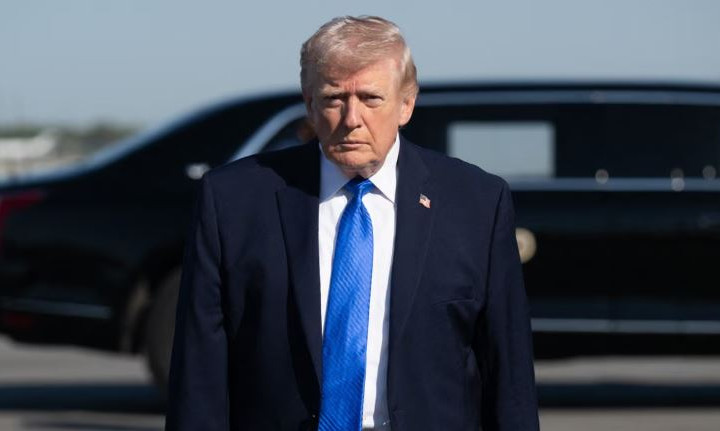
Evening Brief: Iran Squeezes Global Oil While US War Effort Shows Cracks
Back-channel messages are flying, the Strait is being quietly throttled, and while the Pentagon counts targets like yardage, the war keeps moving on its own terms.
32,470 articles
Latest News stories, analysis, and updates from SOFREP.
Back-channel messages are flying, the Strait is being quietly throttled, and while the Pentagon counts targets like yardage, the war keeps moving on its own terms.
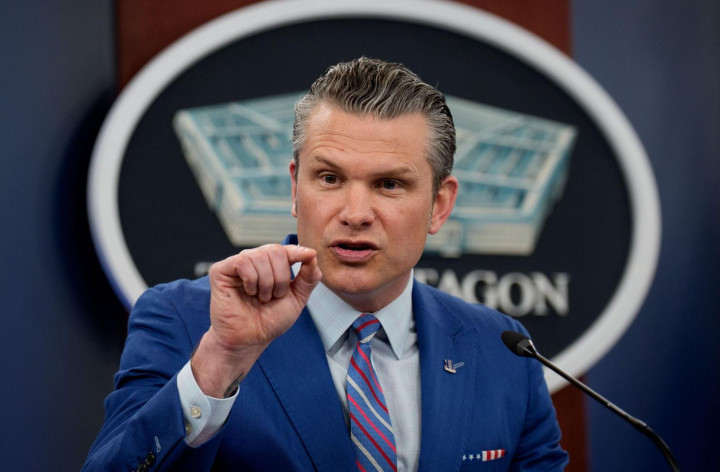
A war launched without a defined end state, sold through metrics and bravado, and blind to an enemy that measures time in generations rather than news cycles, is not a path to victory but a slow-motion admission of strategic failure.
A former CIA officer confirms a government kill list is real, and asks me a question I still can’t answer.
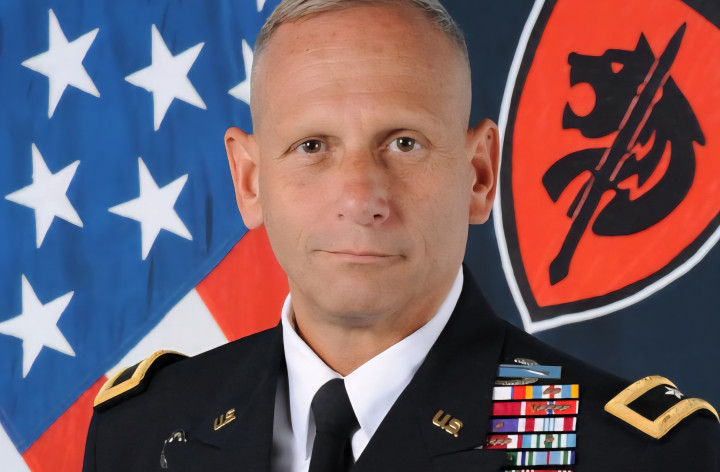
Choosing diplomacy over escalation is not retreat, it is a deliberate move to protect American interests, stabilize a volatile region, and force a strategic outcome without gambling lives on another open-ended conflict.
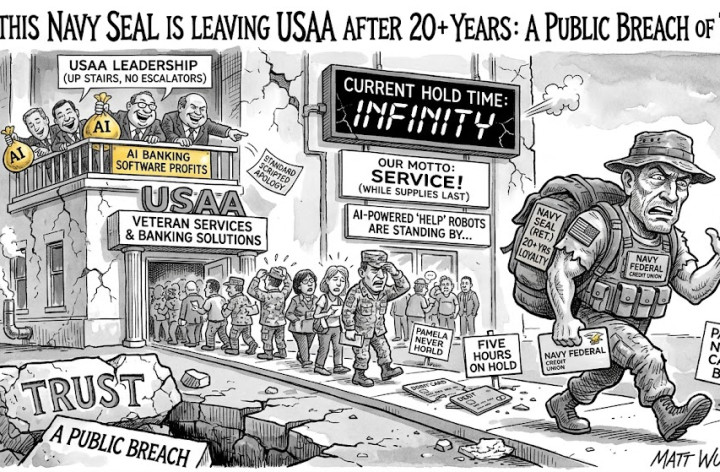
After six weeks of system errors, ghosted “resolutions,” and a debit card that arrived already expired, I finally cut away from USAA and accepted that the machine isn’t broken, it’s just not built to save you.
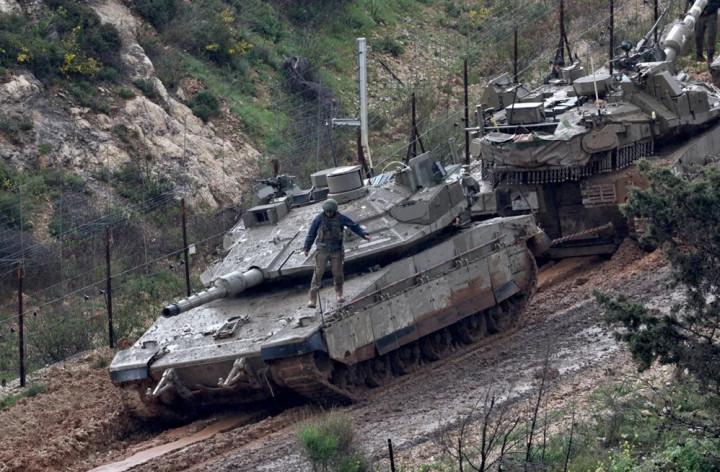
Israeli tanks positioned along the northern Israel–Lebanon border, deployed in a defensive posture amid ongoing cross-border fighting with Hezbollah.
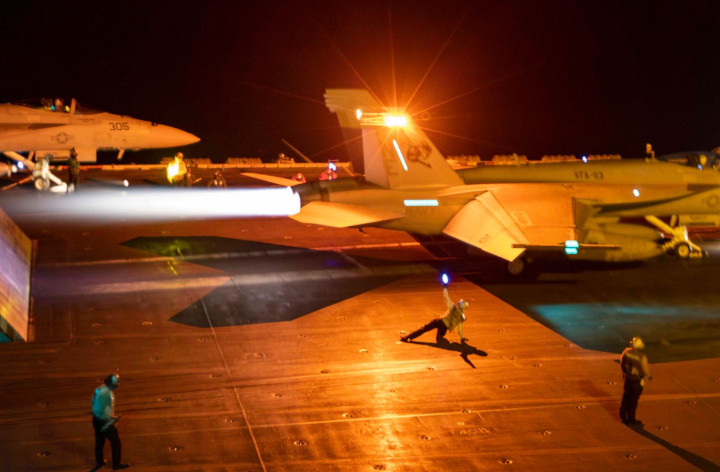
Ukraine grinds forward without breaking while Operation Epic Fury exposes the limits of airpower, leaving a quiet question hanging over both wars: what happens when the fight reaches a point that only boots on the ground can solve.
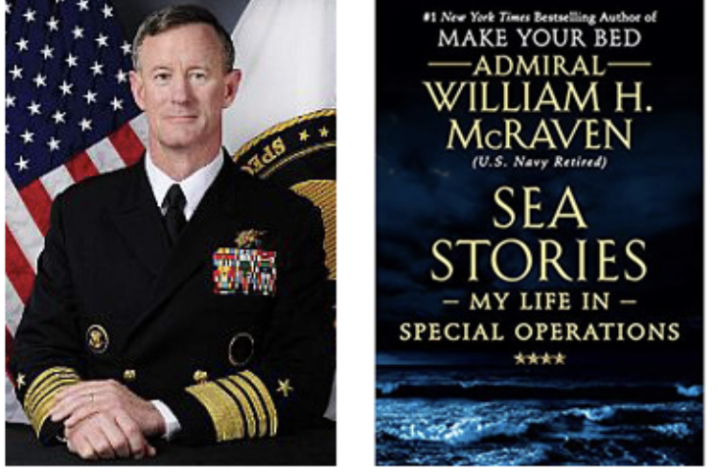
McRaven can lecture the country about honor all he wants, but those of us who saw what festered under his command know the difference between polished words and the weight of what was left buried.
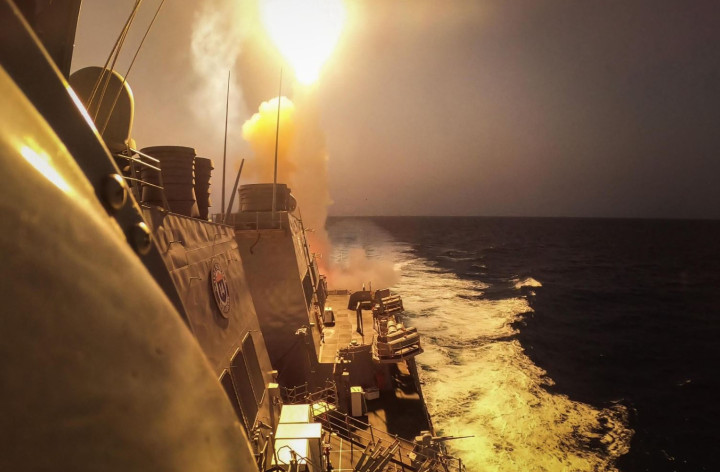
The Iran war didn’t start at $1 billion a day, it opened closer to $1.88 billion, and as the Pentagon burns through weapons and budgets alike, the real question is what is the American taxpayer getting for the price?
Washington’s dysfunction has now reached the checkpoint, where unpaid TSA agents, political brinkmanship, and spring break crowds collide, turning airport security into a live demonstration of what happens when governance fails at the ground level.
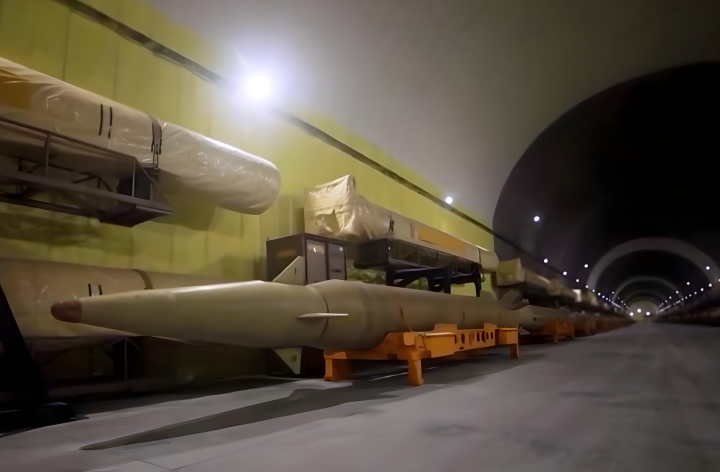
Until we define what success looks like, every action we take, diplomatic or military, risks becoming movement without direction rather than strategy with purpose.
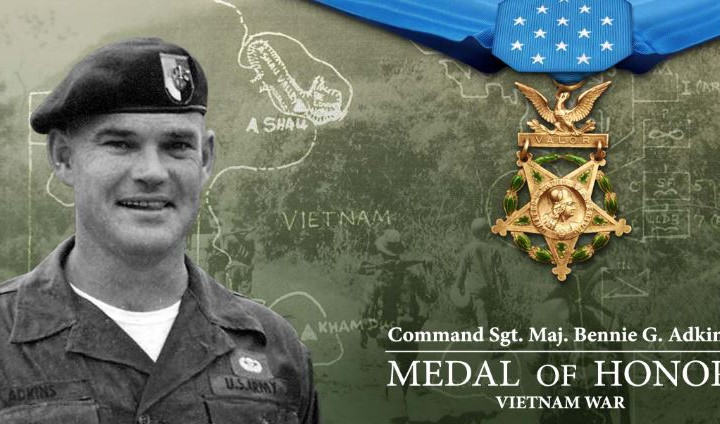
Wounded, outnumbered, and watching his position come apart in the A Shau Valley, Bennie Adkins kept stepping back into the fire, dragging men to safety and holding the line long after it should have collapsed.

SIG Sauer is a world-class firearms manufacturer trusted by military, law enforcement, and responsible civilian shooters, delivering precision-engineered weapons, optics, and training systems while maintaining a strong commitment to veteran hiring, American manufacturing, and the professionals who rely on their gear when it matters most.

FightCamp is an at-home boxing and kickboxing training system built around real technique, structured programming, and measurable performance. Members train with fighters and professional coaches while using connected punch and kick trackers that record volume, speed, and power in every round. The result is training that builds conditioning, skill, discipline, and resilience — all from home, on your schedule.
Barrett is the world leader in long-range, large-caliber, precision rifle design and manufacturing. Barrett products are used by civilians, sport shooters, law enforcement agencies, the United States military, and more than 75 State Department-approved countries around the world.

Hywell is a premium gear brand specializing in heavy-duty Merino wool boot socks for blue-collar professionals and outdoorsmen. Backed by an ironclad 10-Year Warranty.

Praesidus builds rugged, American-assembled watches inspired by historic military timepieces. Designed for accuracy and tested for endurance, each watch is made for outdoor explorers, everyday adventurers, and anyone who needs reliability when it matters.

Essential Provisions Field Fuel® meals [ready-to-eat] & sports nutrition products have been developed with the cleanest, high-quality nutrient and energy-dense ingredients available. Research has shown that the whole food nutrients contained in our products have the ability to help.

Have you ever tried to wear a fleece hoodie in bad weather? We don’t recommend it. That’s why we founded BÆRSkin in 2019 – to create the world’s best outdoor gear that’s just as comfortable at home as it is durable outdoors. “Bad fitting, bulky, and boring” is how we felt about 1000’s of regular fleece hoodies we tested.

If you’re 21 or older and use nicotine or tobacco, charge ahead with Black Buffalo, America’s only credible smokeless tobacco alternative. Black Buffalo dips just like the real thing without the tobacco leaf or stem. Find Black Buffalo in Wawa, Circle K, Sheetz, Love’s, Pilot, Racetrac, and many more retail locations across the United States.