

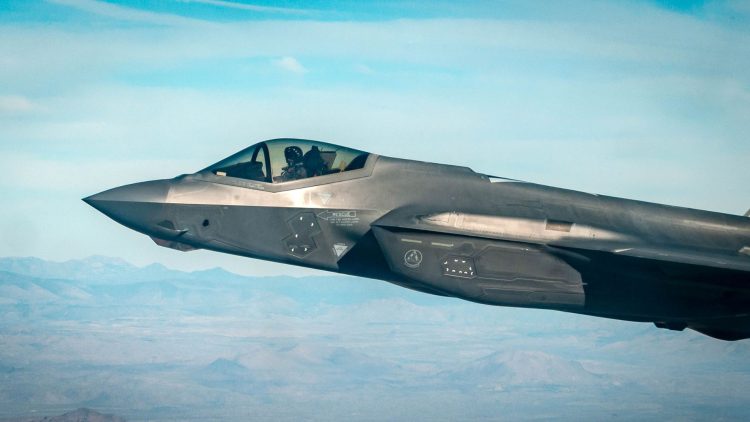
US Air Force Secretary Frank Kendall recently stressed the importance of NGAD but warned that other priorities, such as next-generation tankers and Collaborative Combat Aircraft (CCA), could affect funding.
China’s Sixth-Generation Fighter: A Wake-Up Call
Images of two new Chinese jets flying through the air during the holidays sent shockwaves through the aerospace community.
🇨🇳 China officially unveils its new 6th generation stealth fighter jet.
🧵 2/5 pic.twitter.com/MNhAnWAw2T
— BRICS News (@BRICSinfo) December 30, 2024
Confidence in US Superiority, but No Time to Lose
Despite China’s advances, Hunter expressed confidence in the US Air Force’s ability to field a superior aircraft.
“I think we’ll have the better capability, but we certainly have no time to lose,” he stated.
While some defense experts were surprised, Hunter noted that the US had been anticipating such developments.
“It’s fair to say we pay a lot of attention to what the Chinese are doing,” he said, adding that the Air Force was not caught off guard by the prototypes’ emergence.
The PLA’s advancements are part of a broader strategy to close the gap with the US military, particularly in airpower.
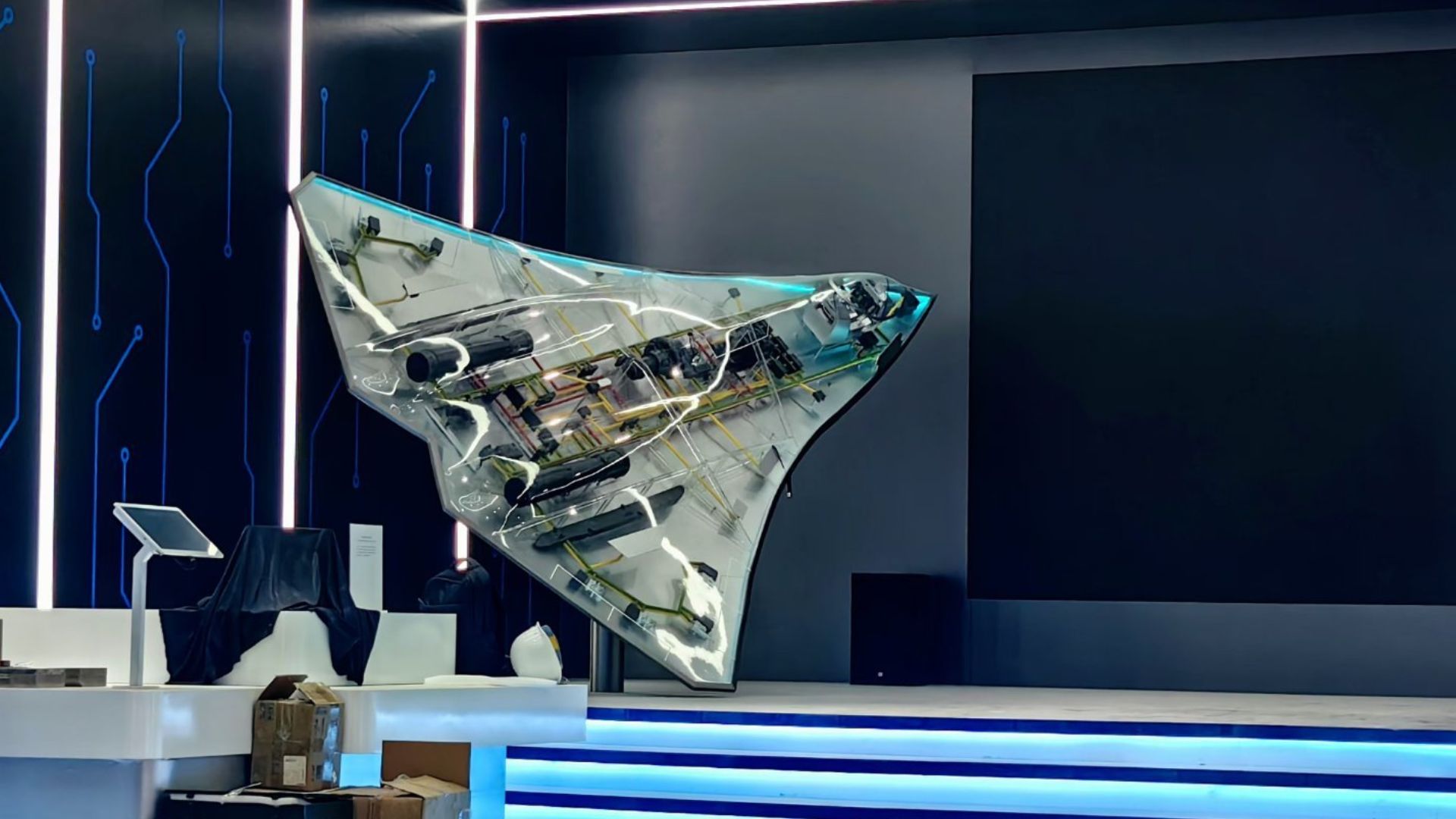
The double-delta wing design of China’s prototype suggests an emphasis on supersonic speed and maneuverability, capabilities critical for future aerial warfare.
NGAD: A Critical Component of US Strategy
The Air Force’s NGAD program remains the centerpiece of its strategy to maintain air superiority.
As a potential replacement for the F-22, NGAD is designed to deliver next-generation capabilities, including advanced sensors, stealth technology, and integration with autonomous systems. However, the program’s future hinges on decisions by the incoming Trump administration.
Kendall has indicated that the Air Force may explore alternatives to NGAD, such as an “F-35 follow-on” multirole aircraft or increased reliance on drone technology. These options reflect the growing importance of unmanned systems in modern warfare, though Kendall emphasized that the Air Force is not yet ready to abandon manned aircraft entirely.
“The culture and the history of the Air Force is about the role of the pilot,” Kendall said. “Letting go of that is an incredibly difficult emotional thing for people to do.”
The Stakes in the Sixth-Generation Race
The race to deploy the first sixth-generation fighter jet is about more than technological bragging rights—it’s a contest for strategic dominance in the skies. For decades, US airpower has been a critical deterrent against adversaries. Losing that edge to China would have far-reaching implications for global security.
Hunter’s warning serves as a call to action for US policymakers. While the Air Force remains confident in its ability to produce a superior fighter, the urgency to accelerate development is clear.
The next administration will need to make tough decisions about funding priorities and the role of emerging technologies like drone wingmen in the Air Force’s future.
As China continues to push the boundaries of military innovation, the US must act swiftly to ensure it maintains its air superiority. The skies may soon become the defining battleground in the competition between the world’s two superpowers, and the race is far from over.








COMMENTS