

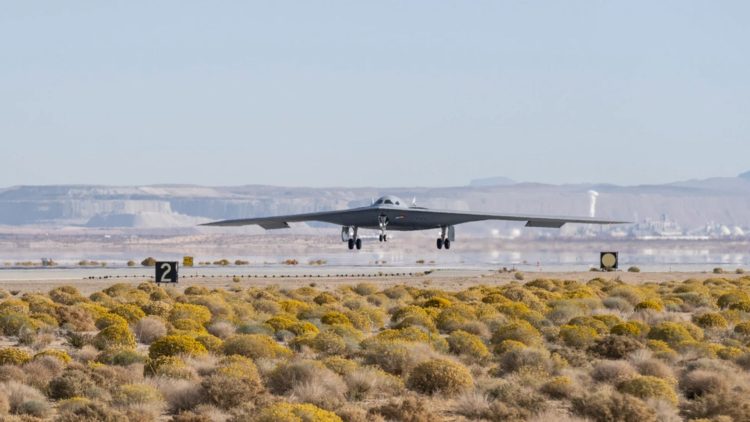
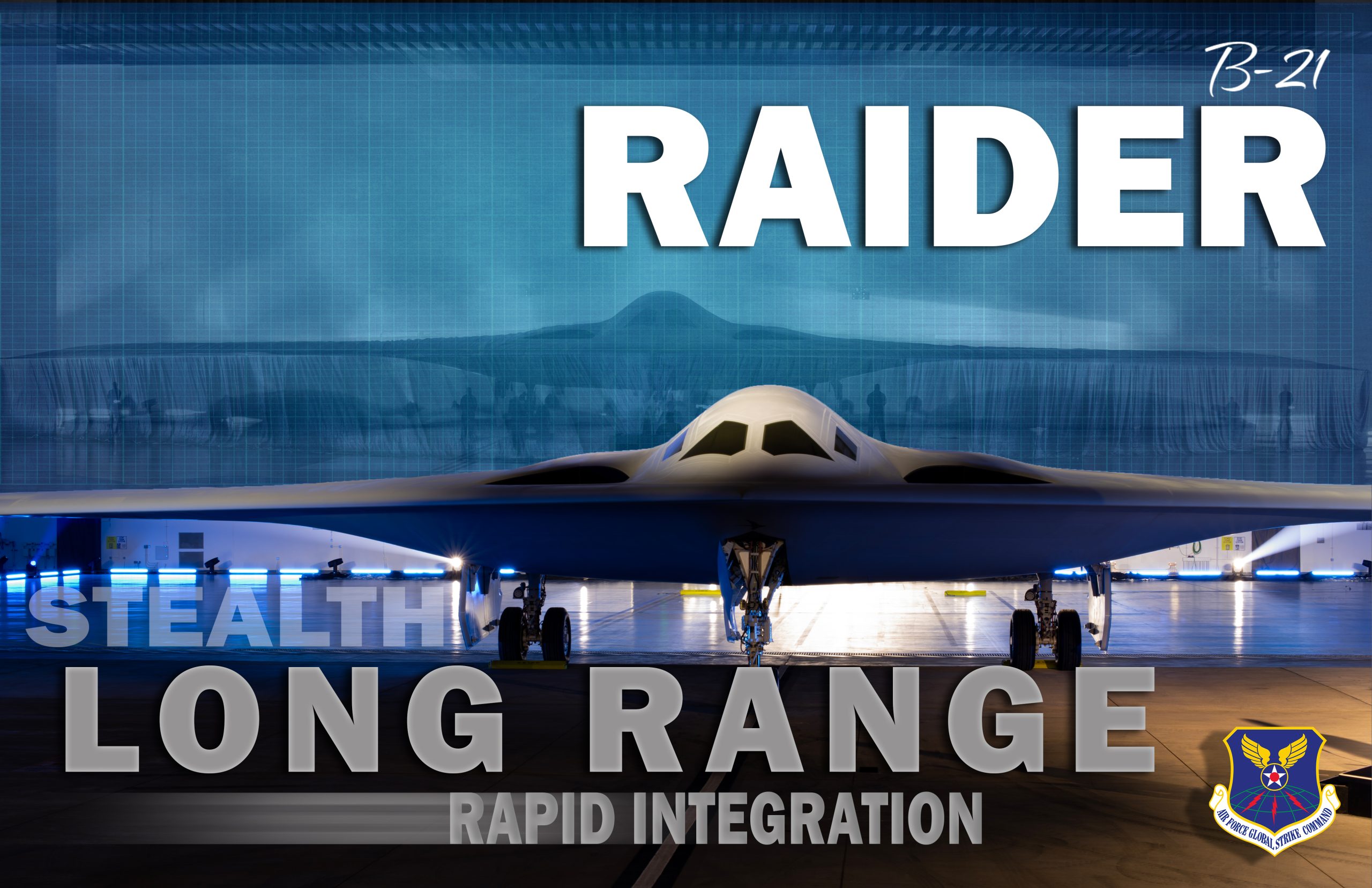
The program grew out of the Air Force’s Long Range Strike Bomber (LRS-B) initiative launched in the early 2010s, which sought a more survivable and affordable bomber to complement and eventually succeed the B-52 Stratofortress and B-1B Lancer.
The B-52, introduced in the 1950s, remains a workhorse for the Air Force but relies on aging engines and lacks stealth features, making it less survivable against modern air defenses. The B-1, first fielded in the 1980s, has been heavily used in conventional conflicts but is expensive to maintain and is also vulnerable in contested airspace. Together, they form a bomber fleet that has proven reliable but increasingly outdated against near-peer adversaries equipped with advanced radar and missile systems.
The B-21, by contrast, is designed as a sixth-generation stealth aircraft that can evade detection, penetrate contested airspace, and deliver both conventional and nuclear payloads. It incorporates advancements in stealth shaping, radar-absorbing materials, open-architecture avionics, and digital engineering that aim to reduce costs and simplify upgrades over its life cycle. It also features greater maintainability compared to the B-2 Spirit, the Air Force’s only other stealth bomber, which entered service in the 1990s.
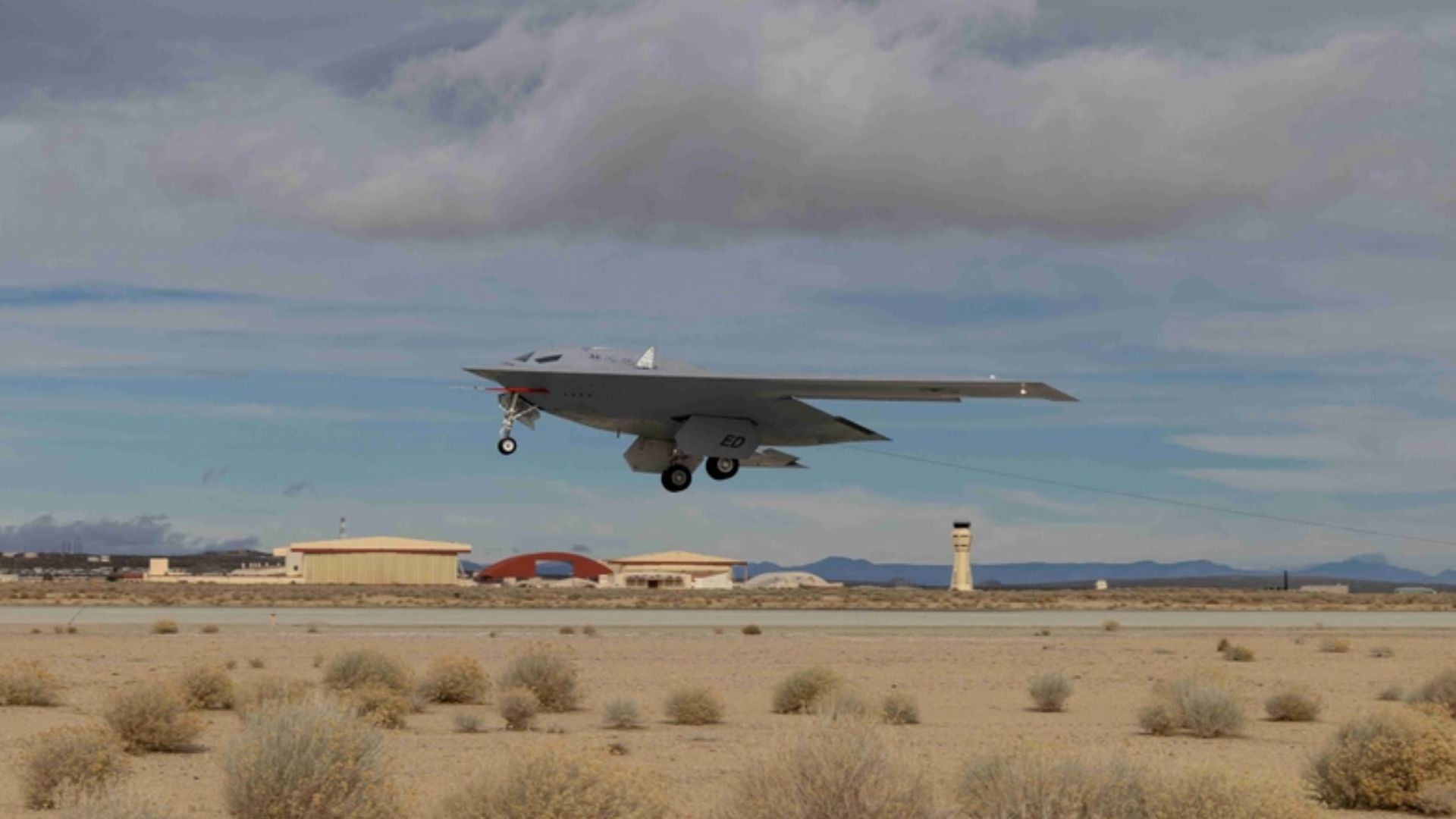
Unlike the B-2, which was limited to a small production run of just 21 aircraft due to high costs, the B-21 program is structured to emphasize affordability and scalability. This is critical because the Air Force intends to field at least 100 Raiders, enough to modernize the bomber fleet at scale.
As part of the US nuclear triad, the B-21 will play a key role in the air leg, complementing intercontinental ballistic missiles and ballistic missile submarines. Its ability to fly intercontinental missions, strike hardened or heavily defended targets, and adapt to both conventional and nuclear missions gives it a flexibility that is central to US deterrence strategy.
Nuclear Posture in Europe
During the same event, Gebara declined to comment directly on reports that US nuclear weapons had returned to the United Kingdom after more than 15 years. He did confirm, however, that the B61-12 nuclear gravity bomb is now fully deployed across Europe.
“NATO is a nuclear alliance,” Gebara said. “The United States is a huge part of that nuclear deterrence. We provide that extended deterrence in the form of these weapons at certain locations around Europe.”
Recent open-source intelligence suggested that an Air Force C-17 delivered nuclear weapons to RAF Lakenheath, which last hosted them in 2008.
Pentagon and NATO officials maintain a longstanding policy of not confirming nuclear deployments, but the reports add to the broader discussion of US nuclear posture in Europe.
The expected second flight of the B-21 Raider marks continued progress for a program that is both on schedule and gaining additional funding support.
While the Air Force moves cautiously with testing, the combination of congressional backing and Northrop’s production ramp suggests the Raider will begin entering service later this decade.
For now, the B-21 remains the centerpiece of America’s long-range strike modernization effort, combining stealth, advanced technology, and nuclear capability in a platform designed to serve well into the future.








COMMENTS