
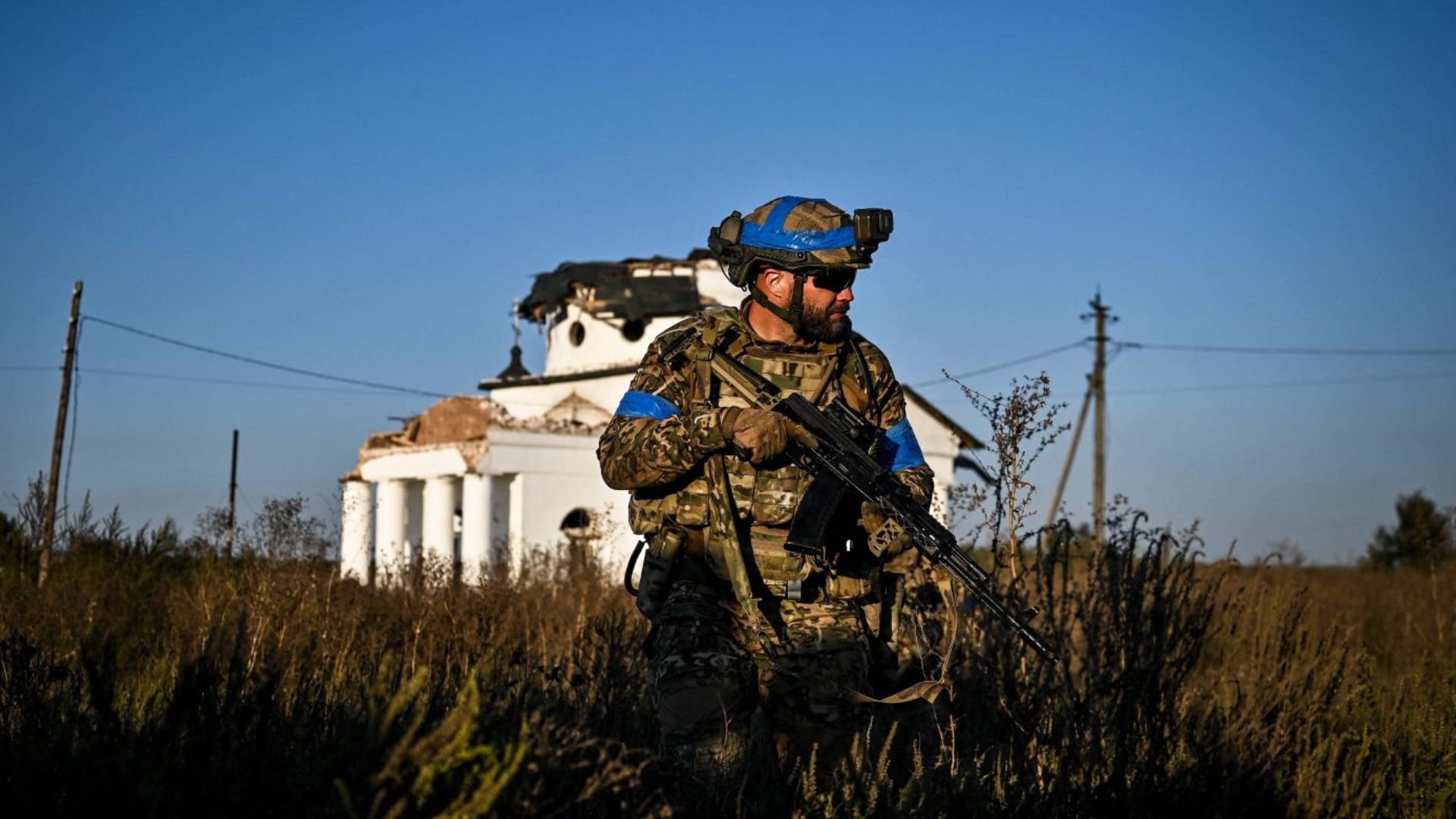
Ukraine’s New Foreign Fighter Unit: Azov Opens Its Ranks
Azov now recruits foreigners, offering one of Ukraine’s toughest but most professional paths in a brutal, high-risk war.

Azov now recruits foreigners, offering one of Ukraine’s toughest but most professional paths in a brutal, high-risk war.

Between Hamas’s butchery, Israel’s grinding war, and a fog of propaganda that makes truth provisional, Gaza is where civilians are crushed while Washington looks away.

Friday’s Trump-Putin summit in Alaska isn’t a breakthrough—it’s Moscow running the same stalling play it’s used since 2014, buying time while pressing its summer offensive.
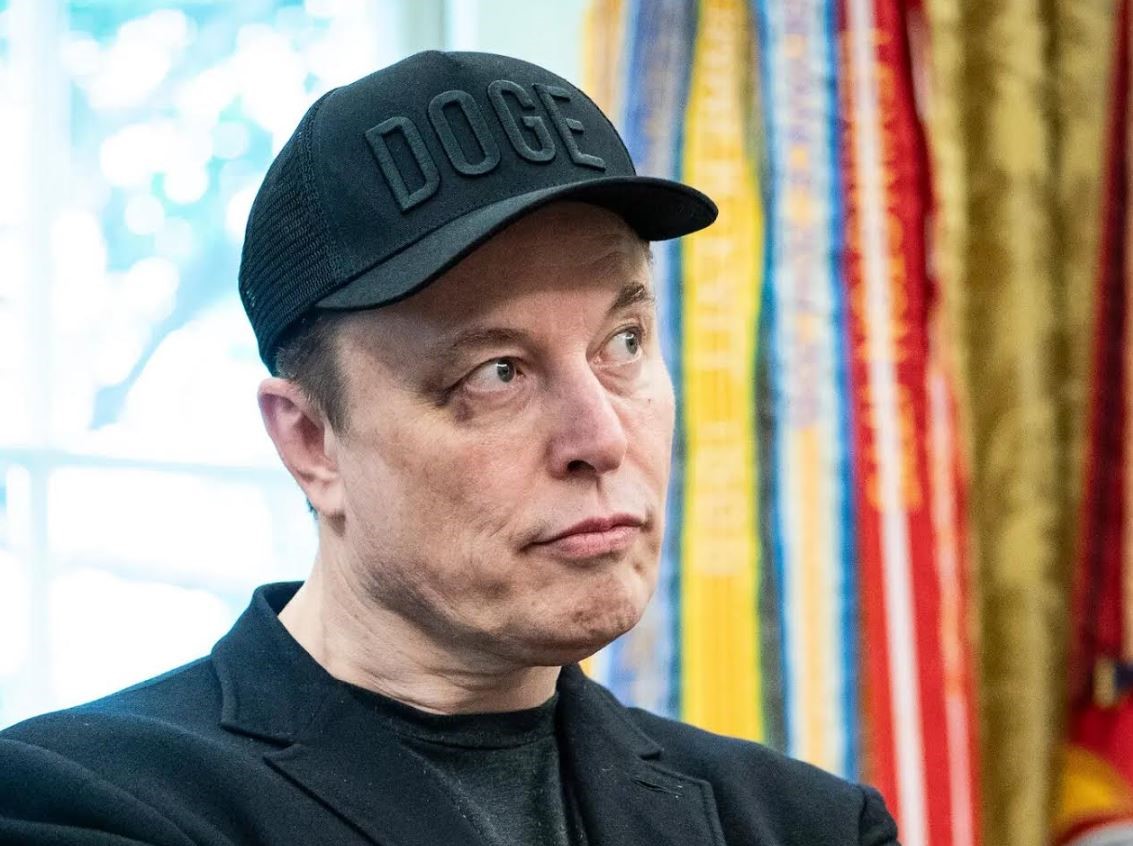
In Ukraine’s war, Elon Musk’s satellites shifted from lifeline to leverage, and that power—once a gift—became a weapon of his choosing.
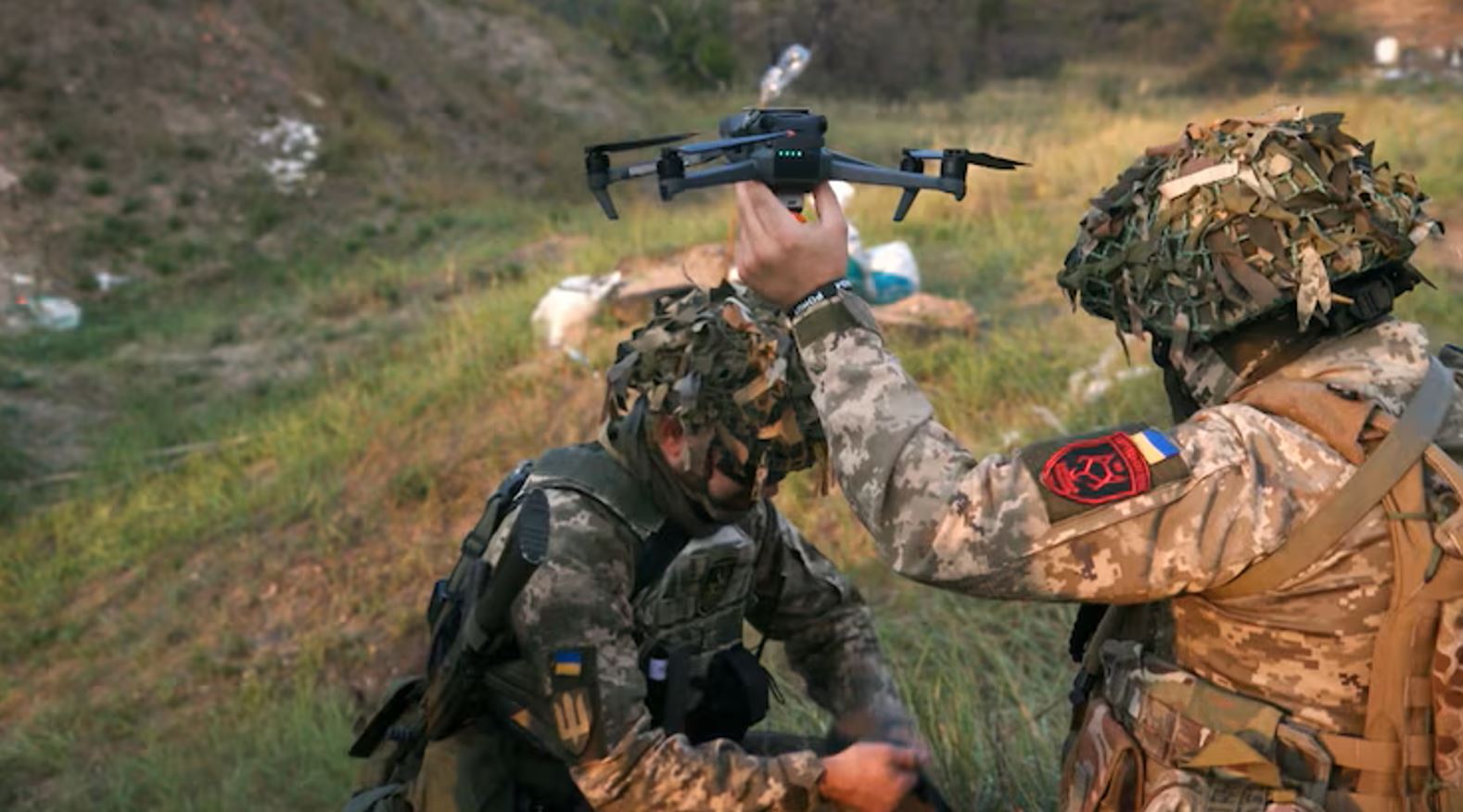
We thought drone warfare would be the future—turns out, it was the present all along, and we just didn’t recognize the buzz of change until it hovered over the tree line, camera rolling.
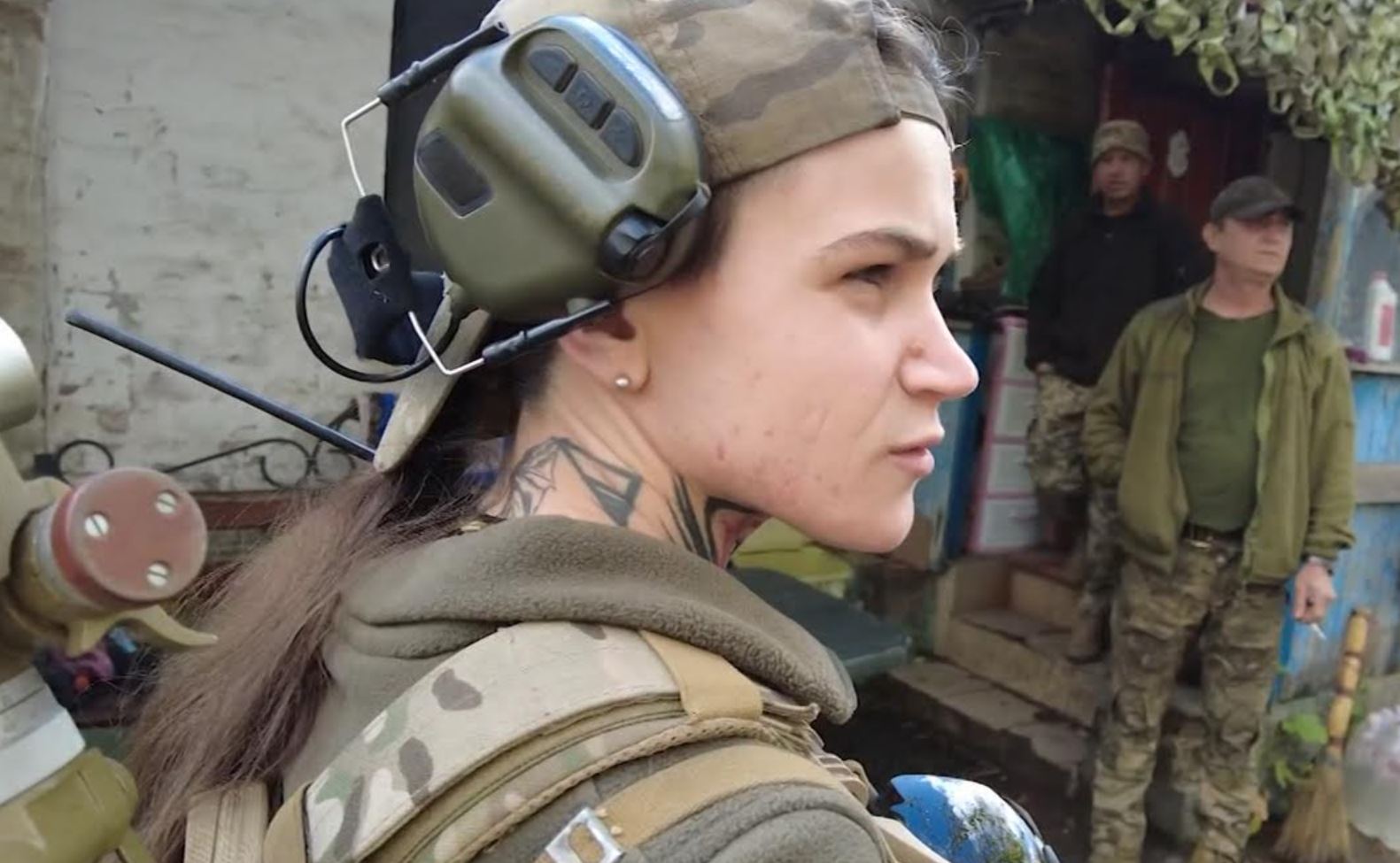
She wasn’t a symbol, or a narrative, or a talking point—she was a dying girl in the mud, and I watched her last pixilated breath.
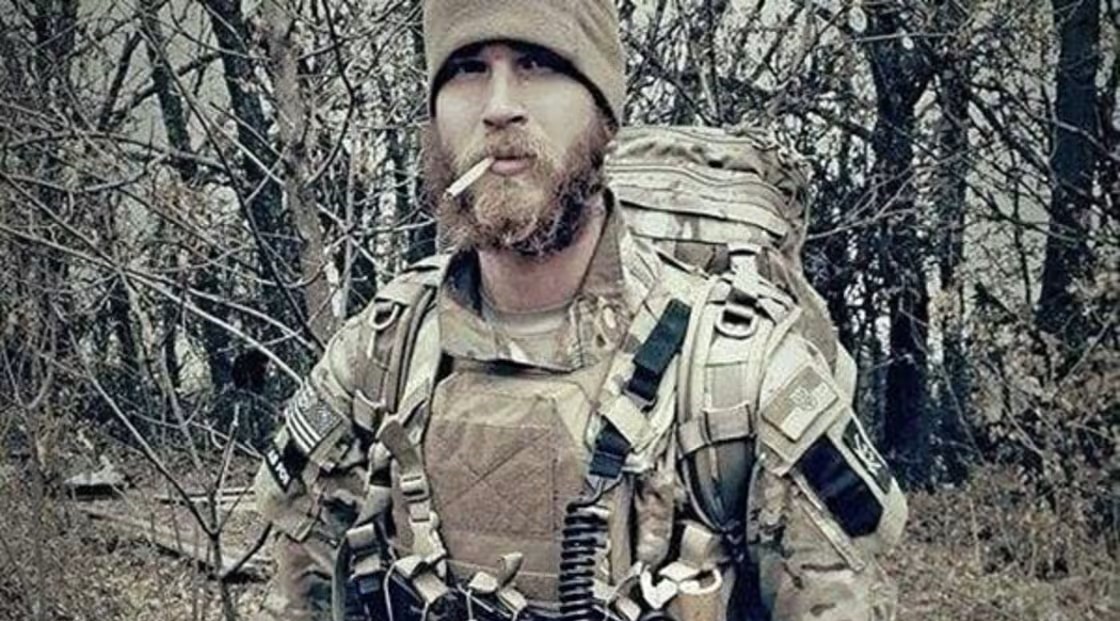
You don’t have to wear a swastika to be dangerous—and you don’t have to quote Dugin to be part of a war built on empire.

It’s a war being fought by men with creaking knees and fading eyesight—because the kids who should be fighting it are too valuable to kill.
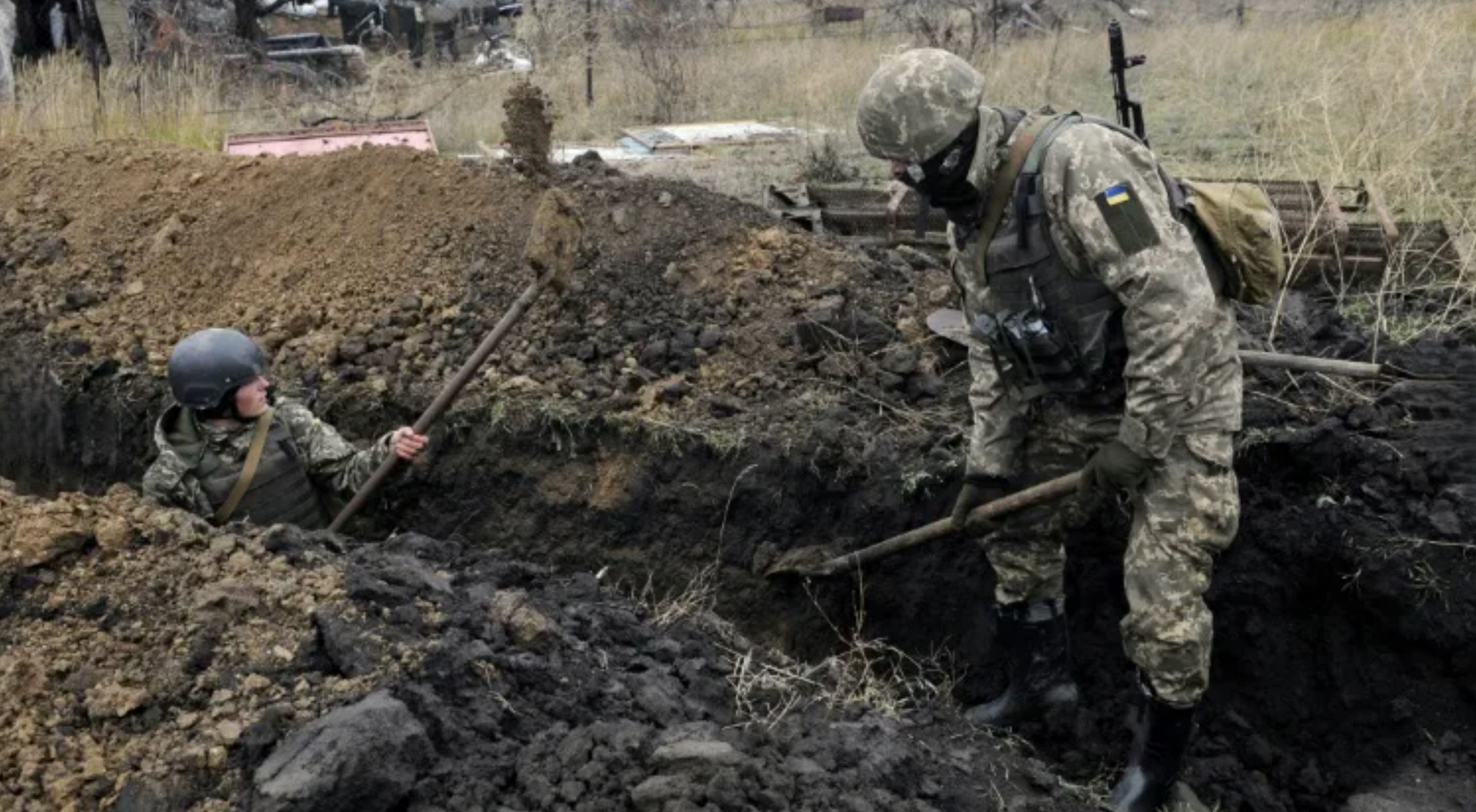
The rifleman isn’t obsolete—but the idea he can fight modern wars without tech fluency sure is.
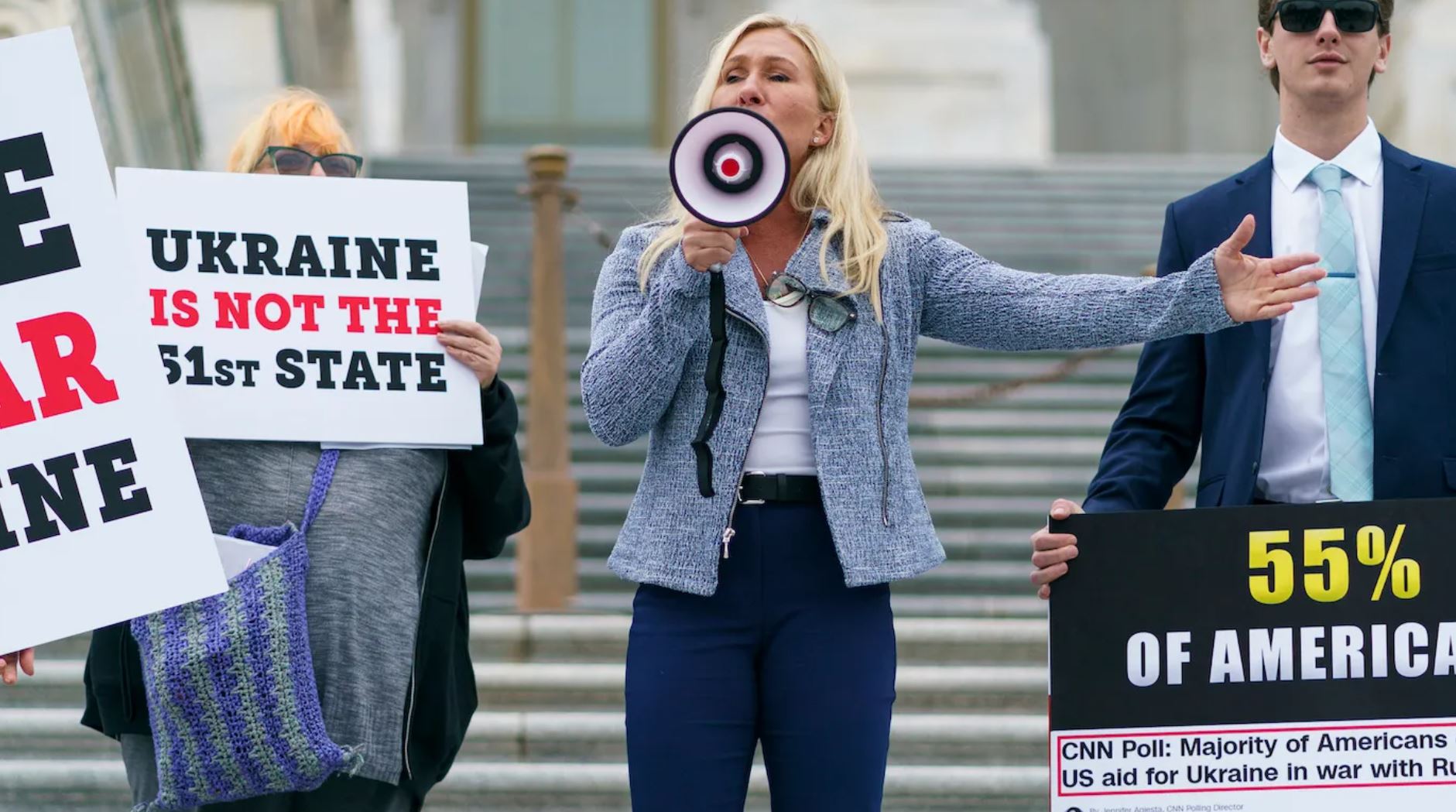
I didn’t fight in Ukraine because it was easy—I fought because it was right, and watching Marjorie Taylor Greene parrot Kremlin lies from the safety of her seat in Congress makes me wonder if she even knows the difference.
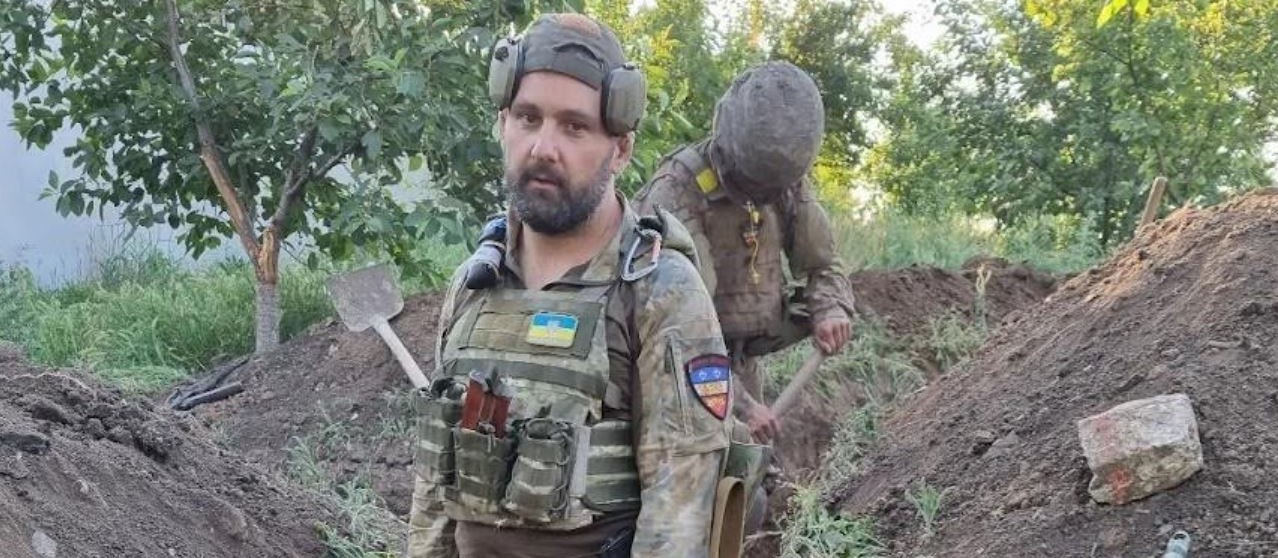
They came with badges, not handcuffs—a reminder that in this new kind of war, the lines between warning, watching, and silencing have blurred beyond recognition.
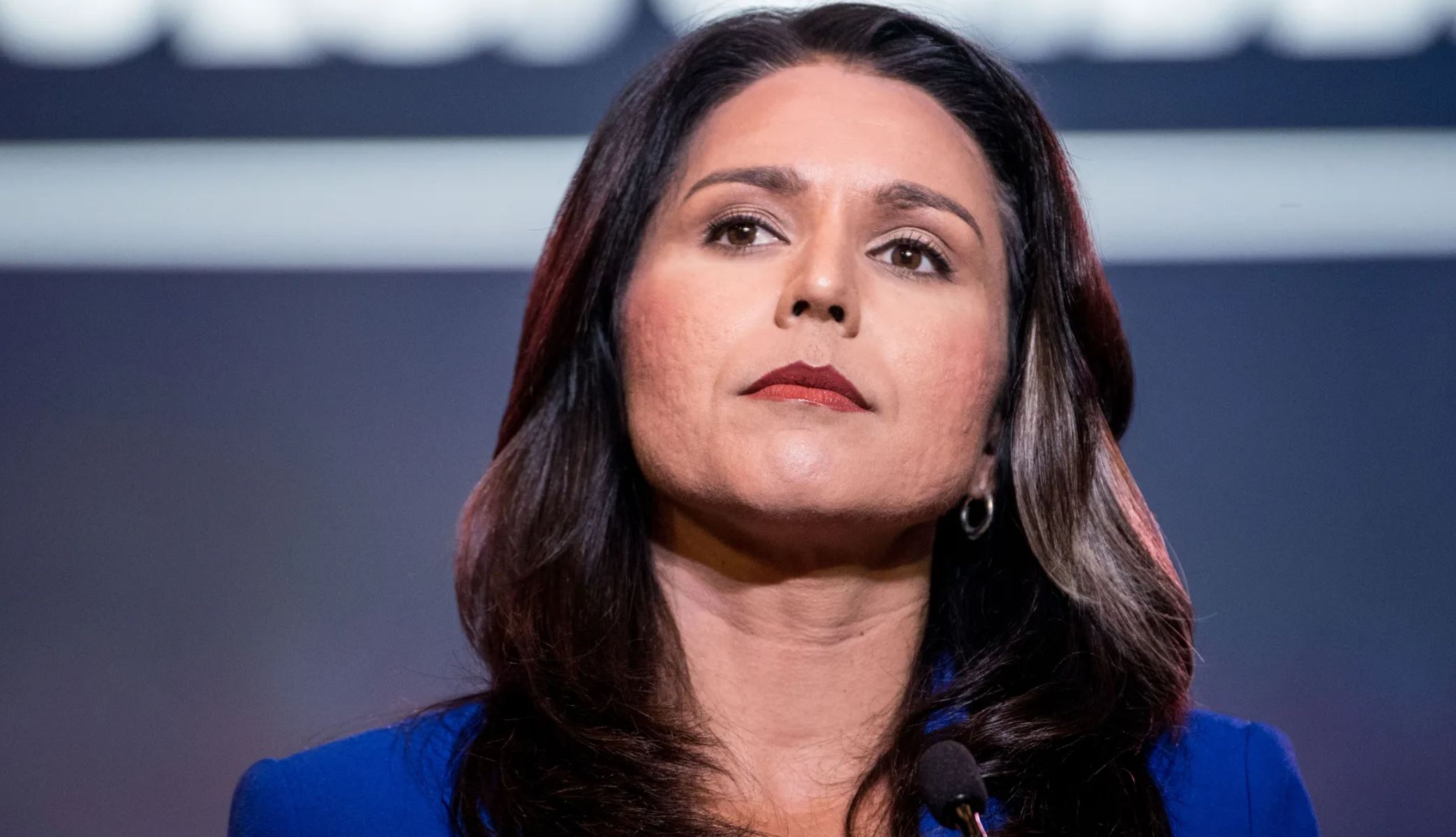
Tulsi Gabbard doesn’t need to be a Kremlin agent to be dangerous—she’s already a megaphone for their disinformation, wrapped in the uniform of patriotism and amplified by platforms that should know better.

Praesidus builds rugged, American-assembled watches inspired by historic military timepieces. Designed for accuracy and tested for endurance, each watch is made for outdoor explorers, everyday adventurers, and anyone who needs reliability when it matters.

SIG Sauer is a world-class firearms manufacturer trusted by military, law enforcement, and responsible civilian shooters, delivering precision-engineered weapons, optics, and training systems while maintaining a strong commitment to veteran hiring, American manufacturing, and the professionals who rely on their gear when it matters most.

FightCamp is an at-home boxing and kickboxing training system built around real technique, structured programming, and measurable performance. Members train with fighters and professional coaches while using connected punch and kick trackers that record volume, speed, and power in every round. The result is training that builds conditioning, skill, discipline, and resilience — all from home, on your schedule.

Essential Provisions Field Fuel® meals [ready-to-eat] & sports nutrition products have been developed with the cleanest, high-quality nutrient and energy-dense ingredients available. Research has shown that the whole food nutrients contained in our products have the ability to help.

Have you ever tried to wear a fleece hoodie in bad weather? We don’t recommend it. That’s why we founded BÆRSkin in 2019 – to create the world’s best outdoor gear that’s just as comfortable at home as it is durable outdoors. “Bad fitting, bulky, and boring” is how we felt about 1000’s of regular fleece hoodies we tested.

If you’re 21 or older and use nicotine or tobacco, charge ahead with Black Buffalo, America’s only credible smokeless tobacco alternative. Black Buffalo dips just like the real thing without the tobacco leaf or stem. Find Black Buffalo in Wawa, Circle K, Sheetz, Love’s, Pilot, Racetrac, and many more retail locations across the United States.

Stay Locked In. No Matter What. NEORON is a brain-boosting beverage built for the mission: sugar-free, crash-free, and engineered for clean, tactical focus through long hours and high-stakes operations. Made for those who grind, stay sharp under pressure, and refuse to fold—if failure isn’t an option, NEORON has your six.

Our roots in shooting sports started off back in 1996 with our founder and CEO, Josh Ungier. His love of airguns took hold of our company from day one and we became the first e-commerce retailer dedicated to airguns, optics, ammo, and accessories. Over the next 25 years, customers turned to us for our unmatched product selection, great advice, education, and continued support of the sport and airgun industry.