
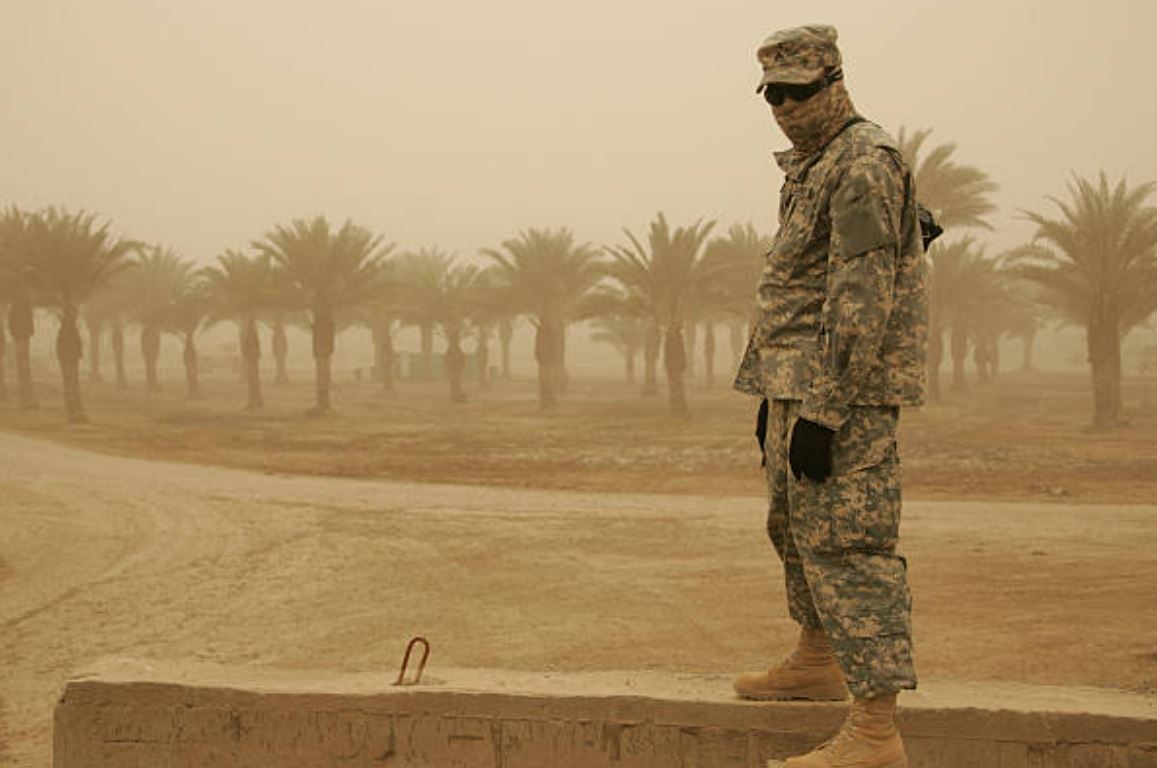
Col. (Ret.) Nate Slate: An Oasis in the Desert of War
Refreshed by a fleeting journey of the soul across time and space, I found strength in the shared silence between stars, and returned to the desert ready to march again.
24 articles
COL (R) Nathan K. Slate was commissioned a Lieutenant of Field Artillery following his graduation from Officer Candidate School in December, 1978. He has held command positions overseas and in the United States. From July 1997 to July 1999, he commanded the 3rd Battalion, 18th Field Artillery (Steel Professionals) at Ft. Sill, Oklahoma. From June 2002 to June 2004, he commanded the 17th Field Artillery Brigade (Thunderbolt Brigade) at Ft. Sill, Oklahoma. COL Slate commanded the 17th Field Artillery Brigade during its 12-month deployment in support of Operation Iraqi Freedom (OIF I). Nate holds a Bachelor’s Degree from VA TECH, a Master’s Degree from Central Michigan University, and a Master’s Degree from the Naval War College. He is a graduate of the U.S. Army Command and General Staff College. Nate resides in Lawton, Oklahoma, where he worked for Northrop Grumman Technology Services as a planner, PM, BD manager and site lead from 2007 to 2017. He currently works for Leidos and serves as their Site Executive focusing upon Fires and Air and Missile Defense Development. Across the community, Nate serves in several capacities: Past Chairman of the Board for the Lawton Fort Sill Chamber of Commerce, as a board member for Oklahoma Defense Industry Association and as AUSA 4th Region Vice President. Additionally, Nate serves on the Lawton Fort Sill Working Group and the executive council of the Fires Patriots.

Refreshed by a fleeting journey of the soul across time and space, I found strength in the shared silence between stars, and returned to the desert ready to march again.
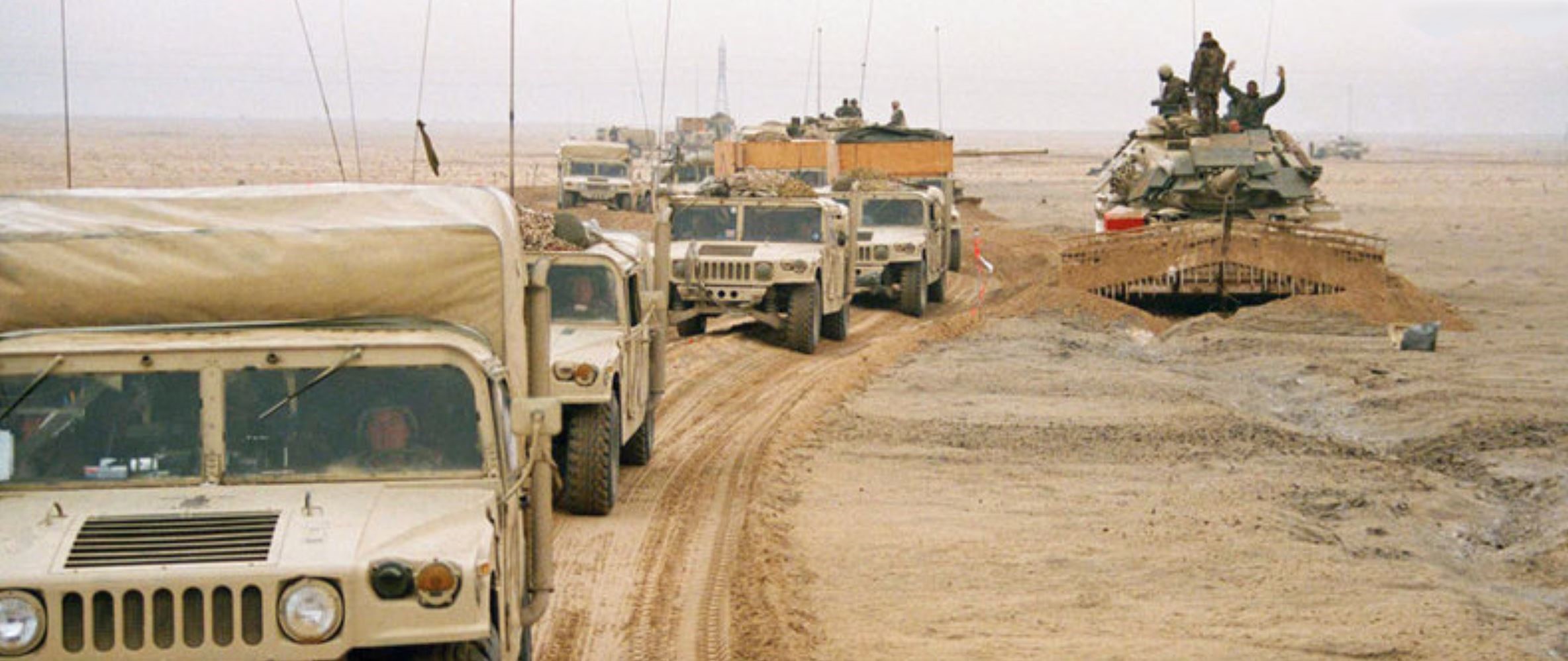
In a dusty courtyard outside Taji, surrounded by curious children and cautious sheiks, we built fragile bridges with bottled water, schoolbooks, and the stubborn hope that kindness could hold back the war.
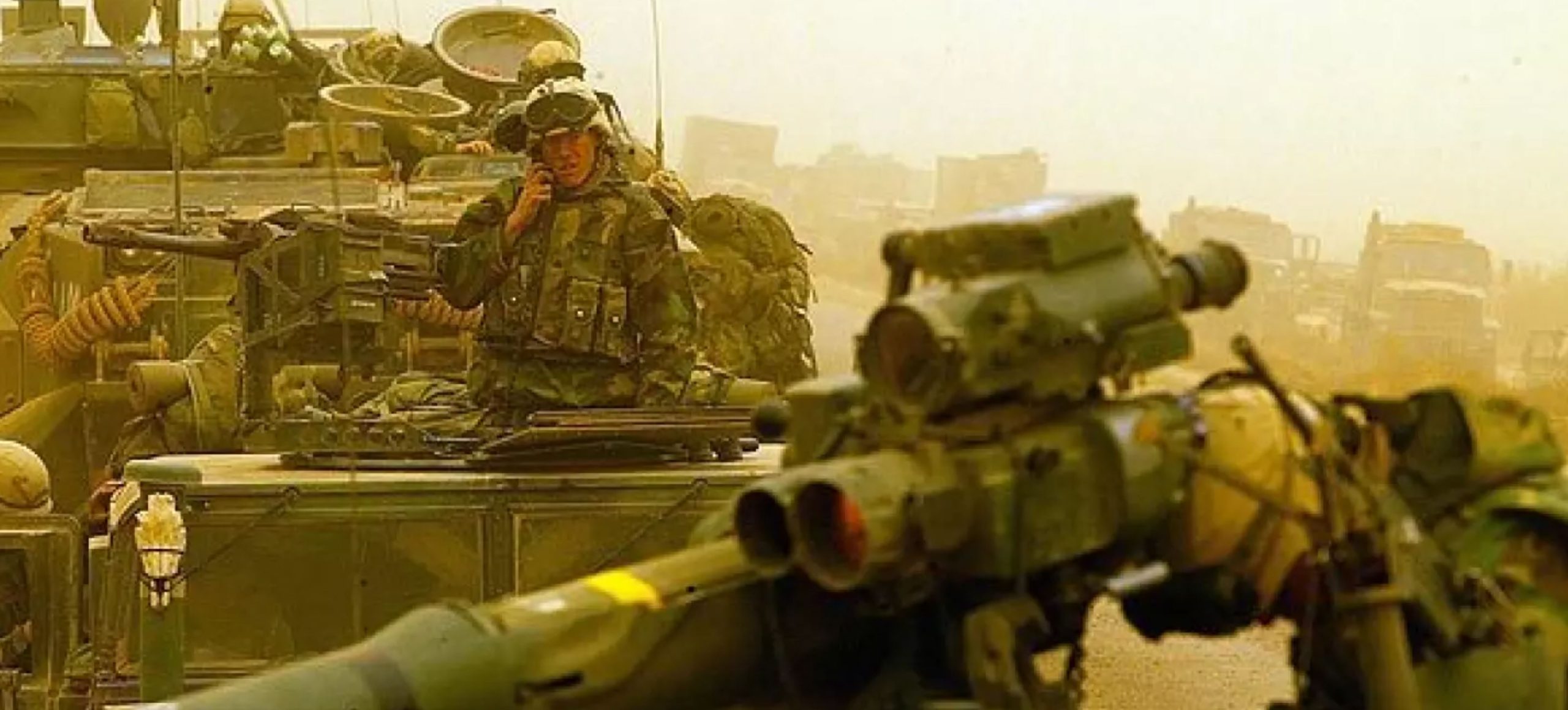
I didn’t end up in that desert by accident—every hardship, every hard lesson, every quiet moment of doubt had been sharpening me for that exact stretch of sand, steel, and responsibility.
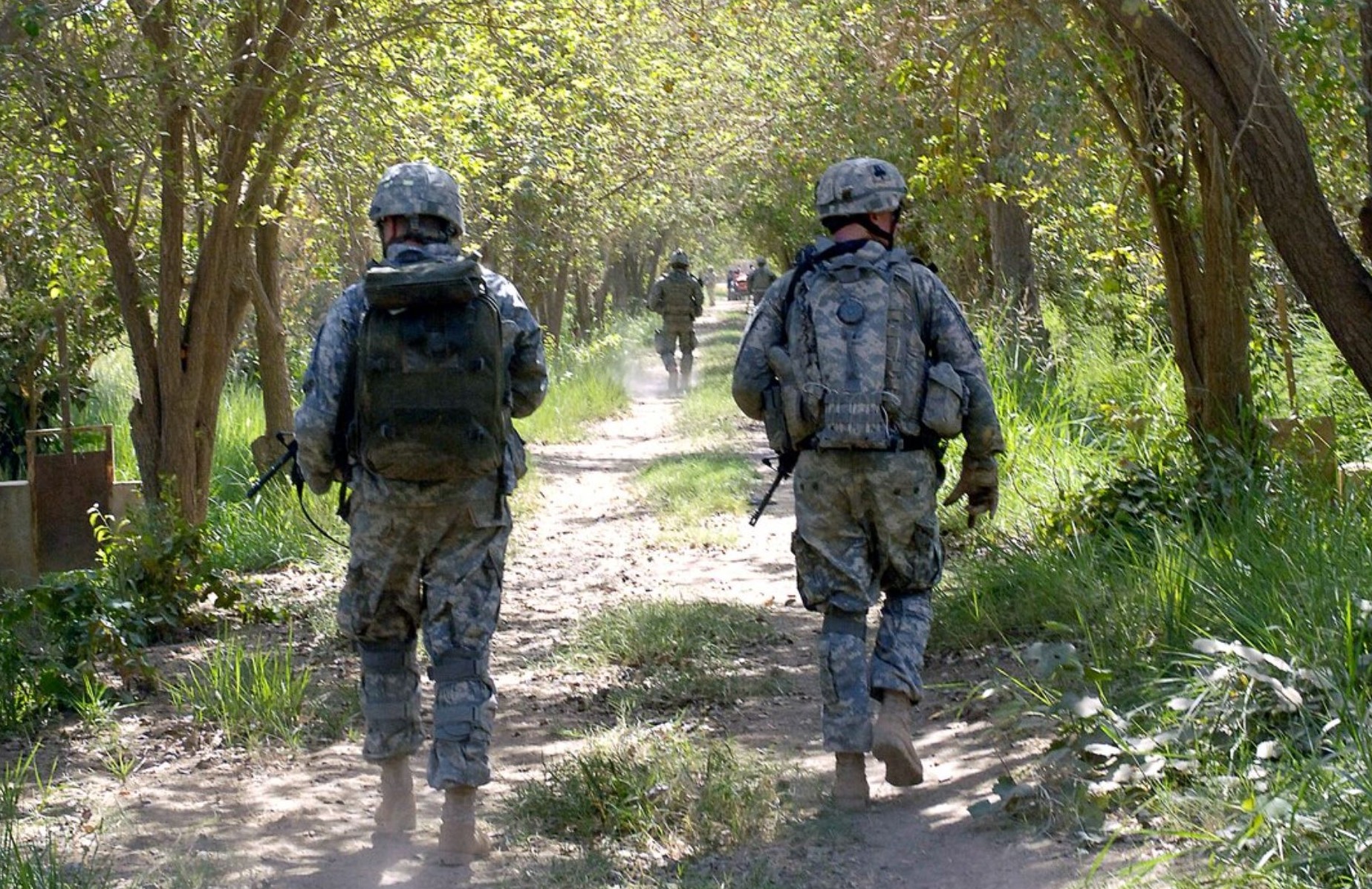
In the stillness between IED craters and ambush points, barefoot children in sunlit fields reminded us—without knowing—that peace still dared to exist.
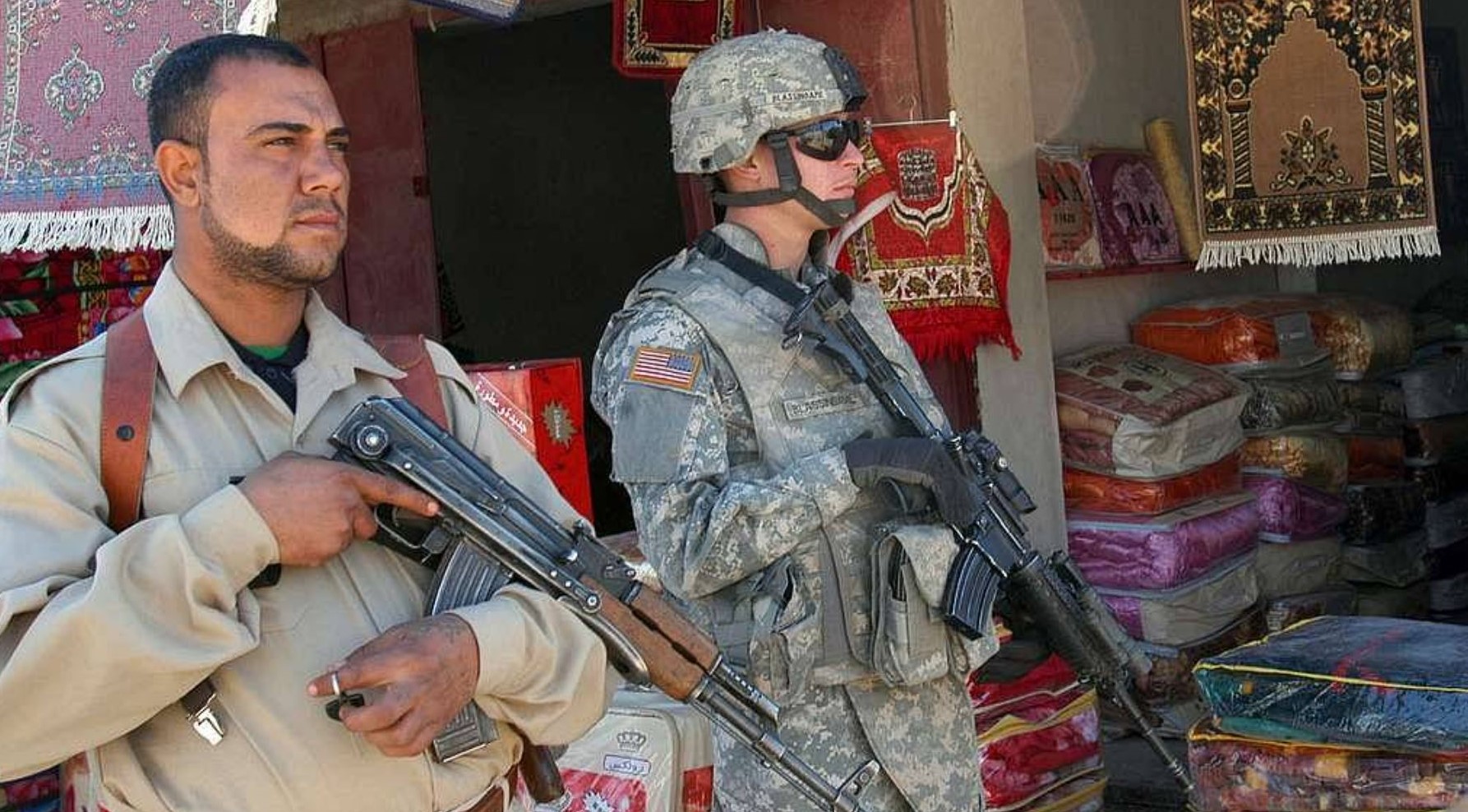
Beneath the corrugated shadows of the Taji Market, where farmers and fanatics shared the same dust, we moved—alert, measured, and unwilling to let the chaos define us.

Under Saddam, theft wasn’t a crime—it was the national business model, sanctified by fear, filmed for posterity, and sold back to the people like a bad memory on repeat.
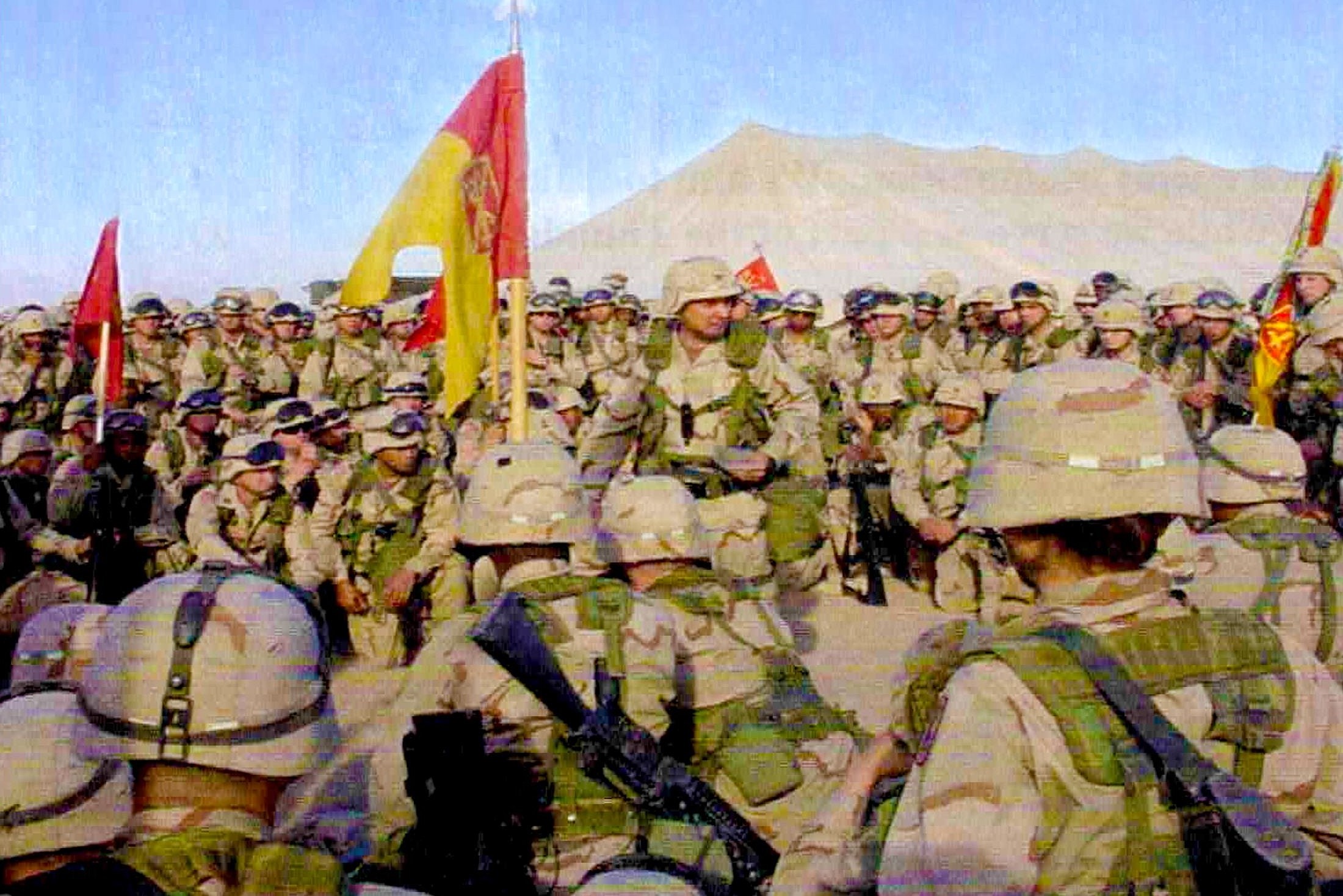
As we marched through the ancient dust of Iraq, chasing the mythic promise of Eden, I couldn’t shake the feeling that what we were truly searching for wasn’t a place—but the fragile hope that such a place might still exist.

The Biblical Wilderness wasn’t some metaphorical idea anymore—it was a sand-scoured reality where time held its breath and ancient suffering walked barefoot beside us.

A man’s worth, my father taught me, isn’t measured by his words when it’s easy—but by the truth he stands by when it’s hard.
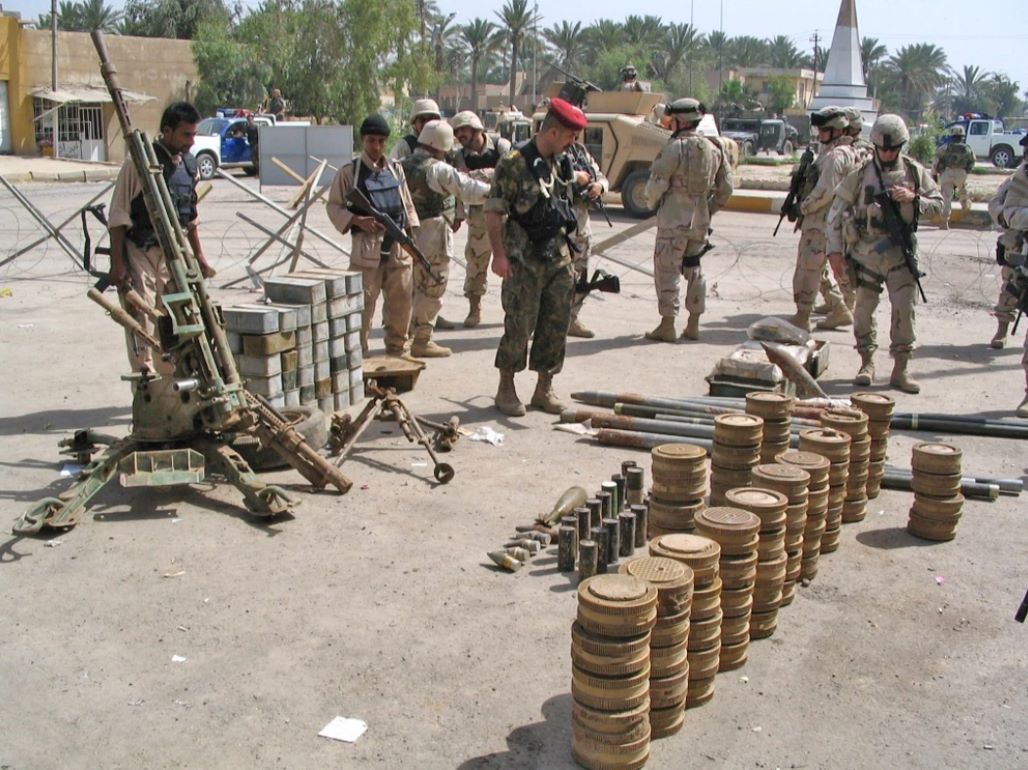
The training warned us about Wahhabis and zealots, but no one mentioned the schoolhouse meetings, mushroom clouds in quarries, and the quiet courage of village Sheiks.

Soldiers don’t just serve—they believe, sacrifice, and love. Their bond, forged in hardship, is deeper than duty. It’s who they become.

She never wore a uniform, but Lisa served every bit as faithfully as I did, holding our family—and often the whole unit—together with nothing but love, grit, and grace.

Hywell is a premium gear brand specializing in heavy-duty Merino wool boot socks for blue-collar professionals and outdoorsmen. Backed by an ironclad 10-Year Warranty.

Praesidus builds rugged, American-assembled watches inspired by historic military timepieces. Designed for accuracy and tested for endurance, each watch is made for outdoor explorers, everyday adventurers, and anyone who needs reliability when it matters.

SIG Sauer is a world-class firearms manufacturer trusted by military, law enforcement, and responsible civilian shooters, delivering precision-engineered weapons, optics, and training systems while maintaining a strong commitment to veteran hiring, American manufacturing, and the professionals who rely on their gear when it matters most.

FightCamp is an at-home boxing and kickboxing training system built around real technique, structured programming, and measurable performance. Members train with fighters and professional coaches while using connected punch and kick trackers that record volume, speed, and power in every round. The result is training that builds conditioning, skill, discipline, and resilience — all from home, on your schedule.

Essential Provisions Field Fuel® meals [ready-to-eat] & sports nutrition products have been developed with the cleanest, high-quality nutrient and energy-dense ingredients available. Research has shown that the whole food nutrients contained in our products have the ability to help.

Have you ever tried to wear a fleece hoodie in bad weather? We don’t recommend it. That’s why we founded BÆRSkin in 2019 – to create the world’s best outdoor gear that’s just as comfortable at home as it is durable outdoors. “Bad fitting, bulky, and boring” is how we felt about 1000’s of regular fleece hoodies we tested.

If you’re 21 or older and use nicotine or tobacco, charge ahead with Black Buffalo, America’s only credible smokeless tobacco alternative. Black Buffalo dips just like the real thing without the tobacco leaf or stem. Find Black Buffalo in Wawa, Circle K, Sheetz, Love’s, Pilot, Racetrac, and many more retail locations across the United States.

Stay Locked In. No Matter What. NEORON is a brain-boosting beverage built for the mission: sugar-free, crash-free, and engineered for clean, tactical focus through long hours and high-stakes operations. Made for those who grind, stay sharp under pressure, and refuse to fold—if failure isn’t an option, NEORON has your six.