

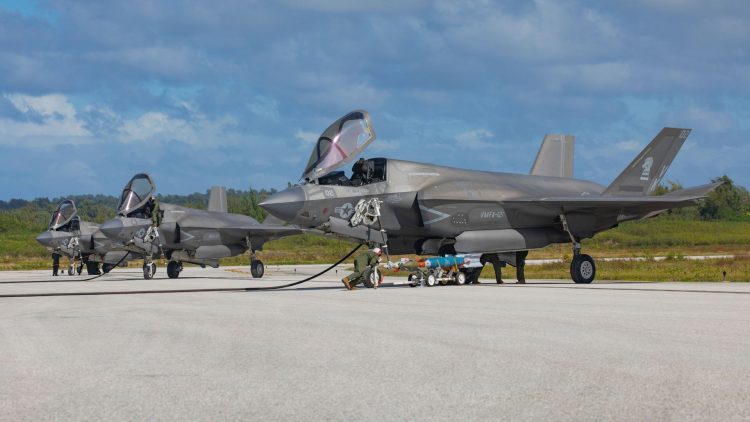
These priorities include:
1. Aviation Readiness
One of the fundamental goals of the 2025 Aviation Plan is to maintain Marine Aviation’s readiness at all times, ensuring the ability to rapidly deploy and provide immediate support when required.
The plan emphasizes that the Marine Corps must be ready to “fight tonight,” focusing on preserving and enhancing the operational readiness of aircraft, aircrew, and maintainers in order to respond to any crisis at a moment’s notice.
2. Enhanced Expeditionary Mobility
Modernizing the Marine Corps’ mobility platforms is a key focus of the plan.
Aircraft like the MV-22B Osprey, CH-53K King Stallion, and KC-130J Hercules will undergo modernization efforts to ensure that Marine Aviation can operate from austere, distributed locations.
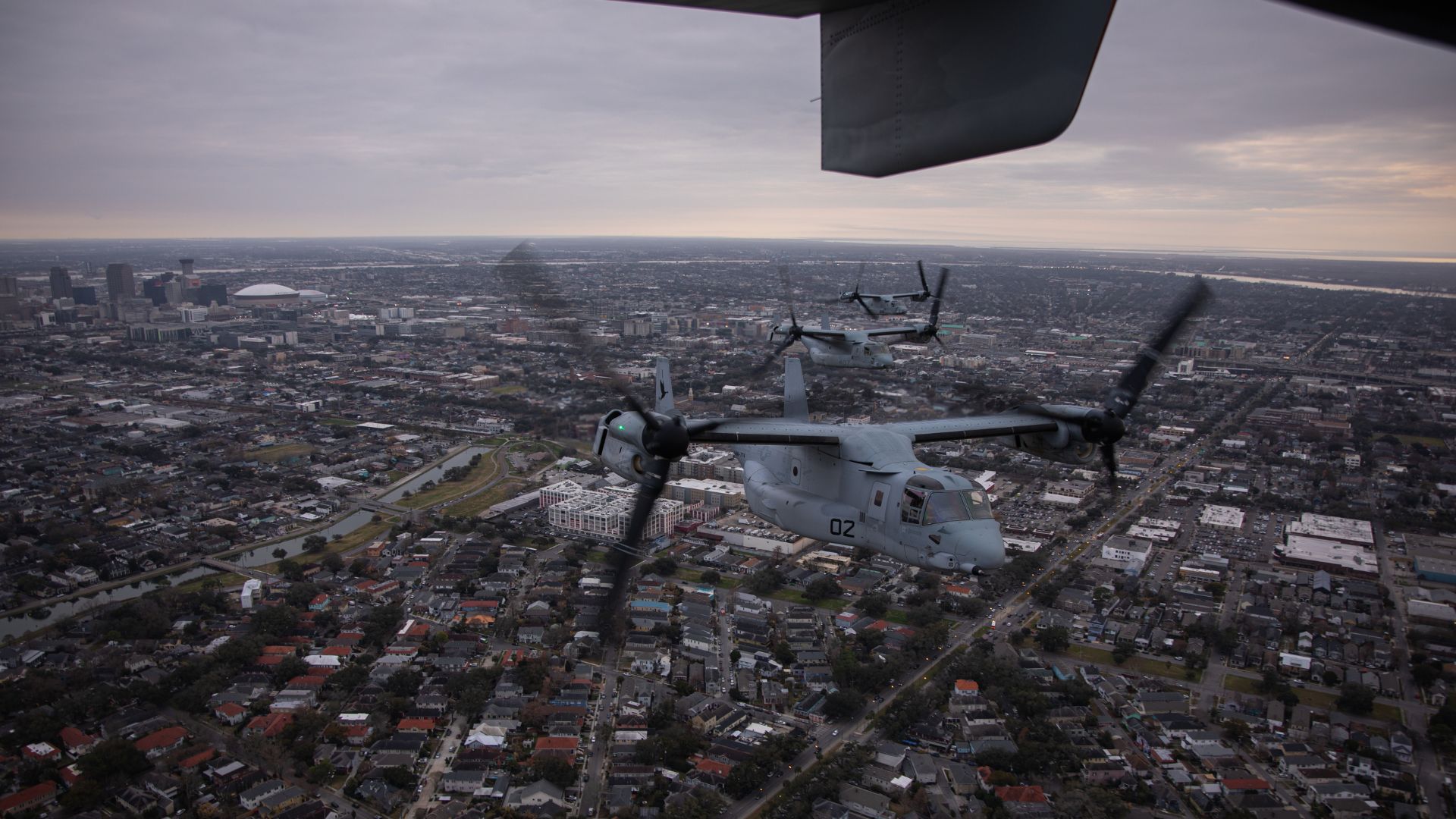
This enhanced mobility is crucial for supporting maritime and littoral operations and will enable the Marine Corps to maintain agility in any environment, particularly in areas with limited infrastructure or in contested regions.
3. Modernizing Aviation Logistics
To support operations in increasingly contested environments, the Marine Corps is modernizing its aviation logistics. This includes the creation of Maintenance Operations Centers to streamline aircraft-on-ground situations and accelerate supply chain processes.
Additionally, enhanced aviation logistics packages and the development of new sustainment practices will ensure that the Marine Corps can maintain readiness and effectively support Distributed Aviation Operations (DAO) and the Marine Air-Ground Task Force (MAGTF) at all times.
4. Marine Air Command and Control System (MACCS) Modernization
The plan calls for a transformation of air command and control capabilities, leveraging advanced technologies like the TPS-80 radar and Ground-Based Air Defense Systems. By modernizing the Marine Air Command and Control System (MACCS), the Marine Corps aims to improve situational awareness and coordination across the force, enabling more effective integration with joint and coalition operations, especially in support of Expeditionary Advance Base Operations (EABO).
5. Total Force Integration
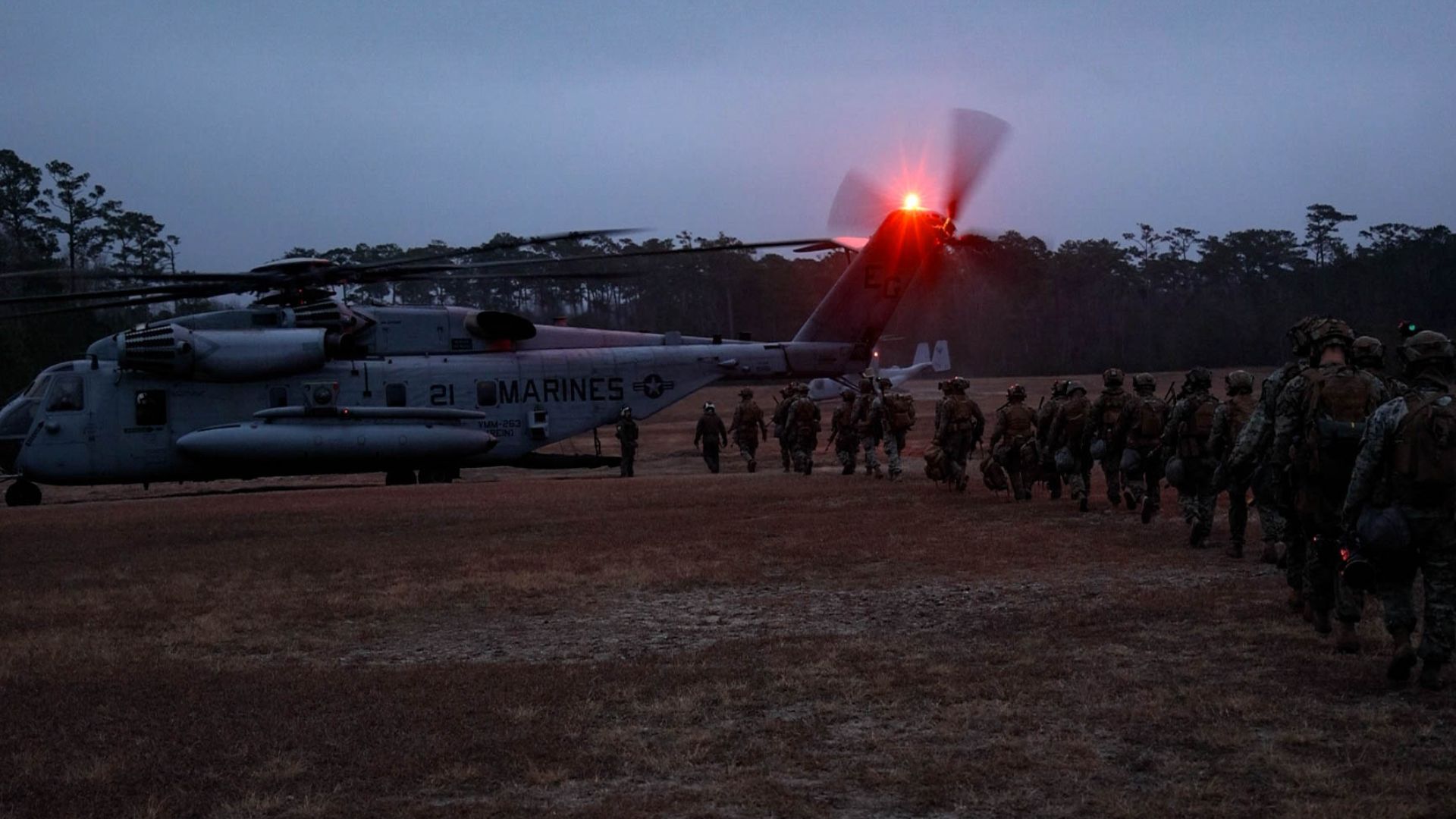
The plan also emphasizes the importance of integrating active-duty and reserve forces, particularly through collaboration with the 4th Marine Aircraft Wing. This integration will enhance operational flexibility, sustainment, and warfighting readiness across the total force, ensuring that Marine Aviation can respond to any operational demand, regardless of size or complexity.
A Bold Vision for the Future
The 2025 Marine Corps Aviation Plan represents a bold and comprehensive vision for the future of Marine Aviation. By focusing on technological innovation, modernized logistics, and enhanced force integration, the plan seeks to ensure that Marine Aviation remains agile, resilient, and capable of supporting the MAGTF throughout all stages of conflict.
With Project Eagle as the core strategy for modernization, the Marine Corps is positioning itself to maintain operational superiority and readiness in an increasingly complex and evolving global security environment.
“The 2025 Aviation Plan demonstrates our resolute dedication to maintaining operational superiority and ensuring we are always ready to project force, wherever and whenever needed,” Lt. Gen. Bradford Gering, Deputy Commandant for Aviation, noted.
With these advancements, Marine Aviation is poised to continue playing a central role in the United States’ military readiness and global strategic posture, ensuring that the Marine Corps remains prepared for the challenges of tomorrow’s battles.
You can read the full 2025 Aviation Plan document here.








COMMENTS