

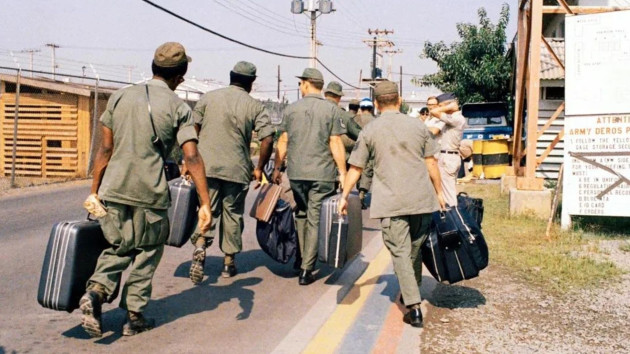
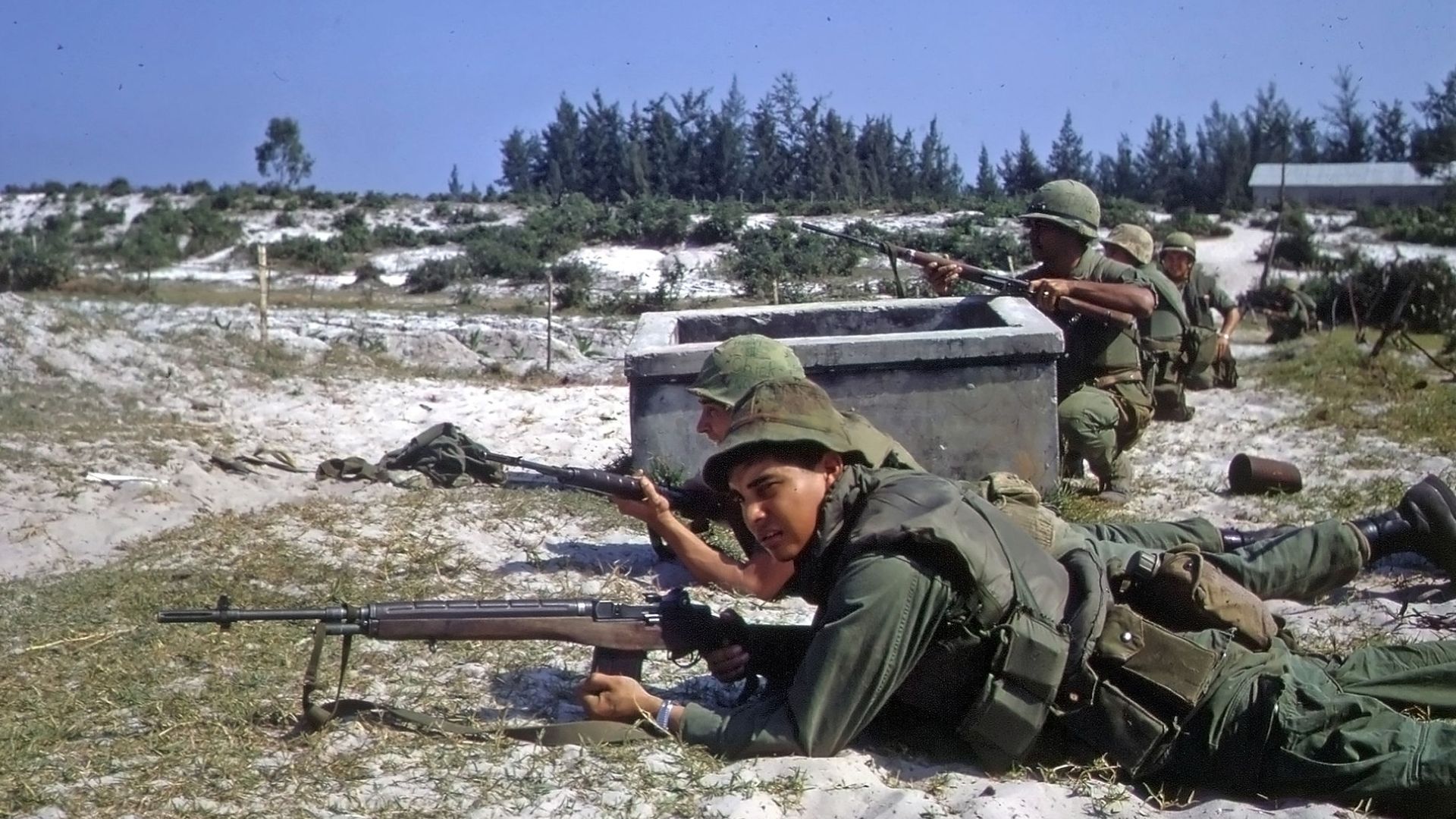
The last US combat unit, the 3rd Marine Amphibious Brigade, departed Da Nang on March 29, signaling the end of ground-war operations and the conclusion of America’s direct military role.
“Peace with Honor” and Its Limits
The departure came under the framework of the Paris Peace Accords, signed in January 1973. The accords called for a ceasefire, the release of US prisoners of war, and a total US withdrawal. North Vietnam pledged to respect South Vietnam’s sovereignty but continued to maneuver strategically behind the scenes.
Then-US President Richard Nixon hailed the accords as a “peace with honor,” but the reality quickly diverged from that promise. Within two years, North Vietnamese forces launched a conventional offensive that exploited ARVN weaknesses.
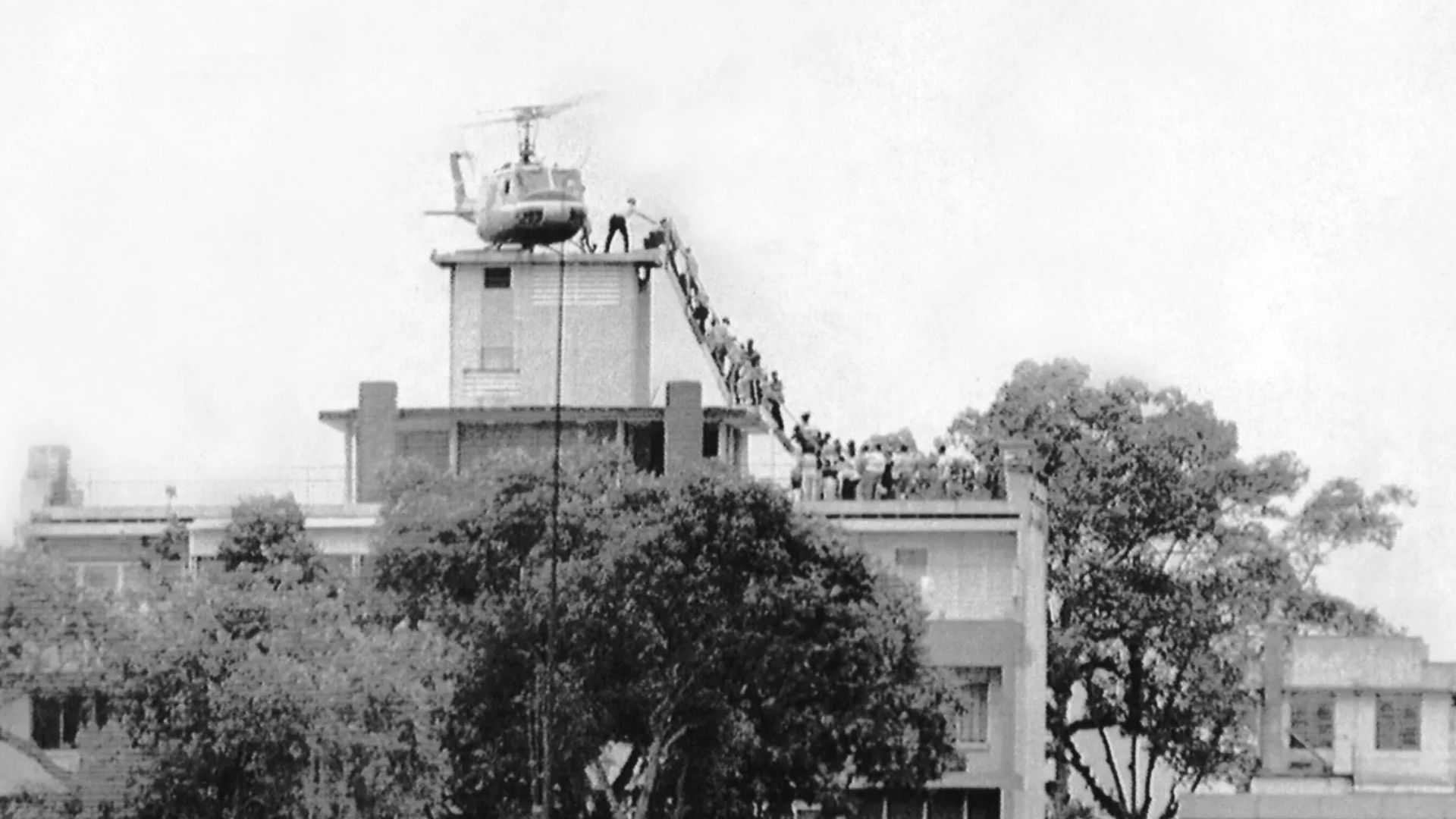
The rapid fall of Saigon in April 1975 closed the war decisively, leaving a bitter legacy for American policymakers and the troops who had fought in Southeast Asia.
Lessons That Echo Today
The Vietnam pullout reshaped American military and political thinking. The term “Vietnam syndrome” described the reluctance to commit ground forces abroad without clear objectives and exit strategies. Its influence rippled through US policy debates over interventions in Grenada, Lebanon, Iraq, Afghanistan, and now in the context of rising tensions with Iran.
Military planners study Vietnam to understand the limits of conventional force, the importance of local partnerships, and the dangers of political overreach.
Veterans returning from Vietnam faced a divided society. Many were met with indifference or hostility, forcing a re-evaluation of how the nation treated its servicemen and women.
Over the decades, institutions like the Veterans Administration (VA) expanded, advocacy groups grew, and memorials like the Vietnam Veterans Memorial in Washington, D.C., helped heal a wounded national conscience.
The human cost of war became inseparable from questions of strategy and national interest.
March 29 in Perspective
March 29, 1973, remains a milestone in American military history. It marks the end of US combat operations in a war that tested strategy, endurance, and political will.
Yet the day also underscores a persistent lesson: wars can conclude in a formal sense, but their consequences—political, military, and human—linger for decades.
As the United States watches tensions escalate in the Persian Gulf, the shadow of Vietnam informs every decision. Military planners weigh the risks of overextension, the durability of local partners, and the limits of foreign intervention.
The story of March 29, 1973, is more than history; it is a cautionary tale that shapes modern doctrine, operational planning, and public expectation.
On this day, the last Americans left the battlefield in Vietnam, carrying with them the weight of lives lost and a nation forever changed. Their departure reminds us that the cost of war is never measured solely in strategy or territory. It is measured in memory, in readiness, and in the lessons that guide decisions in conflicts yet to come.








COMMENTS