The discovery of the Titanic in 1985 by Robert Ballard was not just a scientific achievement but also part of a covert US Navy mission during the Cold War aimed at investigating lost submarines. This operation, shrouded in secrecy, utilized advanced technology developed for military purposes to locate the wreck, highlighting the intersection of science and national security.
Key points from this article:
The Titanic was discovered on September 1, 1985, by Robert Ballard's team using advanced imaging tools funded by the US Navy.
How the Navy's covert mission to investigate lost submarines, the USS Thresher and USS Scorpion, influenced the search for the Titanic, ensuring no sensitive technology could be exploited by the Soviets.
Why the discovery of the Titanic marked a turning point in marine archaeology, paving the way for future deep-sea exploration while remaining tied to Cold War geopolitics.
Updating summary...
How a Cold War Spy Mission Led to the Titanic’s Discovery
Guy D. McCardle
Speed
1x
Listen
COMMENTS
A secret Navy mission to track lost nuclear subs gave Robert Ballard the chance to uncover the Titanic in 1985.
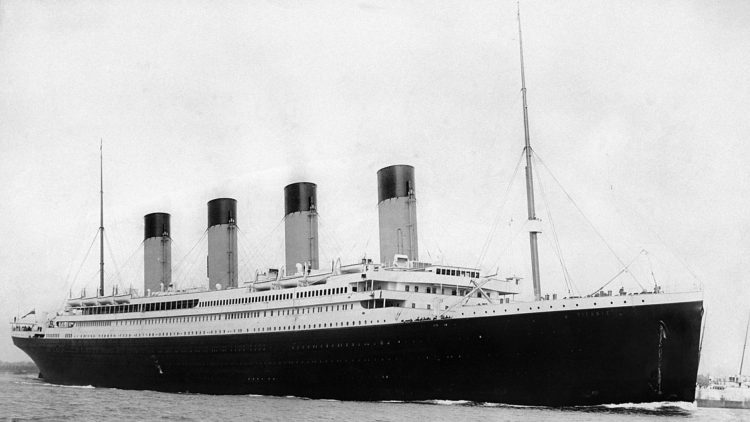
RMS Titanic departing Southampton on April 10, 1912. (Wikimedia Commons)
For more than seventy years, the wreck of the Titanic lay hidden in the depths of the North Atlantic. Countless attempts to find it had failed, leaving the site of one of history’s greatest maritime tragedies shrouded in mystery. That changed in 1985, when a team led by oceanographer Robert Ballard announced they had found the lost ship.
Advertisement
What the public did not know at the time was that the discovery was tied to a top-secret US Navy mission carried out in the heat of the Cold War.
The RMS Titanic sank in April 1912 after striking an iceberg, killing more than 1,500 passengers and crew. Its exact resting place remained unknown for decades, inspiring theories, expeditions, and even hoaxes. Meanwhile, during the Cold War, the US Navy faced its own maritime mysteries. Two nuclear submarines, the USS Thresher (SSN-593) and the USS Scorpion (SSN-589), had been lost in the Atlantic during the 1960s.
Beyond the human tragedy, the Navy worried about Soviet forces examining the wrecks and about radioactive contamination from the submarines’ reactors.
Advertisement
A Mission Hidden Beneath the Waves
In 1985, the Navy launched a covert mission to investigate these wrecks.
Officially, the operation was about advancing deep-sea research. In reality, it was a security-driven effort to study the remains of the Thresher and Scorpion, to confirm the cause of their losses, and to ensure no sensitive technology could be exploited by rival powers.
Advertisement
The task demanded new levels of deep-sea exploration, and the Navy needed advanced imaging tools to succeed.
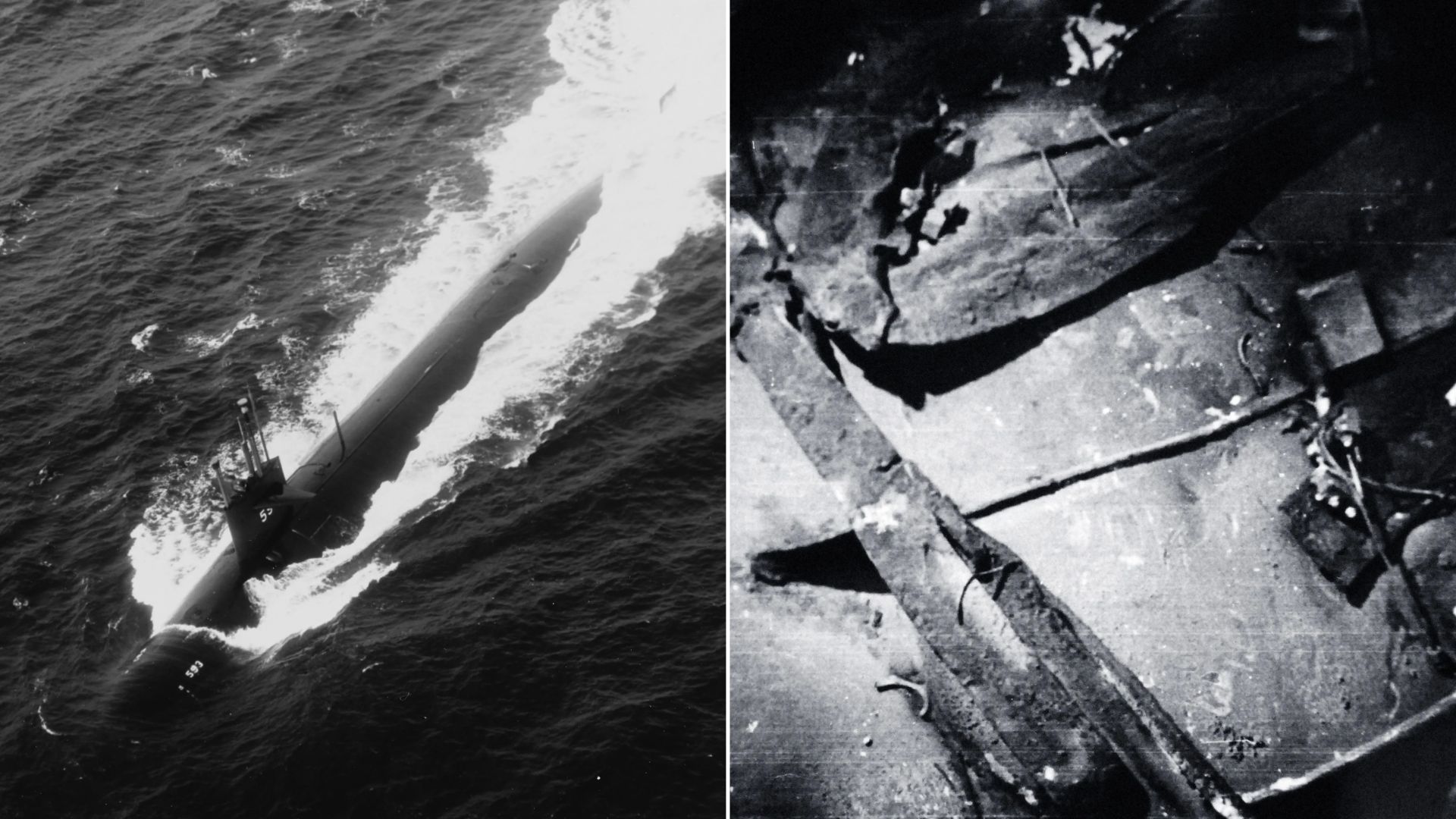
The USS Thresher and its wreck site, first discovered in August 1963. (US Navy/National Archive)
Enter Robert Ballard, an ambitious oceanographer with a background in naval operations.
Ballard had been developing a remote-controlled camera sled called Argo, capable of capturing detailed images of the ocean floor at extreme depths.
Advertisement
The Navy funded his technology for the submarine surveys, but Ballard had another goal in mind. He believed the Titanic could be located using the same tools. His insight came from recognizing how debris spreads across the seafloor in large fields, carried by currents. Instead of focusing only on the wreck itself, he searched for scattered remains that might lead him to the ship.
The Titanic as the Perfect Alibi
The Navy gave Ballard permission to search for the Titanic, but only under strict conditions. He would first need to complete the submarine surveys. If time remained, he could use the resources to hunt for the legendary liner. This arrangement gave the Navy a convenient cover story.
To the outside world, Ballard’s expedition was simply a scientific quest to solve a decades-old maritime mystery. In truth, the Titanic search provided a smokescreen for a mission focused squarely on Cold War security.
The Discovery
On September 1, 1985, after finishing his work on the submarines, Ballard’s team put Argo to the test. Towed behind a ship, the “camera on a string” scanned the seabed more than 12,000 feet below. Instead of finding the Titanic’s hull first, they spotted debris—chinas, metal fragments, and eventually the unmistakable outlines of the wreck.
When news broke, it sparked international headlines.
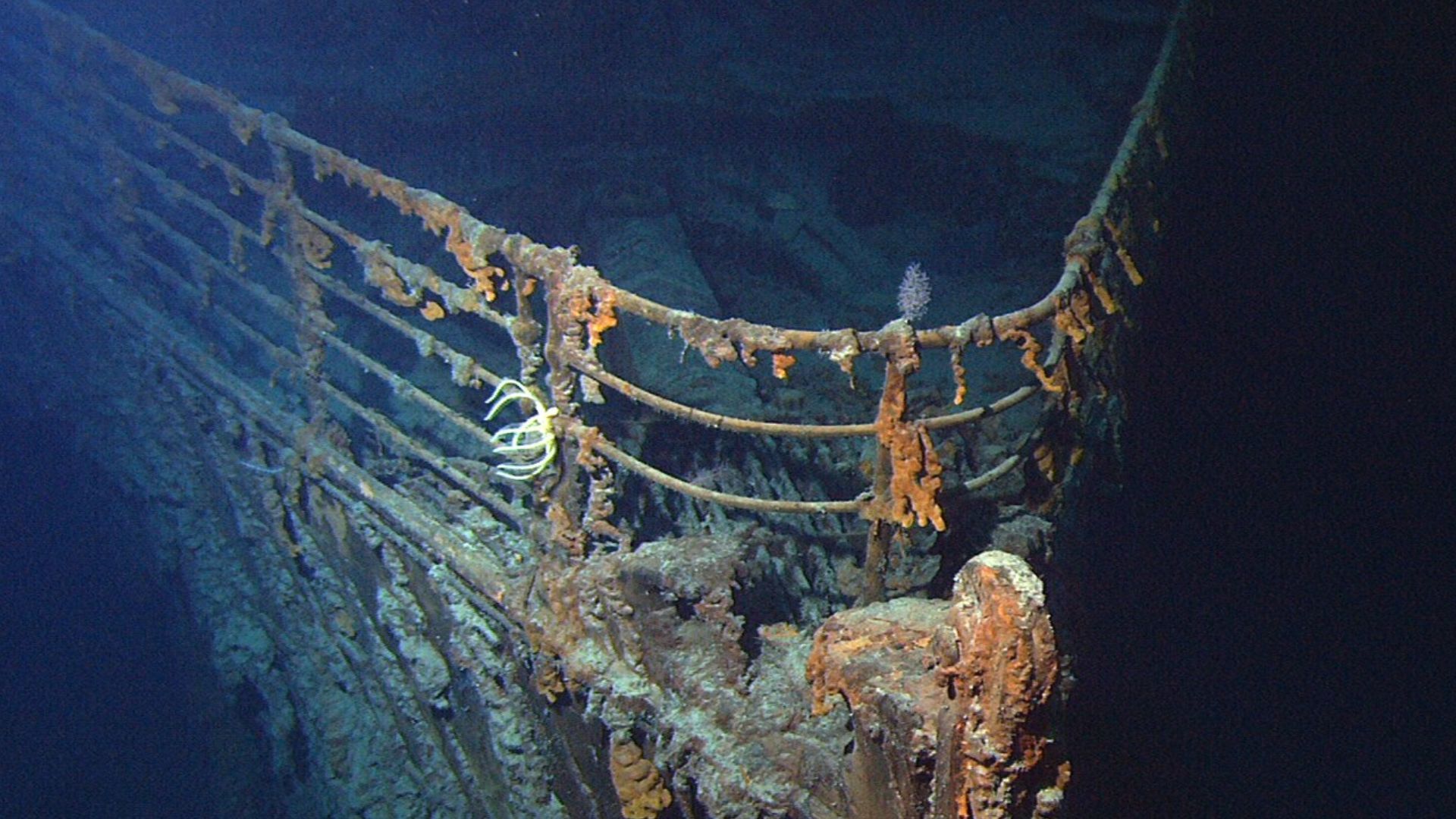
Bow of RMS Titanic photographed by ROV Hercules during a 2004 expedition. (Wikimedia Commons)
The Titanic had finally been found, and Ballard became a household name. What stayed hidden was that the Navy’s classified operation had made the discovery possible.
A Story Half-Told
For years, the Navy refused to confirm its role in the expedition. The public celebrated the Titanic’s rediscovery, while the true military objectives remained buried in secrecy.
Only later did Ballard reveal that his celebrated mission had been part of a broader Cold War effort.
Beyond its dramatic backstory, the find marked a turning point in marine archaeology. The techniques pioneered during the mission paved the way for future deep-sea exploration, from historic shipwrecks to environmental studies.
“They did not want the world to know that, so I had to have a cover story,” Ballard would later state.
The discovery of the Titanic was more than a triumph of science. It was also a product of Cold War geopolitics, born out of a military mission that demanded secrecy and innovation.
Ballard’s team solved a mystery that had haunted the world for decades, but only by leveraging technology and resources intended for national security.
The Titanic’s rediscovery stands as a reminder of how history’s greatest breakthroughs often emerge at the intersection of science, strategy, and circumstance.
Advertisement
What readers are saying
Generating a quick summary of the conversation...
This summary is AI-generated. AI can make mistakes and this summary is not a replacement for reading the comments.










COMMENTS