Jewish American Heritage Month highlights the extraordinary life of Tibor 'Ted' Rubin, a Holocaust survivor and Medal of Honor recipient who displayed remarkable bravery during the Korean War. His story reflects resilience and selflessness, as he risked his life to save fellow soldiers during his time as a POW.
Key points from this article:
The article commemorates Tibor 'Ted' Rubin, a Holocaust survivor and Medal of Honor recipient, whose life exemplifies resilience and patriotism.
How Rubin's actions during the Korean War, including single-handedly defending positions and caring for fellow POWs, saved over 40 lives and showcased his extraordinary bravery.
Why Rubin's delayed recognition for the Medal of Honor due to antisemitism highlights the challenges faced by Jewish Americans in the military, which was finally rectified in 2005 by President George W. Bush.
Updating summary...
Medal of Honor Monday: Army Corporal Tibor “Ted” Rubin
SOFREP News Team
Speed
1x
Listen
COMMENTS
He survived the Holocaust, became a US war hero, and saved dozens as a POW. Tibor Rubin’s story is one of grit, grace, and true courage.
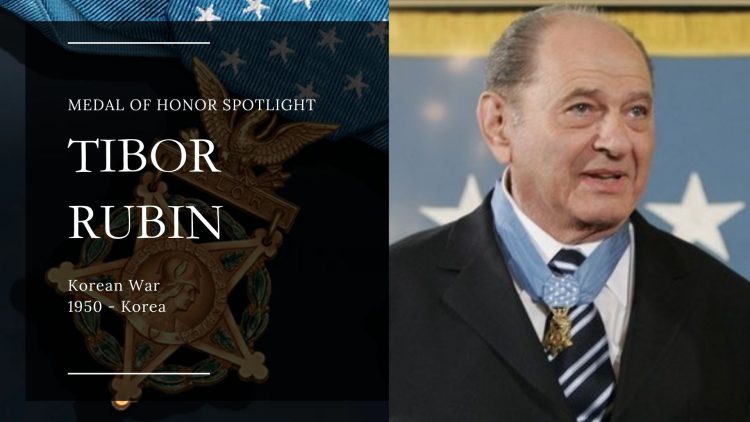
Rubin wearing the Medal of Honor at his White House ceremony in September 2005. (Wikimedia Commons)
In May, we recognize Jewish American Heritage Month—an opportunity to honor the remarkable contributions of Jewish Americans in every walk of life. Among the most inspiring is the story of US Army Corporal Tibor “Ted” Rubin, a Holocaust survivor, immigrant, Korean War hero, and Medal of Honor recipient. His life reflects unparalleled resilience, selflessness, and patriotism.
Advertisement
From Holocaust Survivor to American Soldier
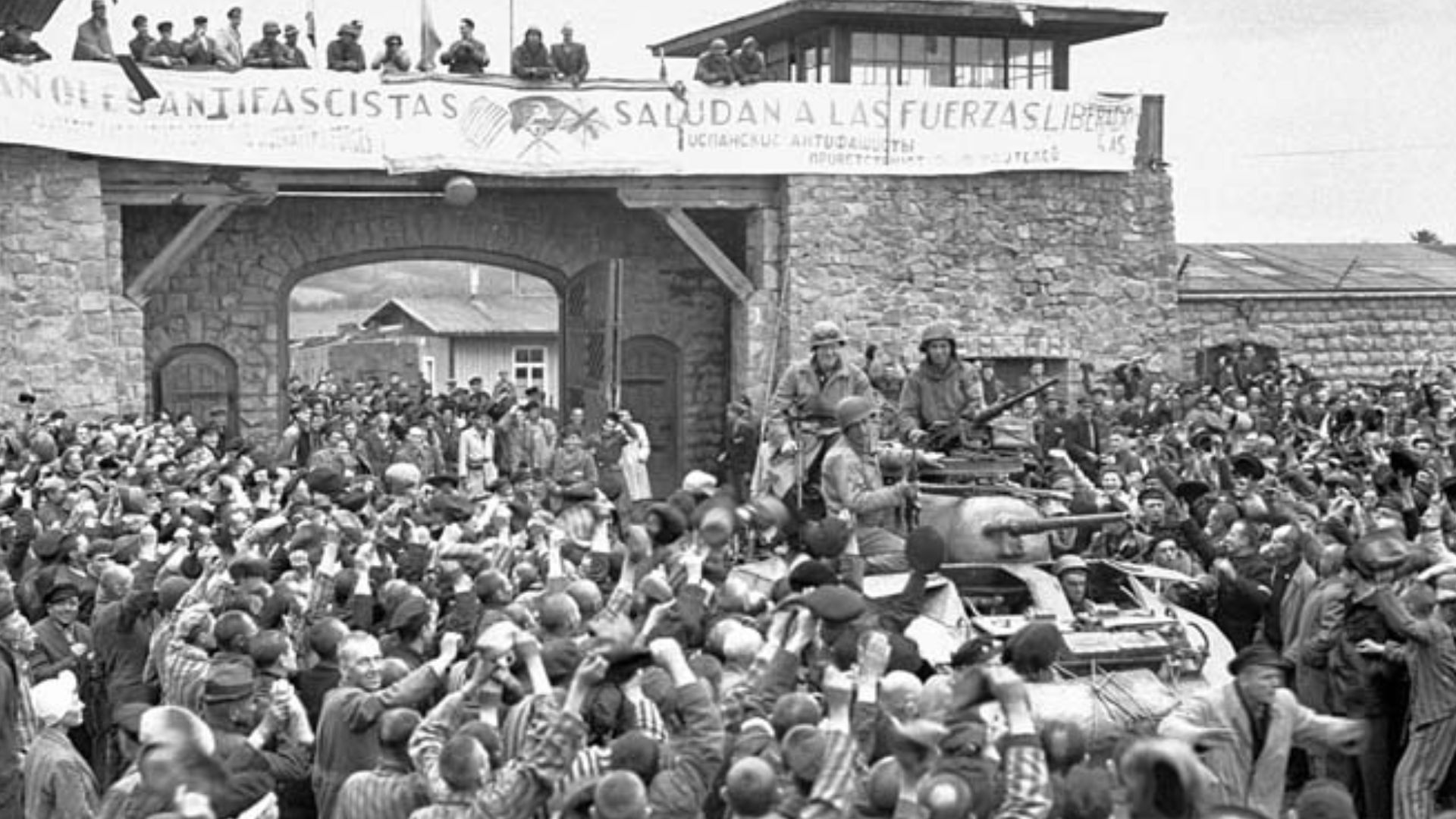
Tibor Rubin was born on June 18, 1929, in Pásztó, Hungary, to a Jewish family. As a teenager during World War II, Rubin was captured by the Nazis and sent to the infamous Mauthausen Concentration Camp in Austria. He would later credit American troops with liberating the camp and inspiring his devotion to the United States.
In 1948, Ted immigrated to America, eager to repay what he saw as a life-saving debt. Just two years later, he enlisted in the US Army, still working to master English and embrace his new homeland.
Ted’s early military journey was not without difficulty. Some superiors discriminated against him for his Jewish faith and thick accent. Nonetheless, the young Rubin persevered, determined to serve the country, and joined the Army that “liberated him from hell on earth.”
Advertisement
An M8 Greyhound from the US Army’s 11th Armored Division rolls into Mauthausen, 1945. A banner declares: “Anti-fascist Spaniards salute the liberators.” (National Archives)
Heroism in Korea
Ted Rubin was assigned to Company I, 8th Cavalry Regiment, 1st Cavalry Division, and deployed to the frontlines of the Korean War in 1950. There, he demonstrated extraordinary bravery in several actions across the Pusan Perimeter and later near Unsan.
On multiple occasions, Rubin single-handedly defended strategic positions against overwhelming enemy forces. In one standout episode, he manned a machine gun for 24 hours alone, holding off a North Korean assault to allow his unit to retreat. His courage undoubtedly saved many American lives.
Advertisement
Later, when he was captured by Chinese forces, Rubin spent 30 brutal months as a prisoner of war (POW). In captivity, he repeatedly risked beatings and death by sneaking out of the POW camp at night to gather food and medicine for his fellow soldiers. He nursed the sick, shared his rations, and lifted the spirits of others. Fellow POWs credited Rubin with saving over 40 lives through his quiet but unwavering humanitarian efforts.
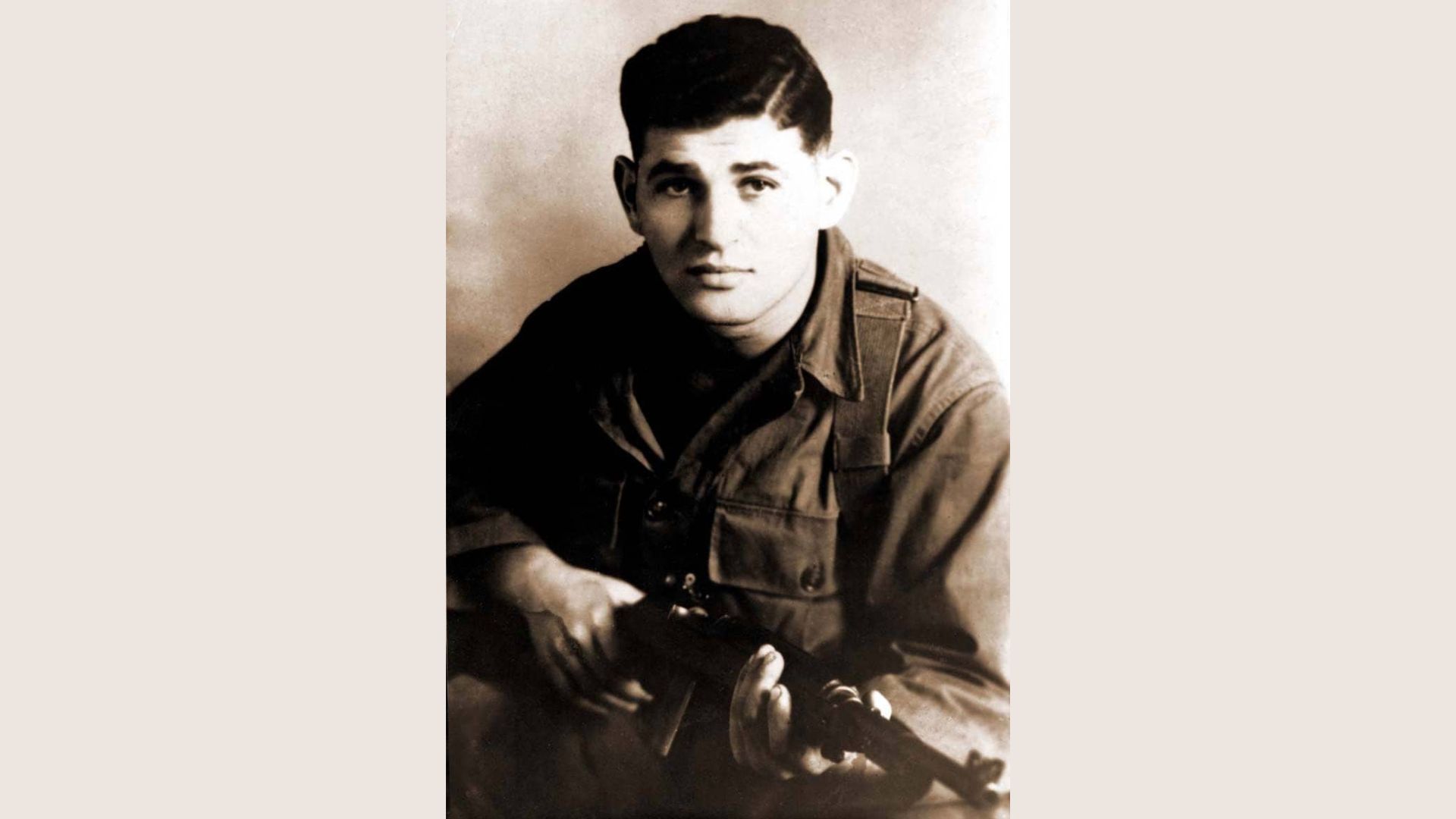
Portrait of a young Tibor Rubin, who served as a rifleman in the Korean War with Company I, 8th Cavalry Regiment, 1st Cavalry Division. (US Army)
Delayed Recognition—and Justice
Despite numerous recommendations for the Medal of Honor from his commanding officers and comrades, Rubin’s award was delayed for decades.
Investigations later confirmed that antisemitism among his superiors played a major role in blocking the nomination.
Advertisement
That wrong was finally rectified in 2005 when President George W. Bush awarded Rubin the Medal of Honor during a White House ceremony.
Rubin accepted it humbly, dedicating it to his fallen brothers-in-arms and the country he loved.
Below is an excerpt from Rubin’s Medal of Honor citation:
“[…] Choosing to remain in the prison camp despite offers from the Chinese to return him to his native Hungary, Corporal Rubin disregarded his own personal safety and immediately began sneaking out of the camp at night in search of food for his comrades. Breaking into enemy food storehouses and gardens, he risked certain torture or death if caught. Corporal Rubin provided not only food to the starving Soldiers, but also desperately needed medical care and moral support for the sick and wounded of the POW camp.”
Life After Service and Enduring Legacy
After the war, Rubin settled in Garden Grove, California, where he raised a family and lived a quiet life of service. He volunteered for over 20 years at a Department of Veterans Affairs (VA) hospital, helping fellow veterans navigate care and find community.
Ted Rubin became a symbol of kindness, patriotism, and perseverance.
Rubin passed away on December 5, 2015. He was 86.
In 2016, the Long Beach VA Medical Center was renamed the Tibor Rubin VA Medical Center in his honor—a fitting tribute to a man who served others both in combat and in peace.
Final Thoughts
Tibor Rubin didn’t just survive hell… he charged back through it to save others. From Nazi death camp to US Army tank killer to POW camp lifeline, his story hits like a gut punch and lifts like a battle cry.
This Medal of Honor Monday, we honor a man who redefined toughness—not by how many enemies he dropped, but by how many lives he saved.
Ted Rubin lived the American spirit with grit, loyalty, and heart.
Advertisement
What readers are saying
Generating a quick summary of the conversation...
This summary is AI-generated. AI can make mistakes and this summary is not a replacement for reading the comments.










COMMENTS