

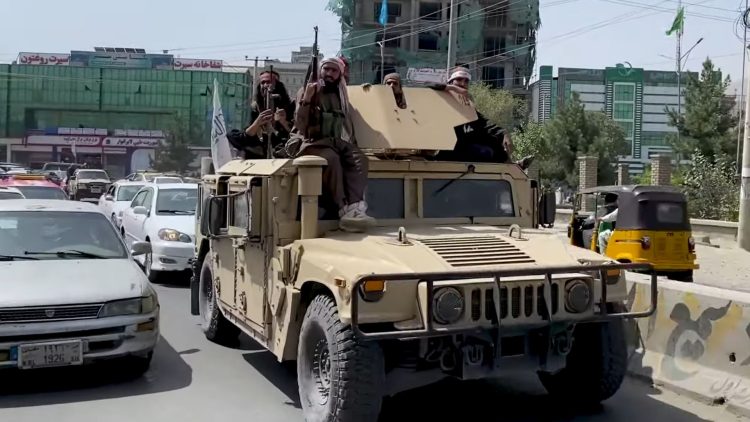
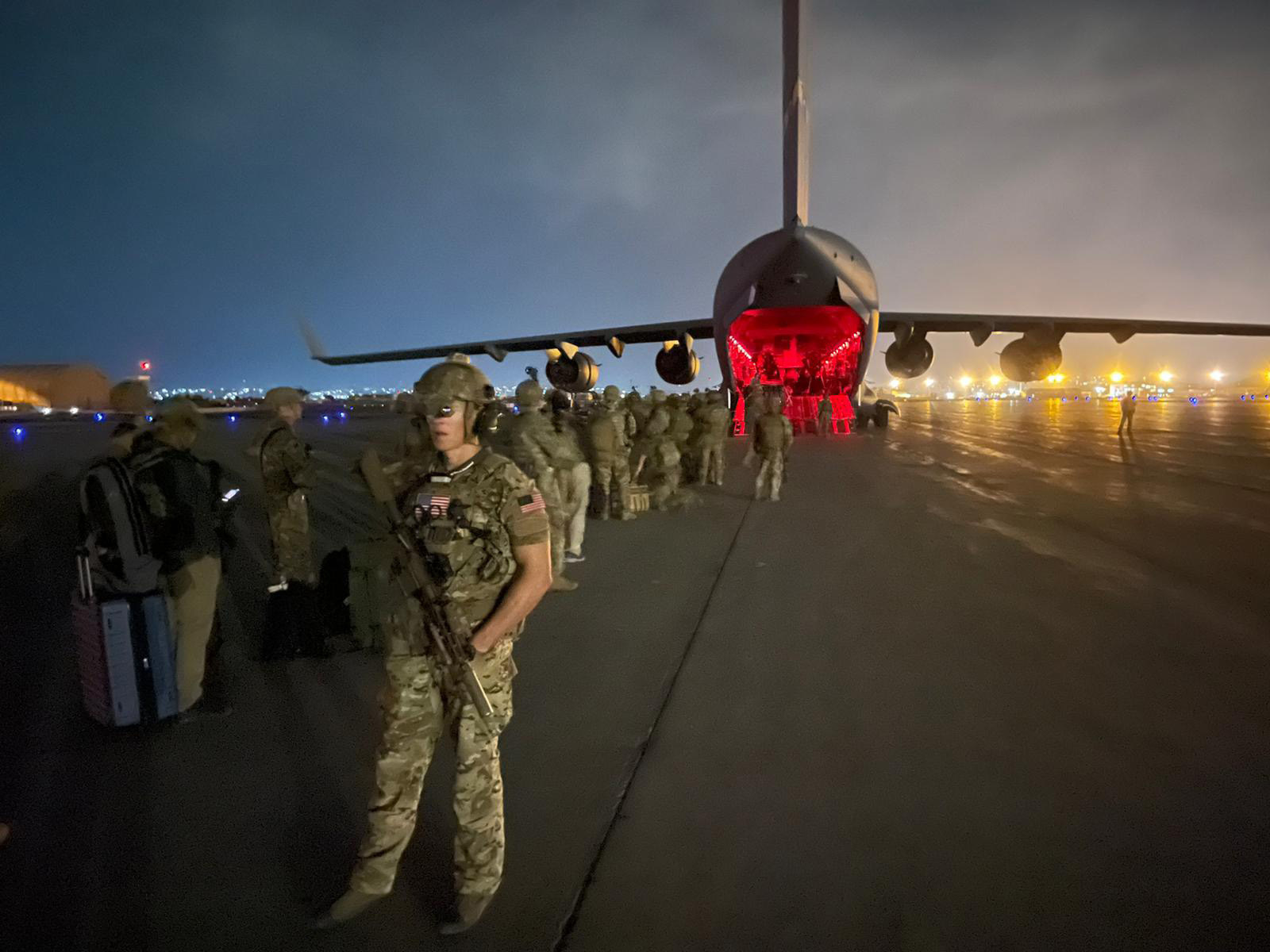
The lessons of August 30 remain debated. The collapse of the Afghan government showed the fragility of state-building efforts when local institutions lack legitimacy and popular support. The evacuation revealed both the logistical capacity of the US military and the immense human consequences of abrupt policy shifts.
And the Taliban’s return to power underscored the persistence of regional conflicts that resist simple solutions.
Other Historic Events on August 30
1941 – The Siege of Leningrad Tightens
During World War II, German forces advancing through the Soviet Union cut off the last rail line out of Leningrad. This action effectively sealed the city, setting the stage for the Siege of Leningrad, one of the longest and most devastating blockades in modern history.
Lasting nearly 900 days, the siege caused mass starvation and killed an estimated one million civilians. Despite unimaginable suffering, the Soviet population endured, and Leningrad never surrendered.
The endurance of the city became a symbol of Soviet resistance against Nazi Germany.
1945 – MacArthur Arrives in Japan
Just days after Japan’s surrender in World War II, US General Douglas MacArthur arrived in Japan to establish the Allied occupation headquarters. His mission was not only to demilitarize the nation but also to lay the foundation for a democratic transformation.
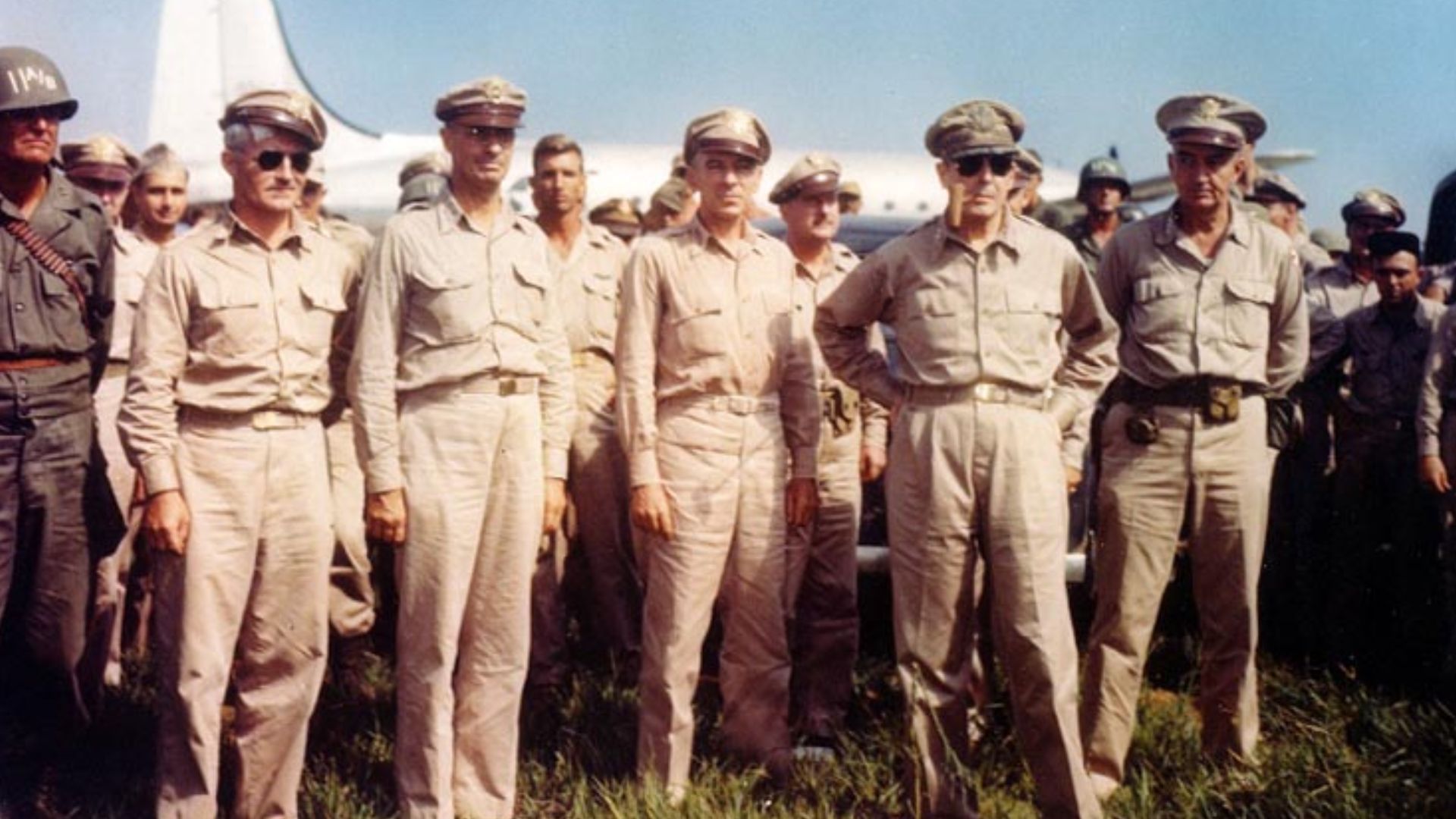
Under his leadership, Japan adopted a new constitution, reformed its education system, and rebuilt its economy. MacArthur’s arrival marked the beginning of a profound shift in East Asia, as Japan evolved from wartime aggressor to a key US ally in the Pacific.
1963 – The “Hot Line” Goes Live
In the tense years of the Cold War, communication between Washington and Moscow often suffered from delays and misunderstandings. To reduce the risk of nuclear war caused by miscalculation, the United States and Soviet Union established the “Hot Line,” a direct and secure communications link between the White House and the Kremlin.
Activated on August 30, 1963, it symbolized an important step toward preventing accidental escalation, especially after the Cuban Missile Crisis had brought the world to the brink of nuclear war just a year earlier.
2005 – New Orleans Underwater
A day after Hurricane Katrina struck the US Gulf Coast, New Orleans faced catastrophic flooding. With levees breached, about 80 percent of the city lay underwater. Rescue operations intensified as helicopters and boats plucked stranded residents from rooftops. At the same time, looting spread through the city, reflecting both desperation and the breakdown of order.
The disaster exposed deep vulnerabilities in America’s disaster response systems and highlighted inequalities, as the poorest communities suffered most.
In the aftermath, Katrina became both a humanitarian tragedy and a case study in the importance of preparedness and resilience.
Reflections on August 30
The events of August 30, spread across decades and continents, reveal a recurring theme: moments of crisis that reshape nations.
The US departure from Afghanistan underscored the challenges of foreign intervention and the limits of military power in remaking societies. The Siege of Leningrad highlighted human endurance under catastrophic conditions. MacArthur’s arrival in Japan showed how occupation could lay the groundwork for rebirth, while the “Hot Line” demonstrated the necessity of communication in a nuclear age. Hurricane Katrina reminded the world of nature’s destructive force and the human cost of inadequate preparation.
Each of these events reflects a turning point in history, marked by hardship, resilience, or transformation. August 30 is not just a date on the calendar as it is also a reminder of how quickly circumstances can change, and how those changes ripple across generations.








COMMENTS