

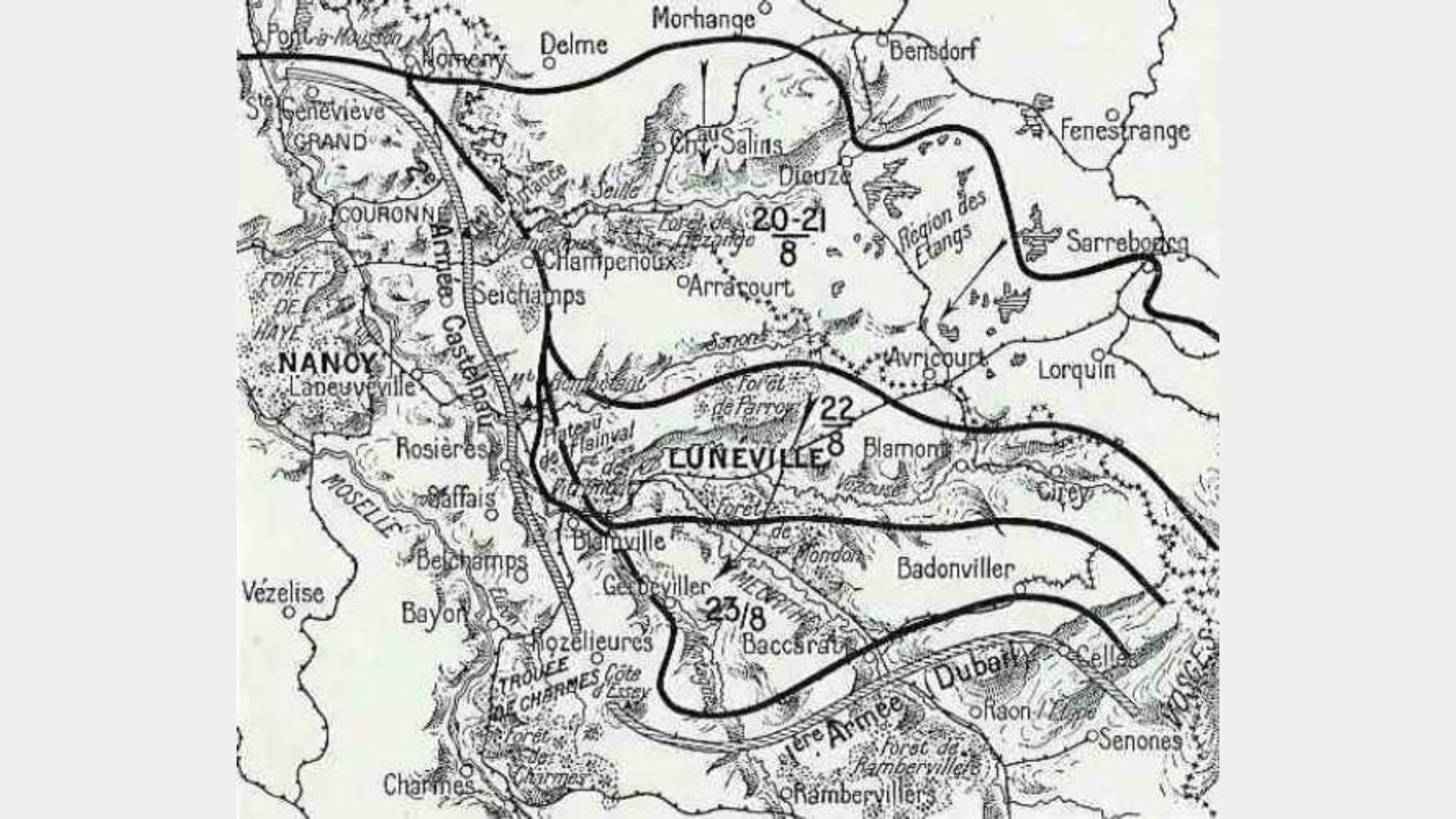
It was on August 24 that the retreat turned into a broader withdrawal. French forces fell back toward the Moselle River, abandoning hopes of breaking through into Germany. The day marked the collapse of the Lorraine offensive, with French casualties mounting into the tens of thousands. German troops regained ground and pressed the French lines westward, underscoring how quickly early-war offensives could crumble in the face of modern firepower.
The Battle of Lorraine, fought from August 14–25, ended in failure for France. While it secured German control of the region for the moment, it also locked both sides into the grinding logic of trench warfare.
The clash highlighted the deadly mismatch between 19th-century offensive doctrines and 20th-century weapons, setting the stage for four years of attrition on the Western Front.
The Battle of the Eastern Solomons, 1942
August 24, 1942, brought the third major carrier battle of World War II, and a turning point in the struggle for control of the Pacific.
The Battle of the Eastern Solomons unfolded in the midst of the Guadalcanal campaign, where US Marines had seized an airfield critical to Japanese ambitions in the South Pacific. Determined to dislodge the Americans, Japan dispatched reinforcements and carriers to cover their advance.
American coastwatchers hidden in the Solomon Islands reported the Japanese movements, giving U.S. commanders advance warning. Two US carriers, USS Enterprise (CV-6) and USS Saratoga (CV-3), with their escorts, maneuvered into position to intercept.
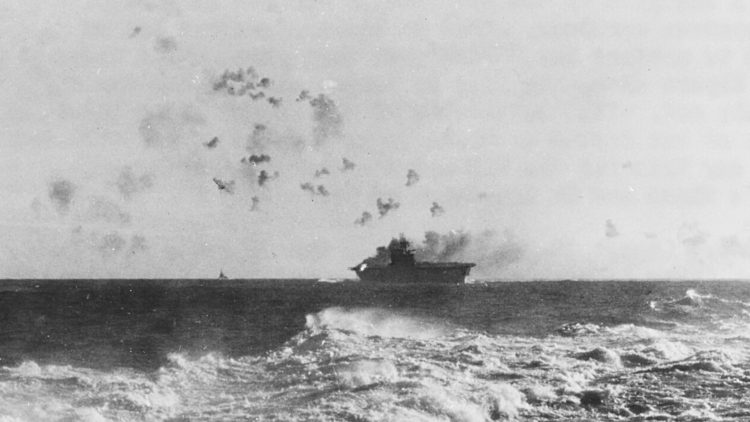
On August 24, aircraft from both sides launched waves of strikes. American dive-bombers scored hits on the Japanese light carrier Ryūjō, crippling her before she sank. Japanese aircraft retaliated, managing to land damaging blows on USS Enterprise, which took three bomb hits but stayed afloat thanks to damage control crews.
The air battle was fierce. Japan lost dozens of planes and, more importantly, experienced pilots it could not easily replace. The US Navy, though bloodied, maintained its carrier strength and prevented Japanese reinforcements from reaching Guadalcanal.
The Japanese convoy ultimately turned back, leaving the Marines on the island in control of Henderson Field.
The Eastern Solomons did not deliver a knockout blow, but it was a strategic American victory. It stalled Japanese efforts to retake Guadalcanal, preserved US naval presence in the South Pacific, and reinforced the growing American advantage in carrier warfare. The loss of skilled Japanese aviators further eroded Japan’s ability to mount offensive operations, a trend that would deepen with each subsequent battle.
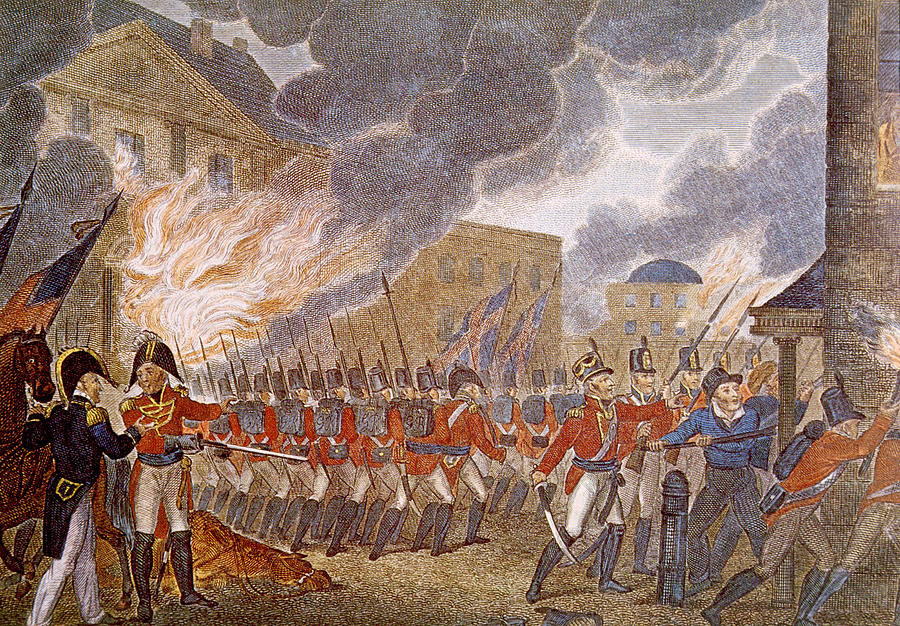
From torched government buildings in Washington to trenches in Lorraine and warships clashing near the Solomons, August 24 has witnessed moments that tested nations and redirected wars.
Each battle, separated by a century and a world apart, offers a reminder of how quickly the tide of conflict can shift, and how the lessons of the past remain relevant to understanding the costs and consequences of war today.








COMMENTS