September 4, 1941: USS Greer trades fire with U-652—the first US-German clash at sea, pushing America closer to World War II.
Read the full article for more on:
Important insights and detailed analysis
Expert commentary on current events
Breaking developments and updates
Updating summary...
Today in History: USS Greer Fires Back at German U-Boat, September 4
Guy D. McCardle
Speed
1x
Listen
COMMENTS
September 4, 1941: USS Greer trades fire with U-652—the first US-German clash at sea, pushing America closer to World War II.
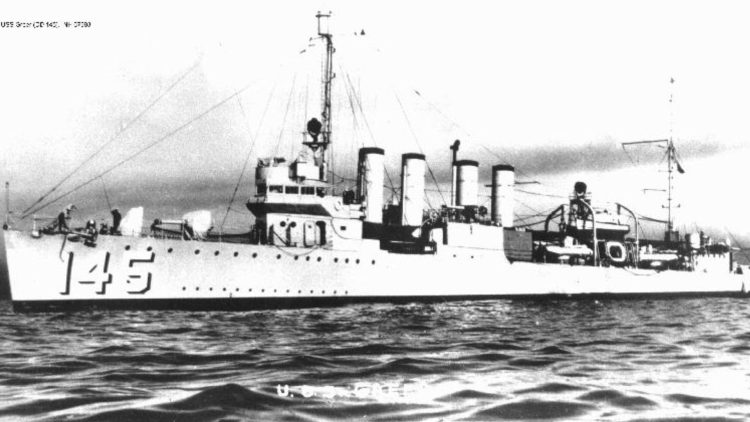
USS Greer (DD–145), a Wickes-class destroyer. (Wikimedia Commons)
On September 4, 1941, a tense and historic drama unfolded in the icy waters of the North Atlantic near Iceland, signaling a turning point in the escalating clash between the United States and Nazi Germany long before America formally entered World War II. The protagonists: the USS Greer (DD–145), an American destroyer en route to Iceland with mail and supplies, and the German submarine U-652, prowling the seas with deadly intent.
Advertisement
The USS Greer received a warning at dawn from a British bomber spotting a submerged German U-boat ahead. Acting on this intelligence, the Greer began to track the submarine using its underwater sound equipment, maintaining contact and repeatedly broadcasting the U-boat’s position to allied aircraft, which dropped depth charges in the submarine’s vicinity. This pursuit lasted over three hours, with the Greer maneuvering to keep the submarine ahead.
The situation escalated when U-652 abruptly changed course and fired torpedoes at the Greer, although none struck the American destroyer. In response, the Greer launched its own depth charge attacks against the submarine. Over the course of the encounter, neither side inflicted damage, but the exchange marked the first open act of force between the United States and Germany on the seas.
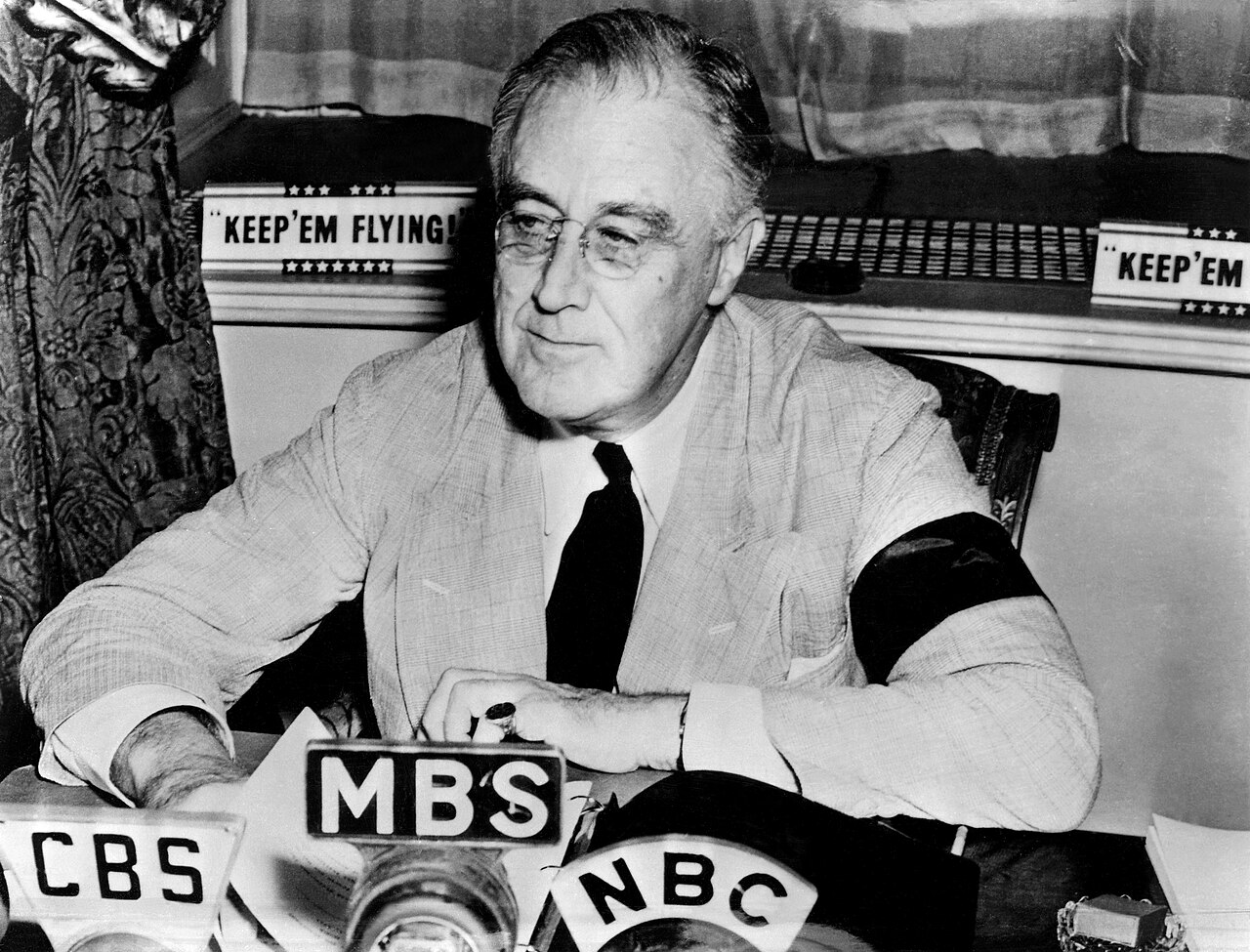
President Franklin D. Roosevelt seized on the incident to frame a new naval policy. In a highly publicized “fireside chat” nearly a week later, Roosevelt declared the German attack an act of “piracy,” emphasizing that the USS Greer was unmistakably an American ship and that the German submarine had deliberately fired first without warning. As a direct consequence, Roosevelt issued the “shoot-on-sight” order, empowering American naval and air forces to attack German and Italian vessels in waters deemed vital to U.S. defense.
Advertisement
Roosevelt delivers fireside chat, September 11, 1941. (National Archives)
The decision escalated the undeclared naval war in the Atlantic as the U.S. moved closer to active combat in Europe. Roosevelt made it clear that while the United States sought only defense, any Axis warship entering strategic waters did so “at their own peril,” signaling a shift from cautious neutrality to assertive protection of American interests.
“It is no act of war on our part when we decide to protect the seas (which) that are vital to American defense. The aggression is not ours. Ours is solely defense,” said Roosevelt in a 1941 speech days after the Greer Incident. “But let this warning be clear. From now on, if German or Italian vessels of war enter the waters, the protection of which is necessary for American defense, they do so at their own peril.”
Later investigations clarified that the USS Greer had actively hunted the submarine and relayed its position for hours before the first torpedo was launched by U-652, which survived the encounter and continued its wartime operations. Despite criticisms from isolationists who viewed Roosevelt’s account as partial, the incident was pivotal in rallying public support for an expanded U.S. naval role and safeguarding critical Lend-Lease supply routes to Allied forces.
Advertisement
Thus, the September 4, 1941, clash between the USS Greer and U-652 was more than just a firefight on the high seas, as it was also the prelude to America’s full engagement in World War II, marked by the courage of a single destroyer challenging the lethal menace of the U-boat under the cold Northern skies.
Other September 4 Military Milestones
1812 – Siege of Fort Harrison
A band of Native American warriors, allied with the British, attacked Fort Harrison near present-day Terre Haute, Indiana.
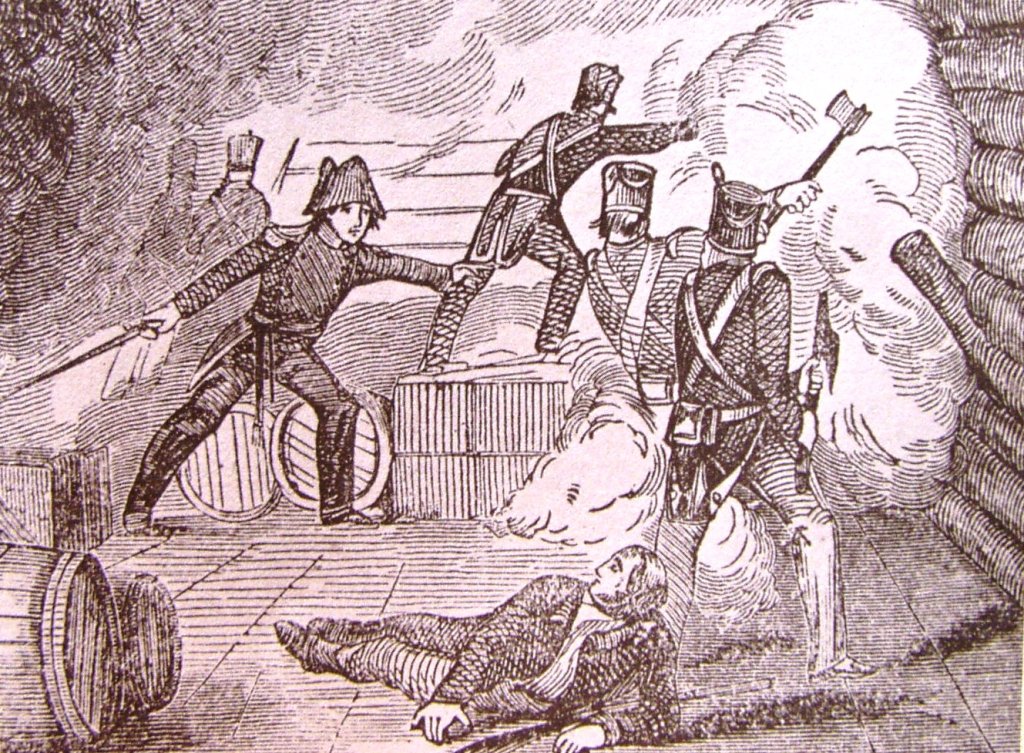
Inside the small frontier post, Captain Zachary Taylor commanded barely 50 men—many sick with fever. The attackers set fire to the blockhouse, threatening to burn the fort to the ground.
Advertisement
Taylor rallied his weakened garrison, organized bucket brigades, and kept the defenses intact through the night. By morning, the attackers withdrew.
Wood engraving of Zachary Taylor defending Fort Harrison, 1812. (Wikimedia Commons)
The stand became one of the first notable U.S. victories of the War of 1812, earning Taylor early recognition for his leadership under pressure.
1886 – Geronimo Captured
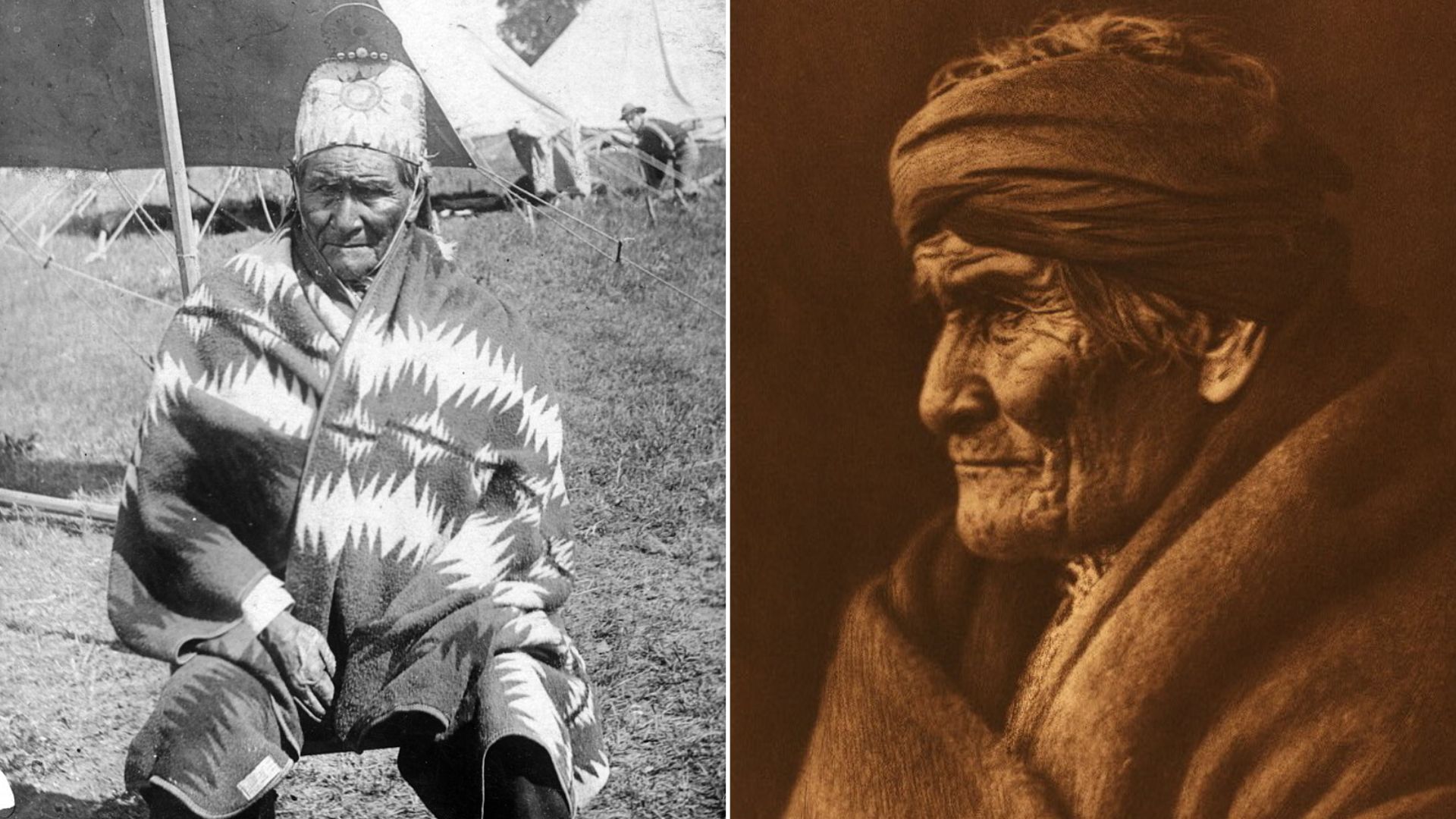
After years of raids and elusive escapes, Apache leader Geronimo finally surrendered on September 4, 1886, in the mountains of Arizona.
Hounded by thousands of U.S. and Mexican troops, Geronimo’s band had dwindled to fewer than 40 followers. His capture ended the last major armed Native resistance in the American Southwest.
Sent first to Florida and later to Fort Sill, Oklahoma, Geronimo lived out his final years as both prisoner and legend. He died in 1909, remembered as a symbol of defiance and survival against overwhelming odds.
Geronimo, 1905. (Wikimedia Commons)
1939 – Skirmishes at the Start of WWII
Just days after Britain and France declared war on Germany, the quiet front erupted in small but symbolic clashes.
Along the Maginot Line, French patrols traded fire with German troops across the border, testing the defenses of Europe’s most fortified line. At sea, the RAF Bomber Command launched its first combat mission, targeting German warships at Wilhelmshaven. The attack was bold but costly—several British bombers were shot down or lost, underscoring how dangerous daylight raids over well-defended targets would be.
These early moves showed both sides probing for advantage in a war that had only just begun.
1944 – Liberation of Antwerp
On September 4, 1944, British forces swept into Antwerp, Belgium, capturing the city and its sprawling port almost intact.
Antwerp was a prize: its deep-water harbor could handle the massive flow of supplies needed to fuel the Allied drive into Germany. But success came with a critical oversight.
The nearby Scheldt Estuary, a maze of waterways leading from the North Sea to the port, remained under German control. Without clearing the estuary, Antwerp’s docks were useless.
The delay forced the Allies to rely on the long, overburdened supply lines back to Normandy. Not until the costly Battle of the Scheldt two months later would the estuary be secured, unlocking Antwerp’s potential. The missed opportunity slowed the Allied advance and highlighted how strategy could falter even in victory.
1945 – Battle of Lingbi
With Japan’s surrender ending World War II, China’s uneasy alliance collapsed almost immediately.
On September 4, 1945, fighting broke out in Lingbi County, Anhui Province, between Chiang Kai-shek’s Nationalist forces and Mao Zedong’s Communists. Both sides rushed to reclaim Japanese-occupied territory and secure arms stockpiles, turning former battlegrounds of the Sino-Japanese War into fresh fronts of the Chinese Civil War.
The clash at Lingbi marked one of the first major postwar engagements, a sign that peace would not last.
Within months, the conflict spread nationwide, leading to four years of brutal fighting and ultimately reshaping China’s destiny with the Communist victory in 1949.
Advertisement
What readers are saying
Generating a quick summary of the conversation...
This summary is AI-generated. AI can make mistakes and this summary is not a replacement for reading the comments.










COMMENTS