

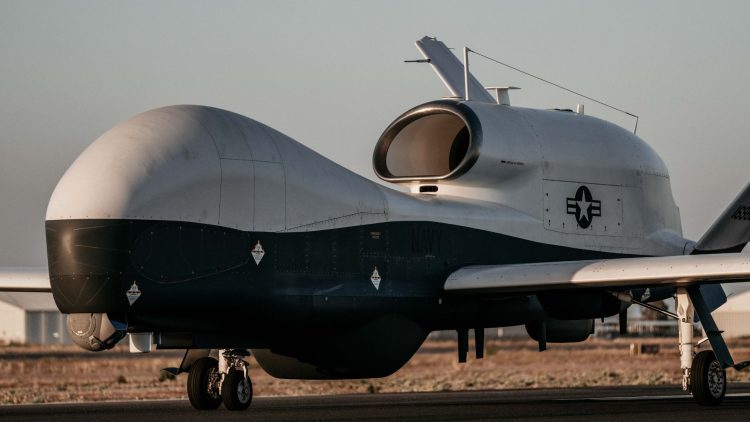
Its long-range surveillance capabilities enable it to monitor critical maritime areas, particularly in the Pacific and the Middle East, where the Navy must maintain constant situational awareness to counter potential threats.
The drone’s ability to operate at high altitudes for extended periods makes it an excellent asset for detecting and tracking potential adversaries, maritime traffic, and even environmental changes.
The Triton’s advanced sensor suite allows it to provide real-time intelligence, which is crucial for naval operations. By feeding commanders with up-to-the-minute data, the Triton enhances the Navy’s ability to respond swiftly and effectively to emerging threats.
The drone is capable of operating in some of the world’s most challenging environments, including austere regions like the Arctic, where it demonstrated its navigational abilities in a 2024 mission.
Its performance in the harsh conditions of the Arctic highlights its versatility and adaptability, making it a key asset for future Navy operations in remote and high-risk areas.
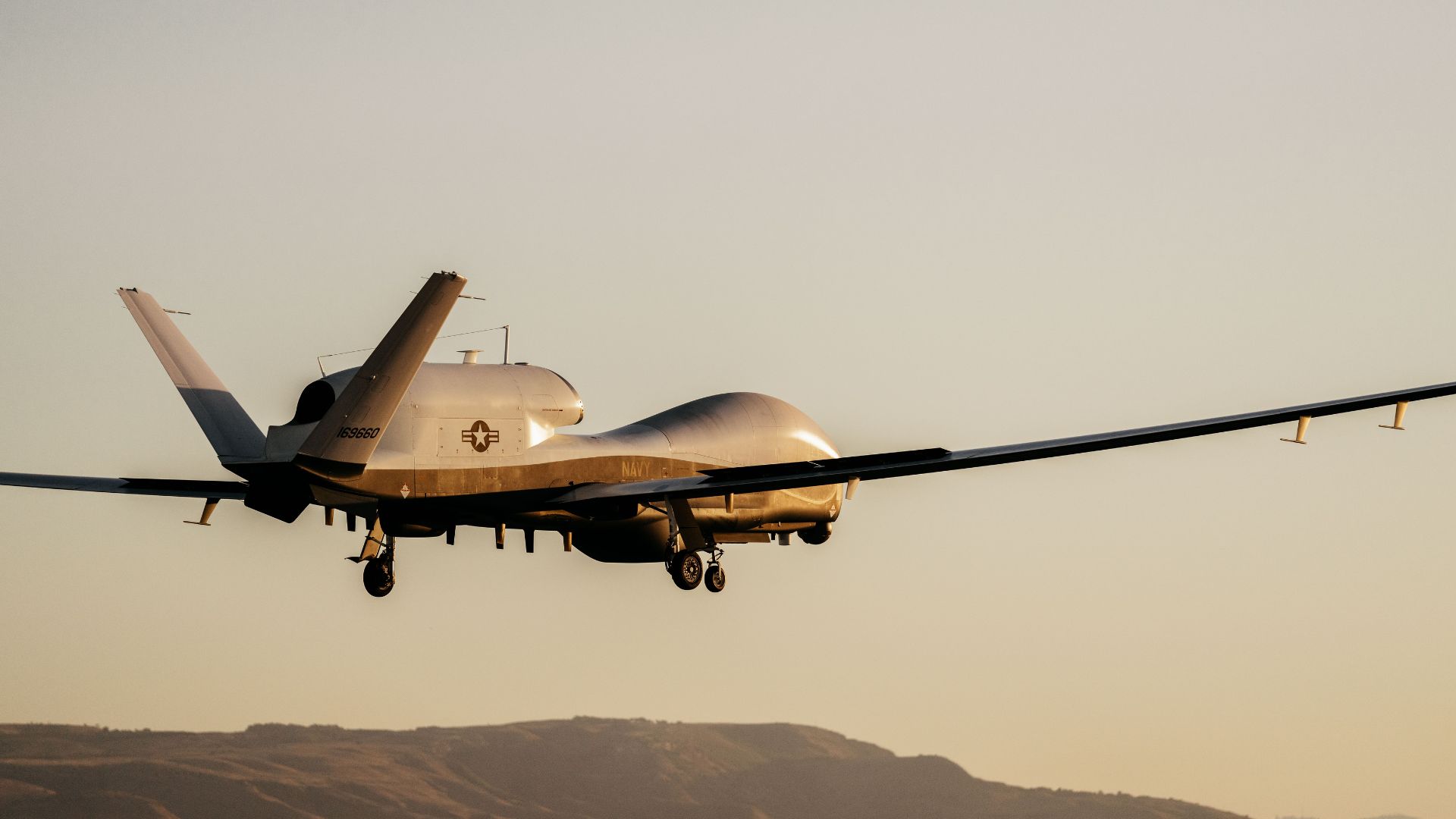
Northrop Grumman’s MQ-4C Triton drones have already demonstrated their capabilities in the field.
The first upgraded version, which was delivered to the Navy in 2022, showcased the power of its radar and sensor systems, which provide continuous surveillance and support for real-time decision-making. By the time the next two drones are delivered under this new $267 million contract, the fleet will have an even stronger presence in the Navy’s arsenal, enabling them to maintain an operational edge in high-priority regions.
The Triton drones are expected to be operational by 2026, and their contribution to the Navy’s ISR capabilities will be vital in fulfilling the service’s mission to provide comprehensive maritime security.
The drones have already been redeployed to Guam after achieving initial operational capability in 2023, further enhancing the Navy’s strategic posture in the Indo-Pacific region.
In addition to supporting the US Navy, the MQ-4C Triton is also in operation with the Royal Australian Air Force, demonstrating the drone’s growing influence and its potential for future collaboration with international partners.
Conclusion
The recent $267 million contract awarded to Northrop Grumman to produce two additional MQ-4C Triton drones marks a significant step in advancing the US Navy’s surveillance and reconnaissance capabilities.
The Triton, with its cutting-edge technology and long-endurance performance, is poised to play a crucial role in the Navy’s efforts to maintain global security and maritime dominance.
As tensions continue to rise in the Indo-Pacific and other strategically important regions, the Triton will provide the Navy with the tools it needs to stay ahead of emerging threats and ensure peace and stability in key maritime areas.








COMMENTS