

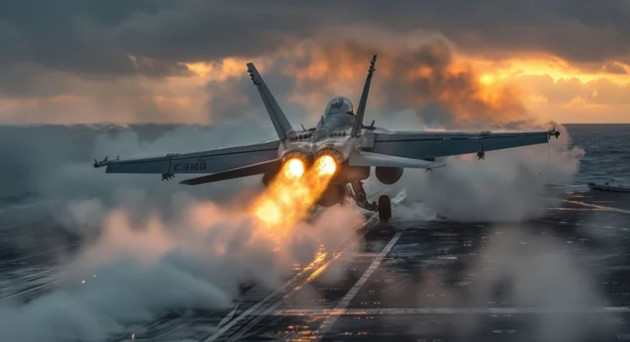
A “dream military” in this context means depth. It means full magazines, not rationed ones. It means shipyards that build and repair at speed. It means pilots who fly enough hours to stay sharp and troops who train with the equipment they would actually fight with.
For any red-blooded American, the appeal is simple. Deterrence only works if the other guy believes you will win.
The Stick Behind the Carrot
What separates this proposal from past spending spikes is the condition attached to it.
Trump paired the $1.5 trillion figure with a blunt warning to the defense industry. No more business as usual.
Dividends and stock buybacks are on the chopping block unless companies reinvest in production capacity and maintenance. Executive compensation is under scrutiny. Raytheon was publicly singled out as an example of what happens when Wall Street priorities outrun warfighter needs.
The message is clear. The money is coming, but it is not free. Build faster. Fix systems. Deliver on time. Or lose contracts.
It is like fueling up an F1 car and telling the driver, “You can go flat out, but the team does not get paid unless the laps are clean and the wheels stay on.”
Paying for It and the Fight Ahead
Trump has pointed to tariffs as a primary funding source, citing sharp increases in tariff revenue over the past year. Budget watchdogs are already sharpening their knives, warning about deficits and long-term debt. Congress, as always, will have its say.
But this was never meant to be a quiet negotiation opener. It is an opening salvo. An anchor point. Every number that follows will be debated in the shadow of that $1.5 trillion figure.
Historically, that is how major defense buildups begin. Reagan did it the same way, by shifting the conversation from what was affordable to what was necessary.
What Comes Next
There is no detailed FY2027 program breakdown yet. That will come with the formal budget submission. Ships, aircraft, missile defense, munitions, nuclear modernization, pay and benefits, all of it will be fought over line by line.
But the direction is unmistakable.
This is a bet that American industrial power can be rebuilt. That deterrence still matters. That peace is preserved not by signaling restraint, but by making strength obvious.
The Bottom Line
For decades and over multiple presidents, the United States tried to manage decline quietly, stretching aging platforms and hoping technology would cover the gaps. Trump’s $1.5 trillion proposal rejects that mindset outright.
It says the United States does not intend to fight fair, fight small, or fight later. It intends to be ready now.
A dream military is not about shiny toys or parade-ground numbers. It is about ensuring that when Americans are sent into harm’s way, they go with every advantage this nation can provide.
That is not reckless. That is responsible.
And for those who still believe the United States should lead from the front, armed with strength rather than apologies, this is a future worth believing in.








COMMENTS