
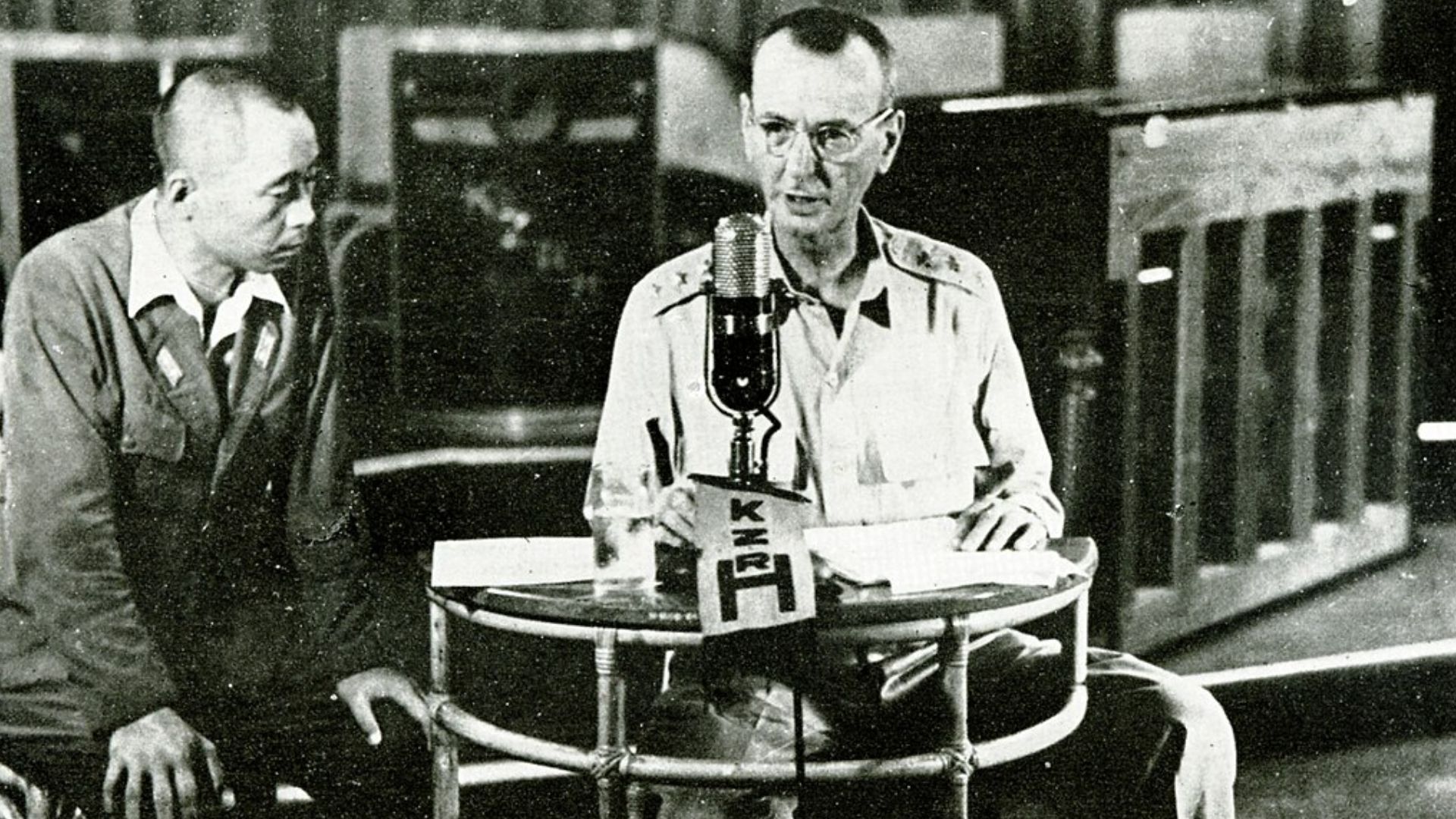
Today in History: The Liberation of General Jonathan Wainwright, August 23, 1945
On August 23, 1945, General Jonathan Wainwright was freed from a Japanese POW camp, returning home a hero and Medal of Honor recipient.
1,351 articles
Latest Army stories, analysis, and updates from SOFREP.
On August 23, 1945, General Jonathan Wainwright was freed from a Japanese POW camp, returning home a hero and Medal of Honor recipient.
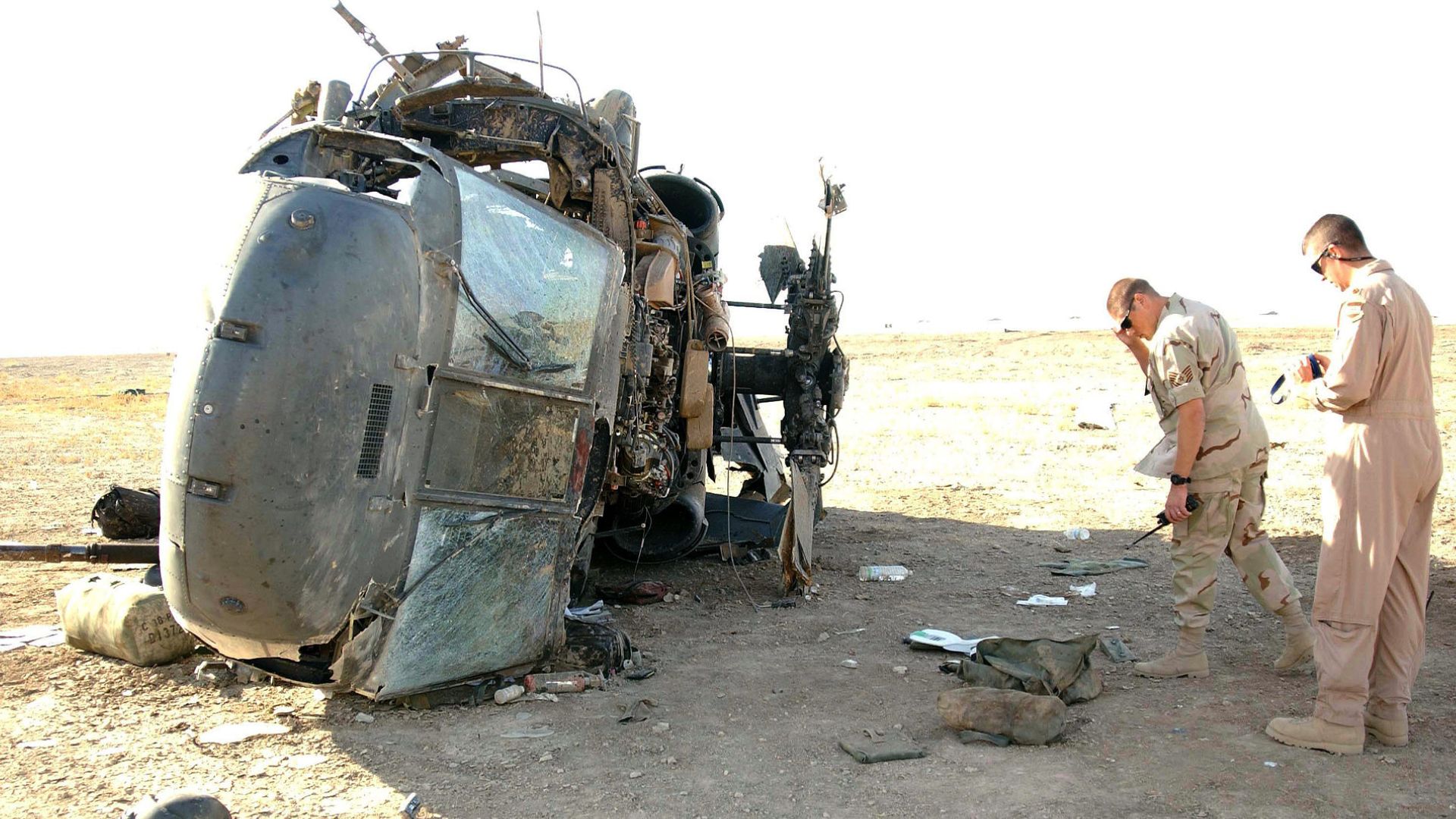
On August 22, 2007, a Black Hawk crash near Kirkuk killed 14 US soldiers, marking one of the Iraq War’s deadliest air losses.

From wielding a guitar in the heart of Seattle’s grunge movement to bearing arms as a Green Beret, Jason Mark Everman’s journey is a vivid testament to the transformative power of resilience and ambition.

We idled through Al Dujahl’s midnight arteries, numb and hollow, while men in the shadows watched us like witnesses at the thin border between heaven and hell.
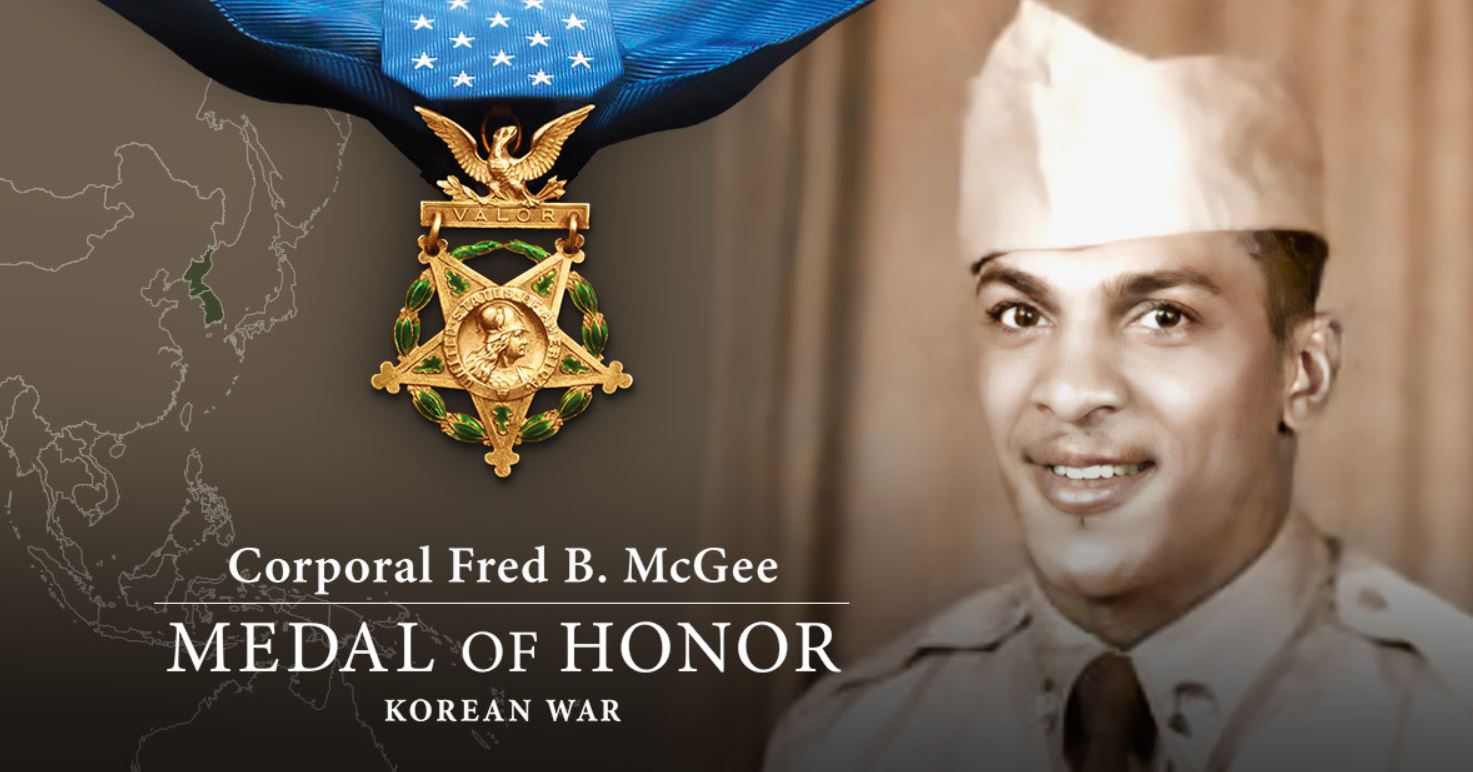
Fred B. McGee wasn’t chasing glory on that Korean hillside—he was just stubbornly, relentlessly doing his job, one impossible step at a time, until every man he could save was off that mountain alive.
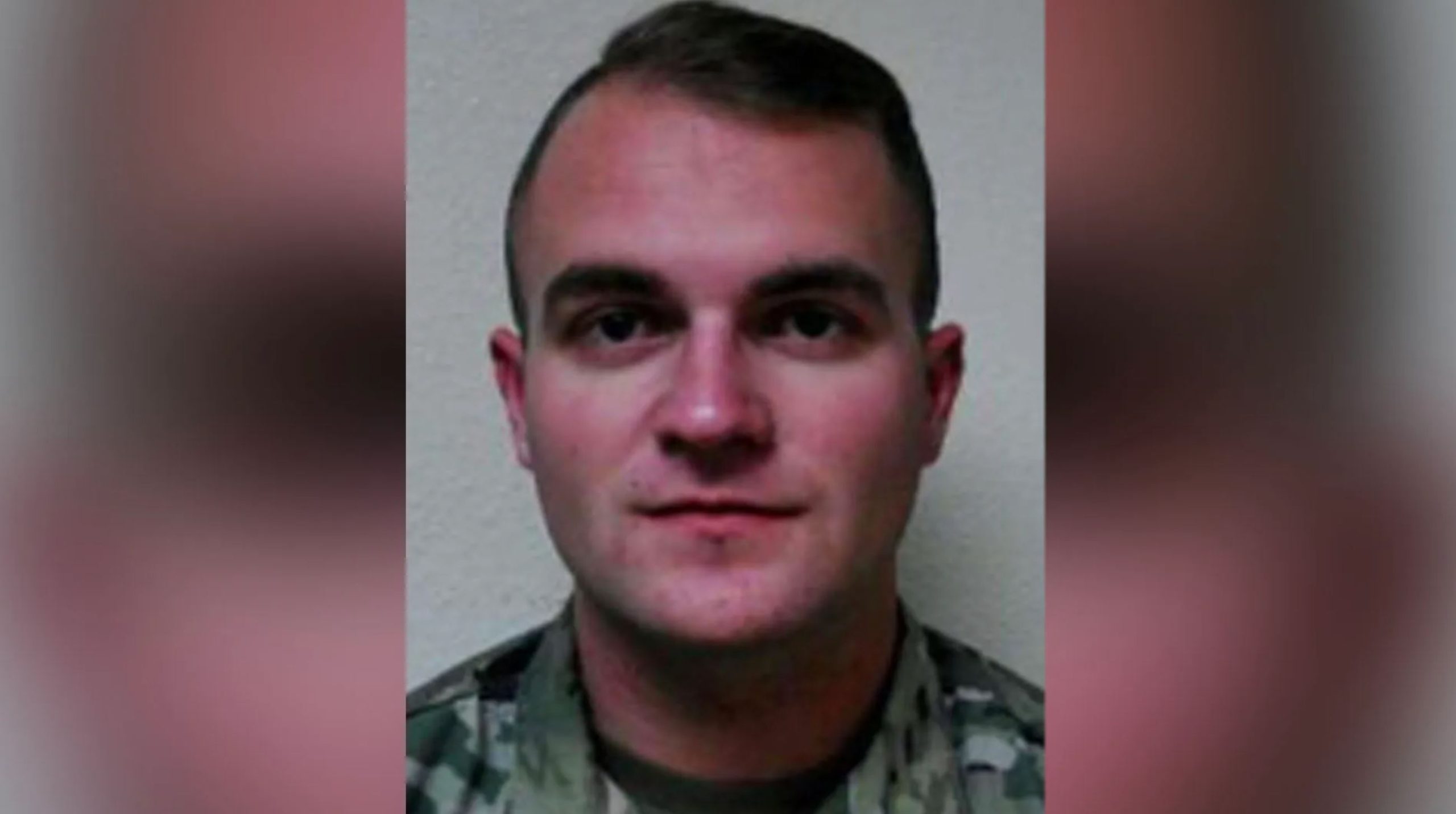
A 22-year-old tank crewman with a top-secret clearance allegedly tried to trade America’s most guarded armor secrets for a Russian passport, proving the deadliest threats can come from within.

With some time to kill, the German offered me a seat in the hotel cafe where a dozen Bundeswehr soldiers were hanging out. They even gave me an espresso.

It wasn’t enemy fire that dropped five soldiers to the ground—it was a supply sergeant with a sidearm and a grudge no one saw coming.
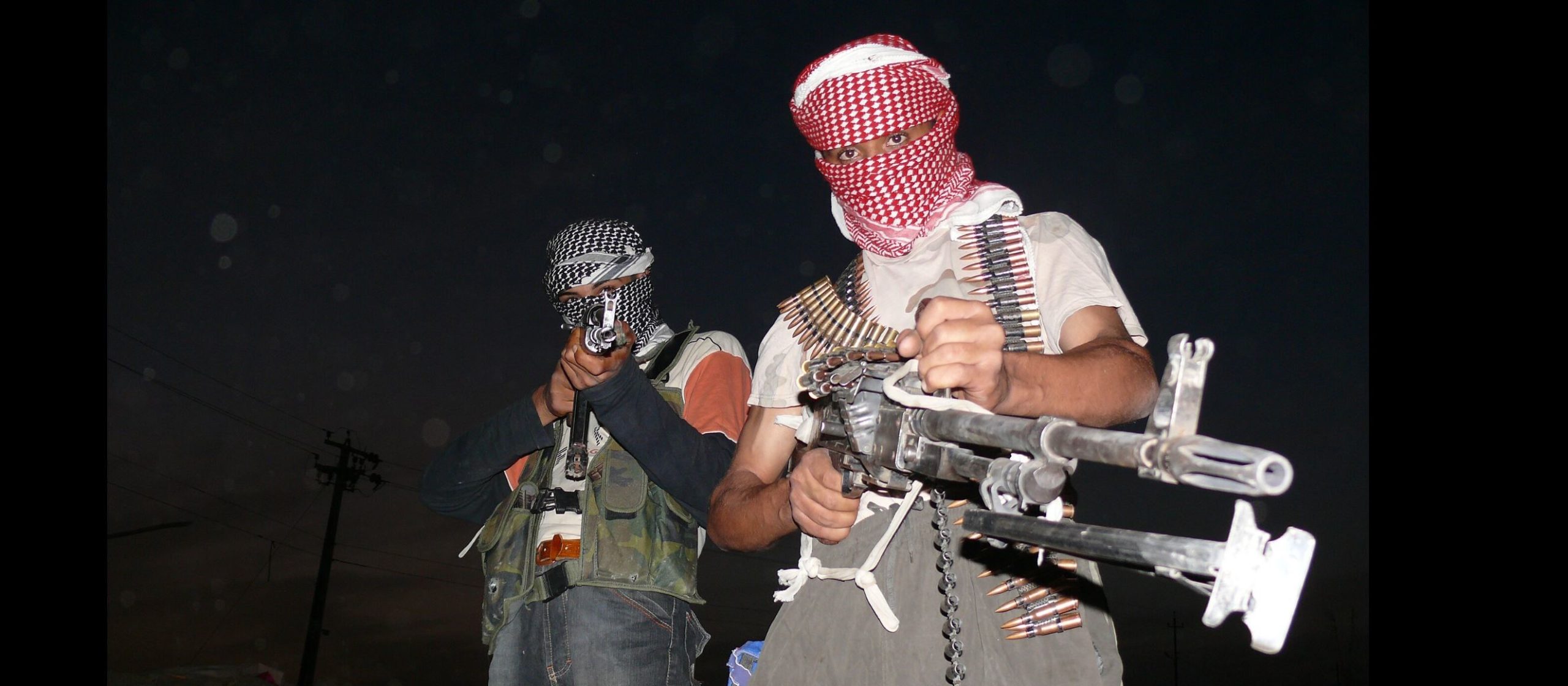
We were fighting a war without a front line, where cruelty was as much a weapon as any rifle, and the enemy’s strength lay in finding the weakest point to strike.

David Bellavia didn’t come back from Fallujah with swagger or speeches—he came back with ghosts, blood on his boots, and a vow that he’d never freeze again when the devil kicked in the door.
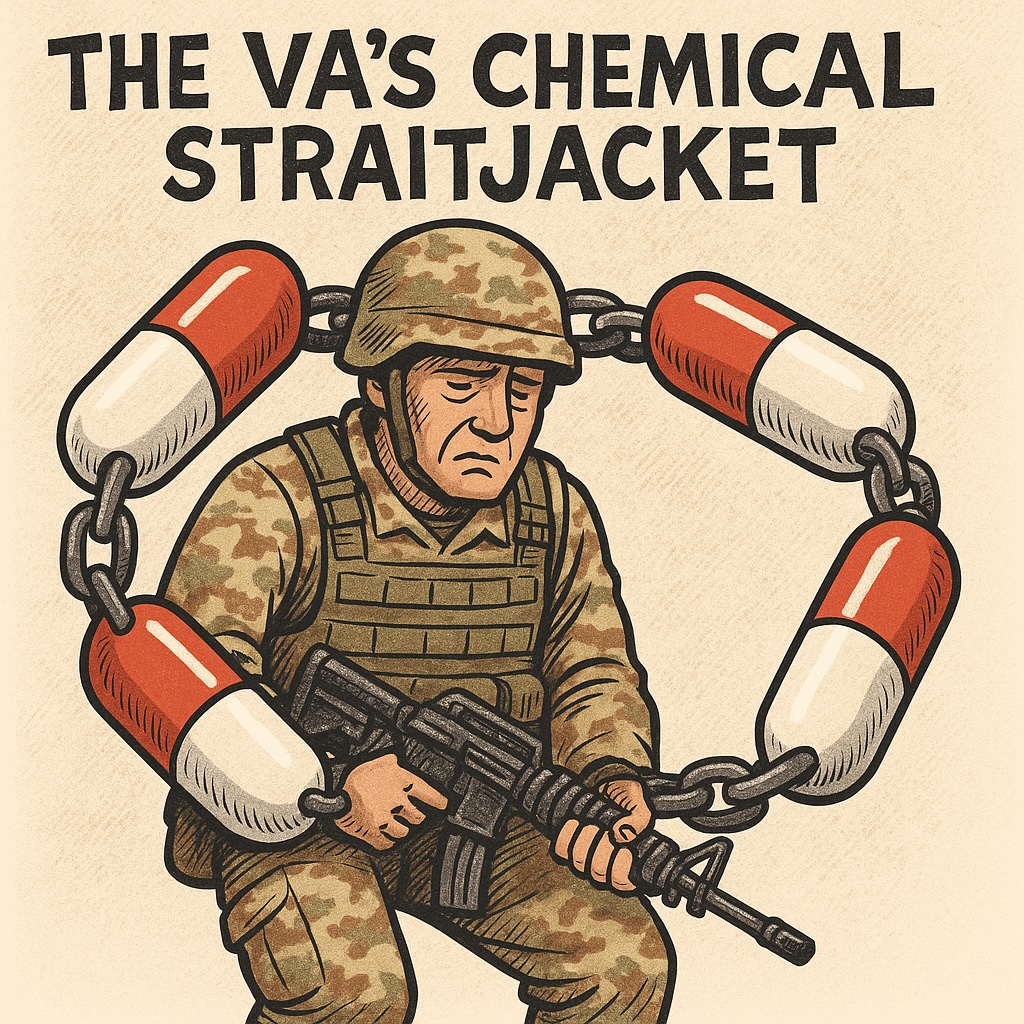
The VA isn’t treating veterans — it’s sedating them into silence, one cocktail of mind-frying meds at a time.
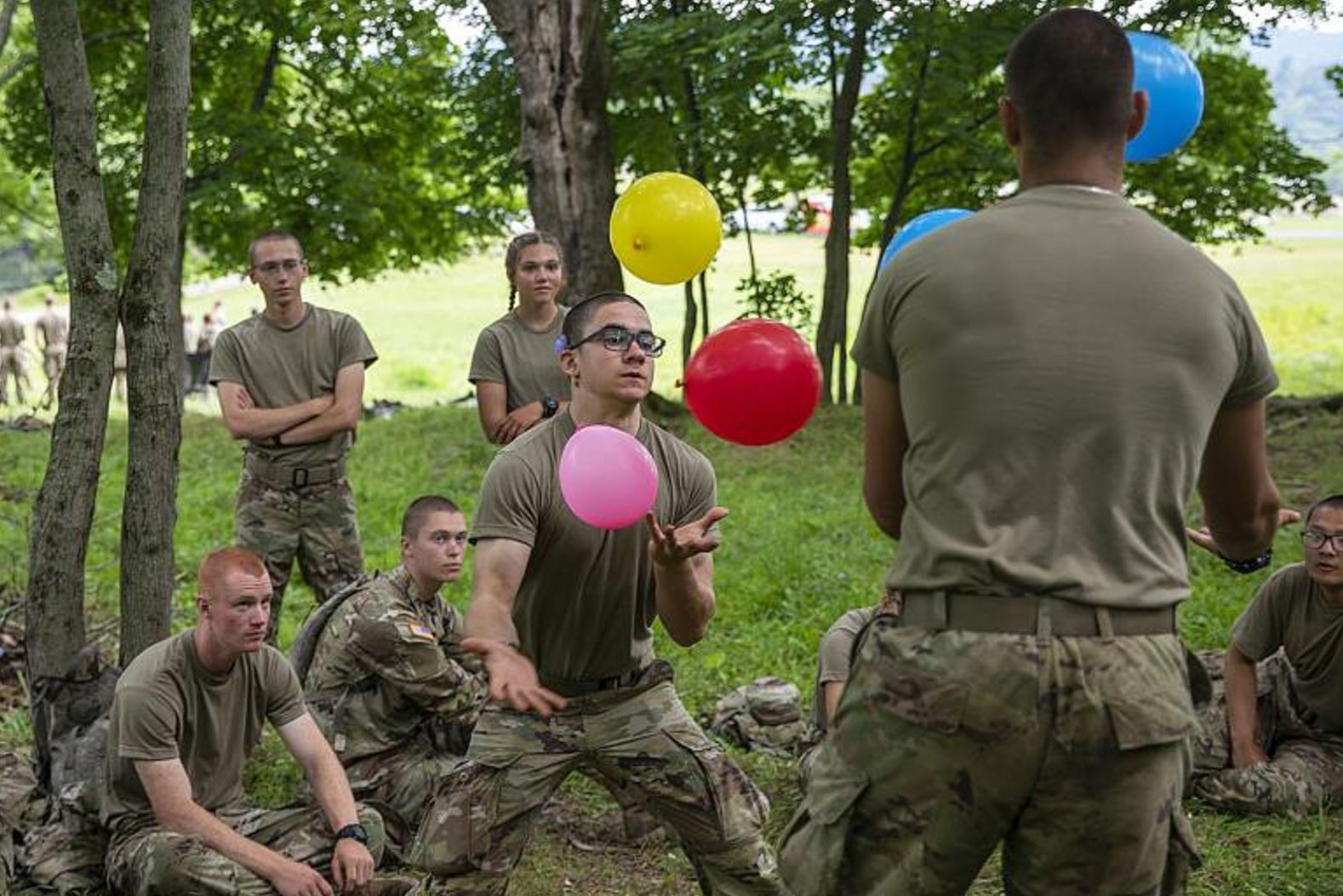
Gen Z’s fragility isn’t a generational quirk—it’s a national security liability, cultivated by overprotective parenting, coddling institutions, and a culture that elevates feelings over facts.

SIG Sauer is a world-class firearms manufacturer trusted by military, law enforcement, and responsible civilian shooters, delivering precision-engineered weapons, optics, and training systems while maintaining a strong commitment to veteran hiring, American manufacturing, and the professionals who rely on their gear when it matters most.

FightCamp is an at-home boxing and kickboxing training system built around real technique, structured programming, and measurable performance. Members train with fighters and professional coaches while using connected punch and kick trackers that record volume, speed, and power in every round. The result is training that builds conditioning, skill, discipline, and resilience — all from home, on your schedule.
Barrett is the world leader in long-range, large-caliber, precision rifle design and manufacturing. Barrett products are used by civilians, sport shooters, law enforcement agencies, the United States military, and more than 75 State Department-approved countries around the world.

Hywell is a premium gear brand specializing in heavy-duty Merino wool boot socks for blue-collar professionals and outdoorsmen. Backed by an ironclad 10-Year Warranty.

Praesidus builds rugged, American-assembled watches inspired by historic military timepieces. Designed for accuracy and tested for endurance, each watch is made for outdoor explorers, everyday adventurers, and anyone who needs reliability when it matters.

Essential Provisions Field Fuel® meals [ready-to-eat] & sports nutrition products have been developed with the cleanest, high-quality nutrient and energy-dense ingredients available. Research has shown that the whole food nutrients contained in our products have the ability to help.

Have you ever tried to wear a fleece hoodie in bad weather? We don’t recommend it. That’s why we founded BÆRSkin in 2019 – to create the world’s best outdoor gear that’s just as comfortable at home as it is durable outdoors. “Bad fitting, bulky, and boring” is how we felt about 1000’s of regular fleece hoodies we tested.

If you’re 21 or older and use nicotine or tobacco, charge ahead with Black Buffalo, America’s only credible smokeless tobacco alternative. Black Buffalo dips just like the real thing without the tobacco leaf or stem. Find Black Buffalo in Wawa, Circle K, Sheetz, Love’s, Pilot, Racetrac, and many more retail locations across the United States.