
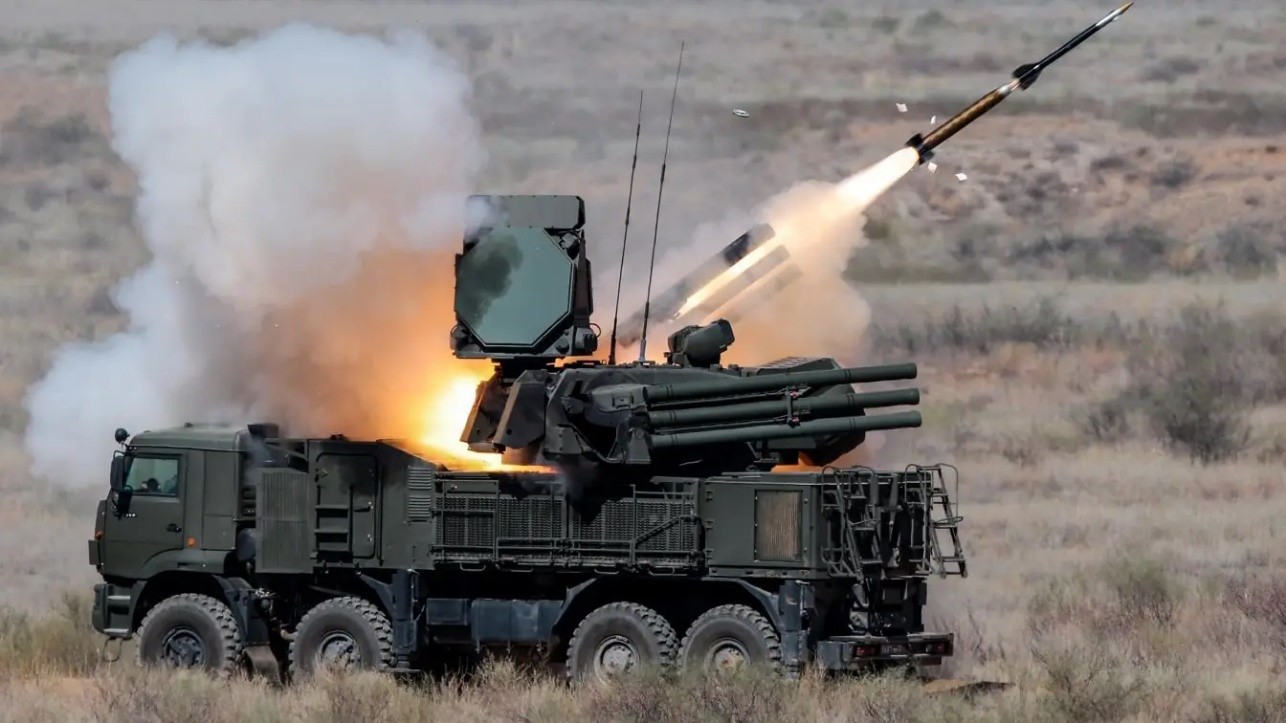
Defending Putin’s Lake Valdai Retreat
Putin’s Valdai hideout is now a fortress, ringed by missiles, jets, and elite guards—his most secure retreat in Russia.
3,208 articles
Latest Expert Analysis stories, analysis, and updates from SOFREP.
Putin’s Valdai hideout is now a fortress, ringed by missiles, jets, and elite guards—his most secure retreat in Russia.
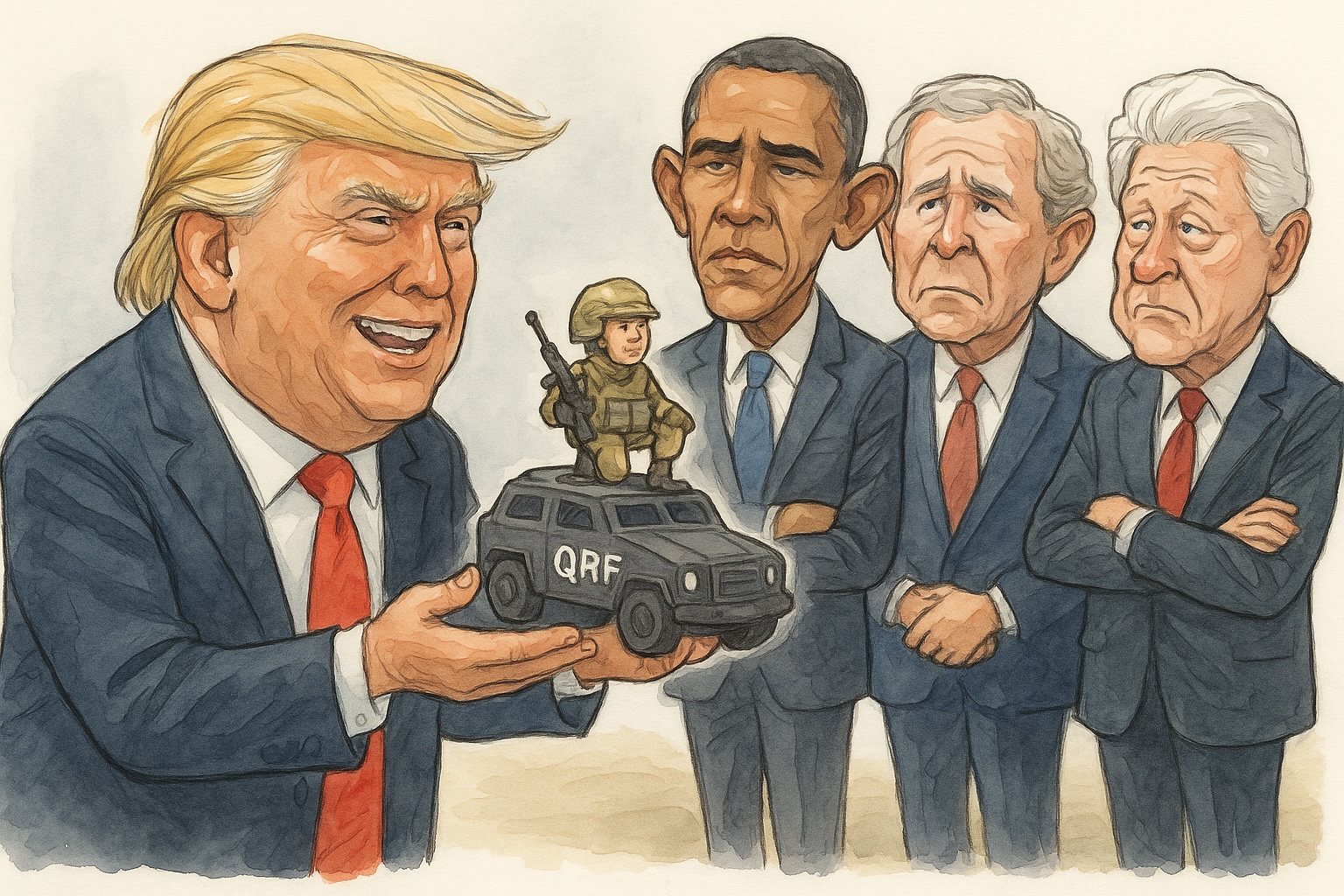
Trump floats a domestic Quick Reaction Force: 600 Guard troops on standby to quell unrest fast—praised as safety, feared as overreach.
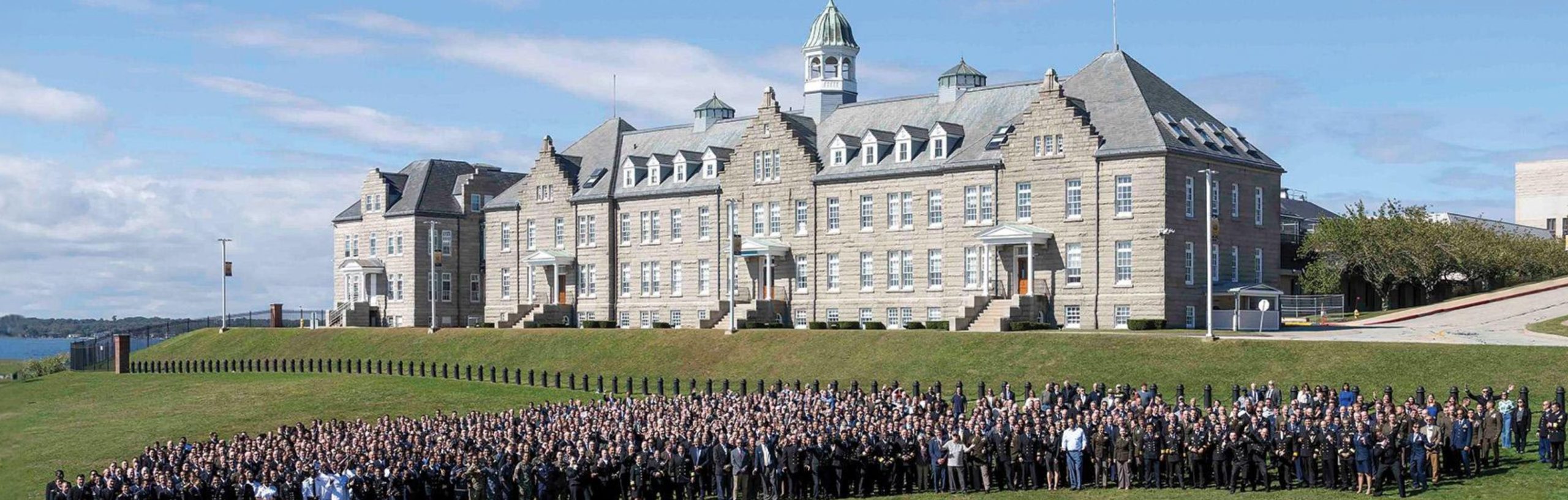
I succeeded in Professional Military Education by treating it as an opportunity and a responsibility—checking my ego, preparing before day one, doing the reading, organizing relentlessly, and using every spare minute to learn for the soldiers who would depend on me.

Anchorage wasn’t pageantry—it was the tell that with Europe folding and Washington hedging, Zelensky is bluffing a low pair at a high-stakes table where Trump and Putin rake the chips.

I came home from Bucha with the faces of the dead fixed in my mind and a single, stubborn question riding shotgun: how do we make Putin and his enablers answer for what they did?
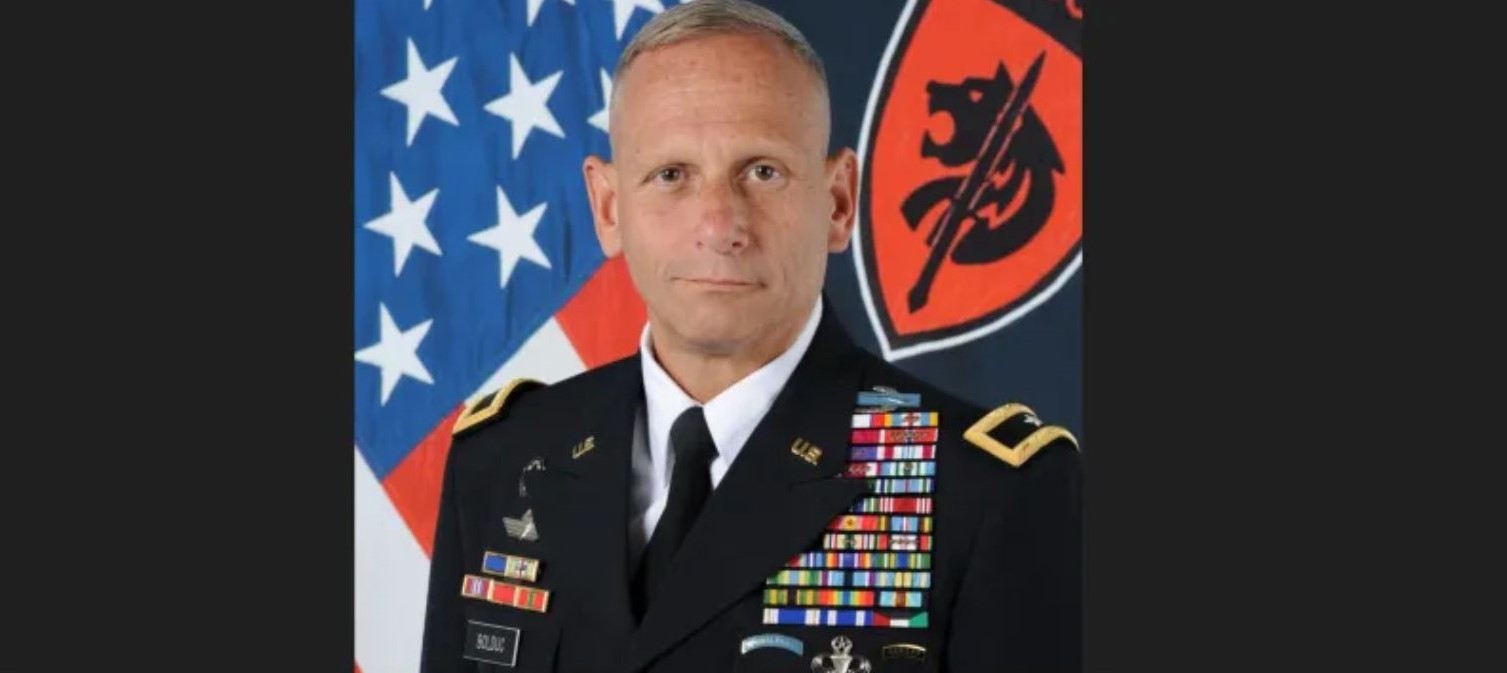
Addressing crime and homelessness effectively means tackling the root causes—poverty, housing, mental health, and jobs—rather than relying on a militarized response that treats symptoms instead of solutions.

Trump didn’t summon an army of occupation; he pulled a field-expedient tourniquet—the D.C. Guard—to cinch the capital’s bleeding edges and keep the streets from turning into a fracture line.
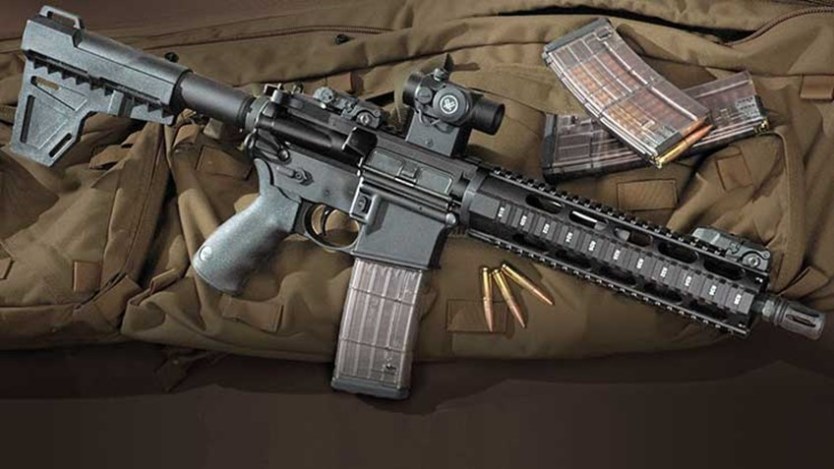
If you’re staring down multiple armed intruders at 4 AM, the AR-15’s accuracy, low recoil, and 30-round capacity could be the deciding factors that keep you and your family alive.
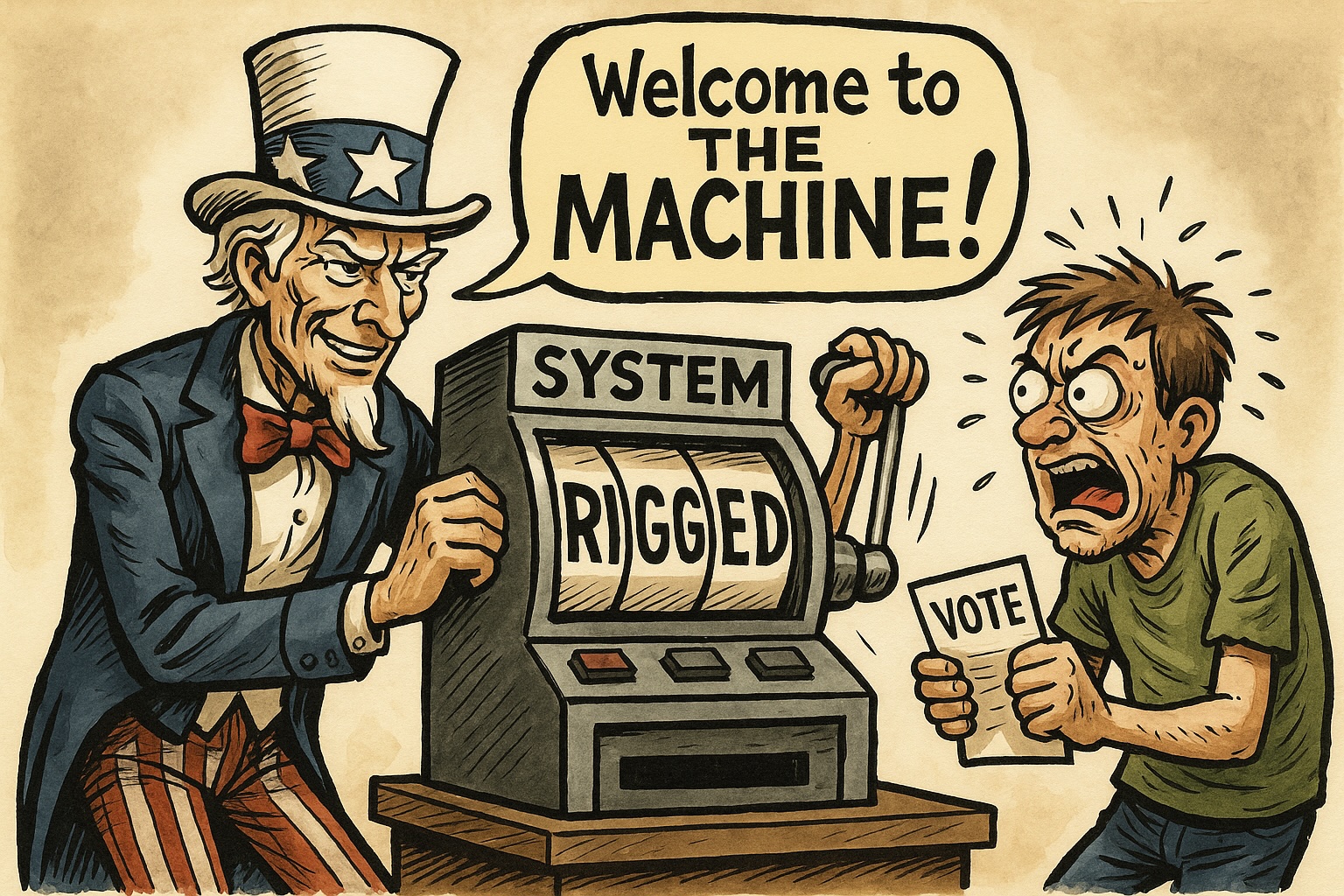
America’s two-party system is a rigged casino where the house always wins, and the house is owned by corrupt lifers, corporate lobbyists, and political cowards selling your future by the pound.

Hamas isn’t fighting for freedom—they’re a death cult that turns ceasefires into reload breaks and children into human shields.
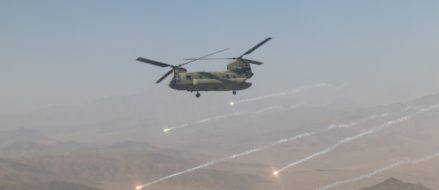
Extortion 17 wasn’t brought down by some grand conspiracy or hidden failure—it was a tragic, rare hit by enemy fighters who happened to be in the right place at the right time with a lucky shot.
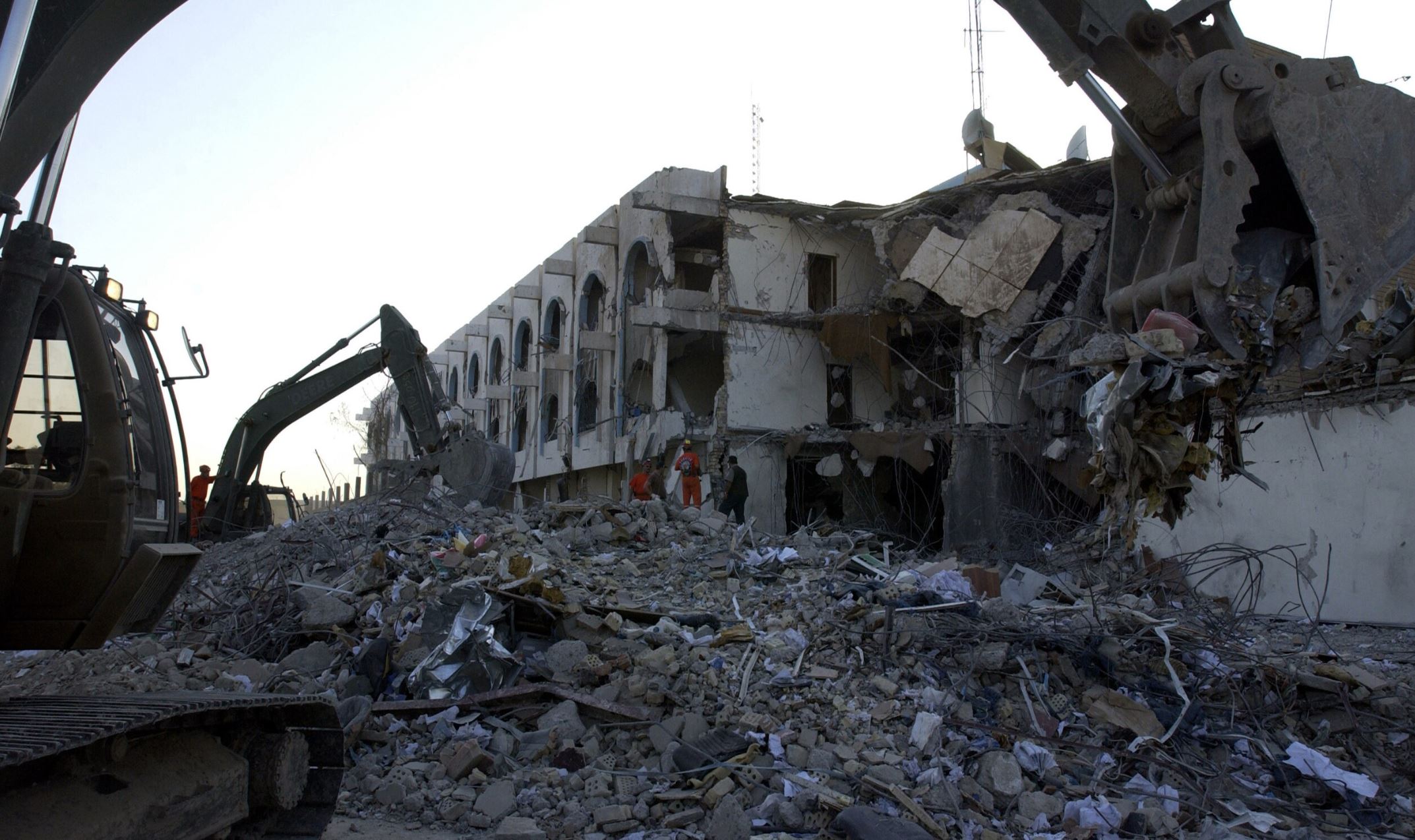
I warned them it was only a matter of time before we were attacked—but nobody listened, and twenty-two people paid the price.

Hywell is a premium gear brand specializing in heavy-duty Merino wool boot socks for blue-collar professionals and outdoorsmen. Backed by an ironclad 10-Year Warranty.

Praesidus builds rugged, American-assembled watches inspired by historic military timepieces. Designed for accuracy and tested for endurance, each watch is made for outdoor explorers, everyday adventurers, and anyone who needs reliability when it matters.

SIG Sauer is a world-class firearms manufacturer trusted by military, law enforcement, and responsible civilian shooters, delivering precision-engineered weapons, optics, and training systems while maintaining a strong commitment to veteran hiring, American manufacturing, and the professionals who rely on their gear when it matters most.

FightCamp is an at-home boxing and kickboxing training system built around real technique, structured programming, and measurable performance. Members train with fighters and professional coaches while using connected punch and kick trackers that record volume, speed, and power in every round. The result is training that builds conditioning, skill, discipline, and resilience — all from home, on your schedule.

Essential Provisions Field Fuel® meals [ready-to-eat] & sports nutrition products have been developed with the cleanest, high-quality nutrient and energy-dense ingredients available. Research has shown that the whole food nutrients contained in our products have the ability to help.

Have you ever tried to wear a fleece hoodie in bad weather? We don’t recommend it. That’s why we founded BÆRSkin in 2019 – to create the world’s best outdoor gear that’s just as comfortable at home as it is durable outdoors. “Bad fitting, bulky, and boring” is how we felt about 1000’s of regular fleece hoodies we tested.

If you’re 21 or older and use nicotine or tobacco, charge ahead with Black Buffalo, America’s only credible smokeless tobacco alternative. Black Buffalo dips just like the real thing without the tobacco leaf or stem. Find Black Buffalo in Wawa, Circle K, Sheetz, Love’s, Pilot, Racetrac, and many more retail locations across the United States.

Stay Locked In. No Matter What. NEORON is a brain-boosting beverage built for the mission: sugar-free, crash-free, and engineered for clean, tactical focus through long hours and high-stakes operations. Made for those who grind, stay sharp under pressure, and refuse to fold—if failure isn’t an option, NEORON has your six.