Ghost Planes: Two Gray BT-67s Land in Tullahoma—Are They CIA Cutouts?
I’ve seen Agency birds parked in plain sight; these two Basler BT-67s in Tullahoma—matte-gray, unmarked, and papered to a Delaware cutout—fit the pattern.
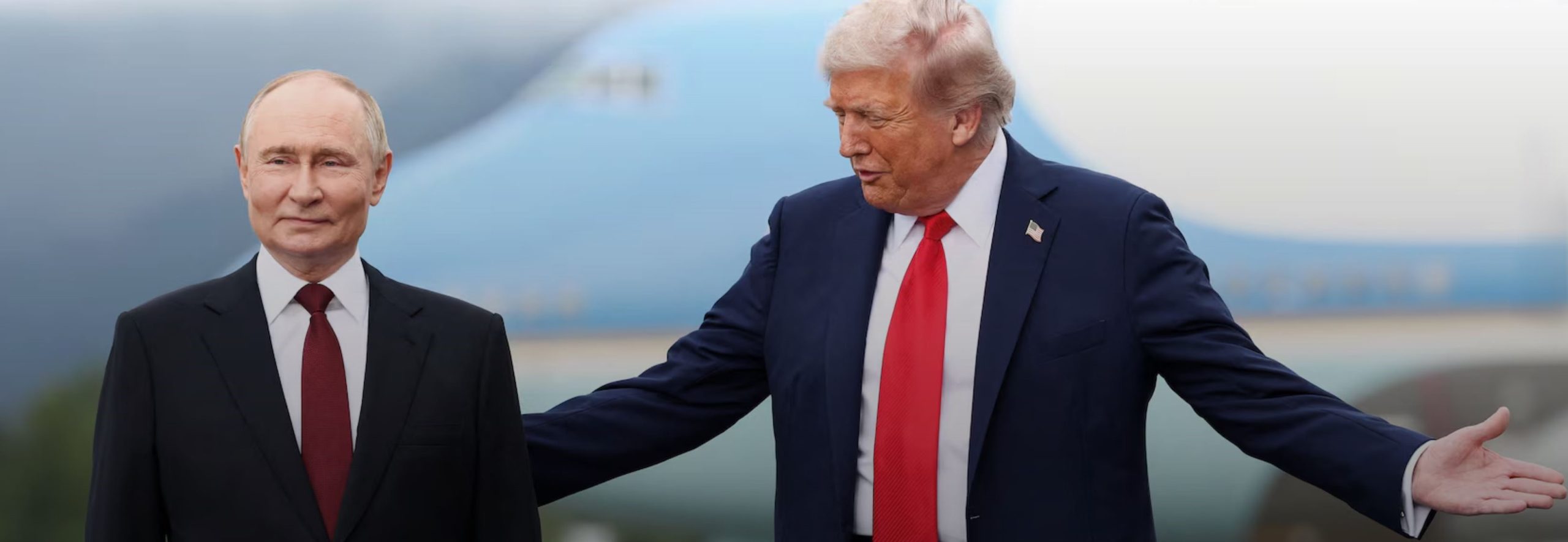
Trump didn’t summon an army of occupation; he pulled a field-expedient tourniquet—the D.C. Guard—to cinch the capital’s bleeding edges and keep the streets from turning into a fracture line.
If you’re staring down multiple armed intruders at 4 AM, the AR-15’s accuracy, low recoil, and 30-round capacity could be the deciding factors that keep you and your family alive.
The same guys who once tried to crucify me for telling our stories are now slinging war tales to sell vitamin gummies with discount codes, and the hypocrisy is louder than any gunfight we ever fought.
In Ukraine’s war, Elon Musk’s satellites shifted from lifeline to leverage, and that power—once a gift—became a weapon of his choosing.
(The following tribute was co-authored with Frumentarius by semi-regular contributor to this space, John Martin, with contribution also from Brandon Webb. John is the Republican county clerk of Crawford County, Missouri, and a historian who has specialized in Naval Special Warfare (NSW) history for over 15 years.) At the end of his book, Unleash the […]
We thought drone warfare would be the future—turns out, it was the present all along, and we just didn’t recognize the buzz of change until it hovered over the tree line, camera rolling.
The Navy didn’t just name a ship after Kyle Carpenter—they forged steel around the kind of courage that throws itself on a grenade to save a brother.
They don’t wear tuxedos or sip martinis, but the men and women of the Special Reconnaissance Regiment are the closest thing the British military has to real-world secret agents—armed with cameras, carbines, and a license to disappear.
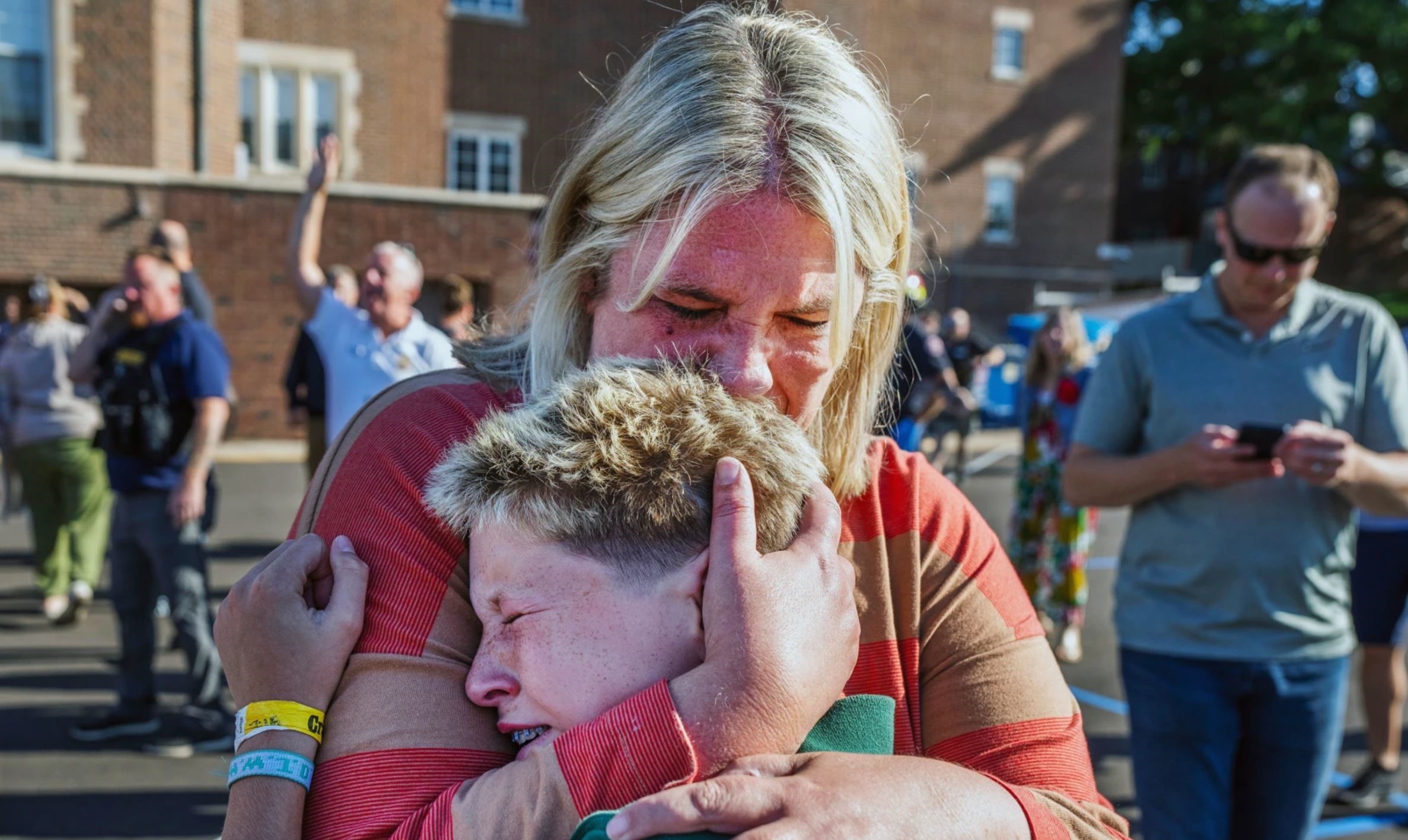
It wasn’t enemy fire that dropped five soldiers to the ground—it was a supply sergeant with a sidearm and a grudge no one saw coming.
We were fighting a war without a front line, where cruelty was as much a weapon as any rifle, and the enemy’s strength lay in finding the weakest point to strike.
Two machines met over the Potomac that night, and in the space of three heartbeats, dozens of human lives came apart in a way no amount of training or luck could put back together.