Americans Express Support for Defending Taiwan in the Event of a Chinese Invasion, Survey Finds
Amidst growing tensions, a majority of Americans would back defending Taiwan from China, reflecting complex sentiments on foreign policy.
Today, one could argue the collective West remains idle to a brewing threat that uses various hybrid means of warfare to continue causing strife, which benefits the overall geopolitical standing and furthers favorable negotiations for the Russian Federation. It is now up to world leaders and constituents to expand their scope and realize today’s threats.
NATO must adopt a decisive stance by employing its air defenses to intercept Russian missiles, demonstrating a commitment to protect its allies and deterring further aggression from adversaries like Russia.
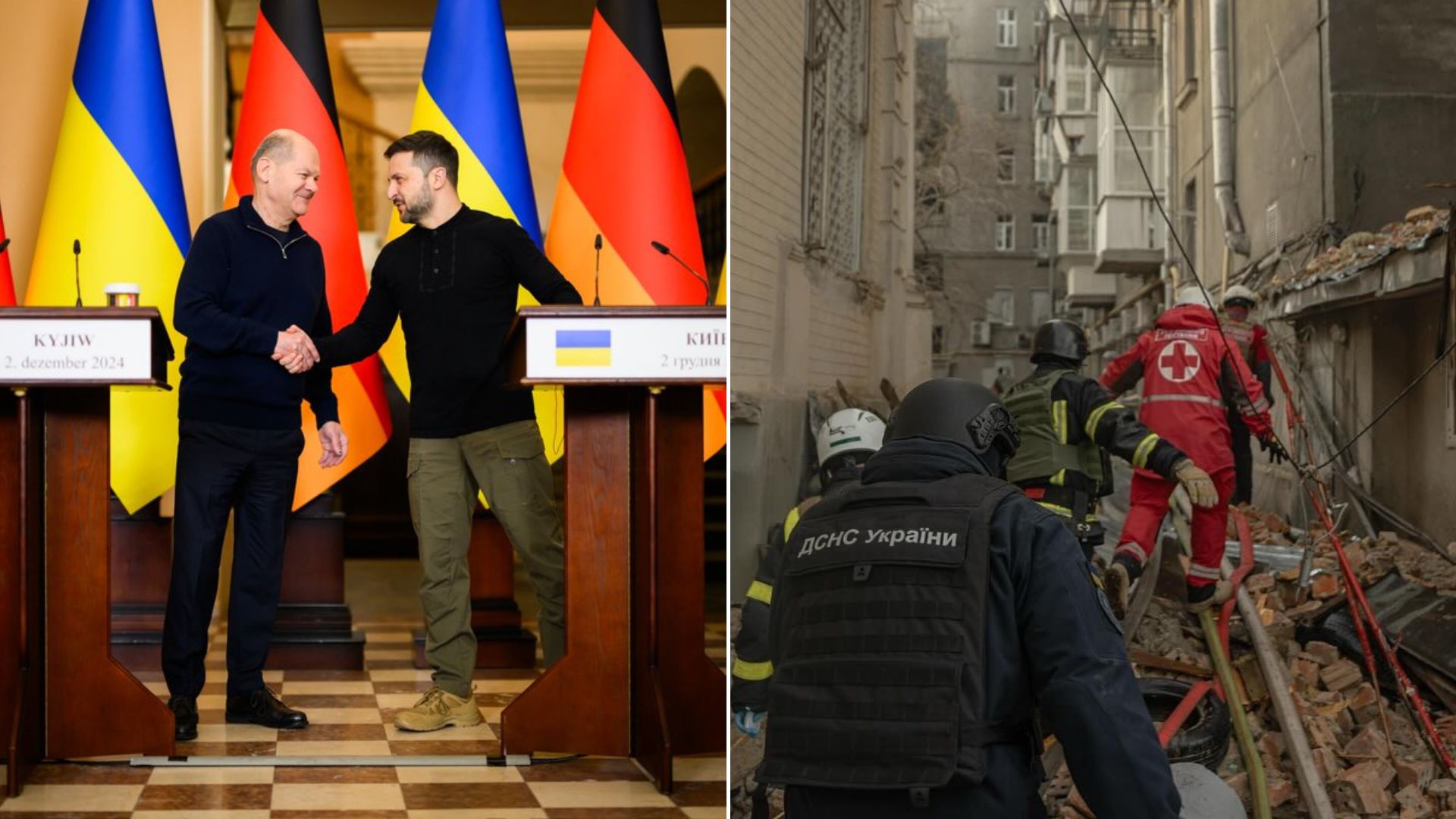
President Biden authorizes Ukraine to use American-supplied weapons for limited strikes inside Russia, escalating US role in the conflict.
The Biden administration is wrestling with whether to allow Ukraine to use US weapons against Russia, a move that could escalate the war.
US and Gulf allies met in Riyadh to address growing Iranian threats, including Houthi attacks on Red Sea shipping.
The Baltic states of Estonia, Latvia, and Lithuania reinforce their borders, uniting in defense against growing regional threats.
Explore how the Korean War’s lessons in diplomacy, great power roles, and humanitarian concerns remain relevant in modern geopolitics.
The two trilateral powers in East Asia will continue to align simultaneously in foreign policy and prepare for a potential global conflict that will intertwine toward widespread military movements in the region.
America’s engagement in foreign conflicts often seems dictated more by the interests of defense lobbyists than by a coherent strategy, as evidenced by both the protracted stay in Afghanistan and the ongoing support for Ukraine.
The resurgence of extremist groups in West Africa intertwines with various socioeconomic and geopolitical events such as corruption, authoritarian juntas, foreign interference, and deteriorating stabilization in the Sahel. With a lack of cooperation amongst local and regional blocs, groups such as al-Qaeda and ISIS could make a comeback and choose the Sahel as their new haven.
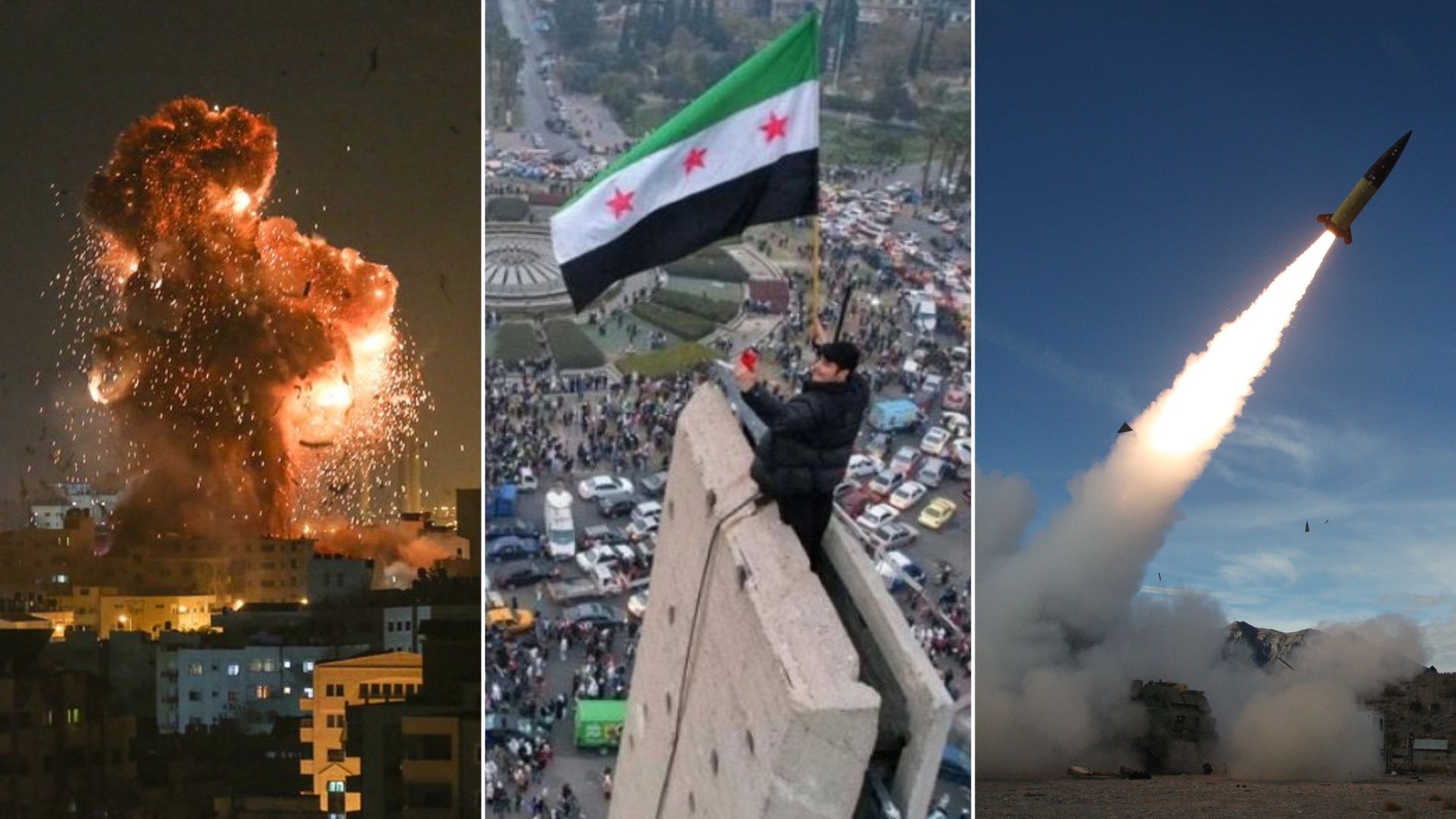
For now, the regional conflict between Israel and Iran will be a tit-for-tat Cold War, primarily using Lebanon, Syria, and the Palestinian Territories as a battleground. Still, one costly direct action could ignite the Middle East and international community in a way not seen since the rhetoric of the 1973 Yom Kippur War.