
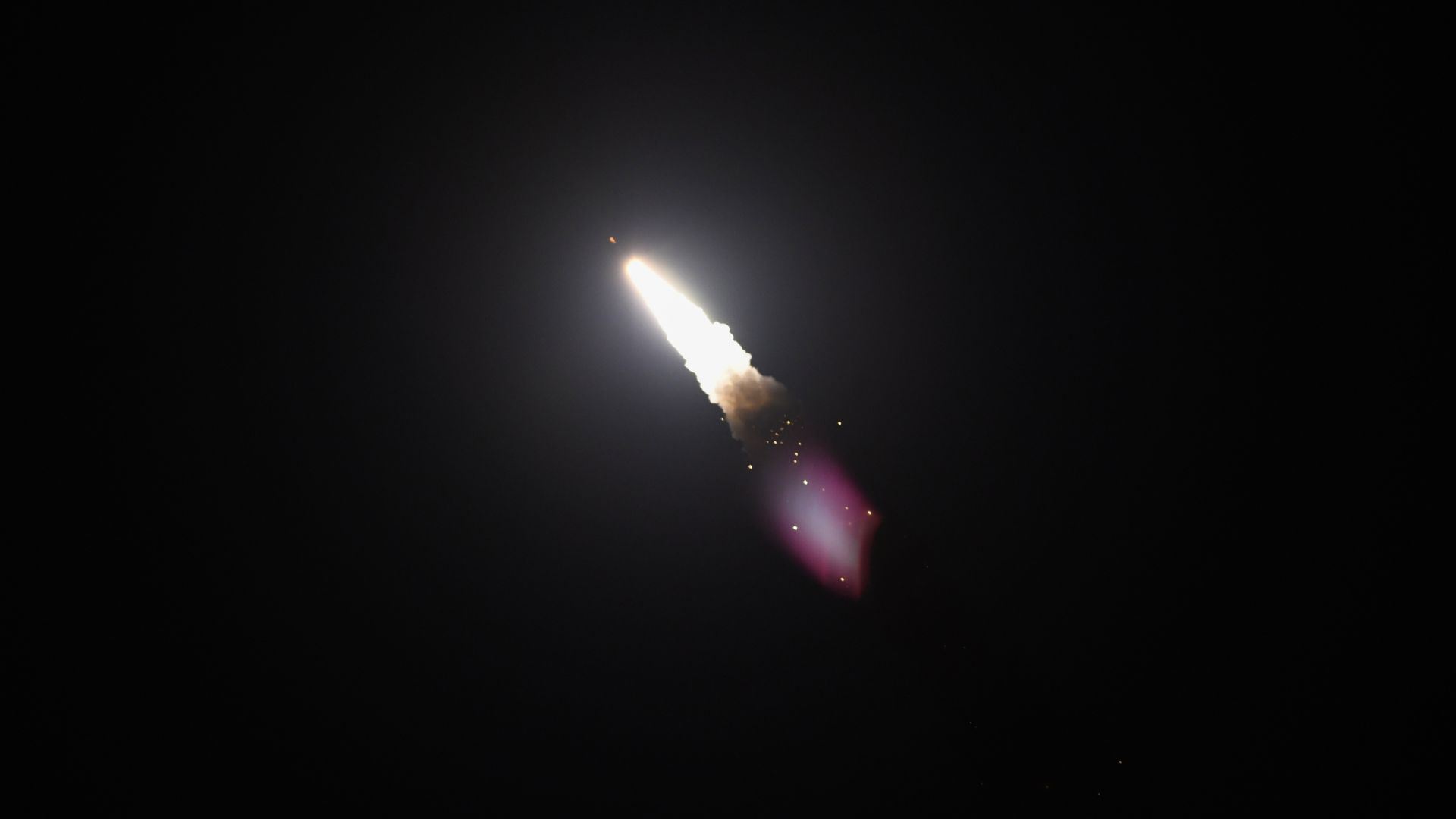
What Happened to US “Global Zero” Nuclear Disarmament
From Reagan to New START, nuclear disarmament dreams clash with Russia’s reality—are we closer to ‘Global Zero’ or further than ever?
3,421 articles
Latest Foreign Policy stories, analysis, and updates from SOFREP.
From Reagan to New START, nuclear disarmament dreams clash with Russia’s reality—are we closer to ‘Global Zero’ or further than ever?

Trump’s talk of “taking back” the Panama Canal ignites a high-stakes debate among his critics who speak of balancing echoes of American dominance against the volatile risks of a multipolar world.

In a world increasingly reliant on seamless digital connectivity, the undersea cables threading our oceans are more than infrastructure—they are lifelines, silently carrying the life blood of modern civilization.

China’s unholy alliance with cartels weaponizes drugs, tech, and influence against the US—can we reclaim control before it’s too late?

Trump’s peace mandate faces chaos as Biden escalates wars with long-range missile strikes into Russia. Can January 20 bring clarity?

Russia’s war in Ukraine offers a glimpse into future conflicts—lessons in intel, innovation, and why aggression often backfires.

Here’s your SOFREP Daily News Brief: Key defense and global affairs insights to keep you in the know on Thursday, December 12.
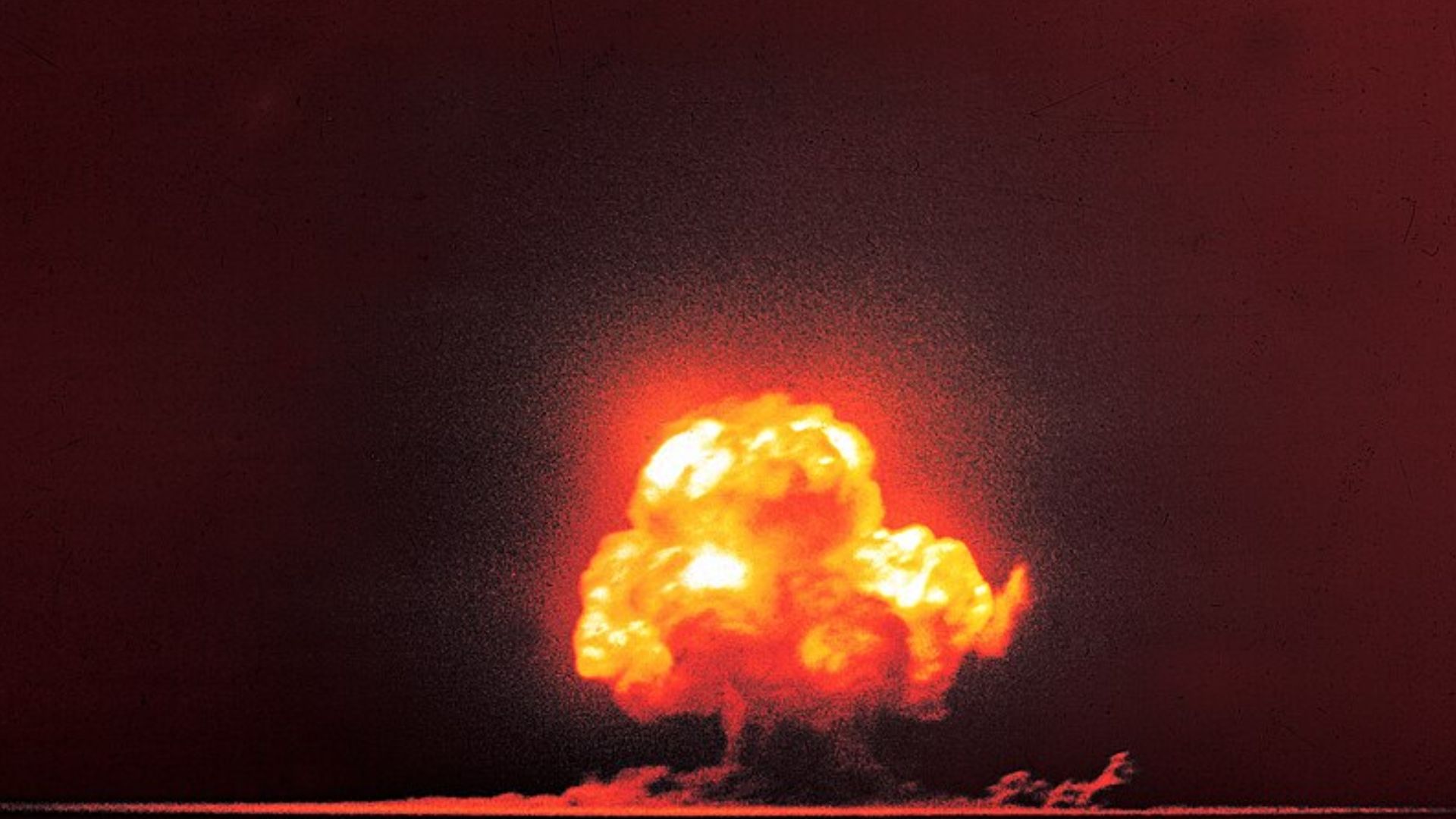
The US faces rising nuclear threats from Russia and China, while modernizing its deterrent to meet these challenges head-on. Are we ready?

Assad’s downfall represents a seismic shift in the Middle East, but the rapid rise of HTS as Syria’s dominant force casts a shadow of uncertainty over the region’s fragile future.

“Blaming America first?” echoes through decades as critics now target US global primacy. Should the US retreat or risk nuclear chaos?
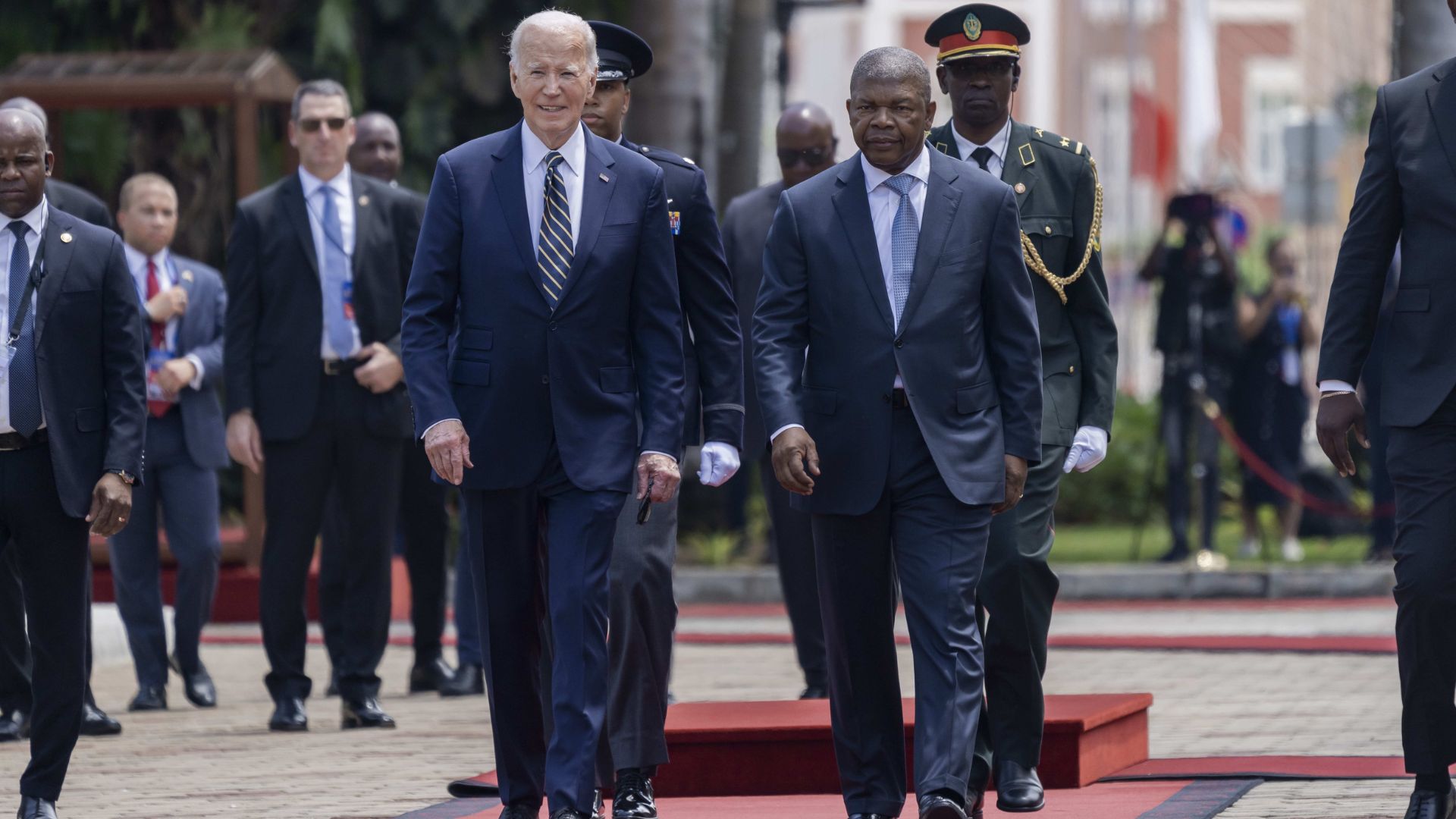
Joe Biden just called Angola a ‘city’—a gaffe or a glaring sign of cognitive decline? The world’s watching, and so are our adversaries.
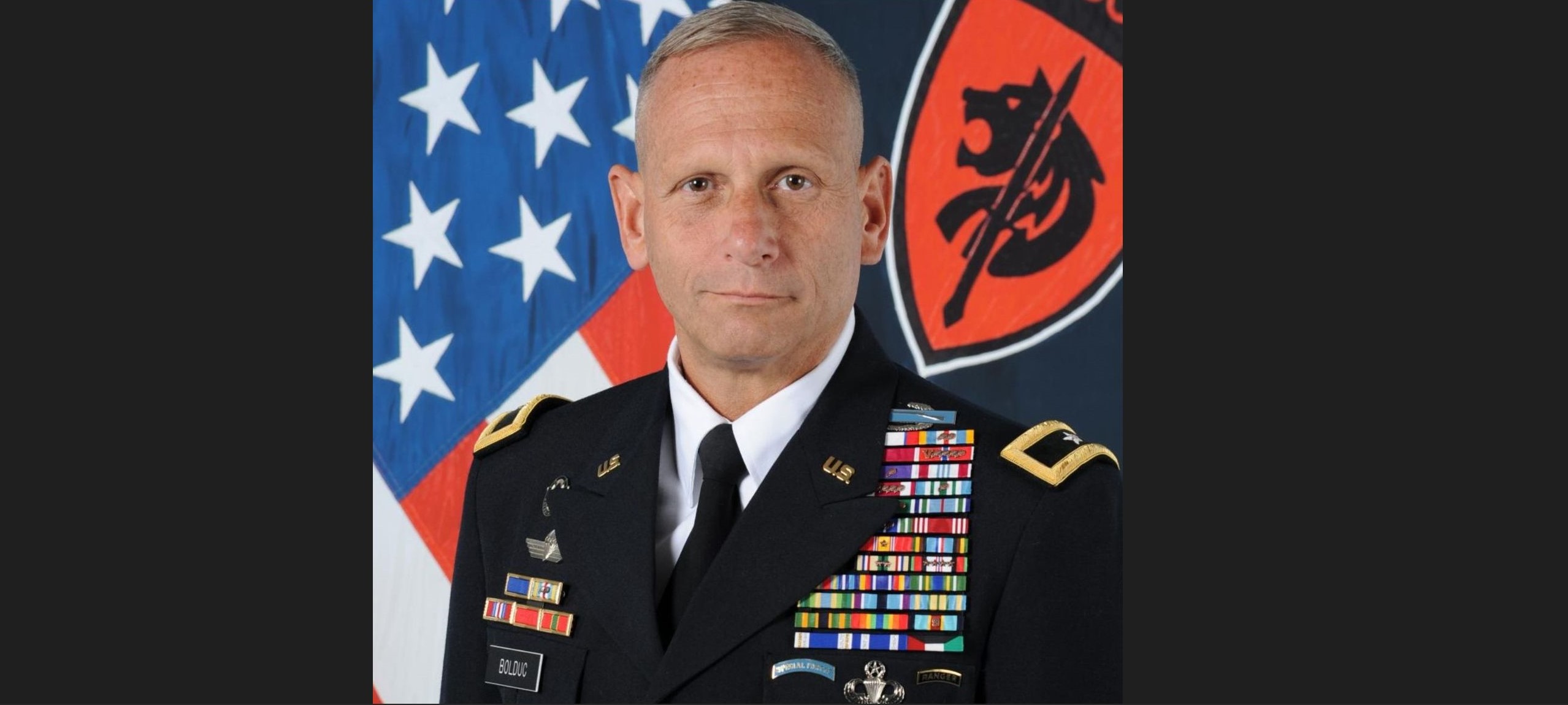
The Biden administration’s foreign policy missteps have fostered a dangerous perception of American weakness, leaving allies wary and adversaries emboldened in an increasingly unstable world.

SIG Sauer is a world-class firearms manufacturer trusted by military, law enforcement, and responsible civilian shooters, delivering precision-engineered weapons, optics, and training systems while maintaining a strong commitment to veteran hiring, American manufacturing, and the professionals who rely on their gear when it matters most.

FightCamp is an at-home boxing and kickboxing training system built around real technique, structured programming, and measurable performance. Members train with fighters and professional coaches while using connected punch and kick trackers that record volume, speed, and power in every round. The result is training that builds conditioning, skill, discipline, and resilience — all from home, on your schedule.
Barrett is the world leader in long-range, large-caliber, precision rifle design and manufacturing. Barrett products are used by civilians, sport shooters, law enforcement agencies, the United States military, and more than 75 State Department-approved countries around the world.

Hywell is a premium gear brand specializing in heavy-duty Merino wool boot socks for blue-collar professionals and outdoorsmen. Backed by an ironclad 10-Year Warranty.

Praesidus builds rugged, American-assembled watches inspired by historic military timepieces. Designed for accuracy and tested for endurance, each watch is made for outdoor explorers, everyday adventurers, and anyone who needs reliability when it matters.

Essential Provisions Field Fuel® meals [ready-to-eat] & sports nutrition products have been developed with the cleanest, high-quality nutrient and energy-dense ingredients available. Research has shown that the whole food nutrients contained in our products have the ability to help.

Have you ever tried to wear a fleece hoodie in bad weather? We don’t recommend it. That’s why we founded BÆRSkin in 2019 – to create the world’s best outdoor gear that’s just as comfortable at home as it is durable outdoors. “Bad fitting, bulky, and boring” is how we felt about 1000’s of regular fleece hoodies we tested.

If you’re 21 or older and use nicotine or tobacco, charge ahead with Black Buffalo, America’s only credible smokeless tobacco alternative. Black Buffalo dips just like the real thing without the tobacco leaf or stem. Find Black Buffalo in Wawa, Circle K, Sheetz, Love’s, Pilot, Racetrac, and many more retail locations across the United States.