US Navy Strikes Houthi Rebels, Aims to Secure Shipping Lanes
The US hit Houthi targets in Yemen again, but the Red Sea remains risky for shipping. Will these strikes finally make a difference?
684 articles
Latest Middle East stories, analysis, and updates from SOFREP.
The US hit Houthi targets in Yemen again, but the Red Sea remains risky for shipping. Will these strikes finally make a difference?
The Biden administration is reportedly walking a tightrope, offering Israel a hefty compensation package to hold off on striking Iran’s high-risk targets, but Israeli leaders remain resolute in their right to defend their nation at any cost.
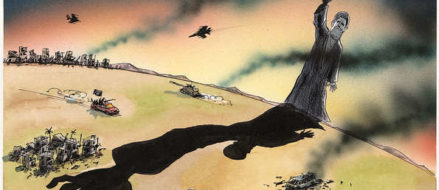
If you think Iran is waiting around to perfect an implosion device while Israel’s got them locked in their nuclear crosshairs, you’ve already lost the plot.
Israel’s patience with Iran’s nuclear ambitions is wearing thin, and if the Biden administration continues to stall, we may soon witness a high-stakes military confrontation that could embroil the entire region, dragging the U.S. along with it.
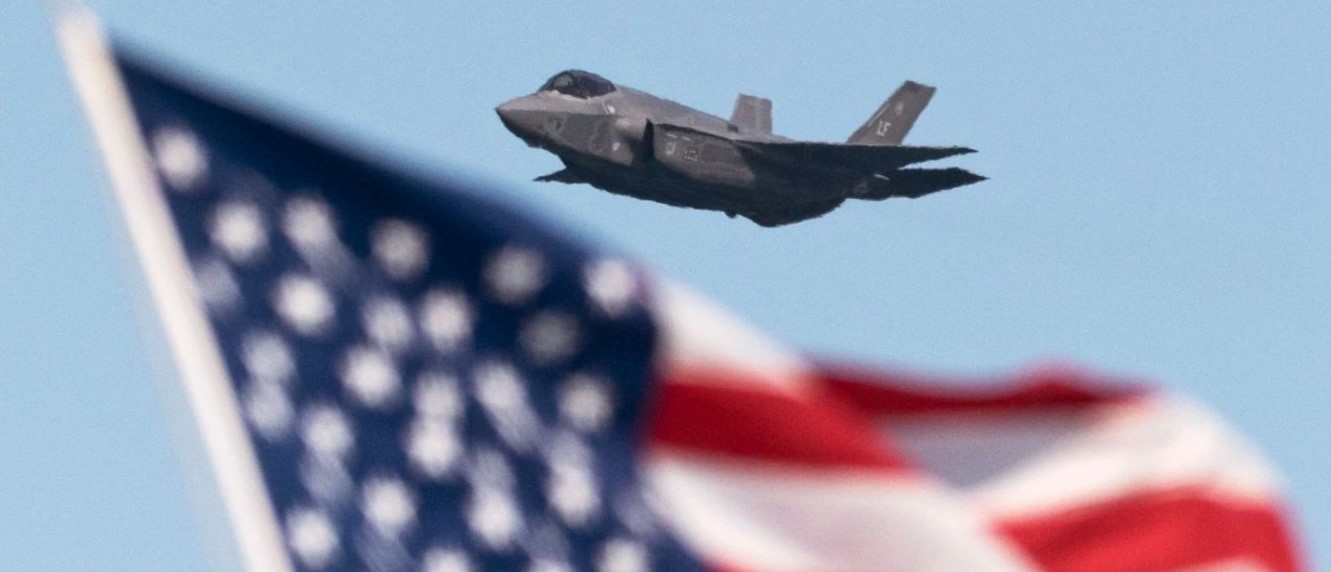
Israel’s F-35I Adir jets are equipped with domestically produced electronic warfare systems and weapons, designed to counter regional threats like Iran’s advanced air defenses and guided weapon systems, giving the Israeli Air Force a distinct advantage in modern warfare.
The U.S. must stand firm with Israel, ensuring its security while taking aggressive steps to prevent Russia from bolstering Iran’s nuclear ambitions, for the future of Middle Eastern stability and global peace.
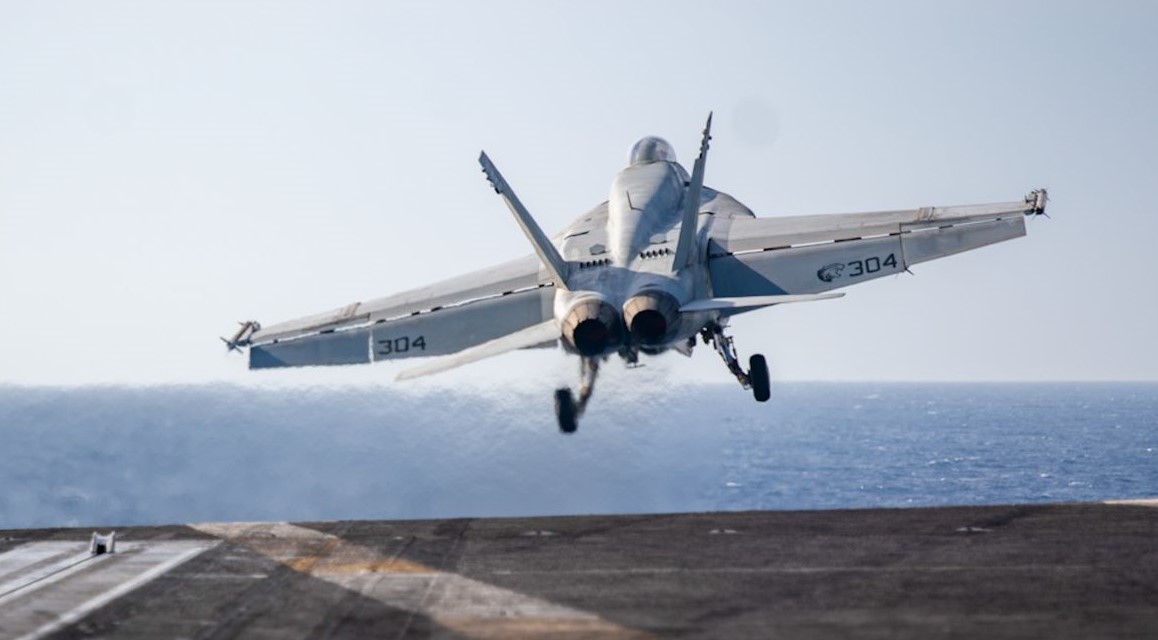
Rear Admiral Kavon ‘Hak’ Hakimzadeh’s Carrier Strike Group 2 not only set the bar with its cutting-edge weapons systems but delivered a slew of combat “firsts” in the Red Sea, marking the debut of advanced tech like the AGM-154C JSOW and EA-18G Growler air-to-air engagements in live warfare.
Today’s Pic of the Day gives spotlights to the ever-iconic, the legend—B-1B Lancer, still a top player in modern air combat.
Iran’s October 1 missile barrage against Israel proved that even the best air defenses can be overwhelmed by sheer numbers, leaving Israel to face the uncomfortable reality that their enemies have far more firepower in reserve.
If Putin truly hands nuclear weapons to Iran, the Middle East would become a powder keg with Israel ready to strike, proxy militias itching for war, and the U.S. fumbling without a strong leader to contain the chaos.
The looming question is not whether Israel will strike back, but how decisively it will leverage its superior air power and precision capabilities to neutralize Iran’s growing ballistic threat, even as regional politics complicate the logistics of such an operation.
Iran’s missile strikes are backfiring, making Israel stronger. Could Tehran’s strategy be unraveling in this escalating Middle East proxy war?