
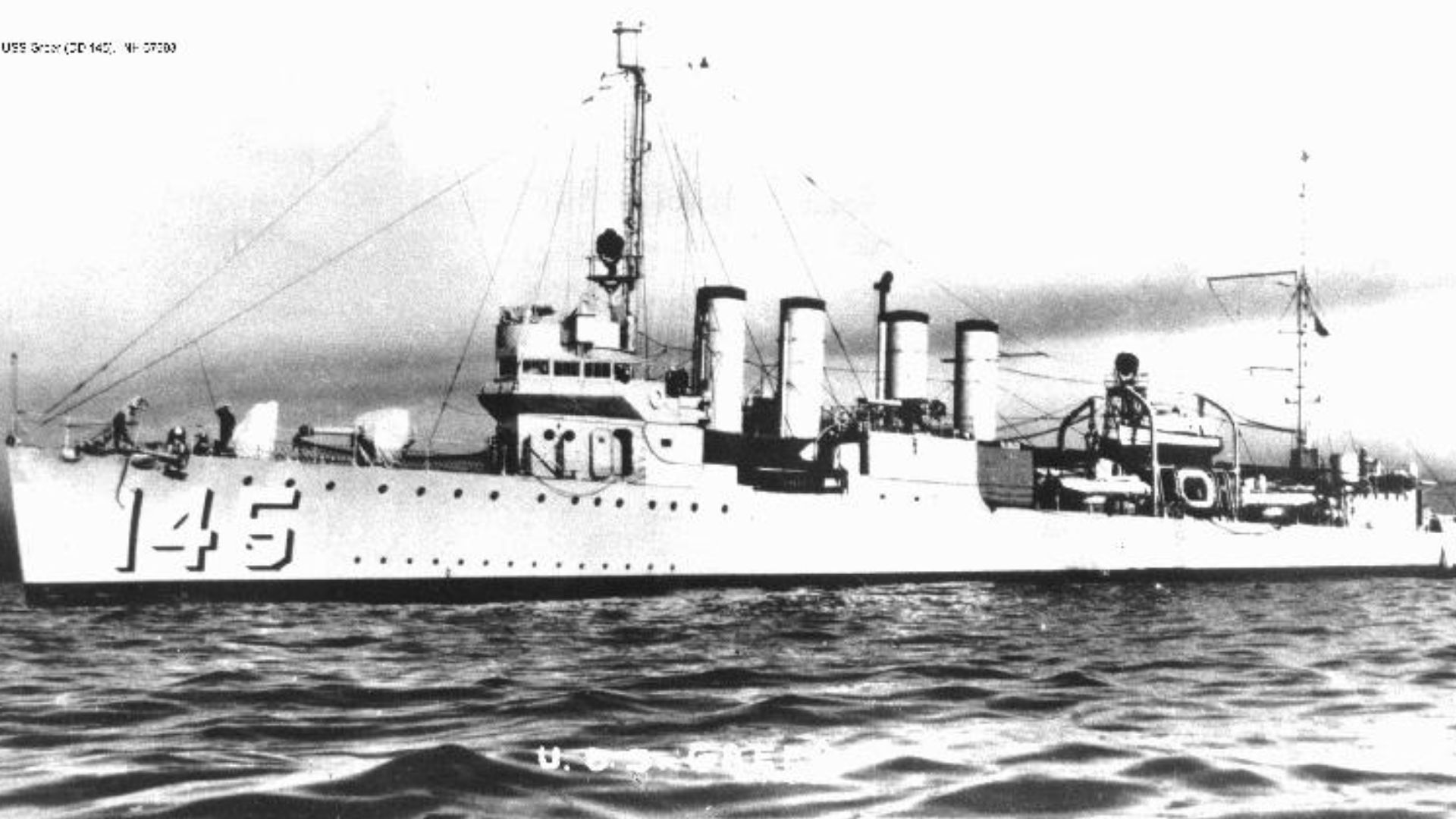
Today in History: USS Greer Fires Back at German U-Boat, September 4
September 4, 1941: USS Greer trades fire with U-652—the first US-German clash at sea, pushing America closer to World War II.
2,131 articles
Latest Military History stories, analysis, and updates from SOFREP.
September 4, 1941: USS Greer trades fire with U-652—the first US-German clash at sea, pushing America closer to World War II.
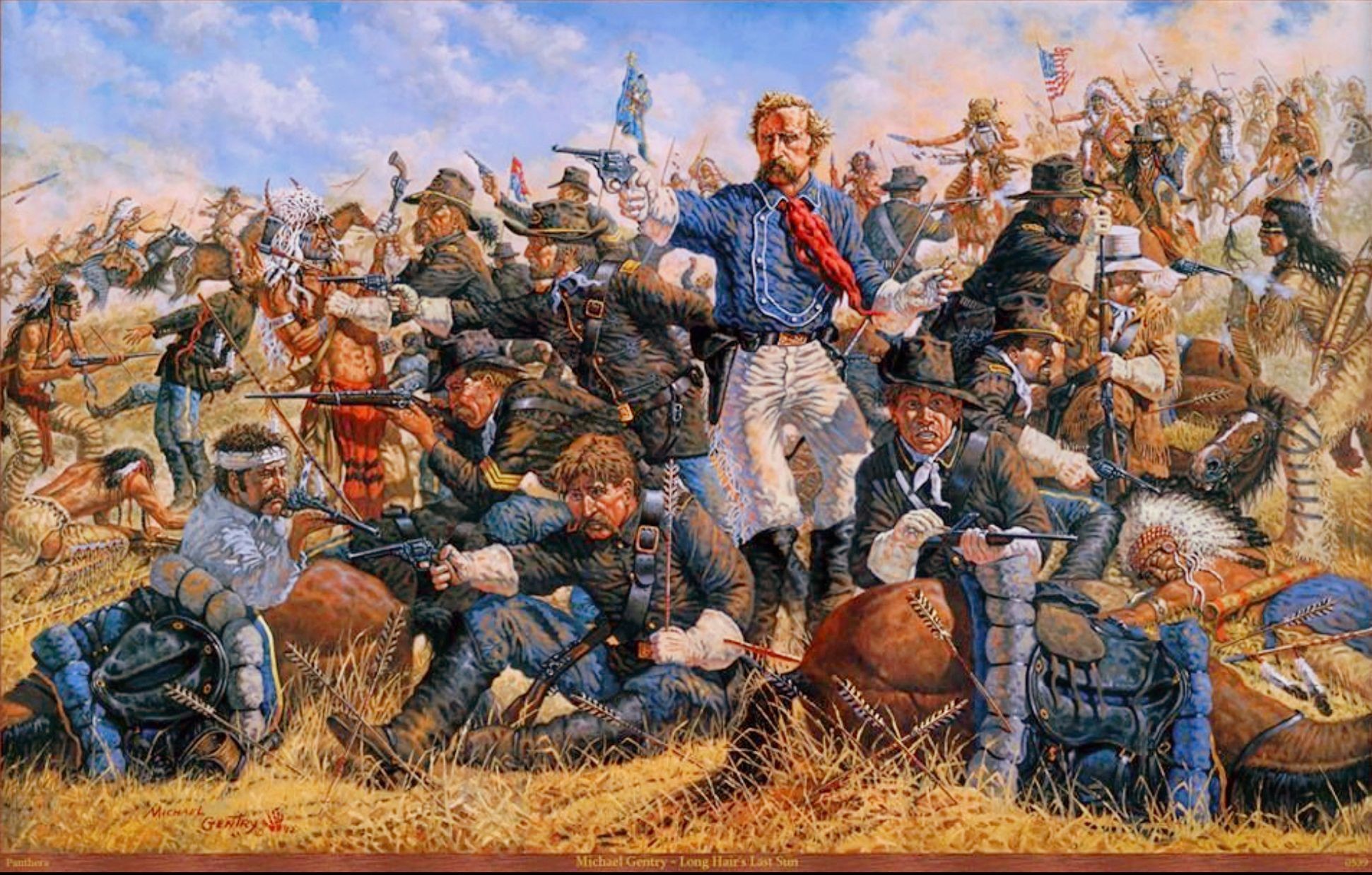
Custer fell early in the river, his brother Tom fought on—“the bravest man the Sioux ever fought,” yet history buried his stand.
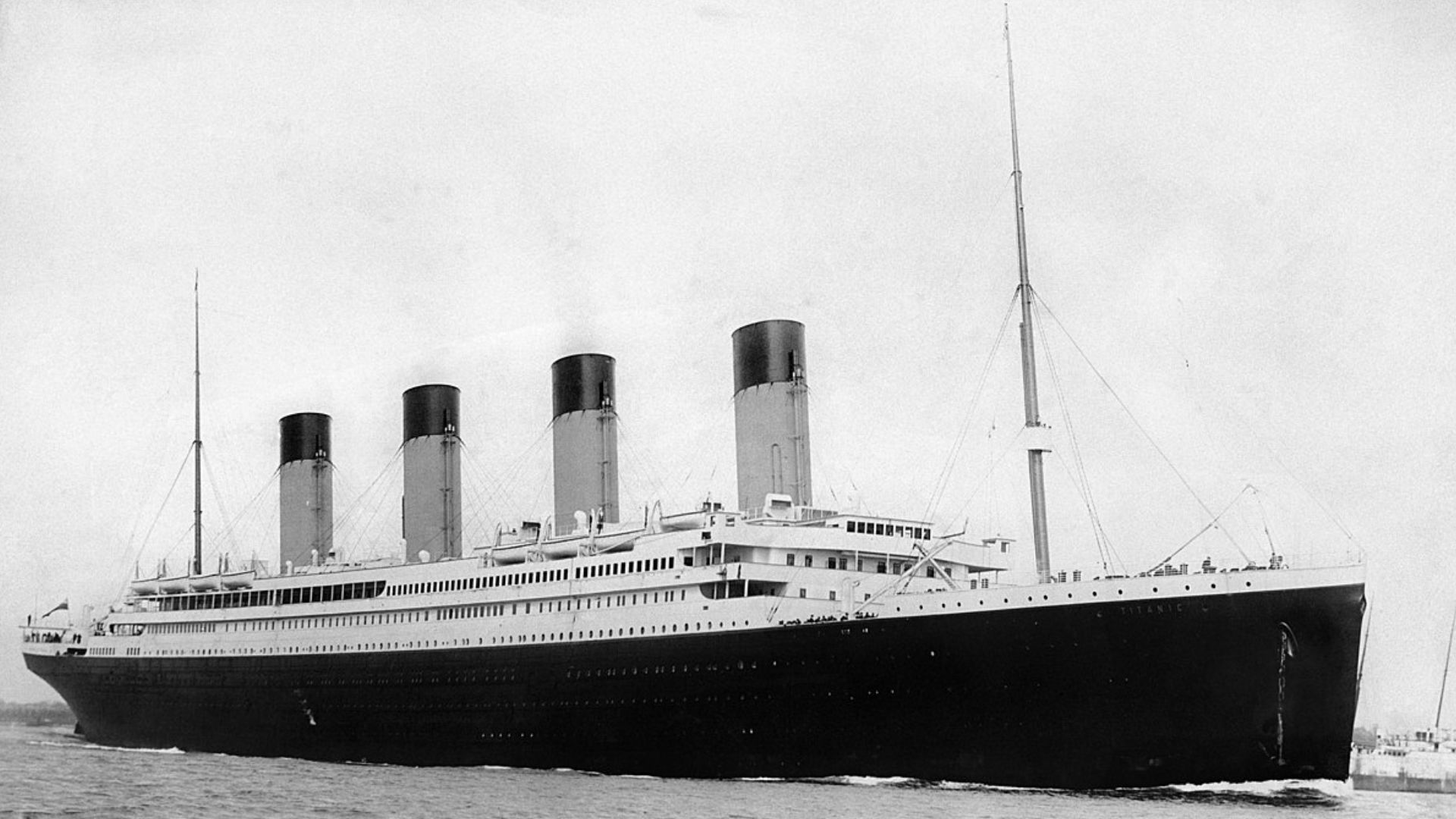
A secret Navy mission to track lost nuclear subs gave Robert Ballard the chance to uncover the Titanic in 1985.
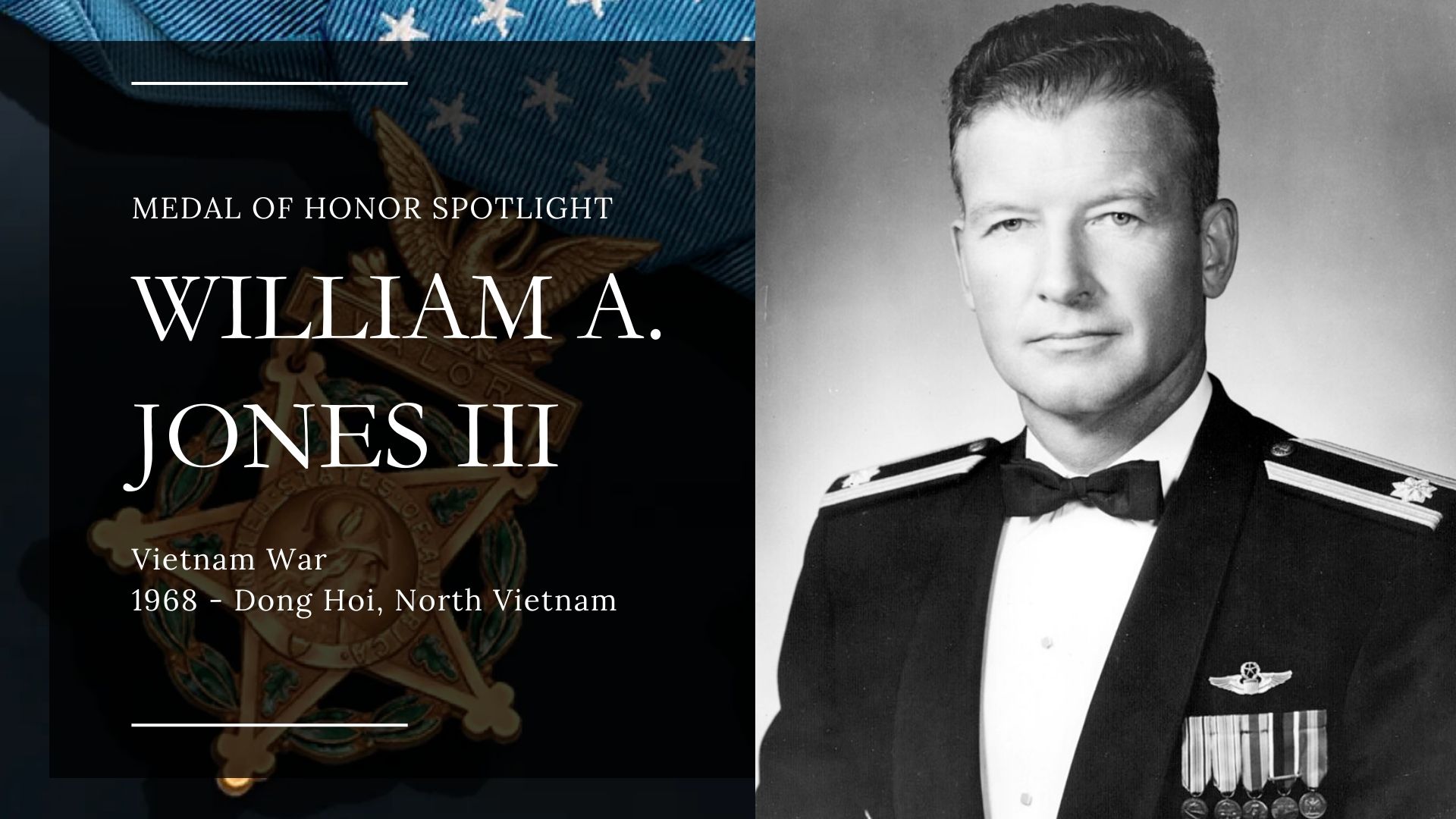
On September 1, 1968, Col. William A. Jones III braved flames and gunfire to guide a rescue that earned him the Medal of Honor.
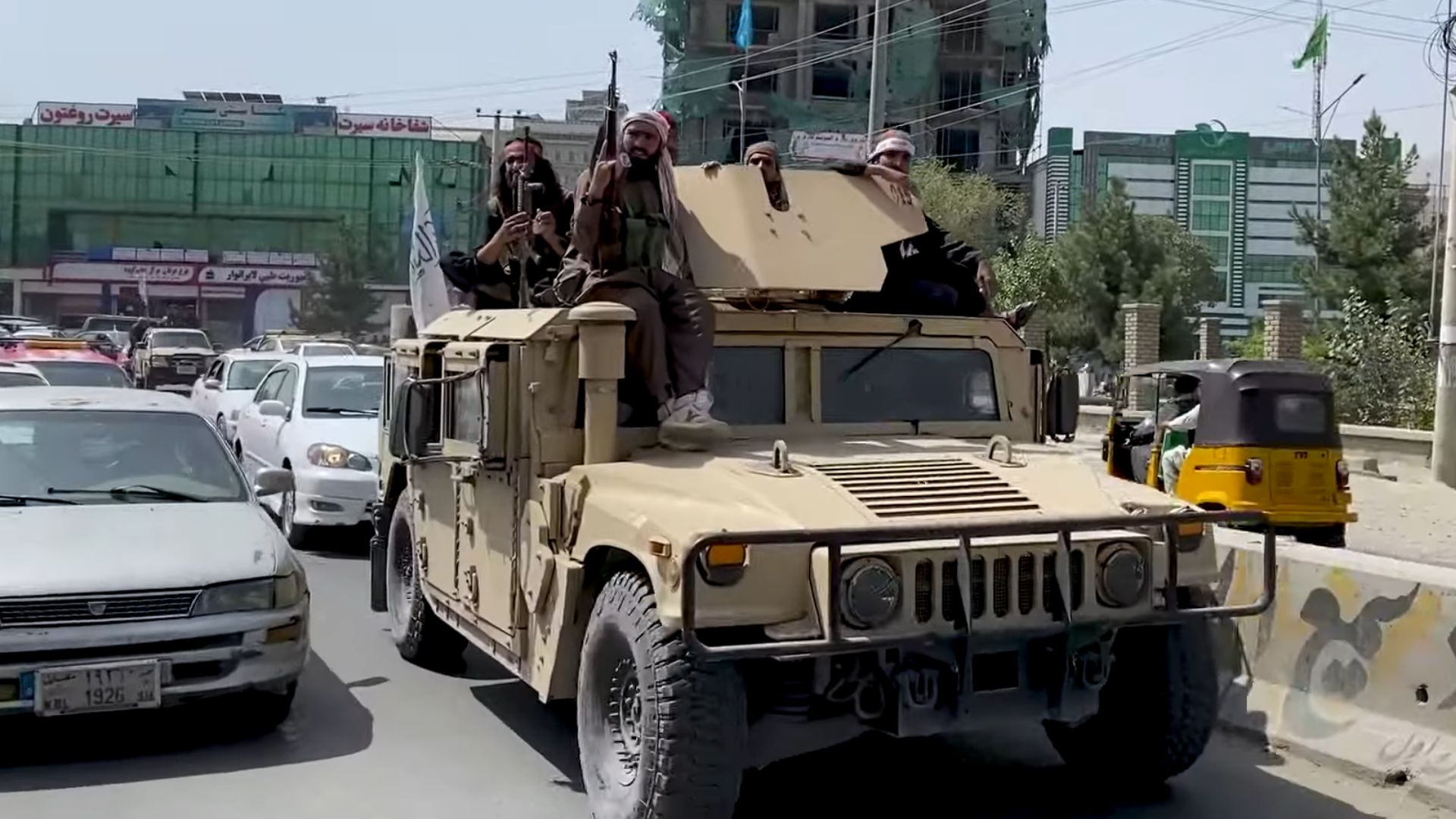
On August 30, 2021, the US ended its longest war as troops left Kabul, the Taliban celebrated, and history came full circle.
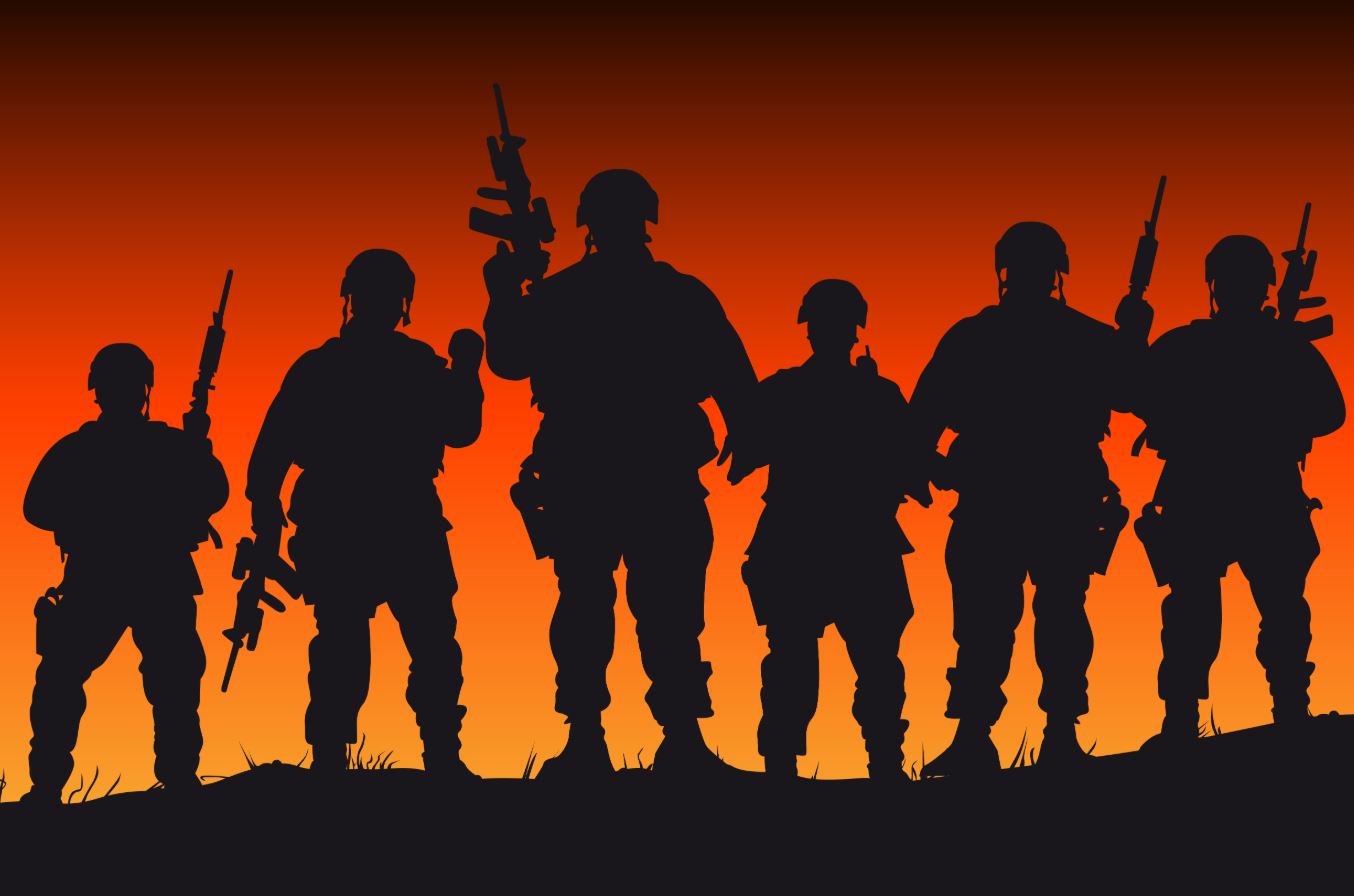
In the desert’s crucible, where ego burned away, I discovered that truth itself could be the strongest shield a man might carry.
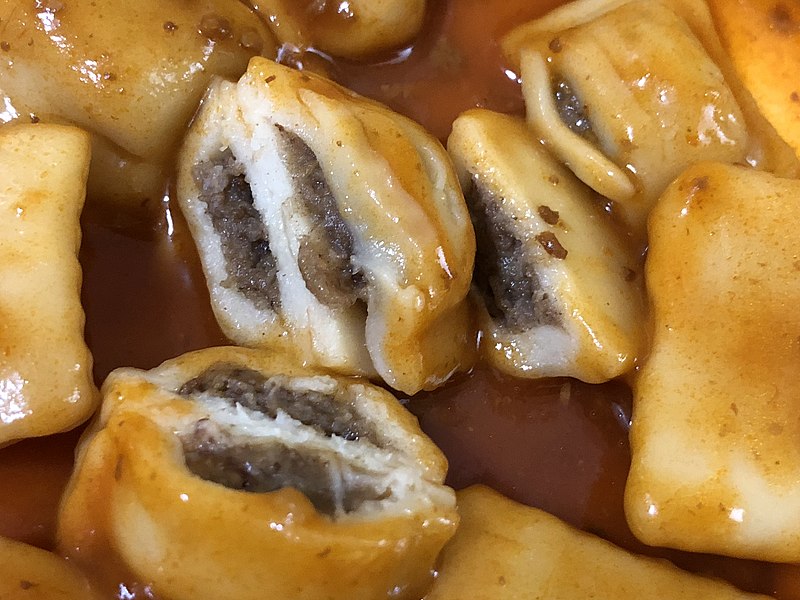
Innovation in food processing and preservation methods that began in the military soon applied in the civilian world; thus, some of our favorite instant and processed foods were originally designed for them.
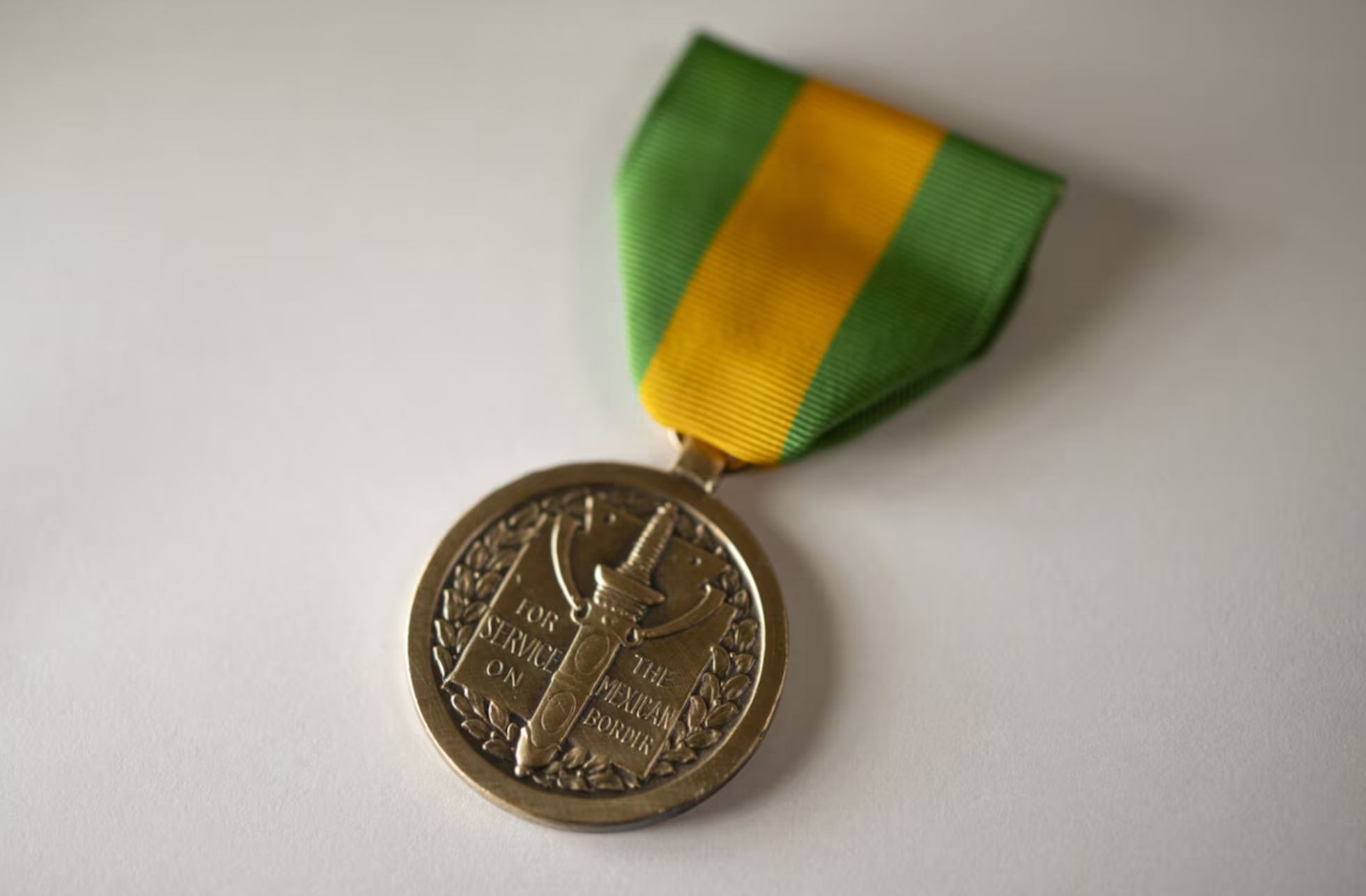
Call it what it is: a hard-earned border ribbon for the troops who kept the line tight while everyone else argued on TV.
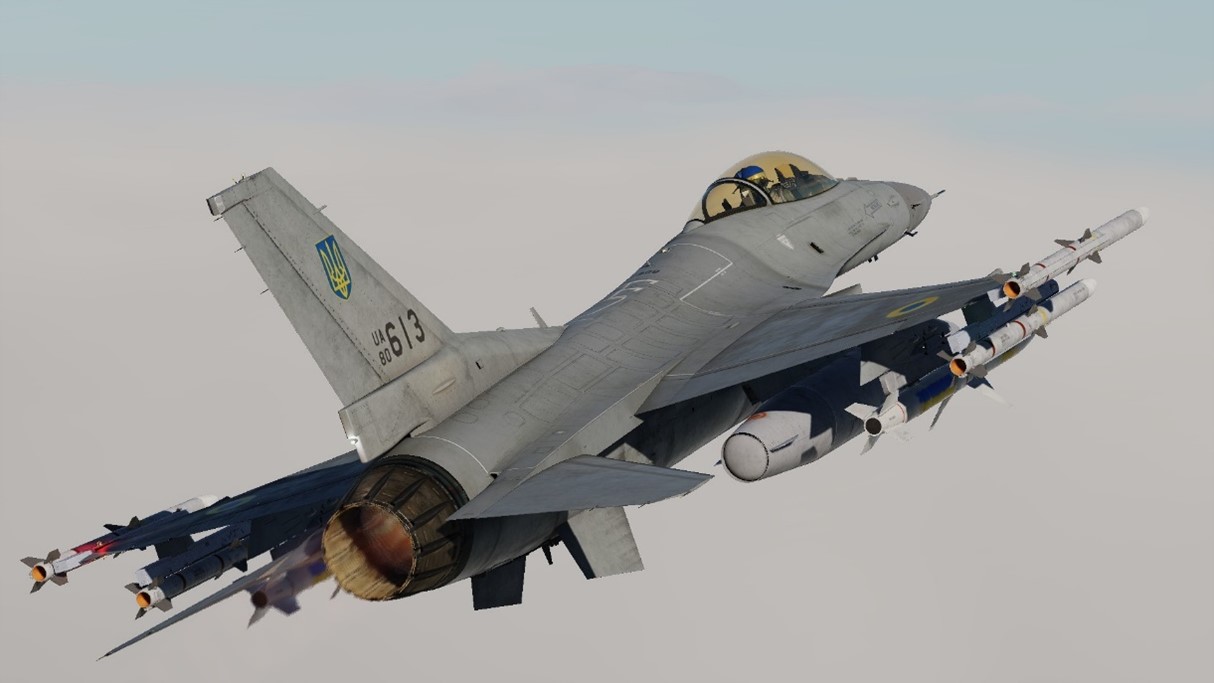
From the moment Erieye lit the Super Flanker at 150 miles, our silent Viper stalked in, loosed a single AIM-120C, and wrote a new line in this war’s air combat ledger.
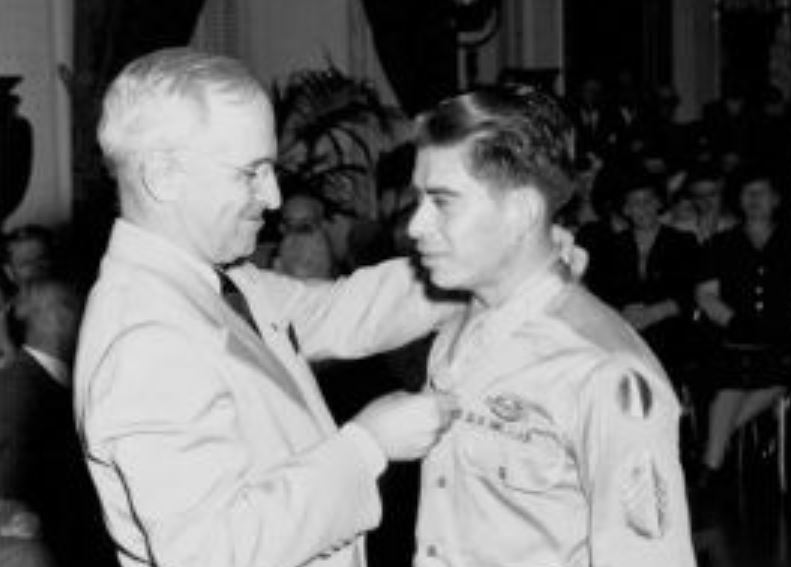
Macario García’s story is proof that courage isn’t about glory—it’s about standing up when no one else can and carrying others forward, no matter the cost.
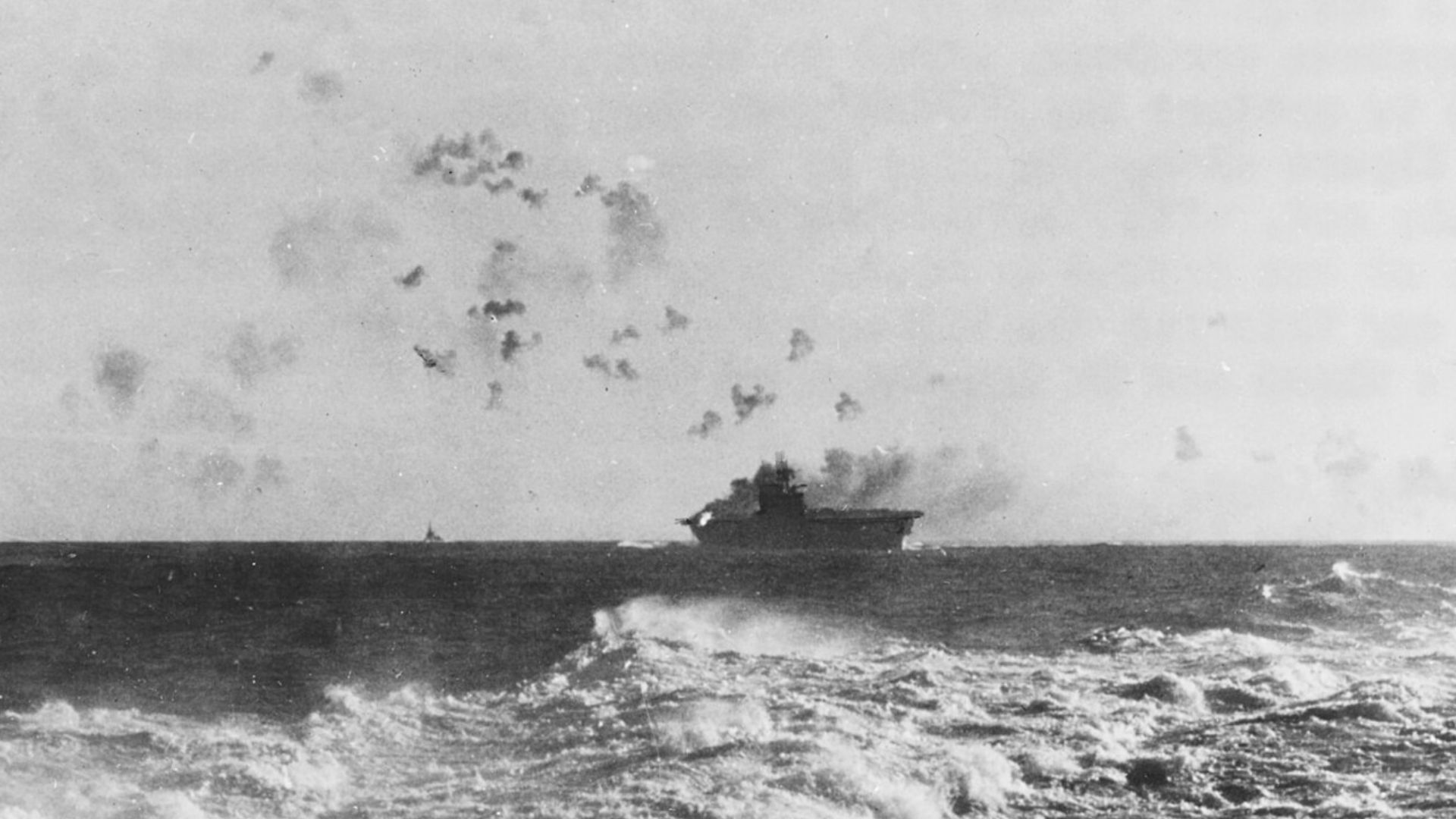
From Washington in flames to clashes in Lorraine and the Solomons, August 24 marks turning points that reshaped wars across history.
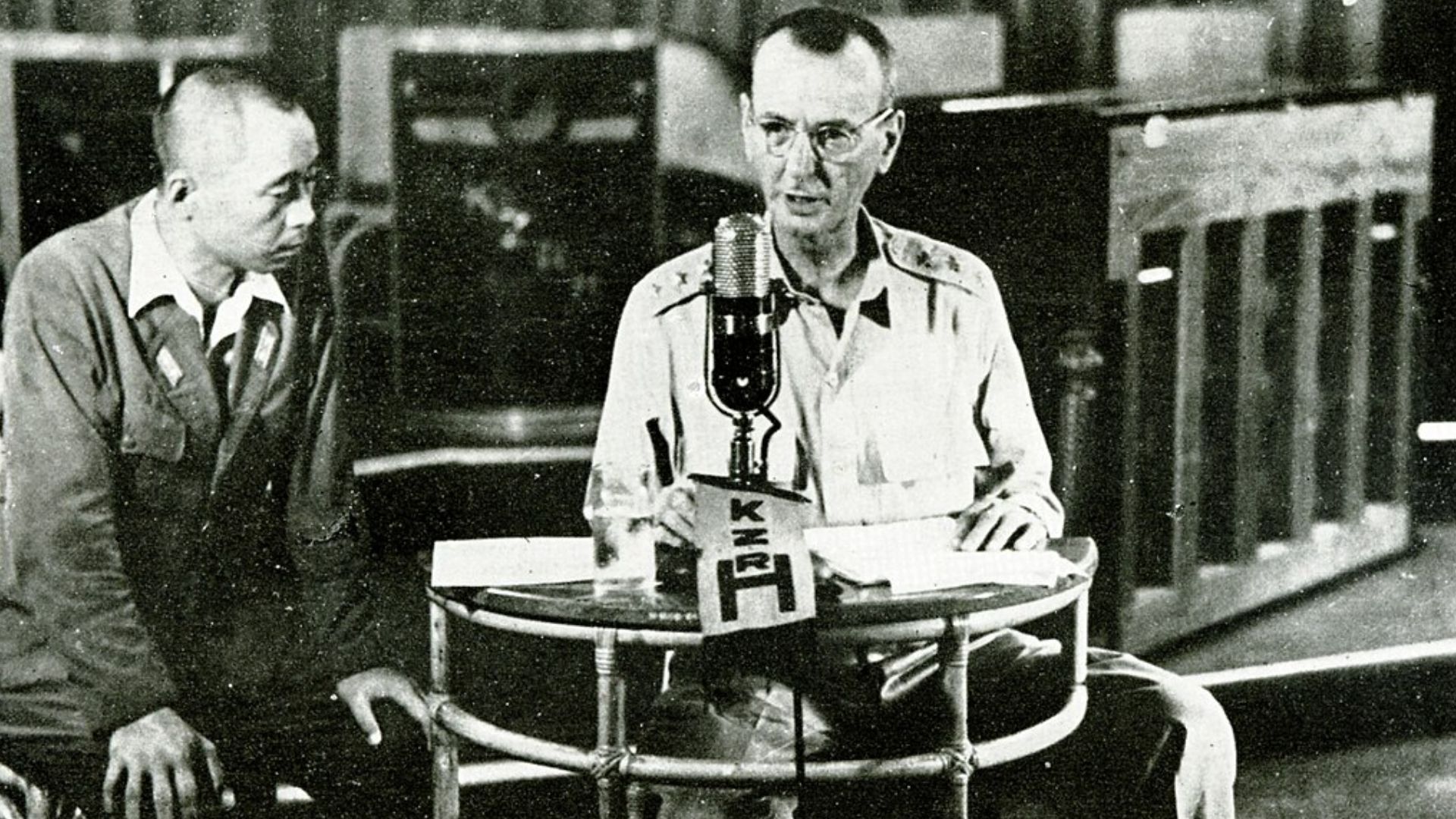
On August 23, 1945, General Jonathan Wainwright was freed from a Japanese POW camp, returning home a hero and Medal of Honor recipient.

Hywell is a premium gear brand specializing in heavy-duty Merino wool boot socks for blue-collar professionals and outdoorsmen. Backed by an ironclad 10-Year Warranty.

Praesidus builds rugged, American-assembled watches inspired by historic military timepieces. Designed for accuracy and tested for endurance, each watch is made for outdoor explorers, everyday adventurers, and anyone who needs reliability when it matters.

SIG Sauer is a world-class firearms manufacturer trusted by military, law enforcement, and responsible civilian shooters, delivering precision-engineered weapons, optics, and training systems while maintaining a strong commitment to veteran hiring, American manufacturing, and the professionals who rely on their gear when it matters most.

FightCamp is an at-home boxing and kickboxing training system built around real technique, structured programming, and measurable performance. Members train with fighters and professional coaches while using connected punch and kick trackers that record volume, speed, and power in every round. The result is training that builds conditioning, skill, discipline, and resilience — all from home, on your schedule.

Essential Provisions Field Fuel® meals [ready-to-eat] & sports nutrition products have been developed with the cleanest, high-quality nutrient and energy-dense ingredients available. Research has shown that the whole food nutrients contained in our products have the ability to help.

Have you ever tried to wear a fleece hoodie in bad weather? We don’t recommend it. That’s why we founded BÆRSkin in 2019 – to create the world’s best outdoor gear that’s just as comfortable at home as it is durable outdoors. “Bad fitting, bulky, and boring” is how we felt about 1000’s of regular fleece hoodies we tested.

If you’re 21 or older and use nicotine or tobacco, charge ahead with Black Buffalo, America’s only credible smokeless tobacco alternative. Black Buffalo dips just like the real thing without the tobacco leaf or stem. Find Black Buffalo in Wawa, Circle K, Sheetz, Love’s, Pilot, Racetrac, and many more retail locations across the United States.

Stay Locked In. No Matter What. NEORON is a brain-boosting beverage built for the mission: sugar-free, crash-free, and engineered for clean, tactical focus through long hours and high-stakes operations. Made for those who grind, stay sharp under pressure, and refuse to fold—if failure isn’t an option, NEORON has your six.