
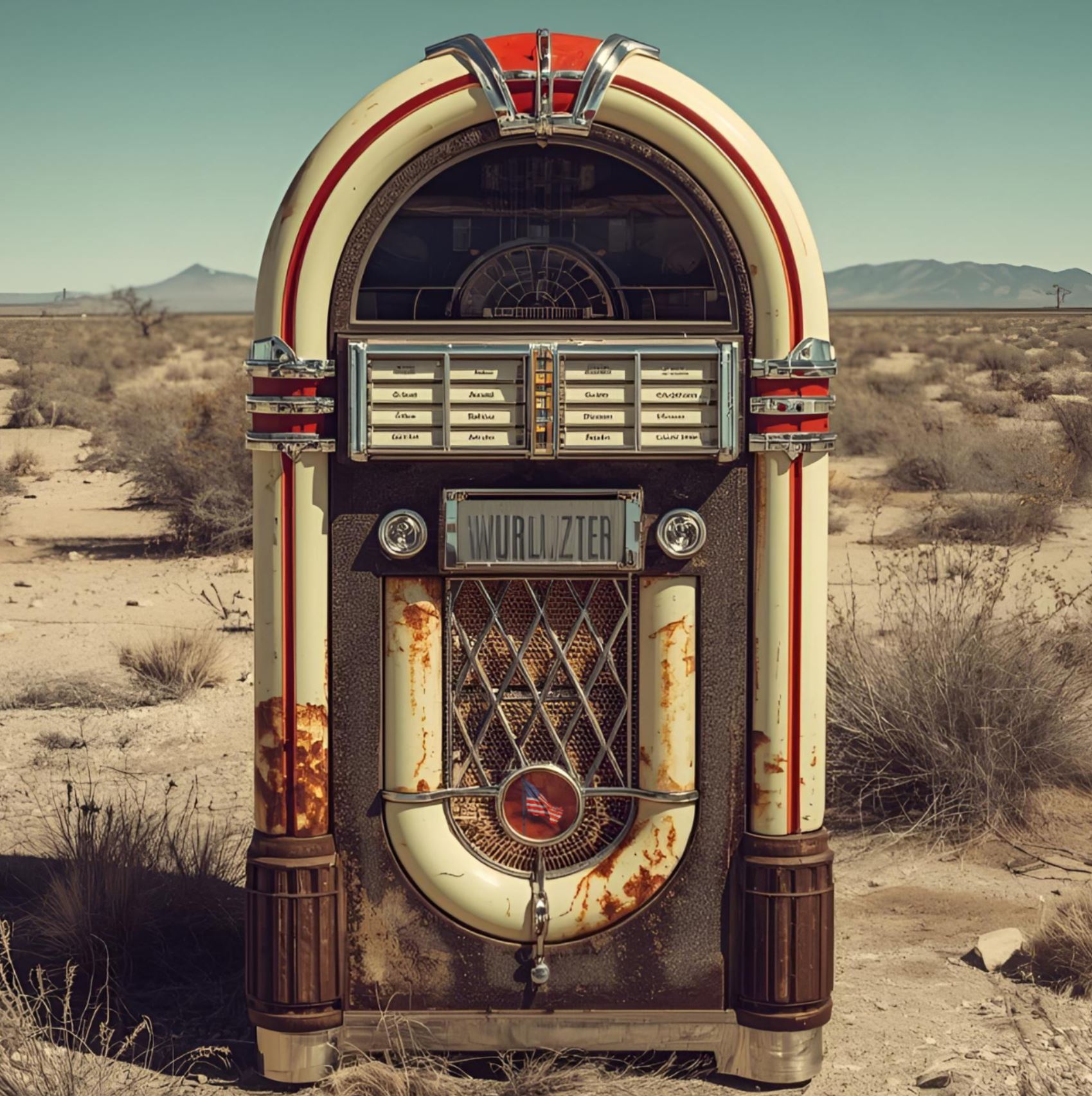
The Jukebox: A Wurlitzer of War Stories Lives in a Fayetteville Dive Bar
In McGarvey’s, the jukebox glowed like a field altar, each slot a dog tag on a guitar string, and Marcus realized the living keep the dead in tune.
2,131 articles
Latest Military History stories, analysis, and updates from SOFREP.
In McGarvey’s, the jukebox glowed like a field altar, each slot a dog tag on a guitar string, and Marcus realized the living keep the dead in tune.
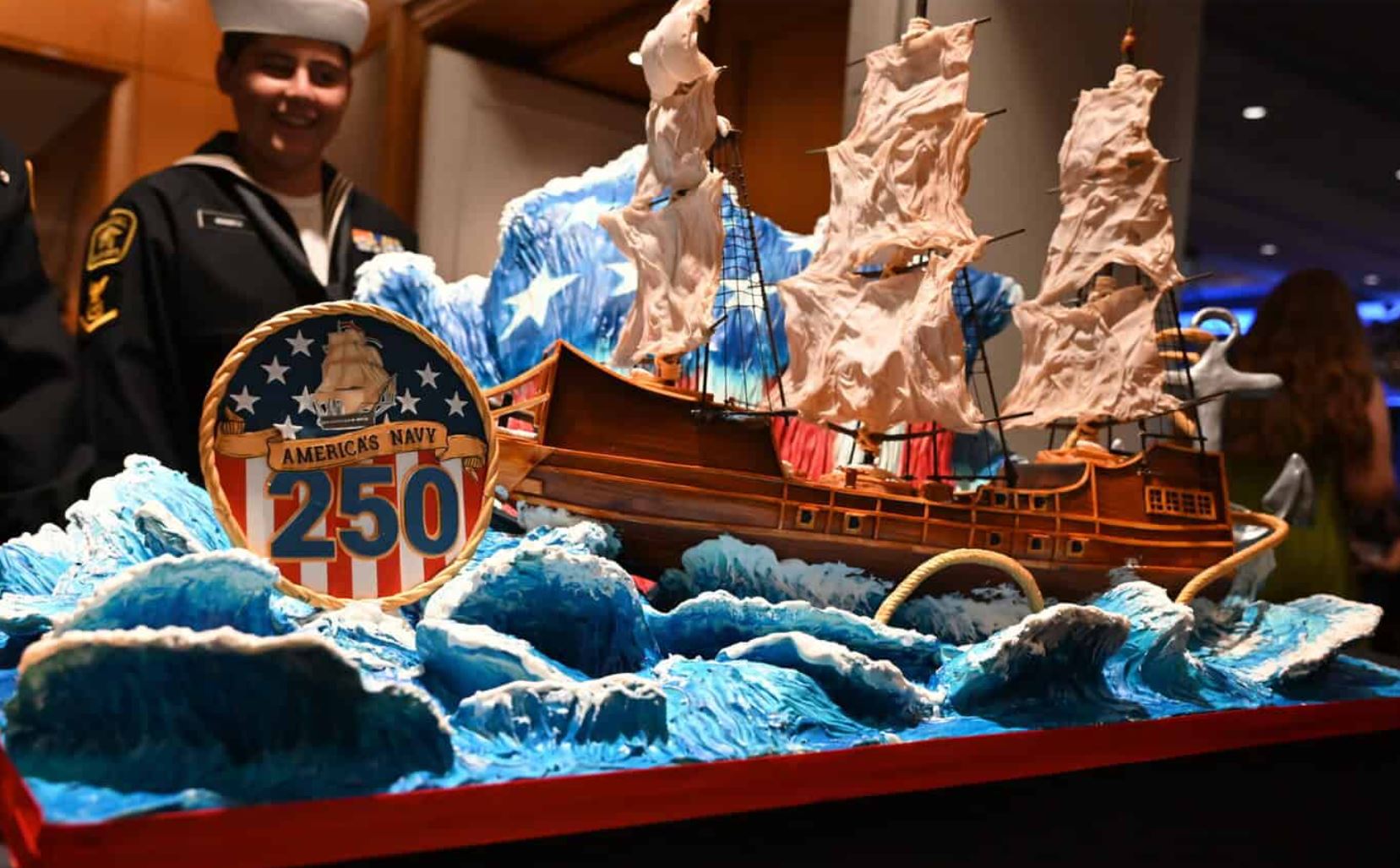
At 250, the U.S. Navy is a knife-fighting, carrier-slinging, storm-eating fleet that shows up in the dark, punches holes in tyranny, and sails home grinning when the shooting is done.
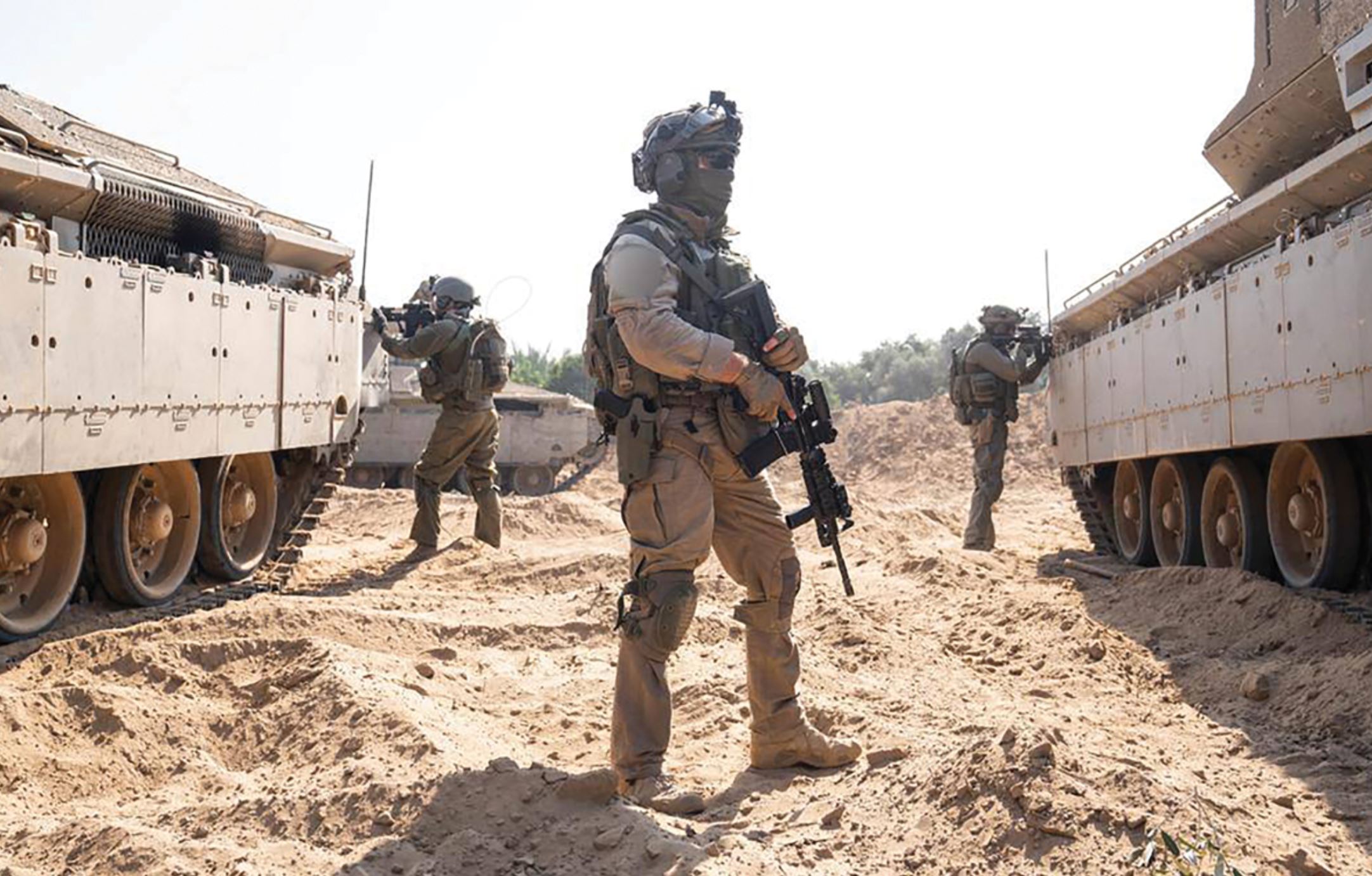
Two years after 7 October, the Middle East feels like riding around in the desert in a Humvee with a grenade with the pin half-pulled, grinding from Gaza to the Red Sea while diplomats in Cairo try to keep the spoon down and stop hostages, rockets, and headlines from detonating at once.
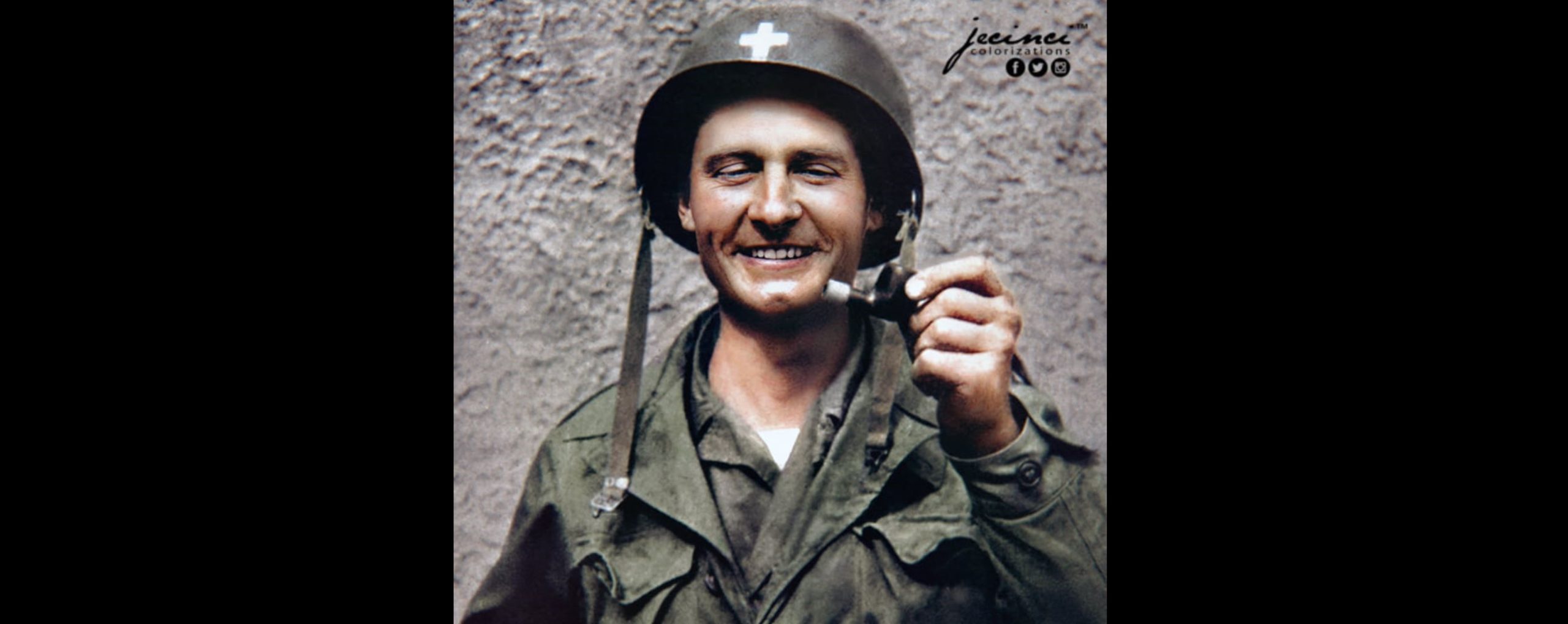
When the line broke at Unsan, Father Emil Kapaun moved toward the fire, pulled the wounded to life, and showed men that leadership starts at the point of impact.
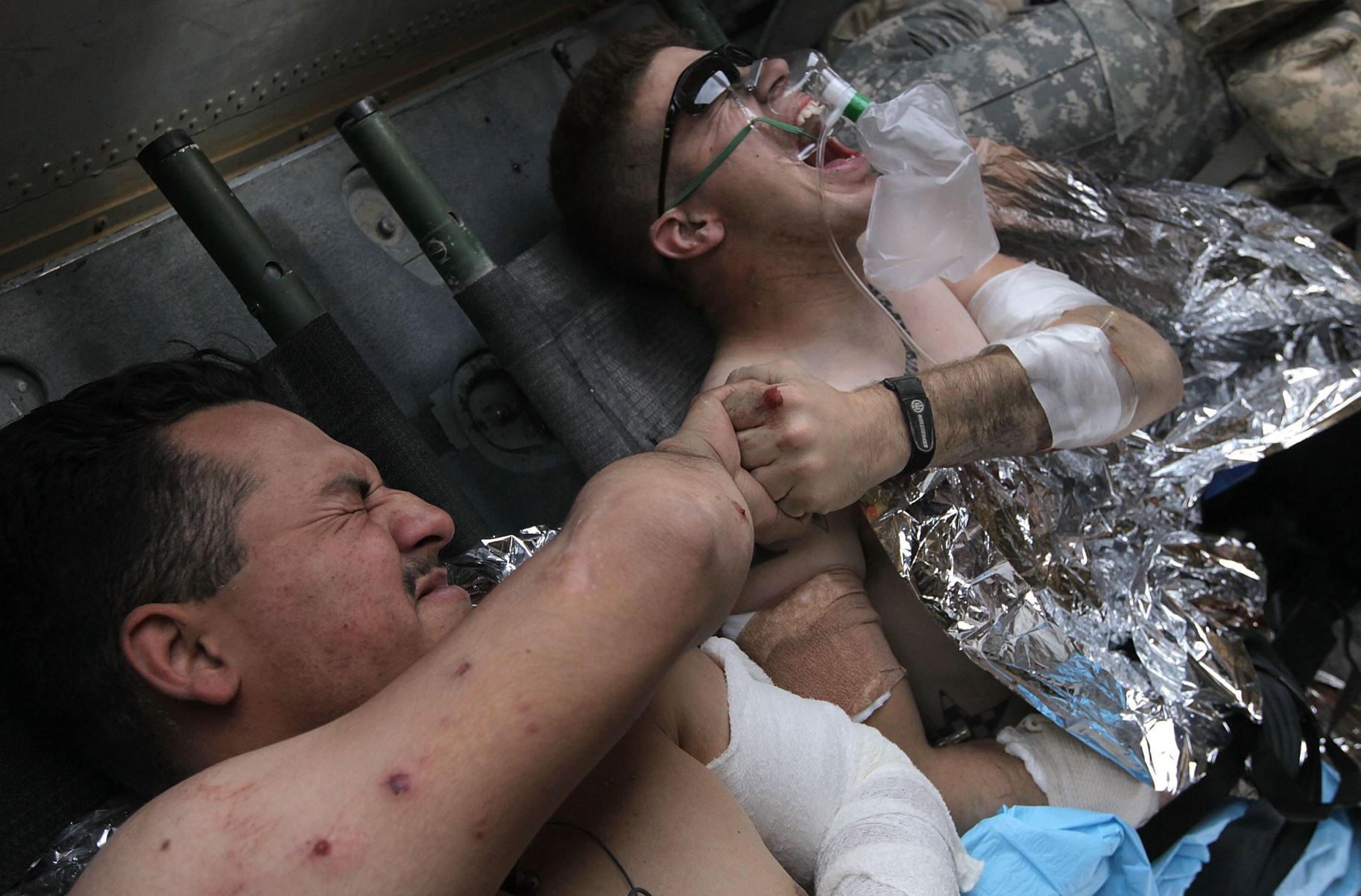
War is not glorious; it is the white hot rattle of a MEDEVAC, two blood slick hands locked after an IED blast near Kandahar, and a young sergeant who learns the hard Latin that war is only sweet for those who have not been through it.
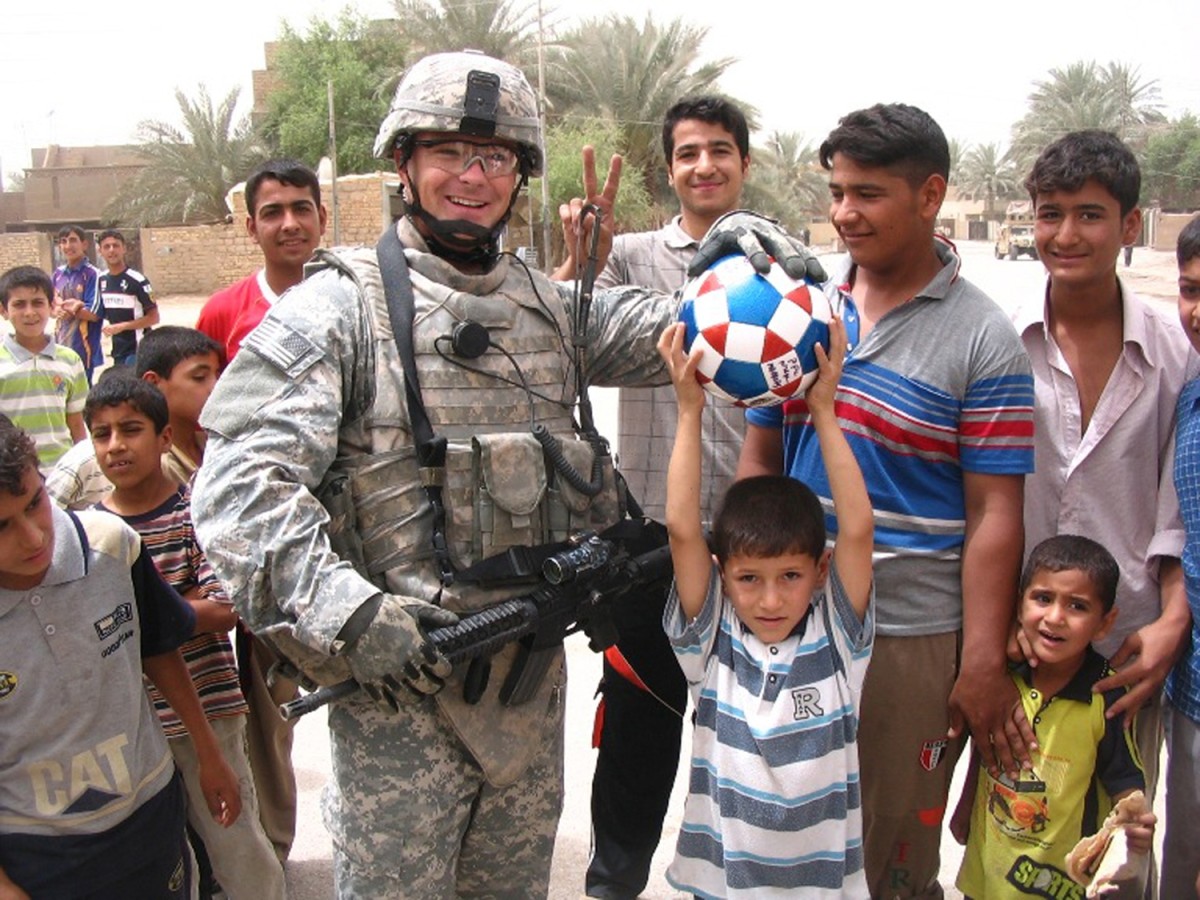
I missed my family terribly, yet as we set the conditions for others to carry on, I felt bound to Iraq by hard-won trust and wondered if leaving would betray the mission and the family of man we had become.
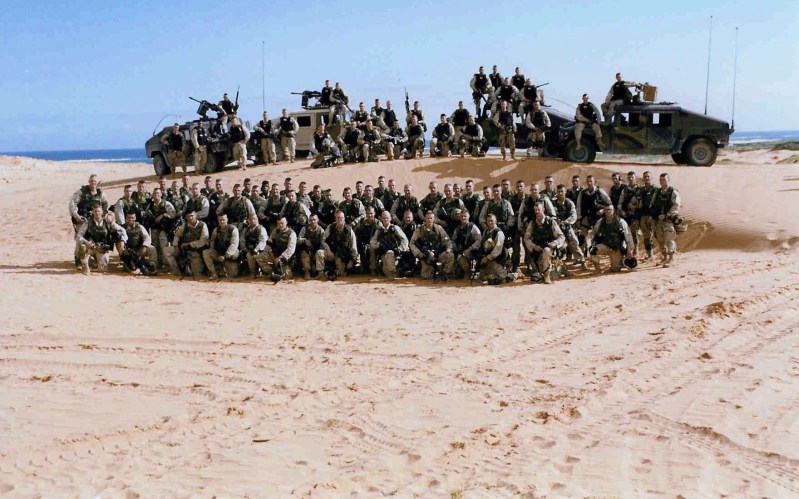
The formation of and many of the defining events in the history of the 3rd Ranger Battalion happened on October 3rd.
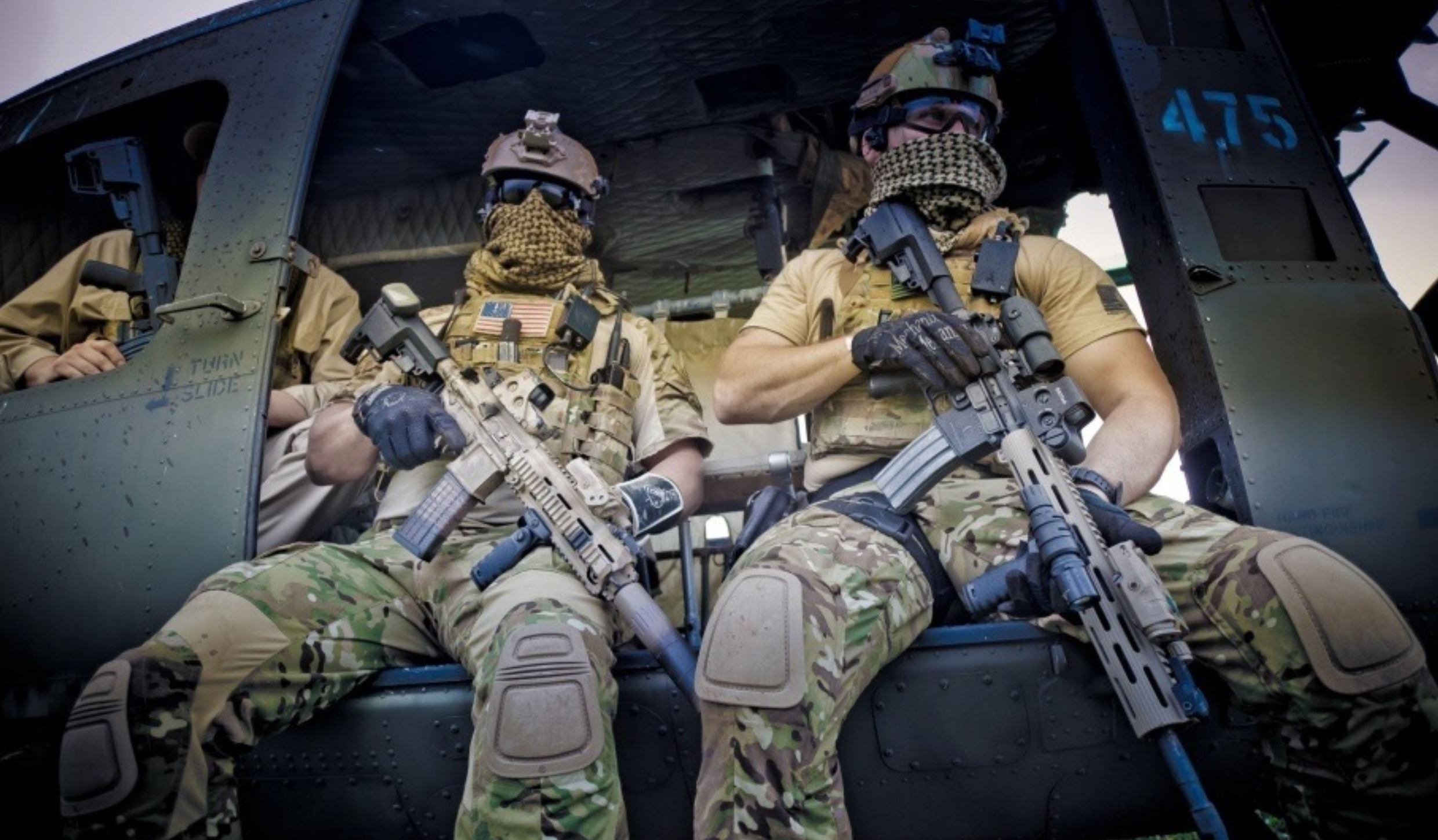
We hire writers who drop the truth like a breaching charge , then stand in the smoke and own it.
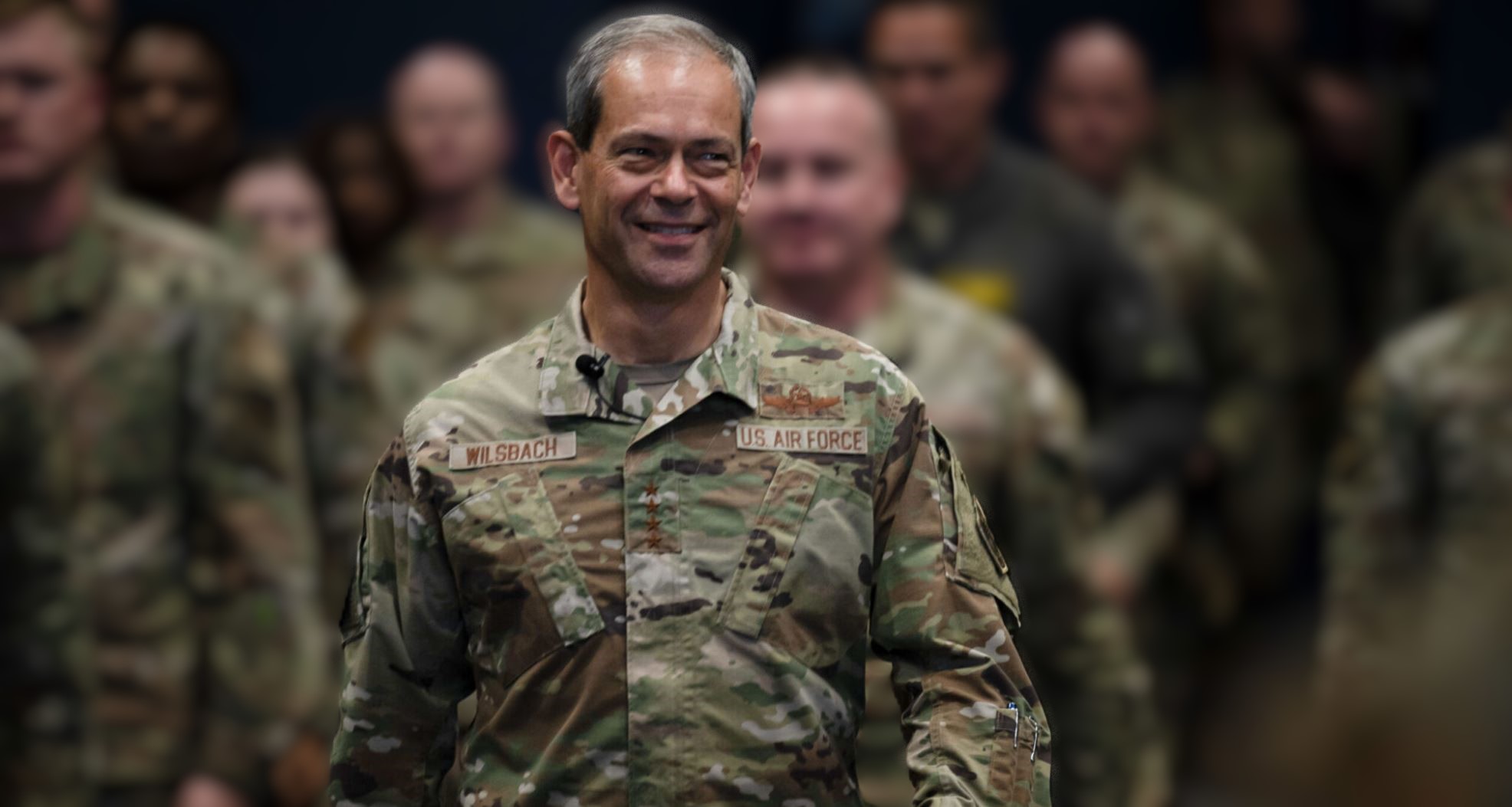
Gen. Kenneth S. Wilsbach, a combat tested pilot, is the White House pick to steer budgets, training, and modernization as the next Air Force Chief of Staff.
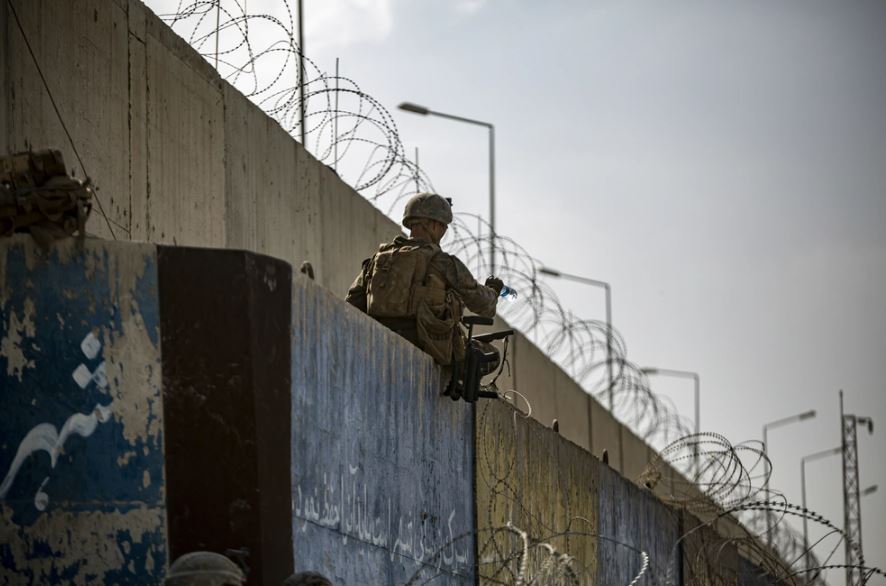
We won the battles in Afghanistan and still lost the war because Washington pursued an unsuitable, unfeasible, and unacceptable project to remake a tribal society while Congress abdicated and our generals saluted.
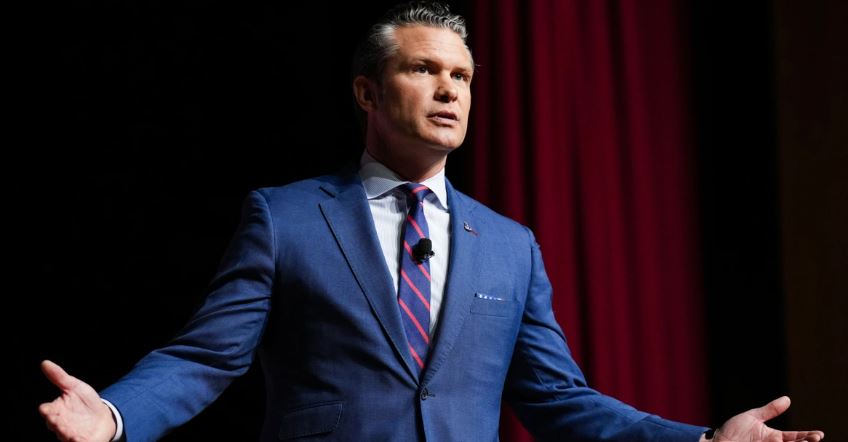
Hegseth walked into Quantico, kicked the stool out from under the Pentagon’s therapy culture, and told the brass we’re done preening and back to making warfighters who can carry the ruck, drive on and win the fight.
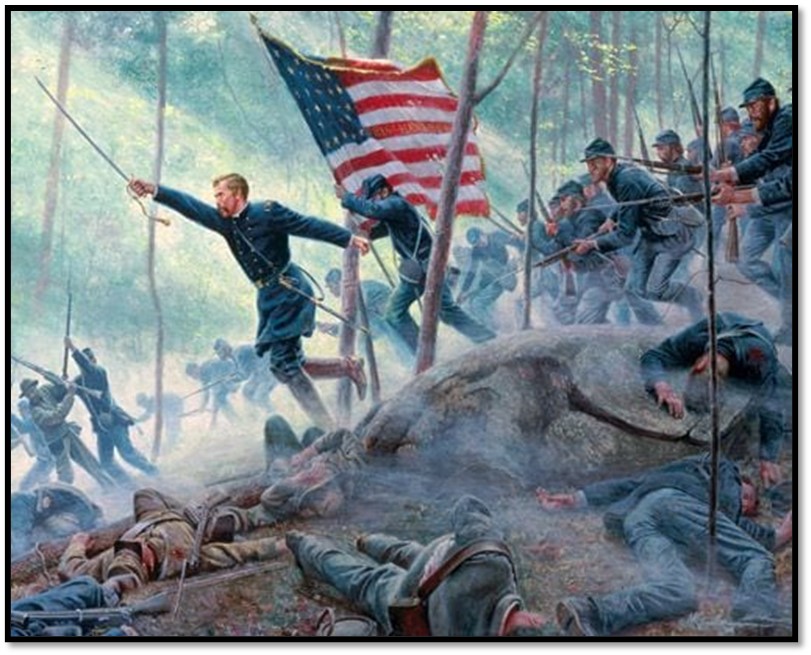
Standing on Little Round Top’s granite spine for the fifth time, I can still trace where Chamberlain’s exhausted 20th Maine pivoted on cold steel and, against repeated assaults, shattered the Alabama charge and saved the Union flank.

Hywell is a premium gear brand specializing in heavy-duty Merino wool boot socks for blue-collar professionals and outdoorsmen. Backed by an ironclad 10-Year Warranty.

Praesidus builds rugged, American-assembled watches inspired by historic military timepieces. Designed for accuracy and tested for endurance, each watch is made for outdoor explorers, everyday adventurers, and anyone who needs reliability when it matters.

SIG Sauer is a world-class firearms manufacturer trusted by military, law enforcement, and responsible civilian shooters, delivering precision-engineered weapons, optics, and training systems while maintaining a strong commitment to veteran hiring, American manufacturing, and the professionals who rely on their gear when it matters most.

FightCamp is an at-home boxing and kickboxing training system built around real technique, structured programming, and measurable performance. Members train with fighters and professional coaches while using connected punch and kick trackers that record volume, speed, and power in every round. The result is training that builds conditioning, skill, discipline, and resilience — all from home, on your schedule.

Essential Provisions Field Fuel® meals [ready-to-eat] & sports nutrition products have been developed with the cleanest, high-quality nutrient and energy-dense ingredients available. Research has shown that the whole food nutrients contained in our products have the ability to help.

Have you ever tried to wear a fleece hoodie in bad weather? We don’t recommend it. That’s why we founded BÆRSkin in 2019 – to create the world’s best outdoor gear that’s just as comfortable at home as it is durable outdoors. “Bad fitting, bulky, and boring” is how we felt about 1000’s of regular fleece hoodies we tested.

If you’re 21 or older and use nicotine or tobacco, charge ahead with Black Buffalo, America’s only credible smokeless tobacco alternative. Black Buffalo dips just like the real thing without the tobacco leaf or stem. Find Black Buffalo in Wawa, Circle K, Sheetz, Love’s, Pilot, Racetrac, and many more retail locations across the United States.

Stay Locked In. No Matter What. NEORON is a brain-boosting beverage built for the mission: sugar-free, crash-free, and engineered for clean, tactical focus through long hours and high-stakes operations. Made for those who grind, stay sharp under pressure, and refuse to fold—if failure isn’t an option, NEORON has your six.