Should We Be Afraid? The Rise of Political Hatred in the United States
If we continue down this path of political hatred and violence, the greatest danger to America will not come from abroad, but from within our own divided house.
Charlie Kirk’s tragic death must awaken us to the urgency of rejecting division and embracing a culture of respect, dialogue, and unity in American politics.
Donald Trump has shown, through both incompetence and a profound lack of empathy, that he is fundamentally incapable of providing the leadership our Armed Forces and nation deserve.
Art at West Point isn’t just décor—it sparks dialogue on history, values, and leadership, shaping cadets into thoughtful future officers.
Renaming the Pentagon won’t fix failures—real reform lies in strategy, leadership, and accountability, not political theater over titles.
Trump’s foreign policy missteps fueled global discord, weakened allies, and opened the door for China, Russia, and Iran to unite.
Military force against drug cartels crosses legal and ethical lines, risking lives and undermining U.S. law and global norms.
The flag embodies sacrifice and freedom. I oppose burning it, yet I believe protecting expression is essential to honor our democracy.
America’s greatest threat isn’t foreign—it’s our own division. Polarization erodes trust, unity, and the very fabric of democracy.
Community over crackdown: New Mexico’s Guard model shows crime can drop without sacrificing trust, rights, or local control.
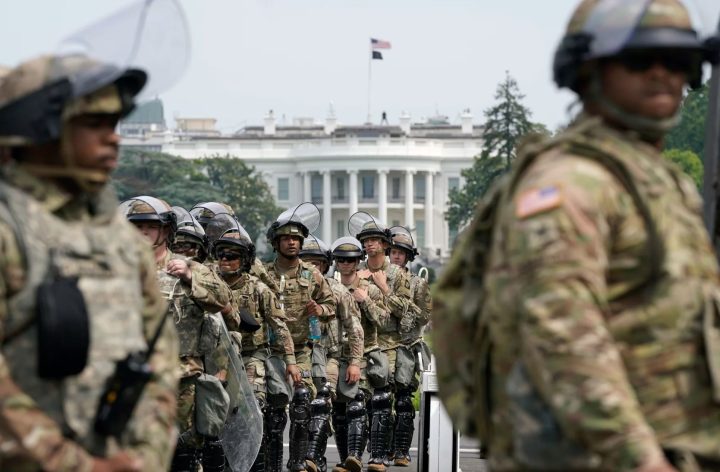
The misuse of military power in domestic affairs not only threatens civil liberties but also undermines the constitutional balance between local governance and federal authority.
Lincoln’s timeless plea for unity and compassion reminds us that America’s strength lies not in partisan victories, but in our shared commitment to healing the nation’s wounds together.