
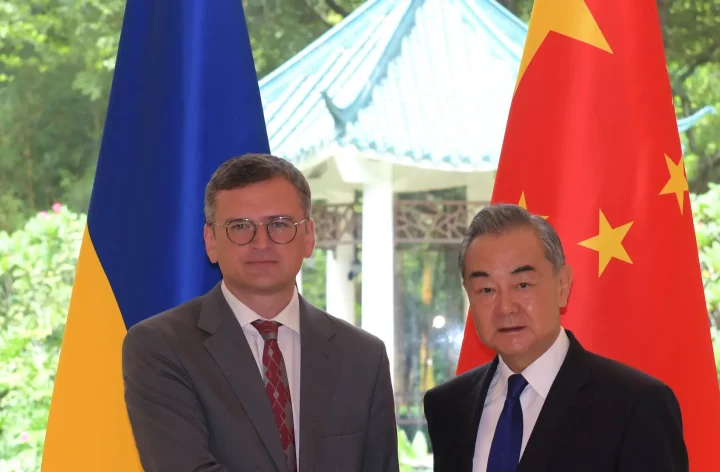
China and the War in Ukraine: A Shift in Global Power
China did not need to fire a shot in Ukraine to come out ahead; it only had to wait while the West bled will and capacity and Russia slid, predictably, into Beijing’s pocket.
1,215 articles
Latest Security stories, analysis, and updates from SOFREP.
China did not need to fire a shot in Ukraine to come out ahead; it only had to wait while the West bled will and capacity and Russia slid, predictably, into Beijing’s pocket.

A military aircraft dressed up to look civilian is not a scandal, it is standard operating procedure in a world where the enemy studies your silhouettes, hunts your patterns, and kills you for being predictable.
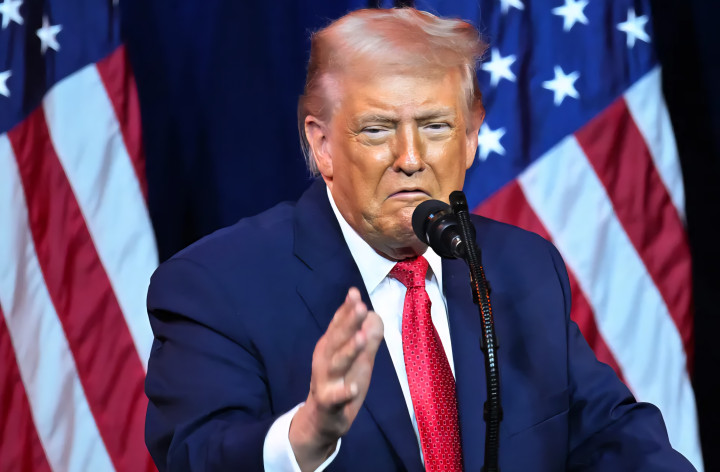
U.S. pressure is tightening across the Western Hemisphere as Washington warns Cuba, cracks down in Venezuela, Iran’s unrest turns deadlier under blackout conditions, and Minneapolis edges toward federal intervention amid escalating clashes over immigration enforcement.
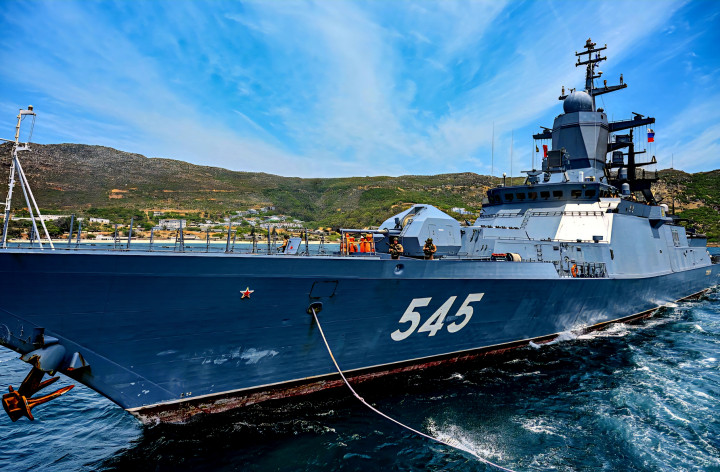
BRICS navies are flexing off South Africa as the U.S. shifts Army forces toward the Indo-Pacific, Trump escalates rhetoric on owning Greenland for Arctic defense, and Taiwan searches for a missing F-16V while grounding its fleet for safety checks.
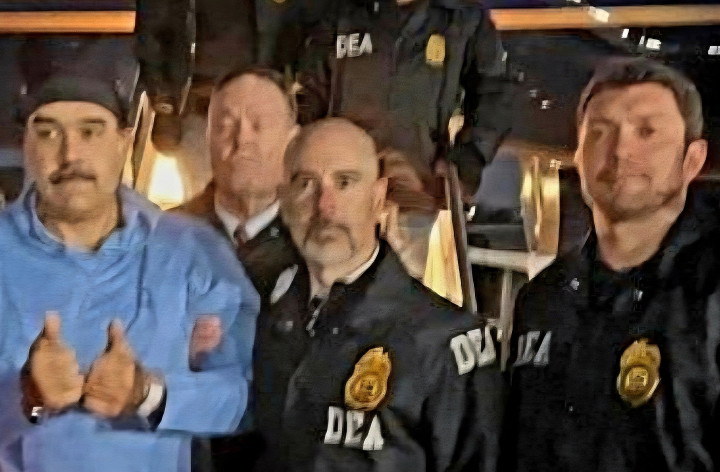
Maduro remains in U.S. custody as Venezuelans celebrate and stabilization plans take shape, RAF Typhoons struck an ISIS weapons cache in Syria, Wagner continues fueling Sudan’s RSF proxy war, and gunmen killed at least 30 in a raid in Nigeria.
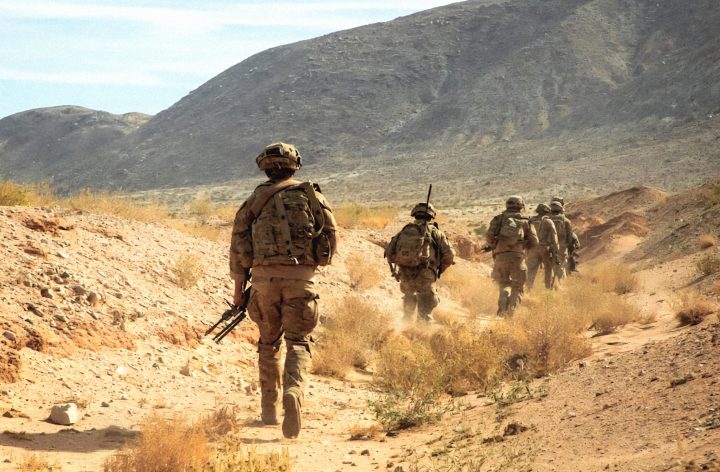
The Army is cutting hundreds of hours of mandatory training, the Marine Corps is doubling down on Force Design for a Pacific fight, and Los Angeles is moving to tighten rules on LAPD less-lethal weapons at protests. Today’s brief breaks down what changed, why it matters, and what critics are already warning about.
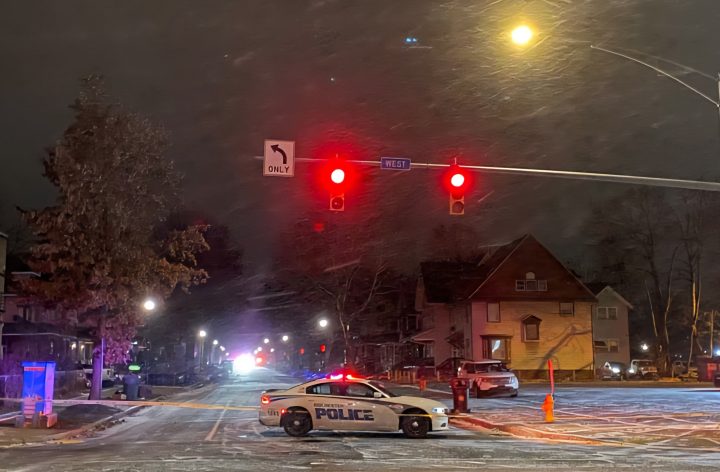
From an ambush that wounded three Rochester police officers, to the killing of UN peacekeepers overseas, to US forces seizing sanctioned oil tankers off Venezuela, a series of escalating incidents highlights growing risks for security forces operating in unstable and increasingly contested environments.
Breaking down how neoconservatism and America First both demand a dominant U.S. military, but one aims to shape the world while the other uses power to secure direct benefits for Americans.
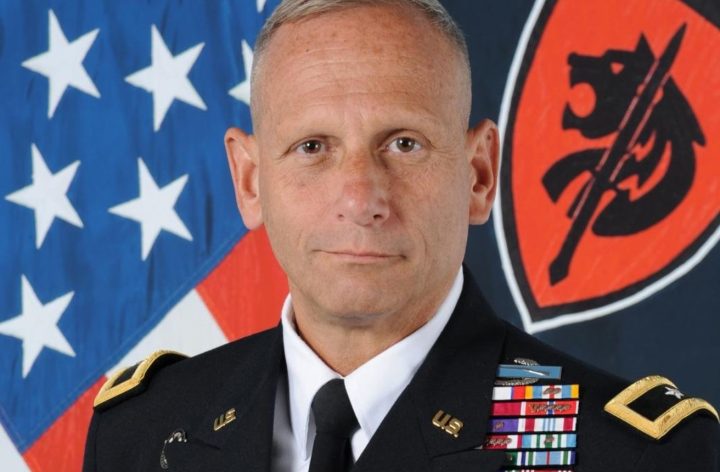
Trump’s National Security Strategy reads like a needless pickaxe to America’s European alliances while offering a transactional “reset” with Russia that risks trading long-standing democratic commitments and regional stability for short-term political and economic convenience.
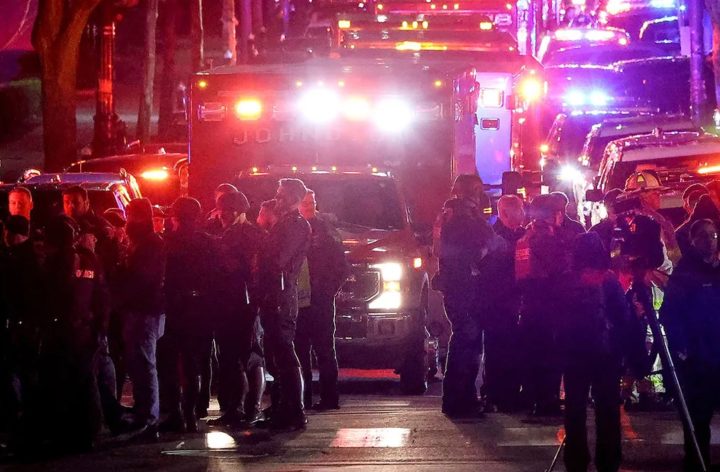
From Kabul evac fallout to a deadly ambush in Abyei and the mess of armed factions in Gaza, these stories all point to the same truth: rushed decisions and fragile ceasefires always get paid for by people standing post. Whether it’s Guard troops at home, peacekeepers abroad, or IDF units hunting bomb-makers, the work is still dirty, dangerous, and done without applause.
Trump’s National Security Strategy isn’t isolationism, it’s a hard pivot toward a narrower, transactional worldview where borders and identity politics drive the threat picture, “Western civilization” becomes a tribal banner, and allies are left wondering if they’re partners or just the next line item to be renegotiated.
If the bombing of that vessel is ultimately judged to have targeted civilians or used grossly disproportionate force, then everyone in the chain of command, from the trigger-puller up to President Trump and his Pentagon leadership, must answer for it as a potential war crime rather than dismiss it as routine business of war.

Hywell is a premium gear brand specializing in heavy-duty Merino wool boot socks for blue-collar professionals and outdoorsmen. Backed by an ironclad 10-Year Warranty.

Praesidus builds rugged, American-assembled watches inspired by historic military timepieces. Designed for accuracy and tested for endurance, each watch is made for outdoor explorers, everyday adventurers, and anyone who needs reliability when it matters.

SIG Sauer is a world-class firearms manufacturer trusted by military, law enforcement, and responsible civilian shooters, delivering precision-engineered weapons, optics, and training systems while maintaining a strong commitment to veteran hiring, American manufacturing, and the professionals who rely on their gear when it matters most.

FightCamp is an at-home boxing and kickboxing training system built around real technique, structured programming, and measurable performance. Members train with fighters and professional coaches while using connected punch and kick trackers that record volume, speed, and power in every round. The result is training that builds conditioning, skill, discipline, and resilience — all from home, on your schedule.

Essential Provisions Field Fuel® meals [ready-to-eat] & sports nutrition products have been developed with the cleanest, high-quality nutrient and energy-dense ingredients available. Research has shown that the whole food nutrients contained in our products have the ability to help.

Have you ever tried to wear a fleece hoodie in bad weather? We don’t recommend it. That’s why we founded BÆRSkin in 2019 – to create the world’s best outdoor gear that’s just as comfortable at home as it is durable outdoors. “Bad fitting, bulky, and boring” is how we felt about 1000’s of regular fleece hoodies we tested.

If you’re 21 or older and use nicotine or tobacco, charge ahead with Black Buffalo, America’s only credible smokeless tobacco alternative. Black Buffalo dips just like the real thing without the tobacco leaf or stem. Find Black Buffalo in Wawa, Circle K, Sheetz, Love’s, Pilot, Racetrac, and many more retail locations across the United States.

Stay Locked In. No Matter What. NEORON is a brain-boosting beverage built for the mission: sugar-free, crash-free, and engineered for clean, tactical focus through long hours and high-stakes operations. Made for those who grind, stay sharp under pressure, and refuse to fold—if failure isn’t an option, NEORON has your six.