

Marines Explore Autonomous Flight with Sikorsky’s MATRIX System
The US Marine Corps is testing Sikorsky’s MATRIX technology on Black Hawks—think drones on steroids, flying solo for cargo and combat ops.
2,108 articles
Latest Technology stories, analysis, and updates from SOFREP.
The US Marine Corps is testing Sikorsky’s MATRIX technology on Black Hawks—think drones on steroids, flying solo for cargo and combat ops.

With drones the size of SUVs evading detection over critical sites, New Jersey’s skies have become the front line of a high-tech mystery no one seems able—or willing—to solve.

Smart tech meets defense: IBCS nails drones and missiles, proving the future of warfare is all about seamless, adaptive systems.

30mm cannons proving deadly against Russian BMPs—was the Army’s shift to 50mm overkill? The battle of calibers heats up!

Zumwalt destroyer gets hypersonic firepower! New missiles hit 1,724 miles at Mach 5+—stealthy, lethal, and redefining naval dominance.

Can AI replace fighter pilots? The Air Force says not yet, balancing human expertise with cutting-edge tech like the VISTA X-62A.
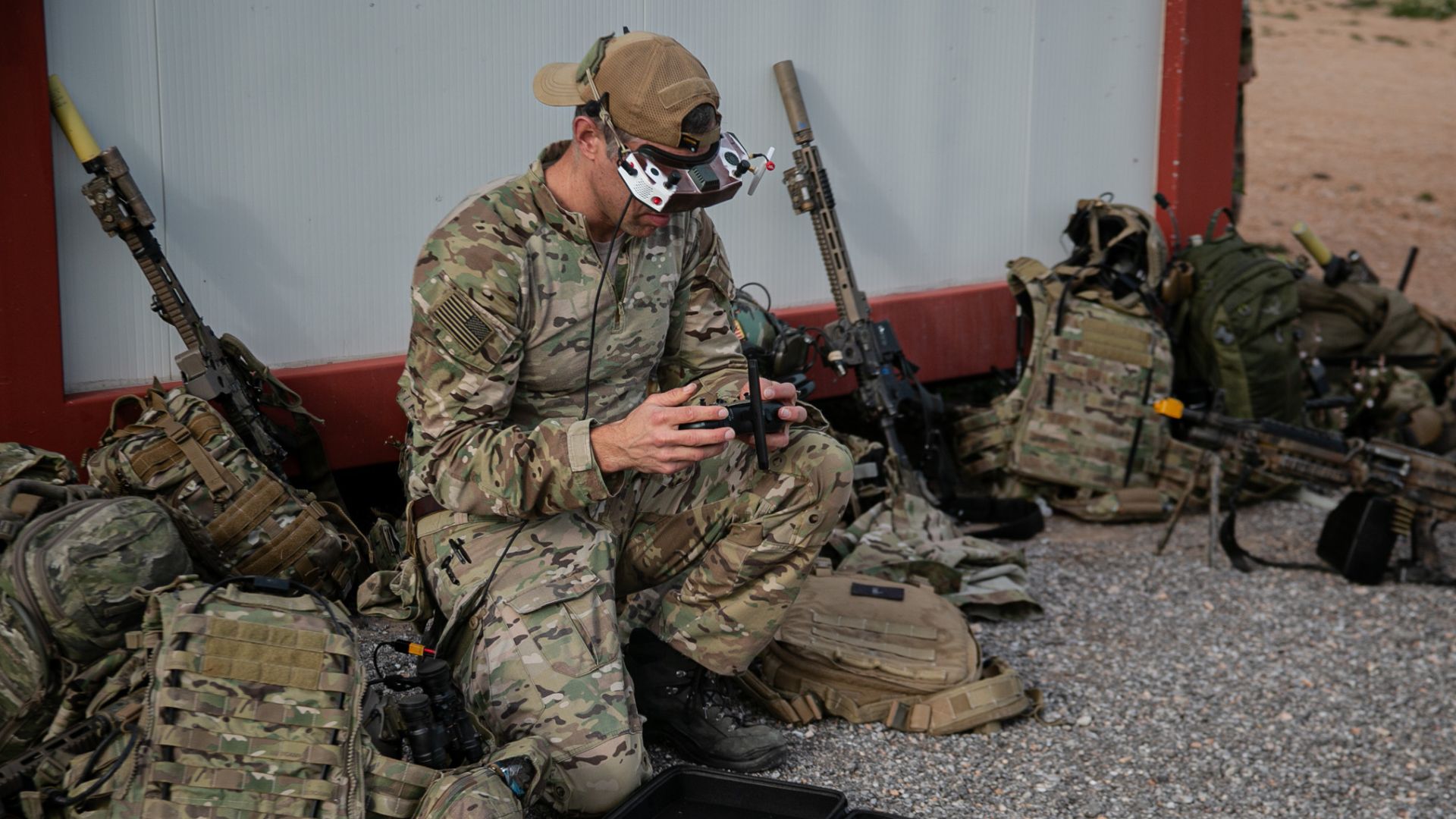
From quadcopters to robot dogs, modern warfare is shifting fast. The ‘Drone Wars’ are here—are we ready to adapt?

The US Navy’s stepping up with $835M for cutting-edge tech: Raytheon’s jammers and Lockheed’s torpedoes are redefining modern warfare!

Ukraine’s war teaches us this: range and precision rule the battlefield. Enter the K9A2—a rapid-fire, shoot-and-scoot artillery game-changer.

The Pentagon’s new strategy takes aim at the rising threat of drones, unifying efforts to protect troops and adapt to modern warfare.
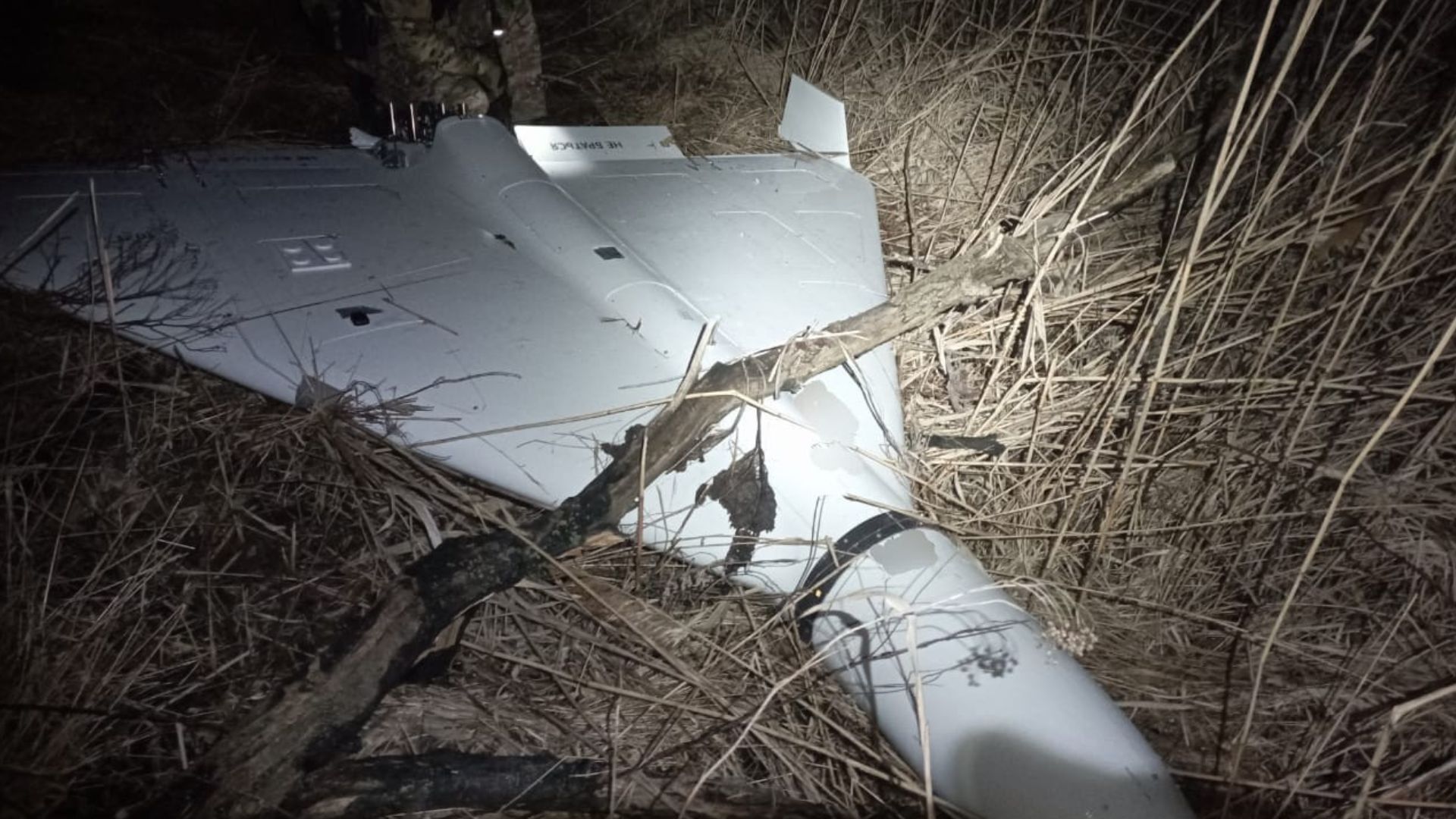
Ukraine’s tech-savvy defense turns Russian drones into boomerangs—redirecting them off course or into Belarusian airspace.

The US Navy’s new LRMP tech takes artillery to the next level—120km range, precision strikes, and no rockets needed.

SIG Sauer is a world-class firearms manufacturer trusted by military, law enforcement, and responsible civilian shooters, delivering precision-engineered weapons, optics, and training systems while maintaining a strong commitment to veteran hiring, American manufacturing, and the professionals who rely on their gear when it matters most.

FightCamp is an at-home boxing and kickboxing training system built around real technique, structured programming, and measurable performance. Members train with fighters and professional coaches while using connected punch and kick trackers that record volume, speed, and power in every round. The result is training that builds conditioning, skill, discipline, and resilience — all from home, on your schedule.

Barrett is the world leader in long-range, large-caliber, precision rifle design and manufacturing. Barrett products are used by civilians, sport shooters, law enforcement agencies, the United States military, and more than 75 State Department-approved countries around the world.

Hywell is a premium gear brand specializing in heavy-duty Merino wool boot socks for blue-collar professionals and outdoorsmen. Backed by an ironclad 10-Year Warranty.

Praesidus builds rugged, American-assembled watches inspired by historic military timepieces. Designed for accuracy and tested for endurance, each watch is made for outdoor explorers, everyday adventurers, and anyone who needs reliability when it matters.

Essential Provisions Field Fuel® meals [ready-to-eat] & sports nutrition products have been developed with the cleanest, high-quality nutrient and energy-dense ingredients available. Research has shown that the whole food nutrients contained in our products have the ability to help.

Have you ever tried to wear a fleece hoodie in bad weather? We don’t recommend it. That’s why we founded BÆRSkin in 2019 – to create the world’s best outdoor gear that’s just as comfortable at home as it is durable outdoors. “Bad fitting, bulky, and boring” is how we felt about 1000’s of regular fleece hoodies we tested.

If you’re 21 or older and use nicotine or tobacco, charge ahead with Black Buffalo, America’s only credible smokeless tobacco alternative. Black Buffalo dips just like the real thing without the tobacco leaf or stem. Find Black Buffalo in Wawa, Circle K, Sheetz, Love’s, Pilot, Racetrac, and many more retail locations across the United States.