The Machines Saw Everything: How AI and Fiber-Optic Drones Are Rewriting the Rules of War
The lens hummed, the mud stilled, and for a heartbeat I couldn’t tell who was hunting who.
Loading video...
The lens hummed, the mud stilled, and for a heartbeat I couldn’t tell who was hunting who.
When Anduril’s YFQ-44A cleared the runway it did more than prove a prototype; it announced an era in which affordable, software-first wingmen will rewrite the rules of air combat.
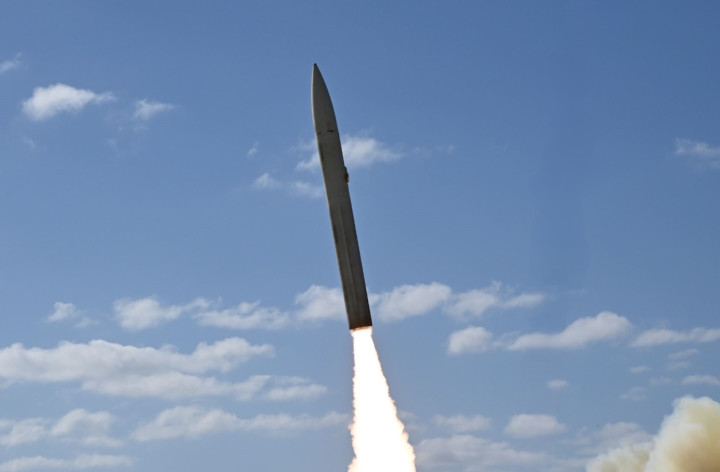
Russia’s nuclear-powered 9M730 Burevestnik (SSC-X-9 Skyfall) is a low-altitude, long-endurance cruise missile, with a claimed 14,000 km in 15 hours still unverified, built to slip past missile defenses and push the nuclear arms race into a harder phase.
From the five pound MHTK that swats mortars midair to the F-35 ready Mako sprinting at Mach 5, Lockheed has handed the Pentagon two precise, affordable missiles built for the fights ahead, and the real question is why we are not buying them.
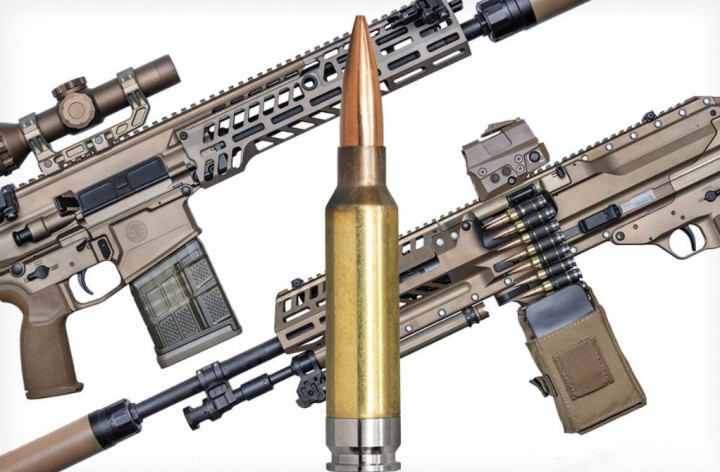
Barrett’s 30×42 PGS family arrives like a sledgehammer for the squad: programmable air bursts, proximity fused rounds to punch drones out of the sky, and a staged Mod rollout that turns a grenadier into a squad level fire support hub.
By carving through refineries, rail, and bomber bases deep inside Russia, Ukraine’s DeepStrike drone campaign is strangling the Kremlin’s war machine at its fuel line and showing how precision hybrid warfare can wreck an empire’s logistics without inviting nuclear catastrophe.
Three fully armed Russian MiG-31s knifed six miles into Estonian airspace toward Tallinn, only to be met by Finnish Hornets and Italian F-35s that herded them out—a brazen, ill-timed probe likely to trigger NATO Article 4 talks and stiffen Western resolve at the worst moment for Putin.
Anduril is turning Taiwan’s defense from a slow parade of big steel into a swarm-era factory line—eyes in the sky, teeth on target, and a local brain that decides faster than the other guy can swear.
New York dodged a telecom bullet this week when the Secret Service yanked the cord on a SIM farm big enough to strangle 9-1-1 and light the city on fire with chaos in minutes.
Montana-class battleships: the mighty warships that could’ve redefined naval power—if they’d ever set sail.
Special operations forces are stepping into a battlefield where silicon and code now hit as hard as steel and muscle.
US Navy Secretary John Phelan orders new leadership posts to fast-track robotic and autonomous systems across the fleet.