
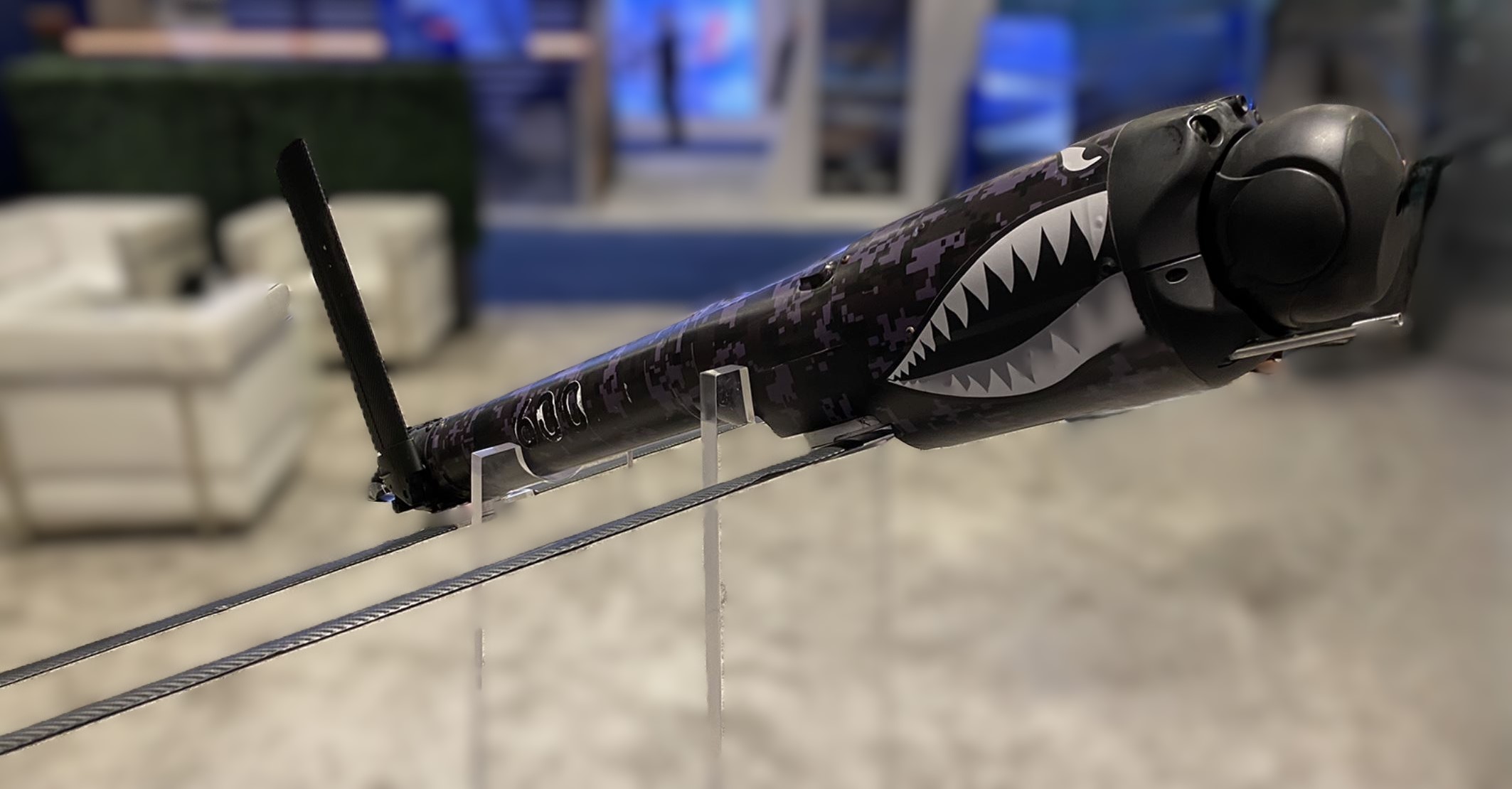
Drones are Changing the Face of War
Drones aren’t the future of warfare—they’re the present, and anyone not paying attention is already a step behind.
2,107 articles
Latest Technology stories, analysis, and updates from SOFREP.
Drones aren’t the future of warfare—they’re the present, and anyone not paying attention is already a step behind.
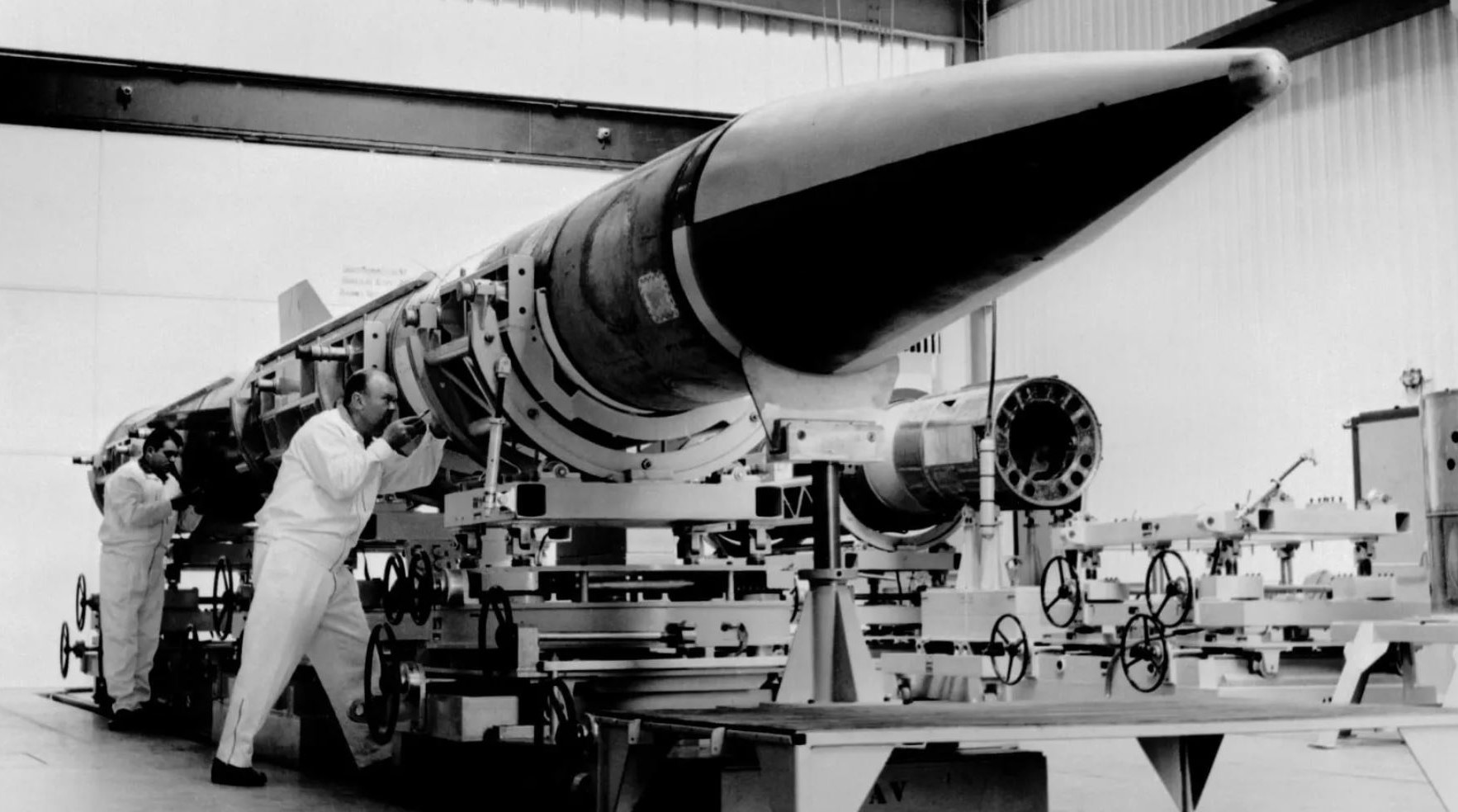
Israel’s nuclear strategy is like a loaded pistol tucked under the table of a poker game—never acknowledged, always implied, and pointed squarely at anyone thinking about cheating.

When it comes to missile defense, you can’t afford to gamble—standard doctrine may call for firing two or three interceptors per threat, but with modern missile swarms and decoys, it’s a long shot at best.

On a day meant to celebrate American might—from Abrams tanks rolling through D.C. to Musk’s satellites lighting up Tehran—Minnesota was jolted awake by the cold truth that political violence isn’t something we watch overseas anymore; it’s parked on our front porch wearing a badge and carrying a hit list. Welcome to Sunday, June 15, 2025. This is your SOFREP Morning Brief.

Tulsi Gabbard’s flipping the script on the intel old guard, trading bloated government tech for off-the-shelf muscle that actually works when you need it.

When Palmer Luckey and Mark Zuckerberg bury the hatchet to strap AI-powered battle visors on U.S. troops, you know the future of warfare isn’t coming—it’s already kicking down the door.

The future of naval warfare just pulled up to the dock—sleek, silent, and ready to ruin someone’s day.
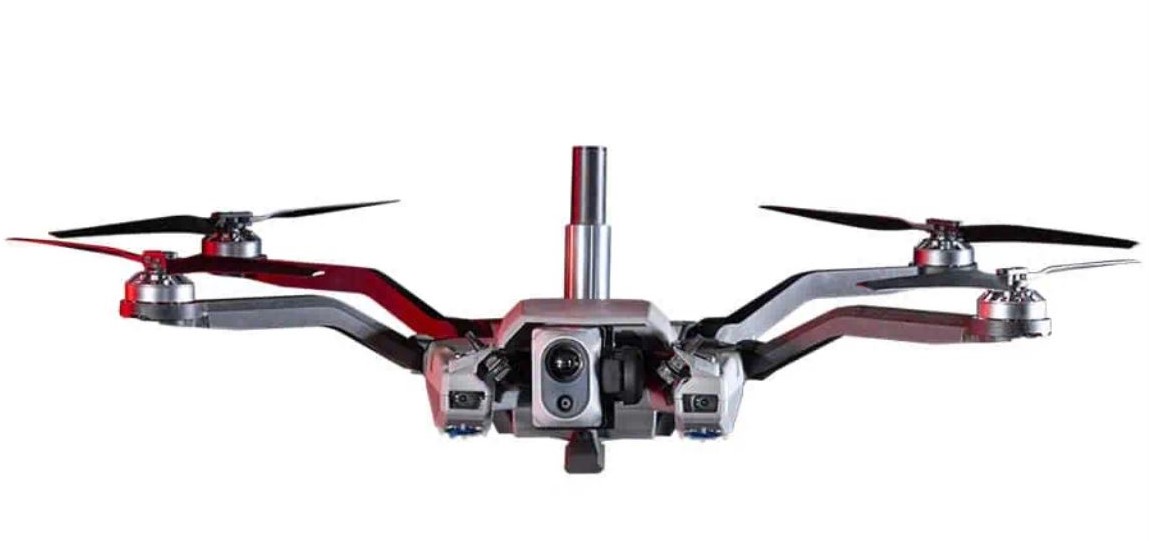
Three drones, one operator, and zero hand-holding—Palladyne and Red Cat just proved that the future of battlefield autonomy doesn’t need a joystick or a safety net.
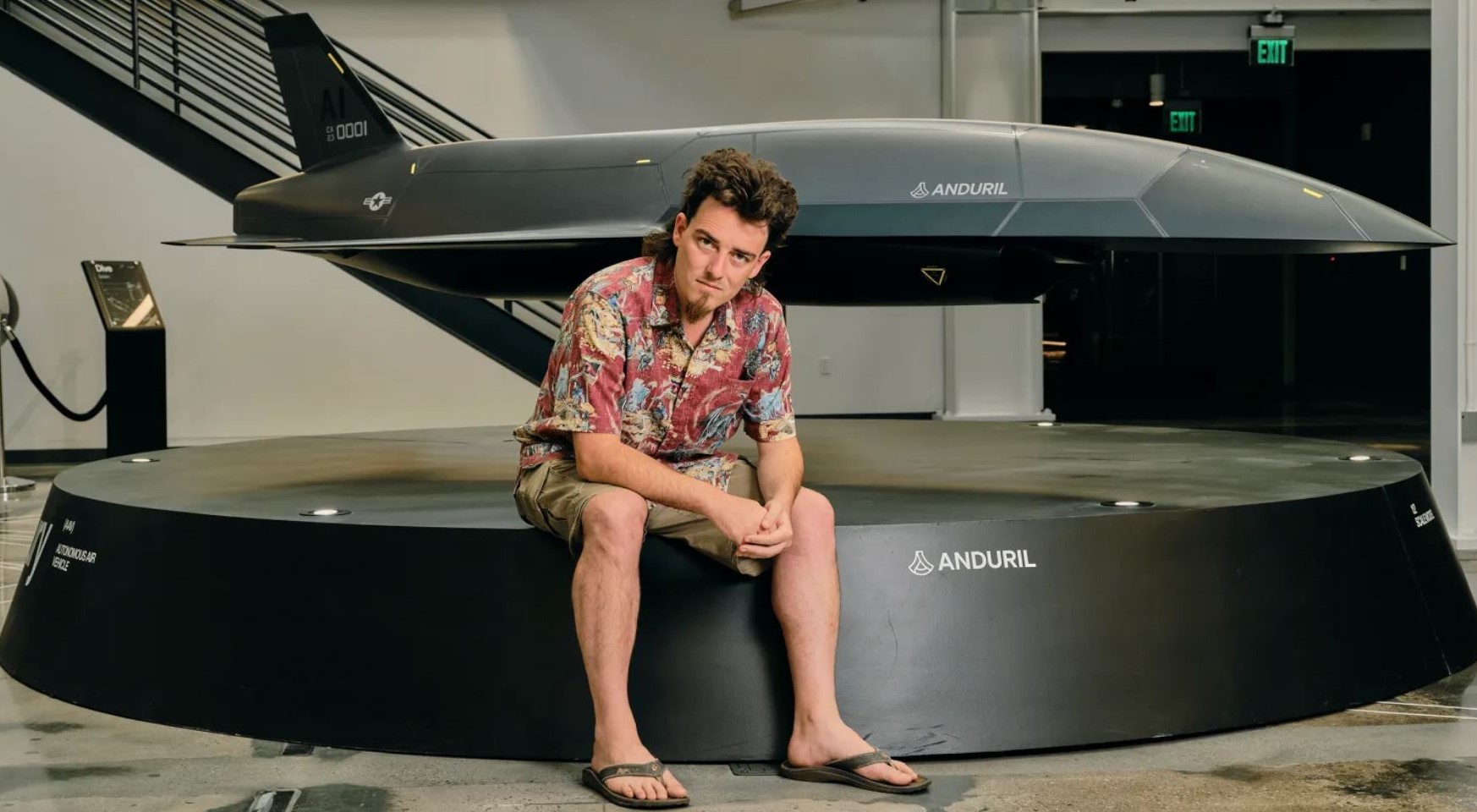
Fury is so much more than a drone—it’s an extension of Palmer Luckey’s middle finger to the defense industry’s status quo, powered by Lattice and taking out bad guys at the speed of sound.

The MV-75 is more than a new bird—it’s a warhorse with afterburners, and the 101st Airborne is saddling up to ride straight into the future of combat.

In the vast digital landscape where privacy is a myth, your smartphone is a relentless snitch, revealing your every move to anyone with the means to listen.

In 2025, a Trojan horse isn’t some myth parked outside the city walls—it’s already on the grid, humming quietly, waiting for Beijing to press play.

SIG Sauer is a world-class firearms manufacturer trusted by military, law enforcement, and responsible civilian shooters, delivering precision-engineered weapons, optics, and training systems while maintaining a strong commitment to veteran hiring, American manufacturing, and the professionals who rely on their gear when it matters most.

FightCamp is an at-home boxing and kickboxing training system built around real technique, structured programming, and measurable performance. Members train with fighters and professional coaches while using connected punch and kick trackers that record volume, speed, and power in every round. The result is training that builds conditioning, skill, discipline, and resilience — all from home, on your schedule.

Barrett is the world leader in long-range, large-caliber, precision rifle design and manufacturing. Barrett products are used by civilians, sport shooters, law enforcement agencies, the United States military, and more than 75 State Department-approved countries around the world.

Hywell is a premium gear brand specializing in heavy-duty Merino wool boot socks for blue-collar professionals and outdoorsmen. Backed by an ironclad 10-Year Warranty.

Praesidus builds rugged, American-assembled watches inspired by historic military timepieces. Designed for accuracy and tested for endurance, each watch is made for outdoor explorers, everyday adventurers, and anyone who needs reliability when it matters.

Essential Provisions Field Fuel® meals [ready-to-eat] & sports nutrition products have been developed with the cleanest, high-quality nutrient and energy-dense ingredients available. Research has shown that the whole food nutrients contained in our products have the ability to help.

Have you ever tried to wear a fleece hoodie in bad weather? We don’t recommend it. That’s why we founded BÆRSkin in 2019 – to create the world’s best outdoor gear that’s just as comfortable at home as it is durable outdoors. “Bad fitting, bulky, and boring” is how we felt about 1000’s of regular fleece hoodies we tested.

If you’re 21 or older and use nicotine or tobacco, charge ahead with Black Buffalo, America’s only credible smokeless tobacco alternative. Black Buffalo dips just like the real thing without the tobacco leaf or stem. Find Black Buffalo in Wawa, Circle K, Sheetz, Love’s, Pilot, Racetrac, and many more retail locations across the United States.