Ukraine’s New Foreign Fighter Unit: Azov Opens Its Ranks
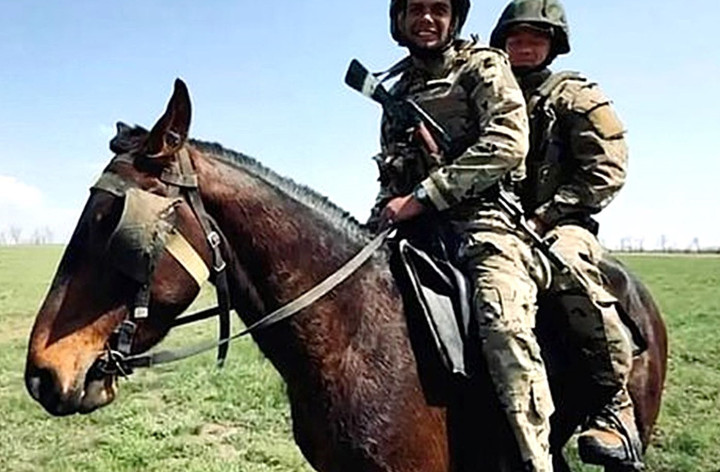
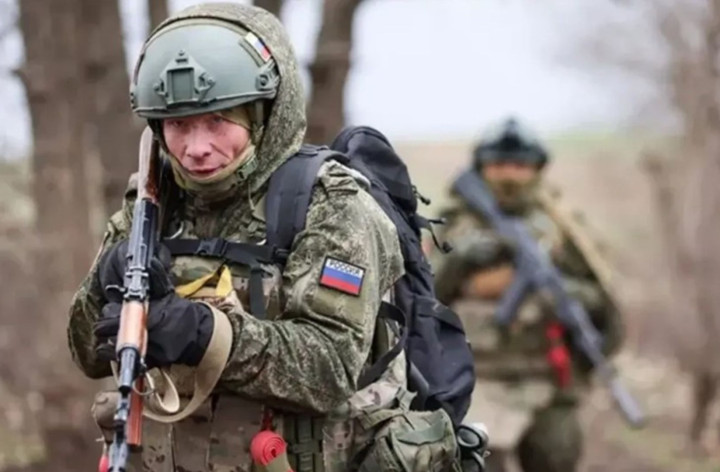
Azov now recruits foreigners, offering one of Ukraine’s toughest but most professional paths in a brutal, high-risk war.
Loading video...
Azov now recruits foreigners, offering one of Ukraine’s toughest but most professional paths in a brutal, high-risk war.
Ukraine’s SBU has exposed 207 Russian operatives since the invasion, including 52 active servicemen within its own forces.
At Alaska’s icy table, two nuclear heavyweights have a clean shot to freeze the slide—keep New START’s caps alive, put numbers on tac nukes, and fence Europe off from new land-based missiles.
Friday’s Trump-Putin summit in Alaska isn’t a breakthrough—it’s Moscow running the same stalling play it’s used since 2014, buying time while pressing its summer offensive.
In Ukraine’s war, Elon Musk’s satellites shifted from lifeline to leverage, and that power—once a gift—became a weapon of his choosing.
We thought drone warfare would be the future—turns out, it was the present all along, and we just didn’t recognize the buzz of change until it hovered over the tree line, camera rolling.
She wasn’t a symbol, or a narrative, or a talking point—she was a dying girl in the mud, and I watched her last pixilated breath.
You don’t have to wear a swastika to be dangerous—and you don’t have to quote Dugin to be part of a war built on empire.
It’s a war being fought by men with creaking knees and fading eyesight—because the kids who should be fighting it are too valuable to kill.
The rifleman isn’t obsolete—but the idea he can fight modern wars without tech fluency sure is.
Trump’s two-week ultimatum is less a diplomatic move and more like tossing a lit stick of dynamite into a bear’s den and yelling, “Negotiate!”
Auterion’s 33,000 Skynode kits aren’t just hardware—they’re the raw code of a new kind of warfare, where cheap drones think, hunt, and strike faster than any Russian general can blink.