
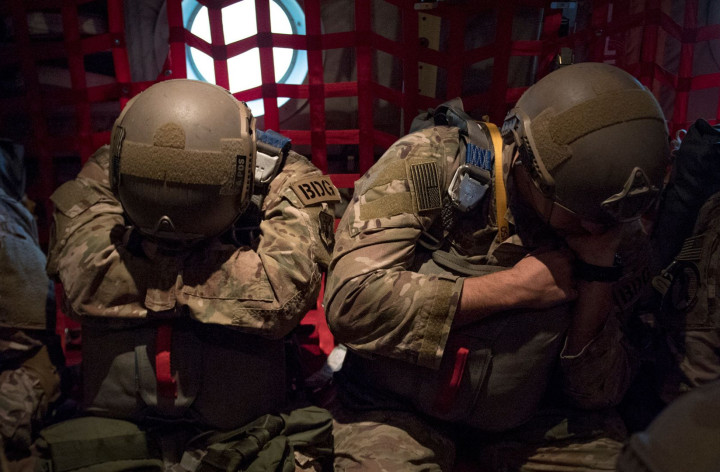
The World War I Soldier Who Survived a Headshot and Stayed Awake for 40 Years
Paul Kern, a WWI soldier, never slept again after a head injury, staying awake for 40 years while living a full, active life.
1,013 articles
Latest War Stories stories, analysis, and updates from SOFREP.
Paul Kern, a WWI soldier, never slept again after a head injury, staying awake for 40 years while living a full, active life.
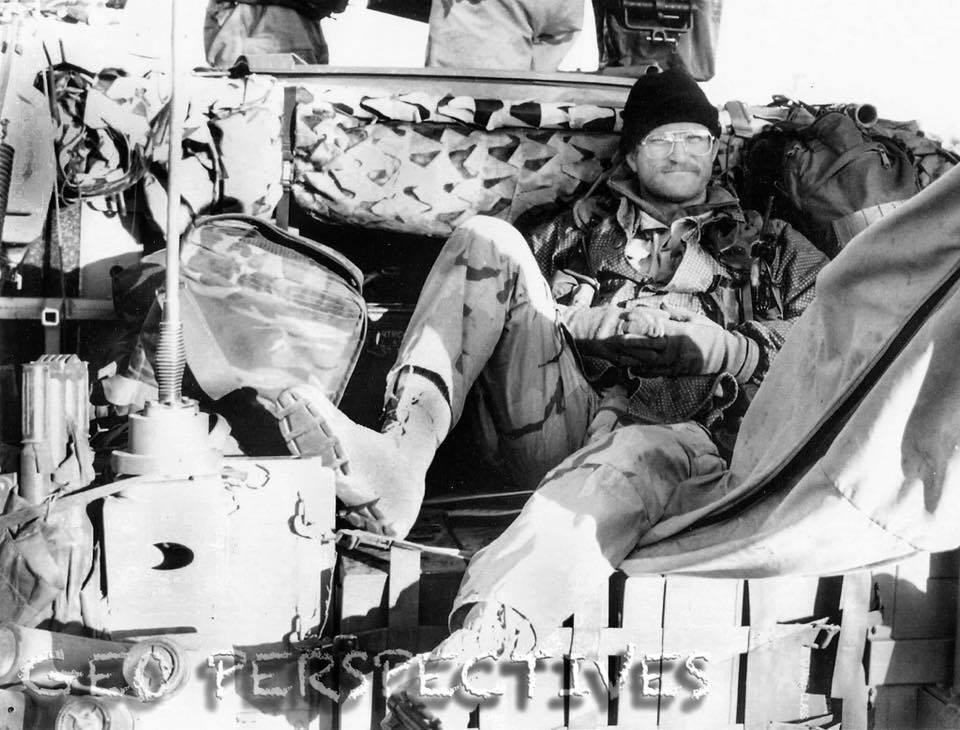
Guido’s sterling sense of humor and ease of nature made even the most mundane tasks seem like grand comedic escapades, forever immortalizing him in the playful cartoons I sketched throughout our years in Delta.
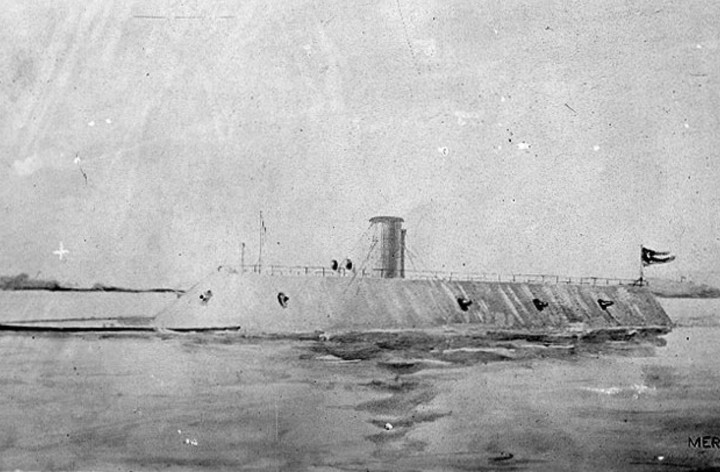
CSS Virginia crushed wooden Union ships at Hampton Roads, proving ironclads would dominate naval warfare and reshape global sea power forever
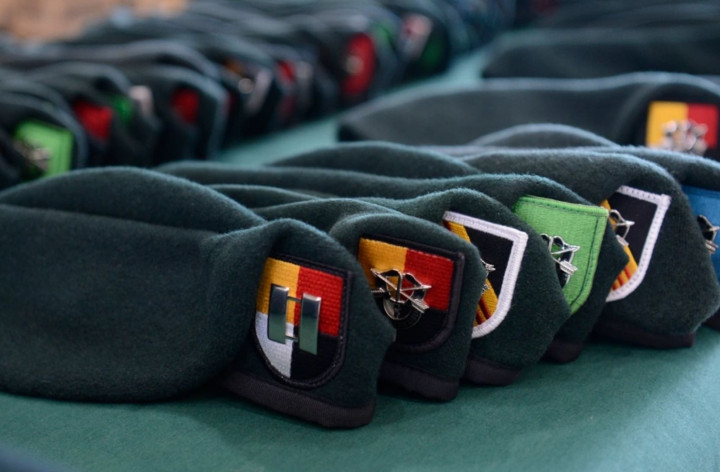
A struggling Special Forces officer finds healing through an unlikely friendship with a decorated Green Beret veteran haunted by a wartime memory.
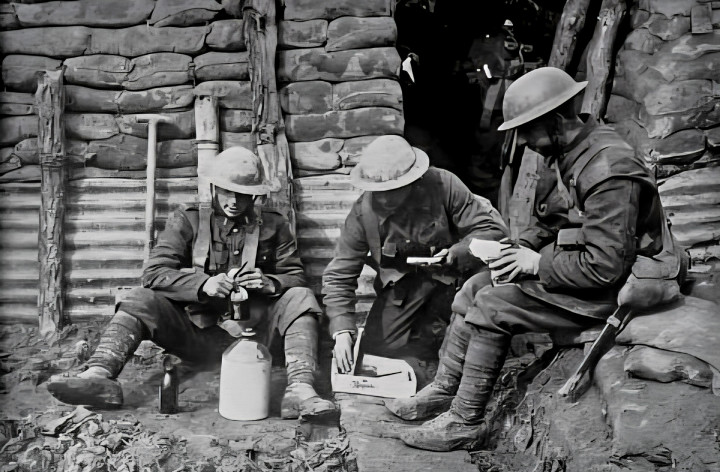
During World War I, the Canadian Corps earned a reputation for aggressive trench raiding and tactical deception, using routine and psychological disruption as deliberate tools to unsettle German forces along the Western Front.
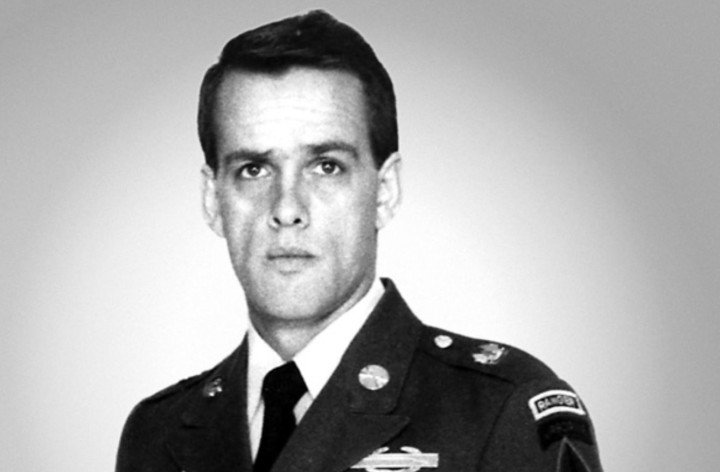
When the second Black Hawk went down and the city closed in, Gary Gordon did not hesitate, he asked to be put on the ground, knowing exactly what it might cost and choosing it anyway.
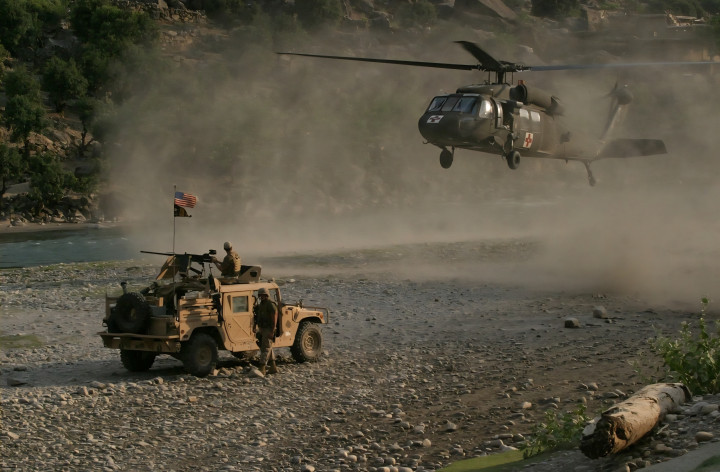
U.S. Marines of India Company, building on earlier 19th Special Forces groundwork, held the knife-edge terrain of Afghanistan’s Pech Valley at FOB Blessing through relentless patrols and sustained combat, proving that small units could pressure Taliban heartland even in the war’s most unforgiving ground.
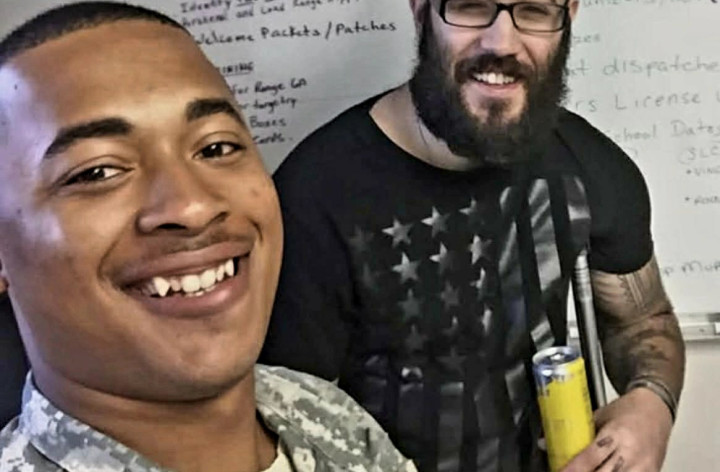
A veteran writes about the soldiers he couldn’t save as a way to carry the weight of their loss and keep himself standing.
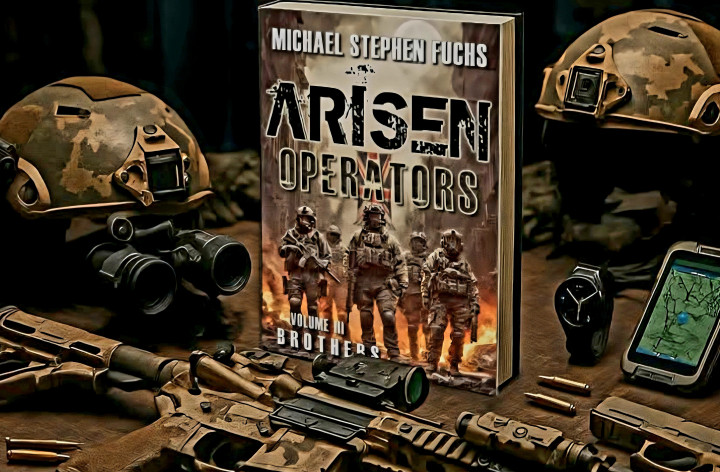
BROTHERS rips Yaël Sion out of the warm, so‑called safety of the team, strips her down past rank, résumé, and operator ego, and dares you to suck it up and ride shotgun while she bleeds, breaks, and still brings unholy hell to the world that cut her loose.
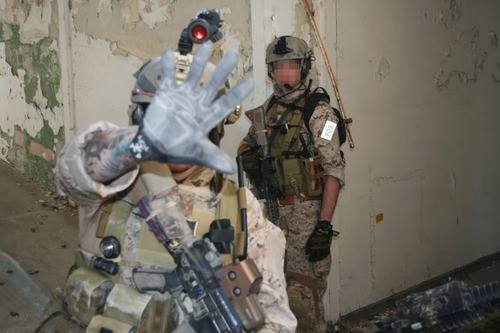
Perhaps SEAL Team SIX forgot their clown car as they could barely lead a VIP to the local airport without disastrous results.
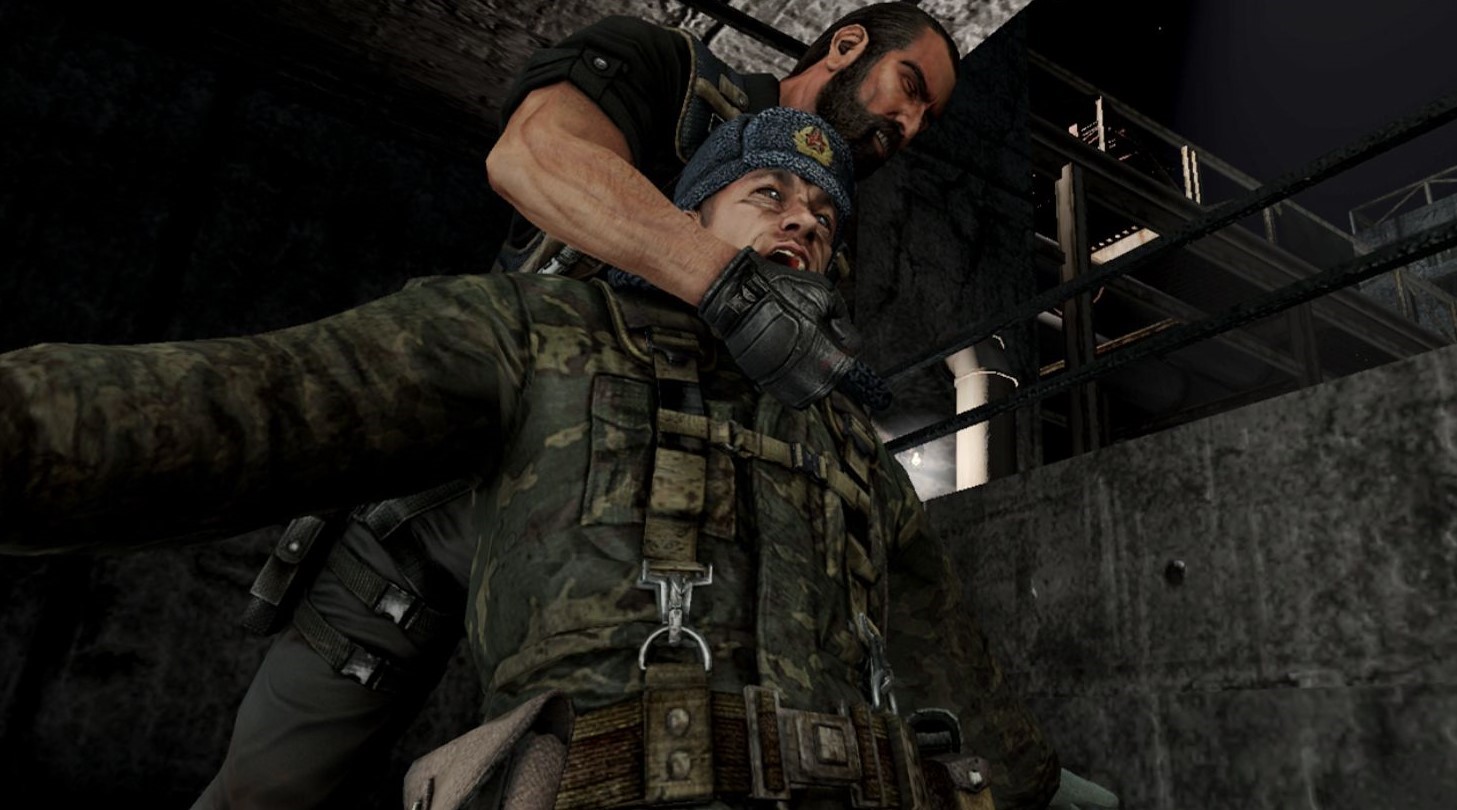
In a bold and controversial move, Marcinko transformed his operators into skilled pilots, acquiring civilian planes for rapid response to hijacking crises, embodying the essence of a self-sufficient, covert unit.

In this riveting fourth interview of the series, “Demo” Dick Marcinko recounts the birth of SEAL Team Six during the aftermath of Operation Eagle Claw, detailing his role in crafting this elite unit from the ground up under the directive of Admiral Thomas B. Hayward, against the backdrop of a critical period in U.S. military history.

Hywell is a premium gear brand specializing in heavy-duty Merino wool boot socks for blue-collar professionals and outdoorsmen. Backed by an ironclad 10-Year Warranty.

Praesidus builds rugged, American-assembled watches inspired by historic military timepieces. Designed for accuracy and tested for endurance, each watch is made for outdoor explorers, everyday adventurers, and anyone who needs reliability when it matters.

SIG Sauer is a world-class firearms manufacturer trusted by military, law enforcement, and responsible civilian shooters, delivering precision-engineered weapons, optics, and training systems while maintaining a strong commitment to veteran hiring, American manufacturing, and the professionals who rely on their gear when it matters most.

FightCamp is an at-home boxing and kickboxing training system built around real technique, structured programming, and measurable performance. Members train with fighters and professional coaches while using connected punch and kick trackers that record volume, speed, and power in every round. The result is training that builds conditioning, skill, discipline, and resilience — all from home, on your schedule.

Essential Provisions Field Fuel® meals [ready-to-eat] & sports nutrition products have been developed with the cleanest, high-quality nutrient and energy-dense ingredients available. Research has shown that the whole food nutrients contained in our products have the ability to help.

Have you ever tried to wear a fleece hoodie in bad weather? We don’t recommend it. That’s why we founded BÆRSkin in 2019 – to create the world’s best outdoor gear that’s just as comfortable at home as it is durable outdoors. “Bad fitting, bulky, and boring” is how we felt about 1000’s of regular fleece hoodies we tested.

If you’re 21 or older and use nicotine or tobacco, charge ahead with Black Buffalo, America’s only credible smokeless tobacco alternative. Black Buffalo dips just like the real thing without the tobacco leaf or stem. Find Black Buffalo in Wawa, Circle K, Sheetz, Love’s, Pilot, Racetrac, and many more retail locations across the United States.

Stay Locked In. No Matter What. NEORON is a brain-boosting beverage built for the mission: sugar-free, crash-free, and engineered for clean, tactical focus through long hours and high-stakes operations. Made for those who grind, stay sharp under pressure, and refuse to fold—if failure isn’t an option, NEORON has your six.