


Whether the true toll stands in the thousands or the tens of thousands, the gap between official claims and outside reporting is shaping both domestic unrest and international pressure on Tehran.
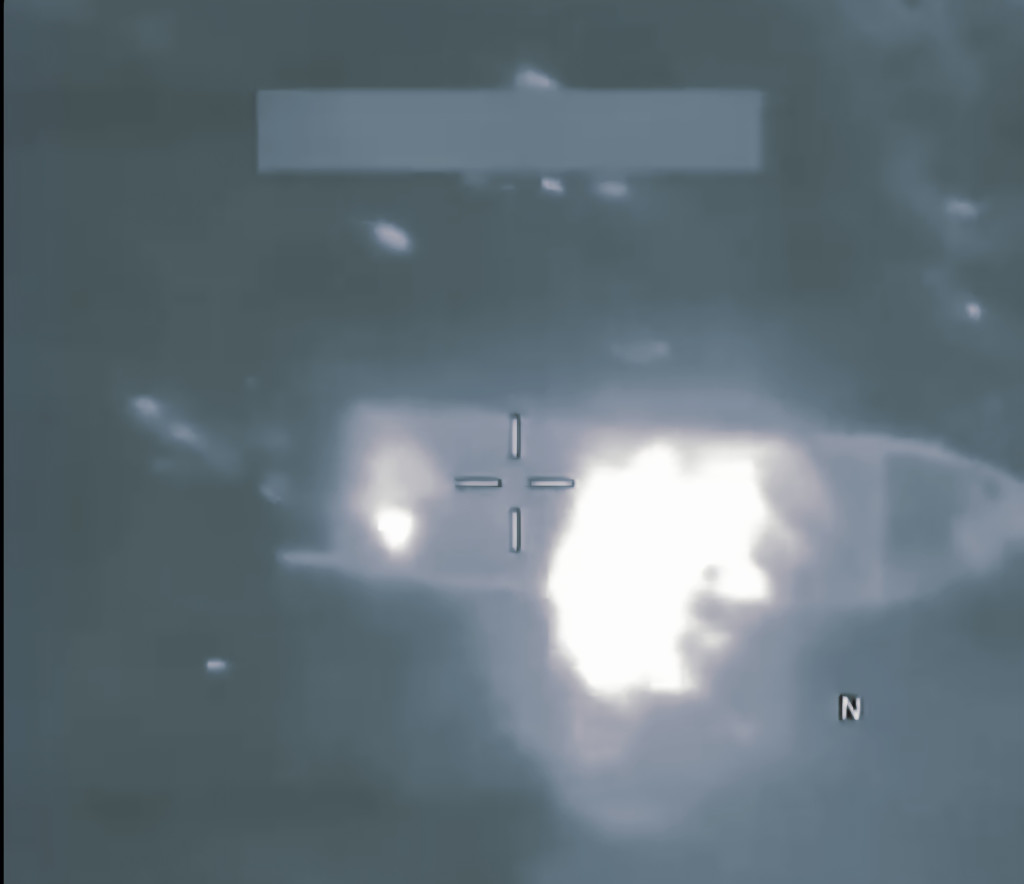
US Strikes on Suspected Drug Boats. Who’s Really on Those Vessels?
The U.S. military’s latest strike on a suspected drug-smuggling boat in the eastern Pacific killed three more men, pushing the death toll from this expanding maritime campaign to at least 148. According to U.S. officials, roughly 43 strikes have been carried out against alleged trafficking vessels in the Caribbean and eastern Pacific since early September.
U.S. Southern Command says the boats were operating along established smuggling routes and engaged in narcotics trafficking.
In most cases, the public record consists of short, grainy video clips: a small vessel at sea, a flash of impact, then a fireball where the hull once sat. No American casualties have been reported. The dead remain unnamed, described in official statements as narco-terrorists.
What those statements do not detail is who these men actually are.
The targets are typically low-profile “go-fast” boats or semi-submersibles moving multi-ton cocaine loads north. The men aboard are rarely cartel leadership. In coastal communities across Central America and northern South America, crews are often drawn from the margins: fishermen, unemployed young men, and small-time operators who can earn more from a single run than from years of legal work.
Some sign on out of economic necessity. Others operate under coercion. In regions dominated by criminal networks, refusal carries consequences. Once someone completes a run, leverage follows. From the cartel’s perspective, crews are expendable.
Replacement labor is never far from shore.
The perception of risk also varies sharply depending on vantage point. From Washington, 43 strikes and 148 dead in five months represents a measurable campaign.
From a coastal village, trafficking remains constant. For every boat destroyed or intercepted, others complete their runs. A crewman may calculate that most boats do not get hit, that he can scuttle the load if patrol aircraft appear, or that the vastness of the ocean will shield his specific trip.
Information gaps reinforce that gamble. These crews are not reviewing U.S. strike tallies. They hear stories of successful deliveries and fast cash. In communities already shaped by violence, the risk of death becomes another variable in a familiar equation.
None of this alters the fact that these vessels move narcotics into North American markets or that cartels use violence to control territory.
It does complicate the narrative.
Many of the 148 killed were not architects of transnational trafficking networks. They were the final link in a logistics chain, positioned between cartel pressure, economic hardship, and a U.S. policy that increasingly treats certain suspect vessels as military targets rather than law-enforcement objectives.
As the strikes continue, strategic questions remain. Do these engagements measurably disrupt drug flows, or do they primarily shift losses onto the most replaceable tier of the trafficking structure? And how long will there be another crew willing to climb aboard and test the odds?
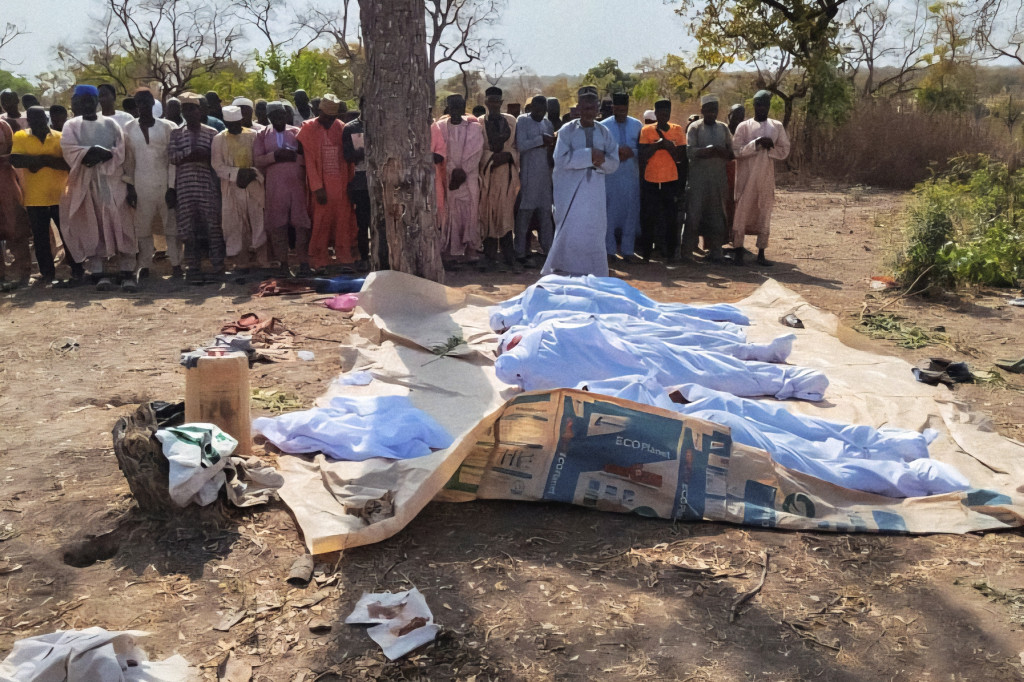
Nigeria Massacre: Gunmen on 100+ Motorcycles Kill 50, Abduct Women and Children in Zamfara
Gunmen riding in on more than 100 motorcycles carried out another large-scale massacre in northwestern Nigeria, killing at least 50 civilians and abducting women and children in Zamfara State.
The attack began late Thursday and continued into early Friday in Tungan Dutse village, Bukkuyum Local Government Area.
According to Hamisu A. Faru, a state lawmaker representing Bukkuyum South, heavily armed assailants “invaded the village in large numbers,” moving methodically from one settlement to the next. Residents report homes and shops were burned, civilians shot as they fled, and entire households overrun.
The number of kidnapped remains unclear.
Early accounts indicate that many of those taken were women and children. Local leaders are still attempting to account for missing residents as survivors emerge from surrounding bushland where they sought refuge during the assault.
Survivors say there were warning signs. Abdullahi Sani, 41, told local media that villagers spotted more than 150 motorcycles carrying armed men in the area a day before the attack and raised alarms.
No additional security forces arrived.
When the gunmen struck, Sani lost three family members. By Friday, bodies were wrapped in white burial shrouds for mass interment as relatives gathered in shock.
The massacre follows a familiar pattern across Zamfara and neighboring states including Katsina, Kaduna, Sokoto, Kebbi, and Niger. Armed groups known locally as “bandits” operate from forest strongholds, conducting raids, burning villages, and kidnapping residents for ransom. Victims who resist or cannot pay are often executed.
Recent attacks in Niger State’s Borgu area and in Kebbi State underscore the geographic spread of the violence. Some security analysts assess that certain criminal factions are building links with jihadist networks operating across the Sahel, further complicating Nigeria’s internal security landscape.
Despite repeated Nigerian military offensives, additional troop deployments, and the recruitment of local self-defense militias, attacks continue. Abuja has sought foreign training and intelligence support, yet rural communities remain exposed. The assault on Tungan Dutse highlights the mobility, massing capability, and operational confidence of armed groups operating across Nigeria’s northwest.








COMMENTS