

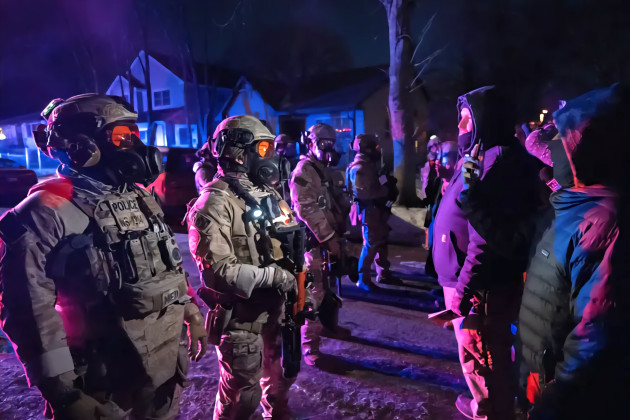

The U.S. is not talking just to be diplomatic. Washington is open to negotiations that stop Iran from getting a nuclear weapon, but any deal must also cap or end Iran’s ballistic missile program and rein in its regional network of proxies. The American posture is leverage: maximum pressure, both military and economic, to force painful, verifiable concessions, while leaving the door open just enough to avoid a wider war. That’s the only way out that doesn’t end in a regional catastrophe.
De‑escalation is the only smart move for all parties. For the U.S., locking in verifiable limits on Iran’s nuclear program through diplomacy beats a war that could spiral out of control. For Iran, avoiding a full‑scale military blow is existential, even if it means giving up some nuclear and missile capabilities. For the region, a diplomatic off‑ramp reduces the risk that a single miscalculation or spark turns into a war that drags in the Gulf states, Israel, and Hezbollah. If both sides can step back from the brink and negotiate under serious mediators, with real limits on Iran’s nuclear program and a phased, calibrated relief of sanctions, it creates a more stable, predictable environment for security planning than a war footing that eats up resources and increases the risk of catastrophic mistakes.
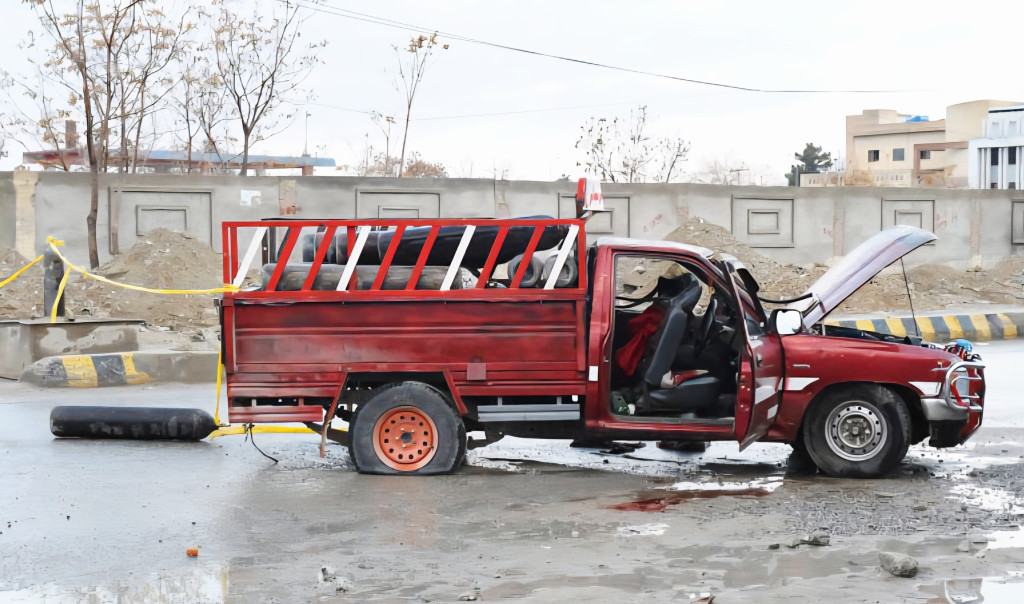
Balochistan Under Attack: 17 Pakistani Security Forces Killed in Coordinated BLA Assault
Pakistan’s security forces just survived a major coordinated assault in Balochistan that killed 17 security personnel, 31 civilians, and over 145 militants in a 40‑hour firefight across the province.
On 31 January, the Balochistan Liberation Army (BLA) launched a synchronized wave of attacks across Quetta, Gwadar, Mastung, Noshki, and several other districts, striking police stations, security bases, and a high‑security prison with suicide bombers and armed fighters. The goal was to overrun key state facilities, seize control of terrain, and paralyze the provincial government in a single stroke.
Pakistani military and paramilitary forces responded with heavy clearance operations, turning much of Balochistan into a battlefield as they retook overrun positions and hunted down cell leaders. The 40‑hour counter‑offensive ended with at least 145 BLA fighters killed, according to official figures from the Balochistan government and the military.
The human cost was high: 17 security personnel killed in the attacks and clearance ops, and 31 civilians caught in the crossfire and bombardments. The total puts this one of the deadliest single days in Balochistan in recent memory, measured in both security force and civilian deaths, and the largest coordinated assault on state infrastructure in the province in years.
From a security and tactical standpoint, this is not just another roadside attack or raid. This was a structured, multi‑pronged urban assault by a hardened insurgency, aimed at seizing terrain and overrunning bases, not just inflicting casualties. It shows that the BLA and allied groups can still mass serious force and coordinate across multiple districts, even under heavy surveillance and anti‑insurgency pressure.
The bottom line: Pakistan’s security forces took heavy losses in a direct, head‑on fight with a capable, determined insurgency, but they held the key points and smashed the attackers’ main body. The real question now is whether the government will double down on competent, professional COIN and intel, or slide back into the same old mistakes that fuel the Baloch uprising year after year.
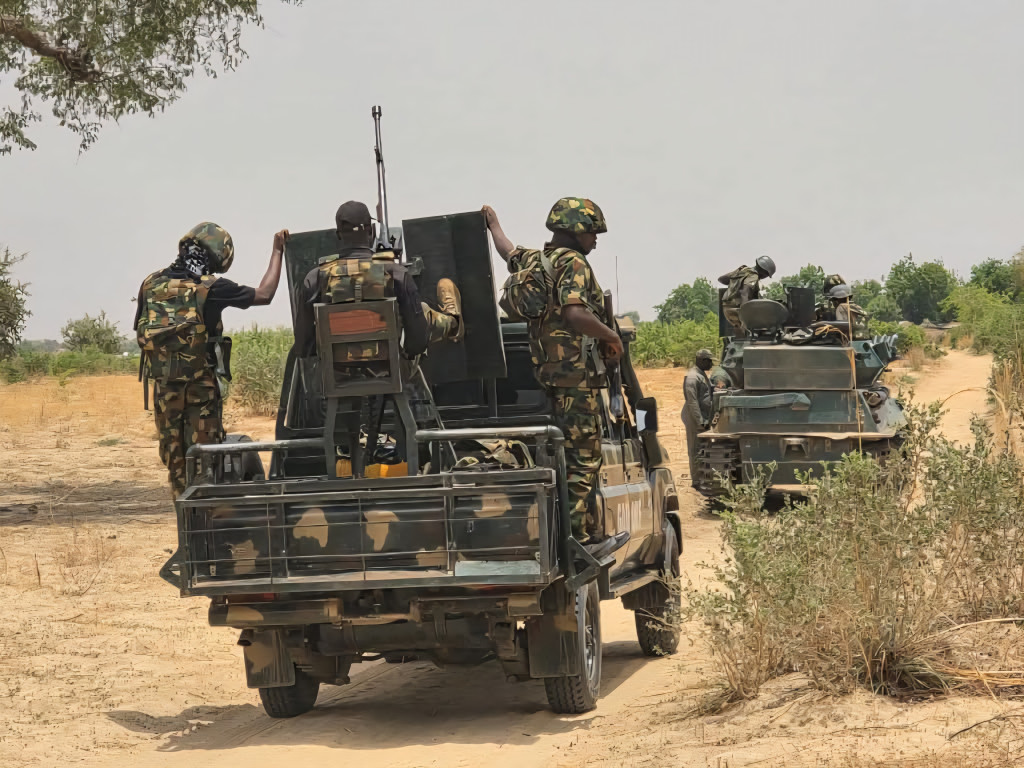
Nigerian Army Kills 20+ Terrorists, Destroys Bandit Stronghold in Operation FANSAN YAMMA
Nigerian Army forces operating under 8 Division in Sector 2 of Operation FANSAN YAMMA have killed at least 20 terrorists and destroyed a major bandit stronghold in the northeast, according to security expert Zagazola Makama, who confirmed the operation’s results in a recent report.
The 8 Division has been locked in a major dry‑season offensive against bandit and insurgent elements in its area of operations, with a focus on clearing entrenched hideouts used for attacks, kidnappings, and supply lines. This recent strike targeted a long‑held stronghold being used as a base for launching cross‑border raiding and ambushes, and the force managed to overrun it in a coordinated assault. The destruction of that camp cuts off a key logistics and concealment node for the terrorists, disrupting their ability to move, resupply, and strike soft targets in surrounding towns and villages.
From a security and operational standpoint, any operation that kills 20+ of these hardened elements and flattens a major camp is a solid tactical win, especially in the tough, scrubby terrain of the northeast where these groups thrive. Each terrorist killed is one less triggerman for the next kidnapping, IED or convoy attack, and the loss of a sanctuary cuts their ability to mass fighters and reconstitute after a defeat.
The real value of this strike is not just in the body count, but in the momentum. Consistent, decisive operations in Sector 2 keep the terrorist groups off‑balance, force them to scatter, and help rebuild local confidence in the military’s ability to hold ground and protect civilians. That’s the difference between a short‑term success and a long‑term shift in the balance of power.
For the Nigerian Army and its partners, the challenge now is simple: keep the pressure on, destroy more of these strongholds, and translate tactical victories into lasting security for the population, instead of letting the terrorists crawl back into the bush and rebuild once the troops move on.








COMMENTS