

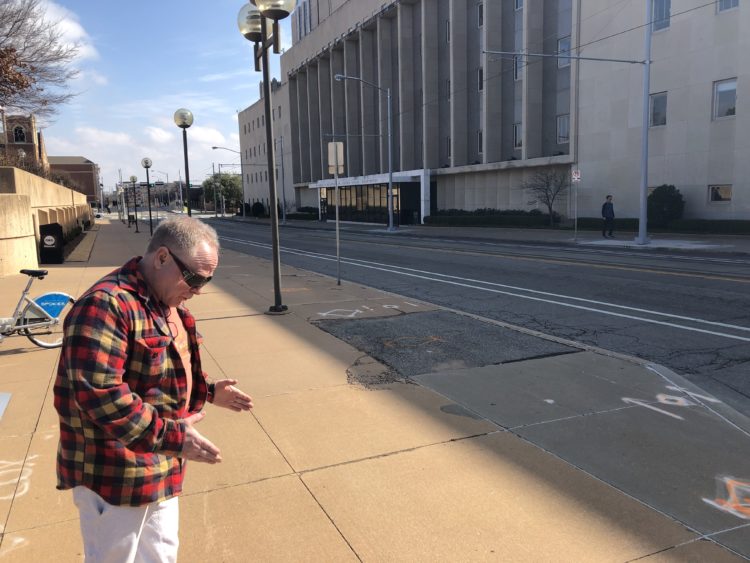
“When he saw me, he snapped out of it, and another DEA agent, Judy, ran up to us as well. She had been across the street at the courthouse and was crying hysterically. I said ‘Judy, get it together,’ and she regained her composure. I told them I was going in to look for the rest of our guys, but Dave told me the floor was gone, and that the rest of the DEA unit was buried in the rubble.”
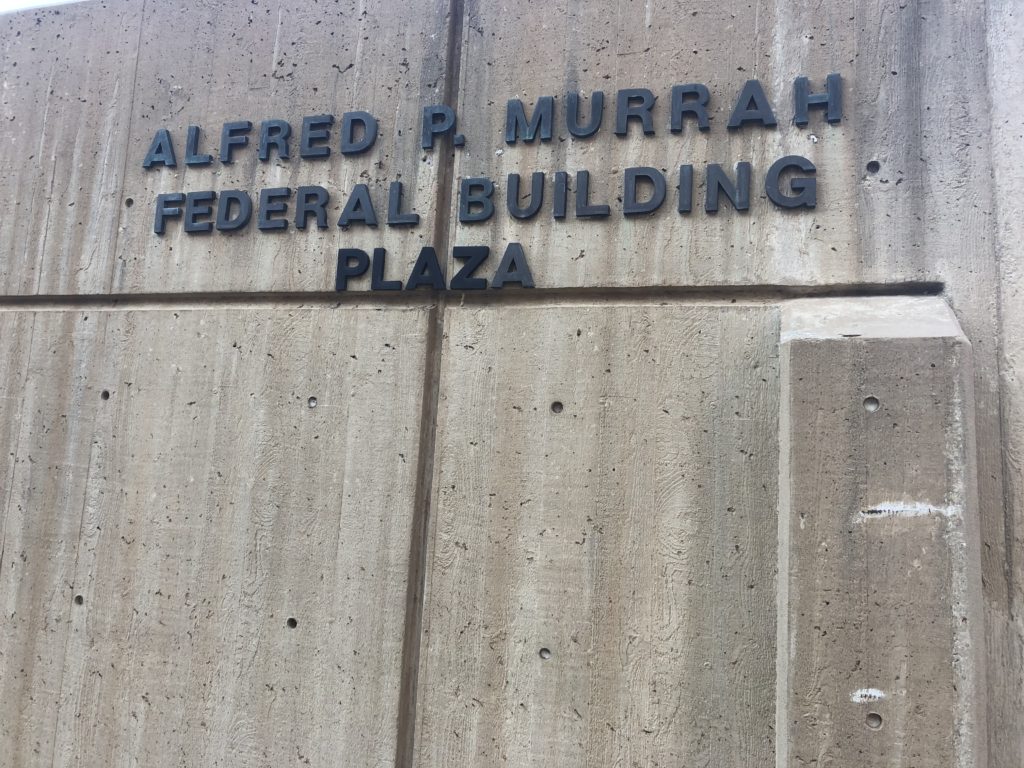
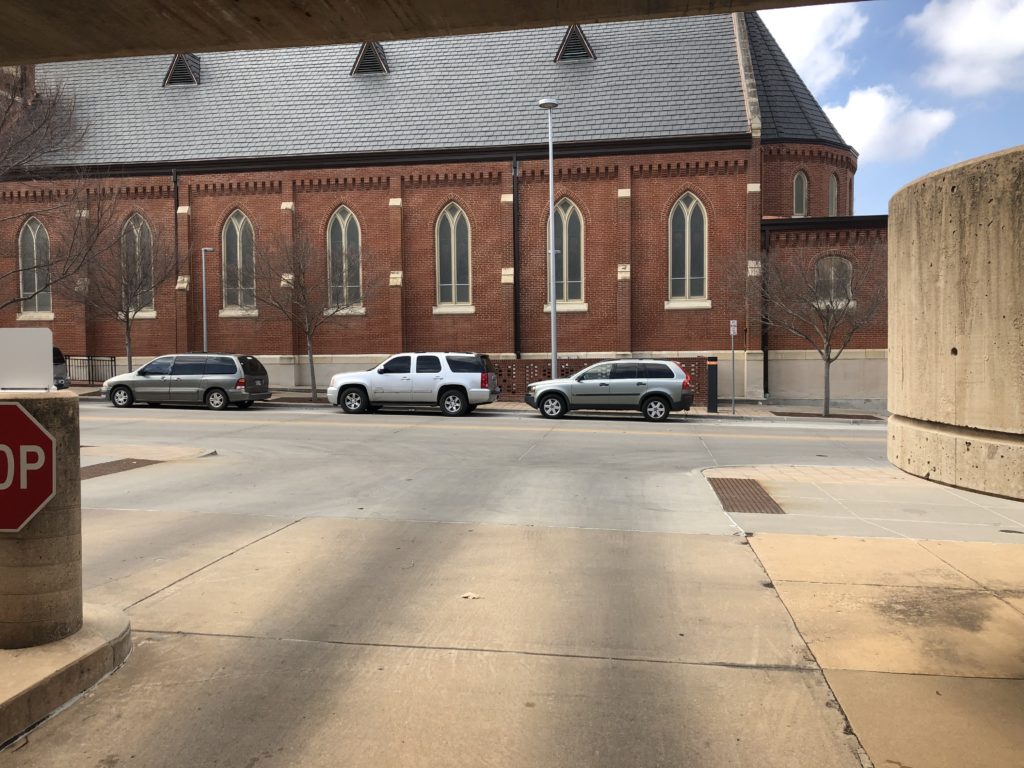
The three agents walked further down 4th Street and turned the corner on North Robinson Ave. Waters attempted to enter the building, but could not, and by this time, the scene was flooded with first responders and medics. Local police were closely guarding the perimeter and would not permit the agents to enter the crime scene.
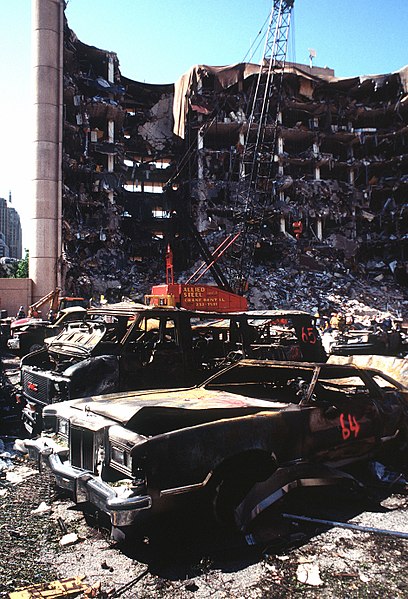
“The whole place looked like Beirut or something. Cars overturned, bodies everywhere, fires were burning all over the place. I’ll never forget the smell: It was dusty, and you could smell the burnt flesh. I was actively trying to forget what I saw because it was so horrible.”
Not knowing who was left alive, the trio headed back down Robinson Ave. to a nearby government office to take a roll call and establish a command post. Along the way, they met two other female DEA staffers, both of whom were injured, and helped them along the few blocks to the command post.
“As we were walking down the street I heard a voice from behind me yell ‘are you Kevin?’ I turned around and it was the husband of another one of our agents who had been in the blast.” The man’s name was Ray, and his wife, Rona, had been working as an administrative assistant for the Cleveland County Sheriffs Office but was assigned to the DEA task force. “He said, ‘I’m Rona’s husband’ and asked if Rona was still alive. I told him no, and he said, ‘Thanks for telling me the truth.'”
Kevin asked Ray to join the other agents walking to the new command post. Everyone piled in Waters’ car and drove over to the new office. Waters began assembling an “accounted for” and “unaccounted for” list. The agents were calling local hospitals trying to locate everyone, grim work that took several hours. At the end of the day, it was clear that five DEA employees had been killed in the blast.
Weeks later, Waters and the rest of the OKC DEA office had been moved to the social security building a few blocks south of the Murrah building on Robinson. Initially, Waters didn’t remember the incident with McVeigh the night before the blast, but a month later, an FBI special agent interviewed the survivors one by one to collect witness statements.
“He was going alphabetical, and he called my name last. He asked if I had ever seen McVeigh in the days leading up to the bombing. I said no, but then he asked if I had seen McVeigh’s car around the building, and something inside my head clicked. I told him that yeah I had seen it, and it took him by complete surprise.”
“Really?” the FBI investigator asked, eyes wide.
Waters excused himself from the interview and ran down to the bomb site. He retraced his steps from April 18, 1995.
“Fuck, it was the night before the bombing,” Waters said to himself.
He called his partner Jimmy, who he had told about the two hitmen, and Jimmy remembered the encounter. The two instantly realized that the two “hitmen” were actually terrorists.
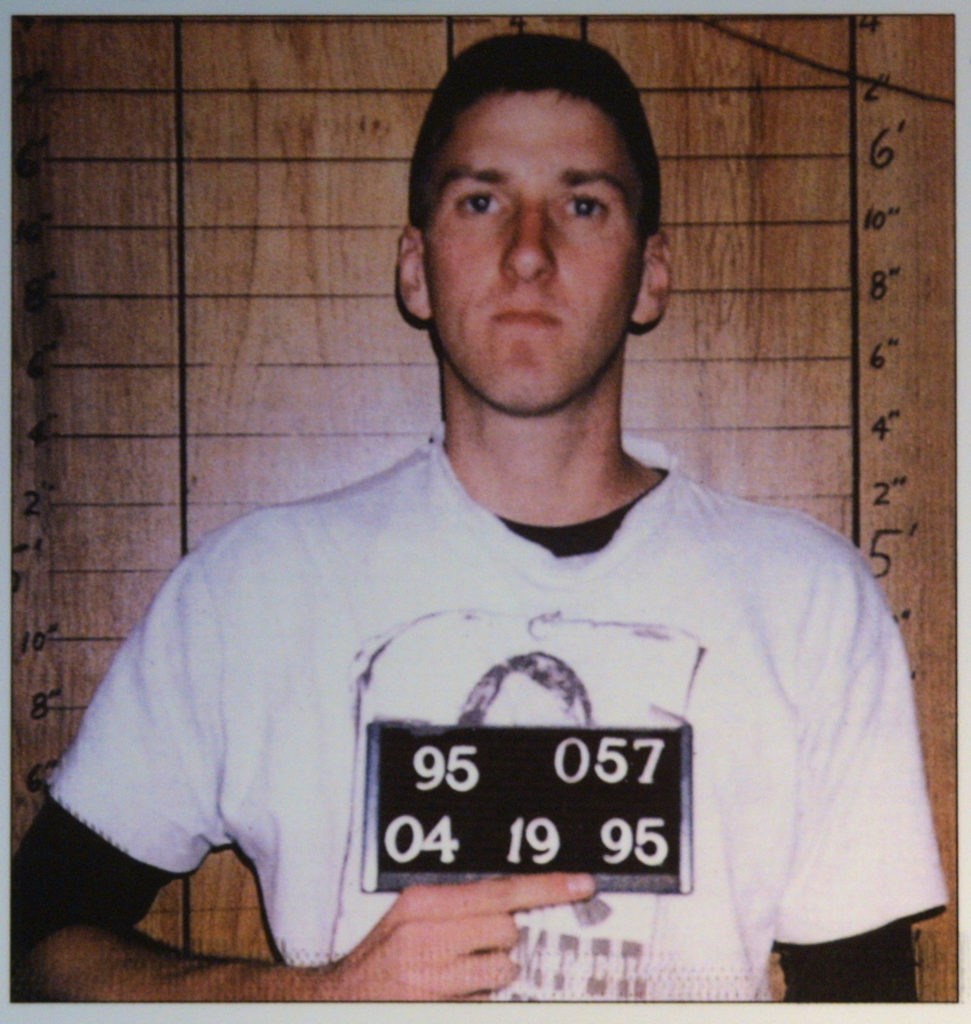
Although Waters saw McVeigh with another person, only two people were ever convicted for their role in the bombing. McVeigh was apprehended shortly after the bombing after being stopped in his Mercury Marquis by a local sheriff’s deputy for driving without a license plate. During the stop, the officer noticed McVeigh was carrying an illegal firearm and took him to jail. McVeigh was still in jail when investigators finally connected the Ryder truck that was used in the bombing to McVeigh. The other man, Terry Nichols, was arrested a few days later. However, no further inquiry was ever conducted to determine who the third conspirator, the so-called “John Doe Number Two,” was. For his part in the bombing, McVeigh was executed on June 11, 2001.
The FBI never used Waters’ information about John Doe Number Two. According to Waters, a federal prosecutor told him the eyewitness account didn’t fit into the narrative the government was going to be presenting at trial. There has been intense speculation throughout the years regarding who John Doe Number Two could be. One popular theory links the mysterious suspect back to a Christian Identity camp named Elohim City—located in Oklahoma near the Arkansas border—that has housed various white supremacists, anti-government militia leaders, and domestic terrorists throughout the years. According to a report from Famous Trials, Elohim City was established in 1973 by Robert Millar, a known white supremacist.
[googlemaps https://www.google.com/maps/embed?pb=!1m18!1m12!1m3!1d3320273.392885655!2d-96.75382361313898!3d35.6411726208146!2m3!1f0!2f0!3f0!3m2!1i1024!2i768!4f13.1!3m3!1m2!1s0x87ca31cf2a39aa61%3A0x6c662b41e28e3049!2sElohim+City%2C+Oklahoma!5e0!3m2!1sen!2sus!4v1552275971276&w=600&h=450]
In 1995, a man by the name of Andreas Strassmeir was reportedly living in Elohim City and serving as the settlement’s security chief, according to a report from Independence.net. Two weeks before the bombing, McVeigh called Elohim looking for Strassmeir, but could not get ahold of him. Shortly before making the call to Elohim, McVeigh called the rental company to secure the Ryder truck that was used to transport the homemade bomb. Strassmeir, a German national and former German Army soldier, had reportedly been living in Elohim since the early 1990s. He was known to harbor intense anti-government views and had been investigated by both the Bureau of Alcohol, Tobacco, Firearms, and Explosives (BATF) and the Oklahoma State Highway Patrol.
Some believe that Strassmeir was a U.S. government agent—a claim he refuted. Others who knew him reported that Strassmeir had made statements about wanting to blow up government buildings. McVeigh and Strassmeir first met at a gun show in 1992, and were apparently friendly with one another. This circumstantial evidence has led some investigators to name Strassmeir as John Doe Number Two. In 1997, German politicians alluded to Strassmeir’s involvement, according to a report on Wiki Spook. He left the United States in 1997, but the details of his departure remain murky.
Waters knows all about Strassmeir, but does not believe he was the man seen with McVeigh the night before the bombing.
“I have no doubt that the guy I saw with McVeigh the night before the bombing was staking out the building with McVeigh,” said Waters. “He wasn’t John Doe Number Two. Rather, someone involved that has remained unidentified and will probably forever get away with murdering a bunch of people and destroying a bunch more lives. The FBI didn’t want to believe he existed because it hurt their case against Nichols.”
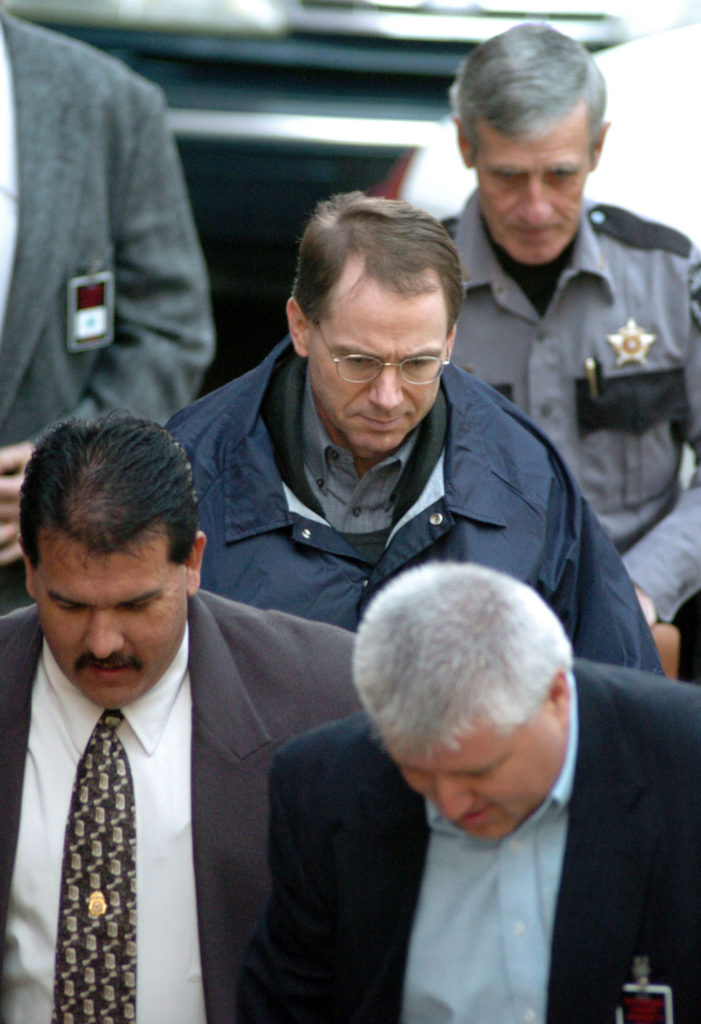
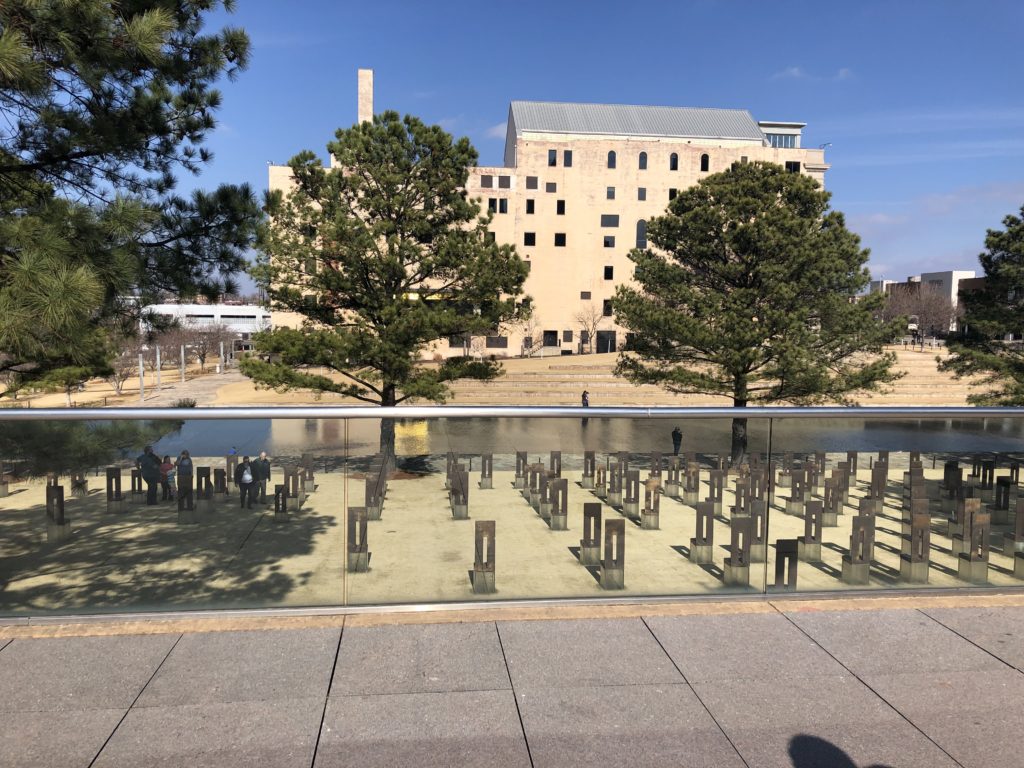
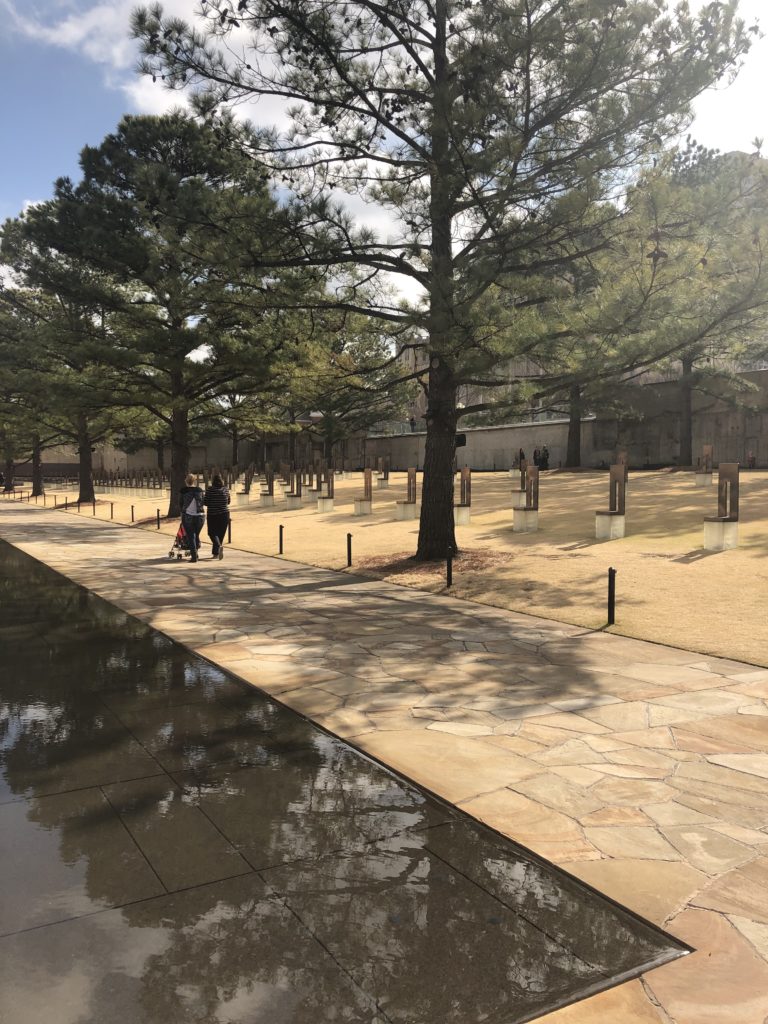
No matter who helped McVeigh or why, nothing can change the fact that, on April 19, 1995, a bomb detonated outside the Alfred P. Murrah building and killed 168 people. This fact is something that the survivors, like Waters, have to live with every single day.
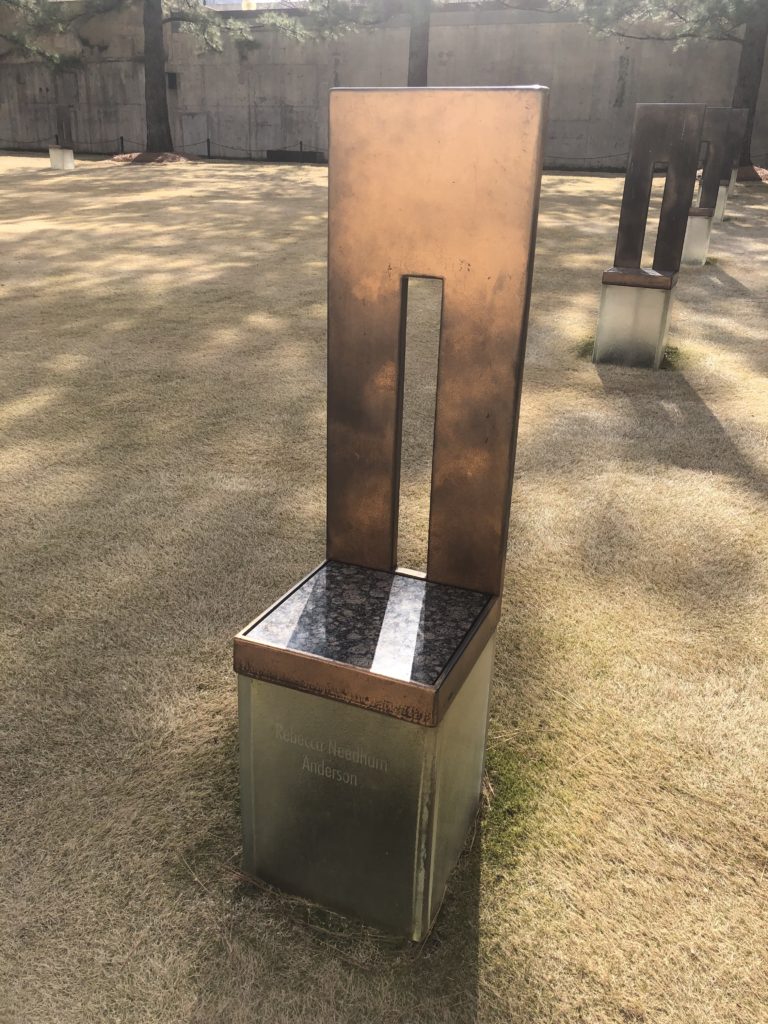
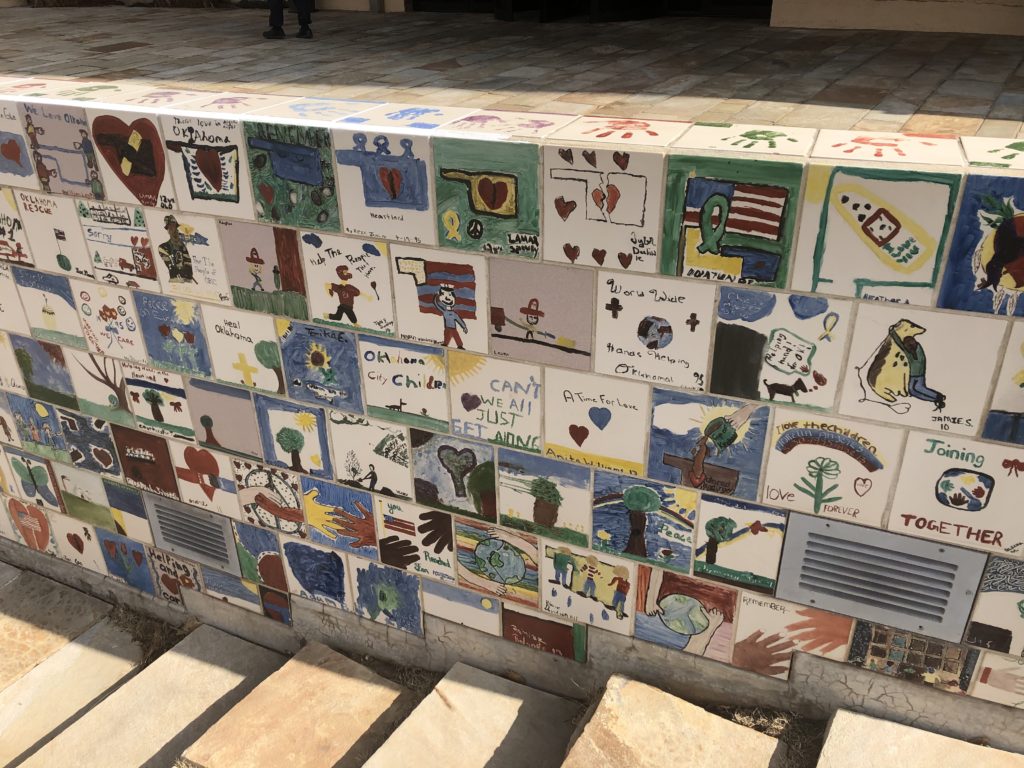
“I remember back at the time of this tragedy, the word ‘closure’ was thrown around by the media all the time,” said Waters. “This was the first I remember that word becoming a cliché. For example, the media would ask someone affected by the bombing if the conviction of the perpetrators would give the survivor or victim’s family member closure or a way to put the incident behind them. I remember then thinking, what a bullshit word. A person who worked in that building and survived, or the families of those killed, will never be able to put that incident and its horrible aftermath behind us.”
Waters said that his path to recovery was a long and dark one. The guilt of knowing that he had seen McVeigh the night before, and could have stopped him and his accomplice, ate away at his soul. For the first three years after the bombing, Waters contemplated suicide.
“Some days I’d put the gun to my head or in my mouth. Then I’d hear my kids off somewhere in the house and I’d snap out of it. I didn’t want them to hear the gunshot. So I made a conscious decision every day to drink myself to oblivion instead.”
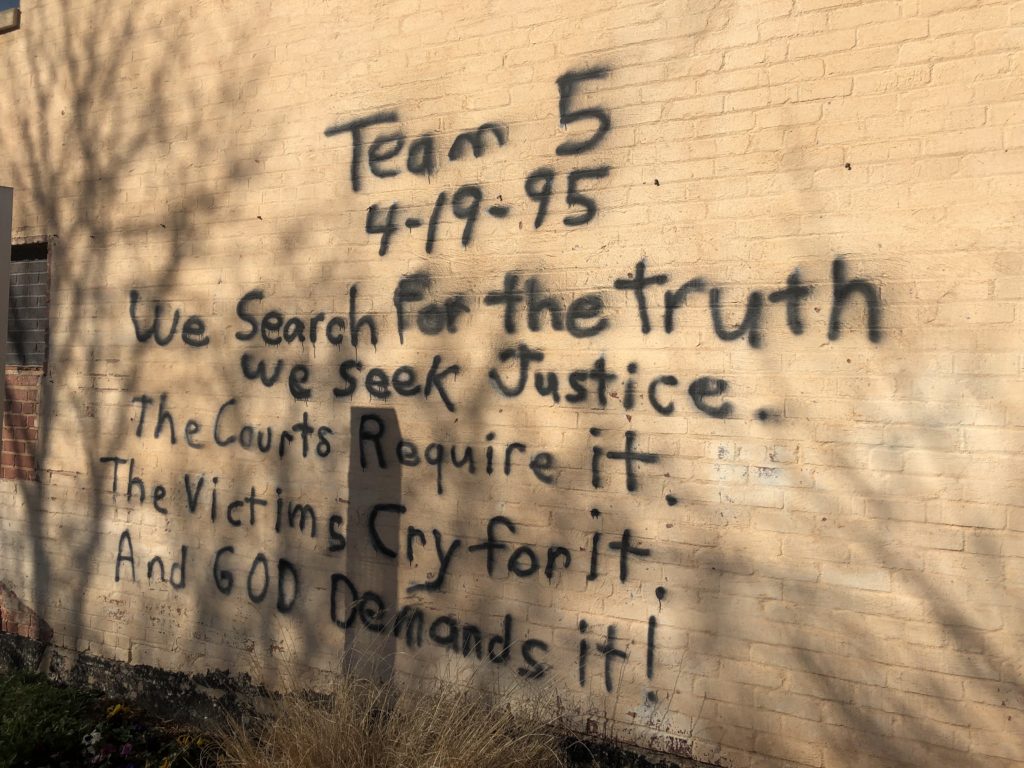
Eventually, Waters saw the light. He left the DEA a few years after the bombing and enrolled in a graduate course at Florida State University, where I would meet him years later when he was teaching his domestic terrorism class. In 2004, Waters was brought back to Oklahoma City in order to testify against Terry Nichols during his state trial. On the stand, Waters spoke his truth, which was met with hostility by the prosecution. Waters was vindicated after the trial when the father of one of the victims confronted him in the courthouse hallway, thanking him for having the courage to tell the full story, regardless of how it affected the trial. Years later, Waters decided to write to Nichols in a bid to forgive him and finally move on from one of the darkest chapters in his life.
“I wrote Nichols, who was in the supermax in Colorado. I told him I forgave him. He wrote back and said how sorry he was for being involved in such a horrible crime but that he was right with God. I think me forgiving him helped me to be right with God, too.”








COMMENTS