

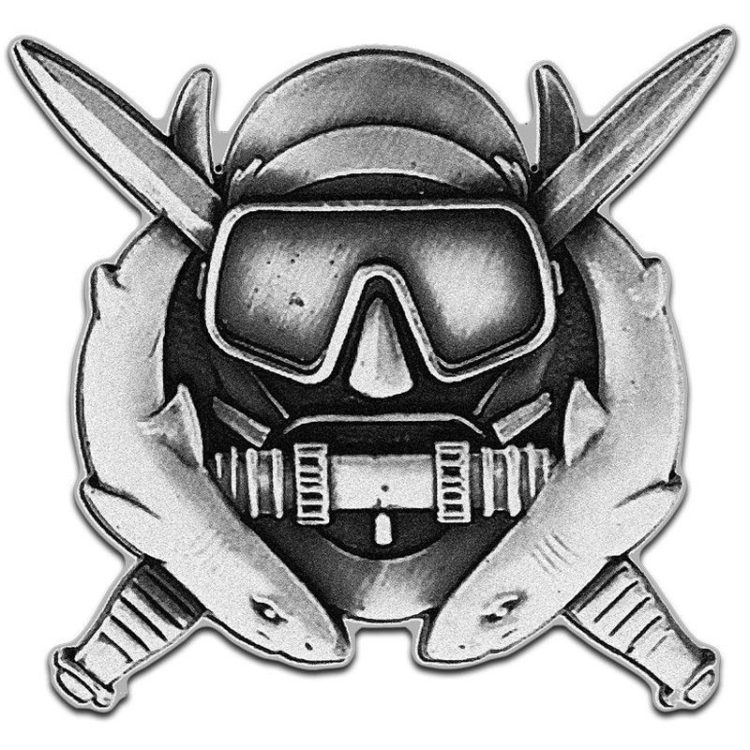
So, the best case but unlikely scenario is to have a leader who is a Combat Diver, thereby increasing the chances that he will support and promote the capability. Major General John Brennan, the incumbent commanding officer of 1st SFC and a former Delta Force operator, happens to be a Combat Diver.
Conversely, the standard case and most usual, scenario is to have a leader who isn’t a Combat Diver and thus doesn’t understand or care about the needs and future of the capability.
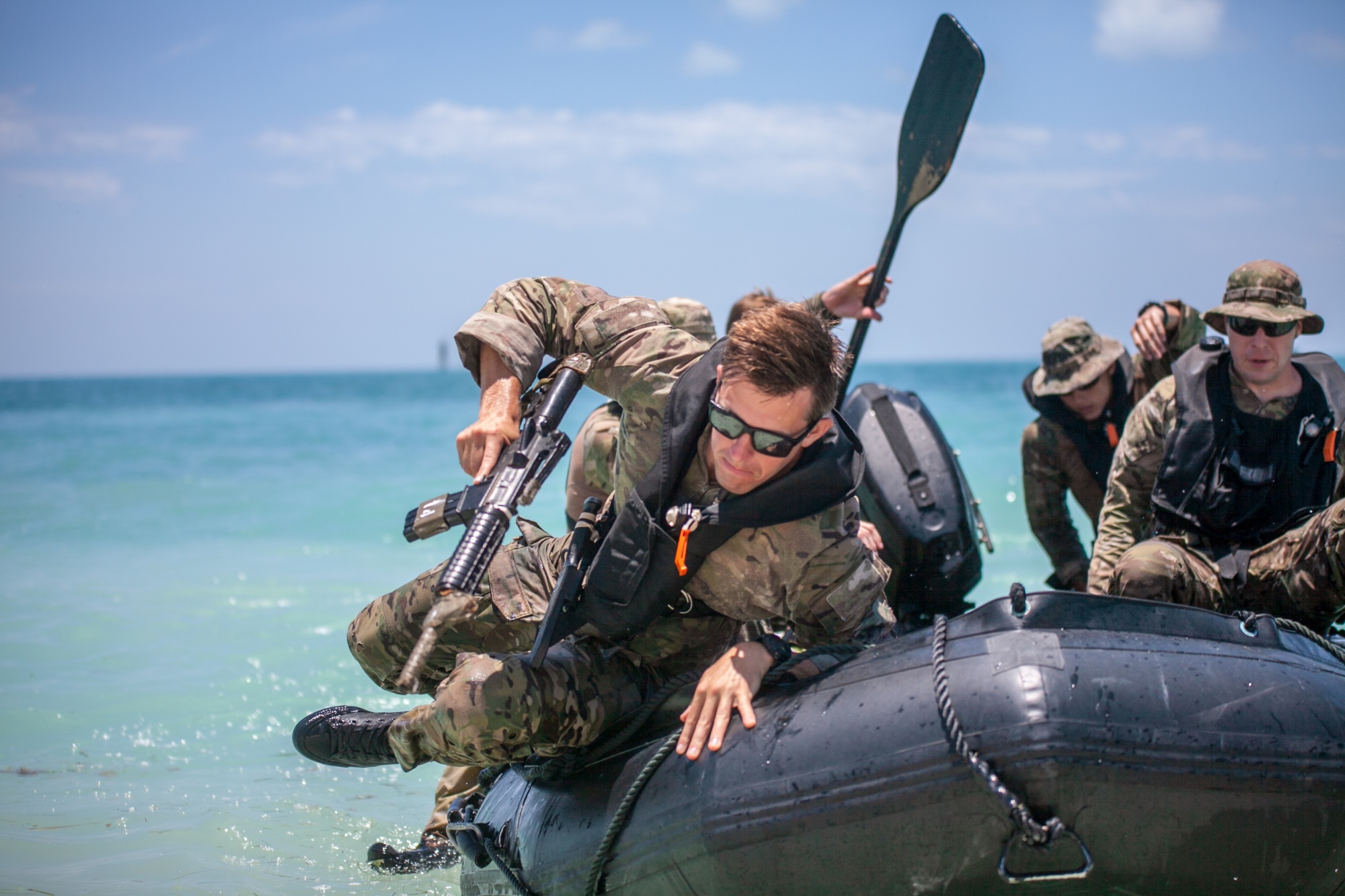
Another example of how the Combat Diver capability is shunned can be seen in the attention that Army SOF leadership pays to the critical Dive Liaison Officer (LNO) position at USASOC. Currently, the Dive LNO at USASOC is a staff sergeant (E-6). Although SOFREP has learned that he is a great Green Beret, in the end, his power and influence are limited by his rank. In a sea of colonels (O-5 & O-6), master sergeants (E-8), and sergeant majors (E-9), an E-6 can do only so much.
The LNO is responsible for communicating and coordinating with the dive lockers at the different Groups and also with 1st SFC. However, SOFREP understands that there is an alarming lack of communication between USASOC and 1st SFC with regard to Special Forces Maritime Operations (MAROPS) despite the efforts of the LNOs.
This is “just another reflection of [the] lack of understanding, concern, and investment in SF maritime operations,” as a retired Green Beret with decades of experience in maritime operations told SOFREP.
The direct result of this situation is a lack of understanding by the Army SOF leadership about its MAROPS capabilities. It’s like having a Ferrari in your garage. But because you’re not sure how to drive it, you leave it there to rust, never servicing it, because you don’t know how, until it becomes a pile of junk.
The indirect result of this situation is that the U.S. Special Operations Command (SOCOM), which has command responsibility for USASOC and 1st SFC, doesn’t have a grasp of what Special Forces dive teams do. Consequently, there is little to none financial support to Special Forces dive teams from SOCOM; for the 2021 fiscal year, SOCOM has requested a budget of $16.6 billion.
“If you maintain a capability, then you have to pay for it,” said to SOFREP another former combat diver Green Beret who maintains close ties to the Special Forces combat diver community.
It is important to clarify that there is no conflict between USASOC’s maritime capabilities and that of Naval Special Warfare’s (NSW), that is, the SEAL Teams and SEAL Delivery Vehicle Teams (SDVs). Special Forces dive teams use their maritime capability as just another means of infiltration. Nothing more, nothing less. It’s a way to the job, rather than the job. You won’t see a dive ODA planting limpet mines on Chinese warships inside their harbors anytime soon.
Army SOF commanders “have the capability to support MAROPS but they don’t. Unlike the SEALs, where everyone is combat diver qualified, and there’s a vested interest in the capability, they [Army SOF commanders] don’t have an interest,” said to SOFREP an operator serving in a combat diver team.
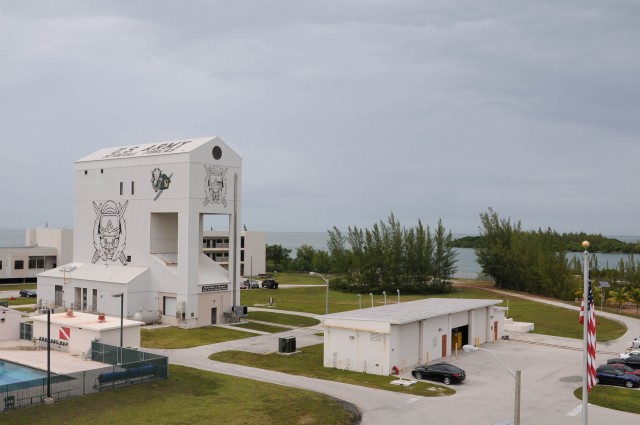
In addition to the above issues, there is a lack of continuity within dive lockers — again, the situation varies by Group. Most dive locker managers are contractors and not federal employees (GS). Although many tend to stay in that position for years, this isn’t guaranteed. And once they depart, their experience and administrative expertise leave with them. This lack of institutional continuity forces dive lockers to reinvent the wheel on many occasions.
In the 3rd Special Forces Group, for example, the contractor responsible for the dive locker was laid off for about a year at some point. If you consider that he was responsible for maintaining all the “heavy” dive equipment that is essential to a dive team, you can understand how serious the leaderships is about the combat diver capability.
Naturally, this lack of support and interest from the leadership is adversely affecting the dive teams. Retention isn’t the best. And although every Special Forces company is supposed to have a dive team, the lack of support combined with the added selection process to become a combat diver has left Special Forces Groups with fewer dive teams than what was the norm.
But if ever there was a time to invest in dive teams it would be now. This is the age of Great Power Competition. As the U.S. is gradually pulling out of the endless wars in the Middle East and the military is once more fixing its gaze to near-peer adversaries, dive teams provide ARSOF commanders with more options.
And yet, unless USASOC and 1st SFC take their combat diver capability seriously, dive teams will continue to exist in the twilight until they dwindle away to nothing.
Any public discussion about a Special Operations capability is a delicate affair. You don’t wish to reveal too much but you have to buttress your arguments with evidence. The purpose of this article, thus, is to attempt to effect change by highlighting an important issue without divulging sensitive information.
As of the time of publication, USASOC hasn’t responded to a request for comment.
This article is dedicated to Staff Sergeant Todd Chittenden, 10th Special Forces Group; killed in training on December 8, 1994.








COMMENTS