

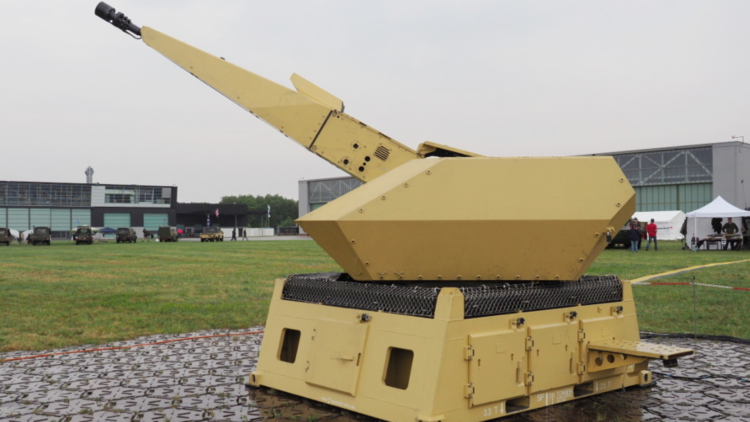
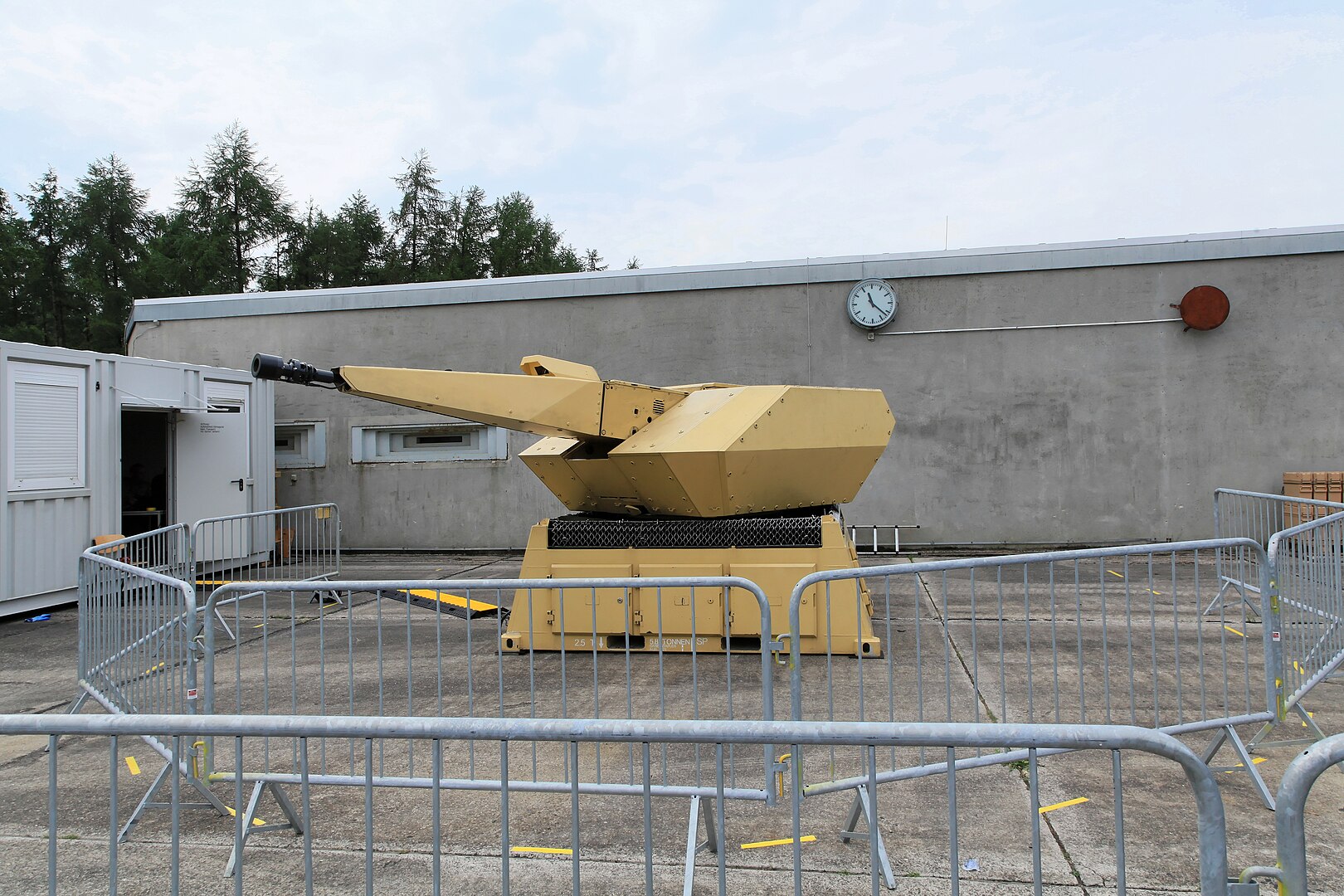
With these systems in place, the Slovak military will be better equipped to defend against potential threats, further contributing to regional stability and security.
Support for Ukraine
The decision to provide Slovakia with MANTIS air defense systems is not just about enhancing its border security but also a strong message of support for Ukraine.
Slovakia, like many other European nations, has consistently shown its solidarity with Ukraine in the face of the ongoing Russo-Ukrainian conflict.
Last February, German Defense Minister Jaroslav Nad emphasized this aspect by stating:
“The agreement to acquire these modern systems is an appreciation of our unequivocal support for Ukraine and a responsible step by the Alliance.”
Germany’s Role in Regional Security
Germany’s commitment to supporting neighboring nations amid the Russia-Ukraine conflict is a clear testament to its active role in strengthening regional security.
Berlin has consistently demonstrated its willingness to provide military aid and assistance to countries facing security challenges.
In September, the German government pledged a substantial 400 million euros ($428 million) in military aid to Ukraine, reinforcing its commitment to helping Ukraine defend its territorial integrity and sovereignty.
This support is part of Germany’s broader efforts to contribute to stability and security in the European region.
Slovakia’s Commitment to Security and Regional Stability
Slovakia, as a NATO member, recognizes the significance of modernizing and enhancing its defense capabilities.
The acceptance of the MANTIS air defense systems is a clear indication of Slovakia’s commitment to ensuring the security of its citizens and protecting its national interests.
By investing in advanced defense technology, Slovakia is taking proactive steps to safeguard its borders and contribute to the collective defense of the alliance.
The deployment of the MANTIS air defense systems to its eastern region is particularly significant for protecting critical national infrastructure.
Ensuring the security of key facilities and assets, such as power plants, transportation hubs, and communication centers, is vital to a nation’s stability and economic well-being.
With the MANTIS systems in place, Slovakia is better equipped to defend these essential elements of its infrastructure, reducing vulnerabilities and enhancing resilience.
Populist Shift in Slovakia’s Military Aid Policy
Following the arrival of the MANTIS system in Bratislava, Slovakia’s new populist Prime Minister, Robert Fico, has announced a significant policy shift by halting military aid to Ukraine.
Fico stated that Slovakia would “no longer supply weapons to Ukraine” but would continue to provide humanitarian aid.
He emphasized the need for an immediate halt to military operations and called for the European Union to focus on peace efforts instead of arms supply.
Meanwhile, Russia downplayed the impact of Slovakia’s decision, citing its limited role in weapon supply.
The move marks a departure from the previous pro-Western stance of Slovakia, which had been supportive of Ukraine.
Slovakia had pledged substantial government support to Ukraine, making it one of the countries with the largest support by gross domestic product in this regard.
Future Security Challenges
In an era of evolving security challenges, the ability to detect and respond to threats quickly is paramount.
The MANTIS air defense systems provide Slovakia with a crucial tool to address not only traditional military threats but also emerging challenges posed by unmanned aerial vehicles (UAVs) and other asymmetrical threats.
As technology continues to advance, the adaptability and effectiveness of defense systems become increasingly important in safeguarding national security.
~
The delivery of two MANTIS air defense systems from Germany to Slovakia marks a significant step in enhancing ground-based border security and protecting critical national infrastructure.
The modernization and fortification of Slovakia’s defense capabilities are crucial for the nation’s security and stability, especially in the context of the Russia-Ukraine conflict.








COMMENTS