

Legal Frameworks and Policy Implications
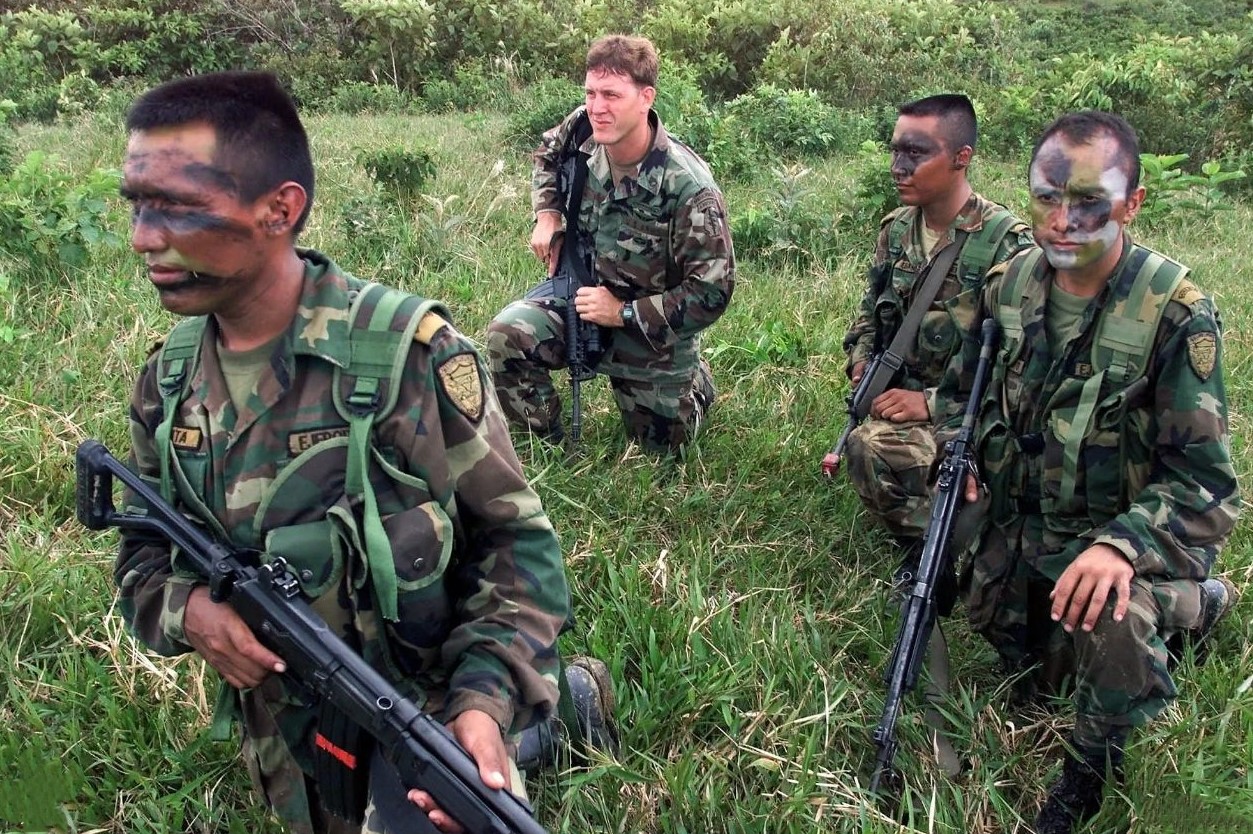
The debate over the military’s role in domestic law enforcement against cartels underscores the complexities of this approach. While legal precedents exist for military involvement in counterdrug operations, refining these authorities to more effectively target the cartels may provide a more focused and impactful strategy. The Biden administration has emphasized treating the opioid crisis and drug addiction more broadly as public health issues rather than criminal or military problems. This approach focuses on prevention, treatment, and recovery services to reduce the demand for drugs. How effective has that been? That’s right, not very.
A Comprehensive Military Involvement
As the opioid crisis continues to devastate American communities, the imperative for decisive action becomes ever more apparent. Leveraging the full spectrum of military capabilities against the Mexican cartels presents a viable path forward. This strategy not only aims to curb the current fentanyl influx but also positions the US to counter the evolving threat posed by these criminal enterprises proactively. That’s the key word here, “proactive”. Our leaders are willing to stand by and watch hundreds of thousands of lives become ruined or snuffed out because of the dangerous drugs that are flooding the United States every day. The sad part is they could be doing a lot more to stop it. We have the resources; let’s put them to use.
Confronting Mexico’s Political Dilemma
The political landscape in Mexico, marked by President López Obrador’s non-confrontational stance and the potential continuation of such policies under Claudia Sheinbaum, poses significant hurdles. The dismantling of initiatives like the Merida Initiative and the repurposing of the Mexican military for non-security roles signal a troubling shift away from combating cartel influence. This situation necessitates a reevaluation of cooperative strategies and underscores the need for a robust, independent US response.
Addressing the Root of the Supply Chain
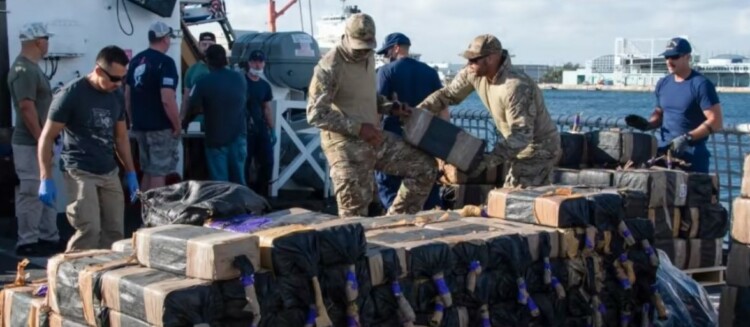
With China’s role in the fentanyl crisis evolving, the urgency for targeted US action against the cartels’ supply chains has intensified. This includes disrupting the maritime smuggling routes critical to the cartels’ operations and revitalizing key task forces within the military to spearhead these efforts. The challenges faced by JIATF (Joint Interagency Task Force) West and the necessity for its operational overhaul highlight the complexities of countering the fentanyl supply chain effectively.
Enhancing Border Defense and Interdiction Efforts
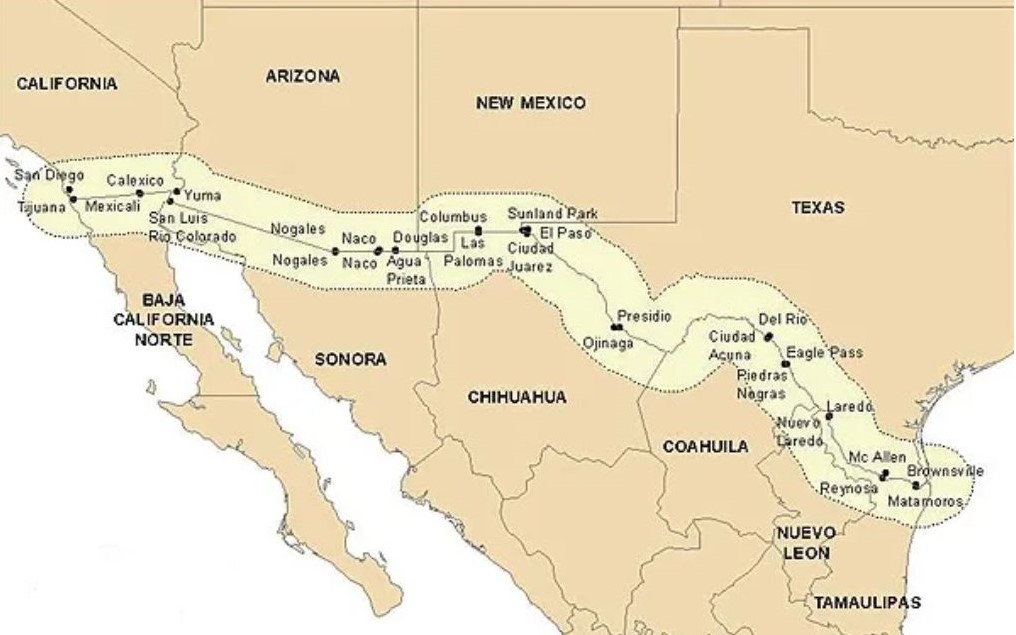
The need for a cohesive and comprehensive border defense strategy is paramount. Despite setbacks, enhancing the capabilities of JTF-N and ensuring the operational readiness of units tasked with this mission are critical steps. This includes prioritizing the seizure of weapons trafficked to the cartels and leveraging advanced surveillance technologies to monitor and disrupt drug trafficking operations.
The Deterrent Effect of Targeted Military Actions
Exploring the viability of targeted military strikes against the most threatening cartel factions offers a strategic lever in the broader effort to dismantle the narcotic networks endangering American lives. By focusing on syndicates like the Jalisco Cartel, known for their significant role in fentanyl trafficking and the incorporation of dangerous substances like xylazine, the US can deliver a clear message. Such decisive actions could instill a sense of vulnerability among cartels, potentially deterring future illicit activities and disrupting the fentanyl supply chain at critical points.
Navigating Legal and International Waters
The application of military force in combating drug trafficking raises important legal and diplomatic considerations. Expanding the operational scope of the military under existing legal frameworks, such as Title 10 USC 284, could enhance the effectiveness of these efforts without necessitating the contentious designation of cartels as terrorist organizations. This nuanced approach respects the complexities of international law and the importance of maintaining cooperative bilateral relations with Mexico, even as it grapples with its internal security challenges.
Building a Multifaceted Response
As the United States contends with the devastating impact of the opioid epidemic, the involvement of the military in this fight signifies a critical, though complex, component of a multifaceted strategy. This approach necessitates a recalibration of military and legal tactics and a comprehensive public health and diplomatic effort. Addressing the root causes of addiction, enhancing border security, and fostering international cooperation are equally essential to curtail the influence of Mexican cartels and reduce the prevalence of fentanyl on American streets.
Forward-Thinking Policies for Lasting Change
The fight against the opioid epidemic and the cartels fueling it demands forward-thinking policies that encompass military precision, legal clarity, and international diplomacy. By strategically deploying the military’s capabilities while navigating the legal and diplomatic challenges inherent in such actions, the United States can effectively counter the multifaceted threat posed by cartel operations. This comprehensive strategy not only seeks to dismantle the current networks of narcotic distribution but also to lay the groundwork for lasting change, safeguarding future generations from the scourge of opioid addiction.
Conclusion: A United Front Against the Opioid Crisis
In conclusion, as the opioid crisis continues to ravage communities across the United States, the call for a robust and decisive response grows louder. Using military capabilities, in concert with legal reforms, international diplomacy, and public health initiatives, presents a holistic approach to confronting the cartels at the heart of this crisis. By embracing a strategy that leverages the full spectrum of national power, the United States can make significant strides in reducing the tide of fentanyl and other opioids flooding its streets, ultimately saving lives and mending the fabric of affected communities.








COMMENTS