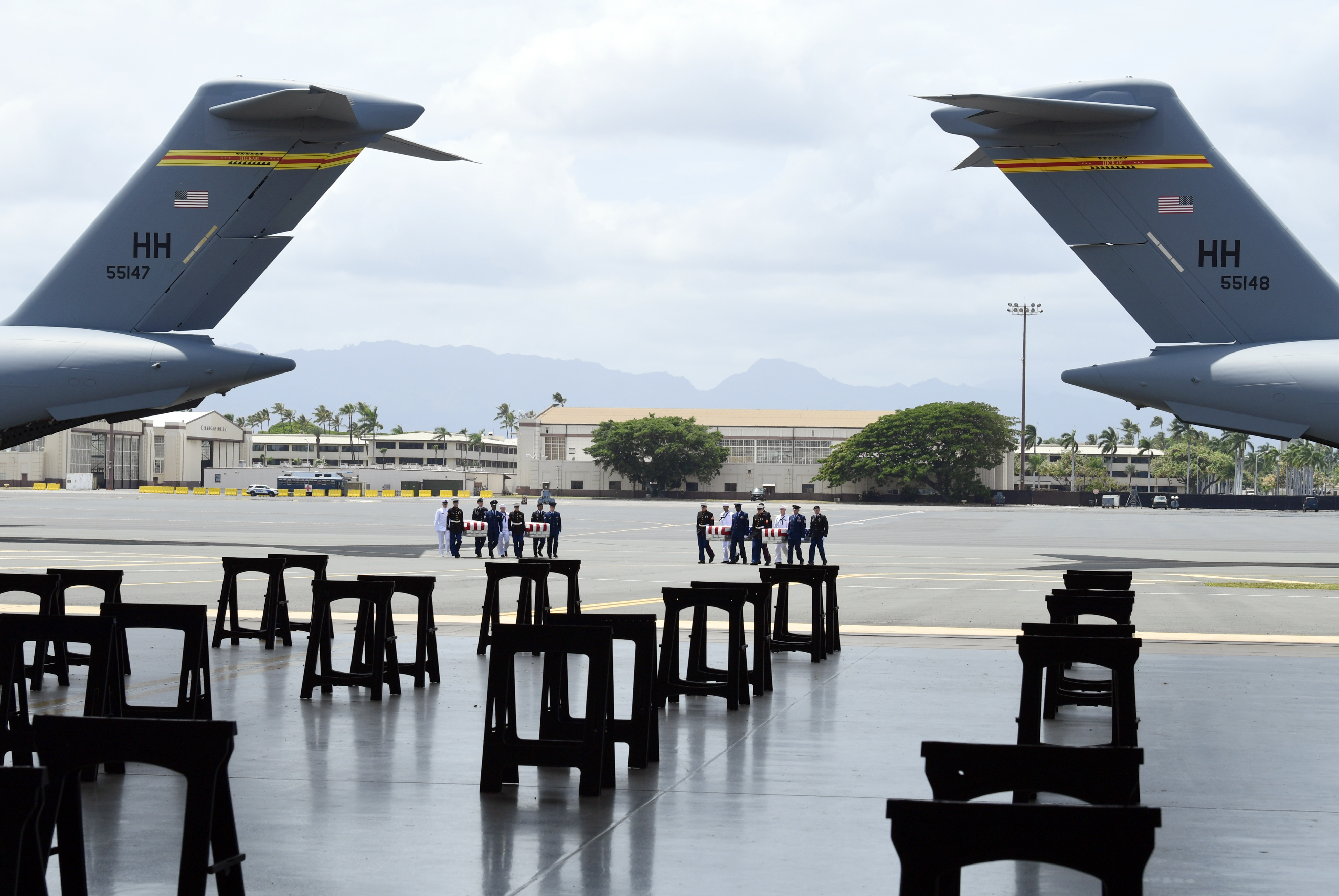
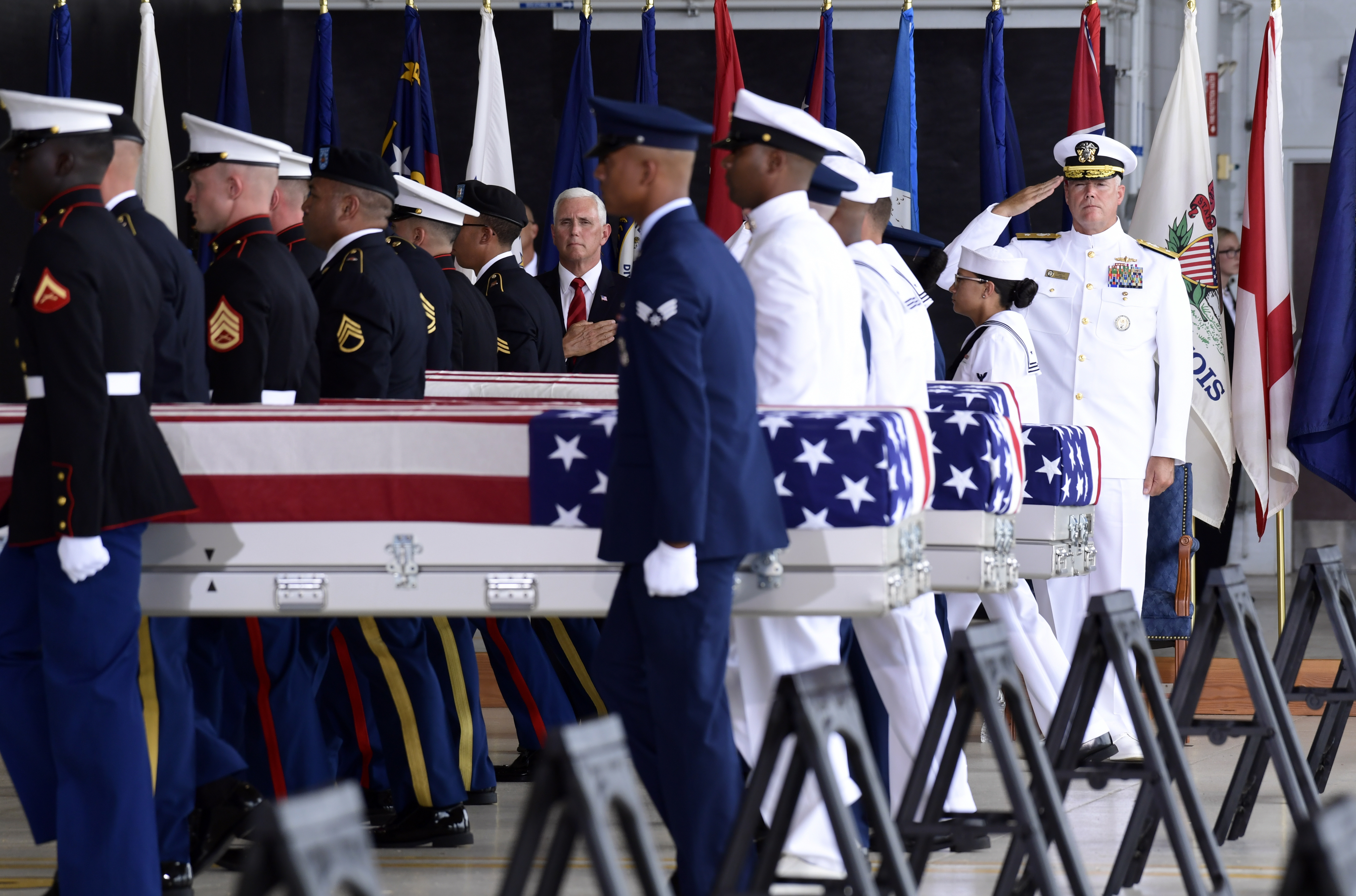
Caskets draped in American flags arrived onto U.S. soil on Wednesday, the remains of those who fell during the Korean War and have been lost ever since — until now. North Korea and the United States have worked together to transport the fallen service members home for the first time since they departed for the […]
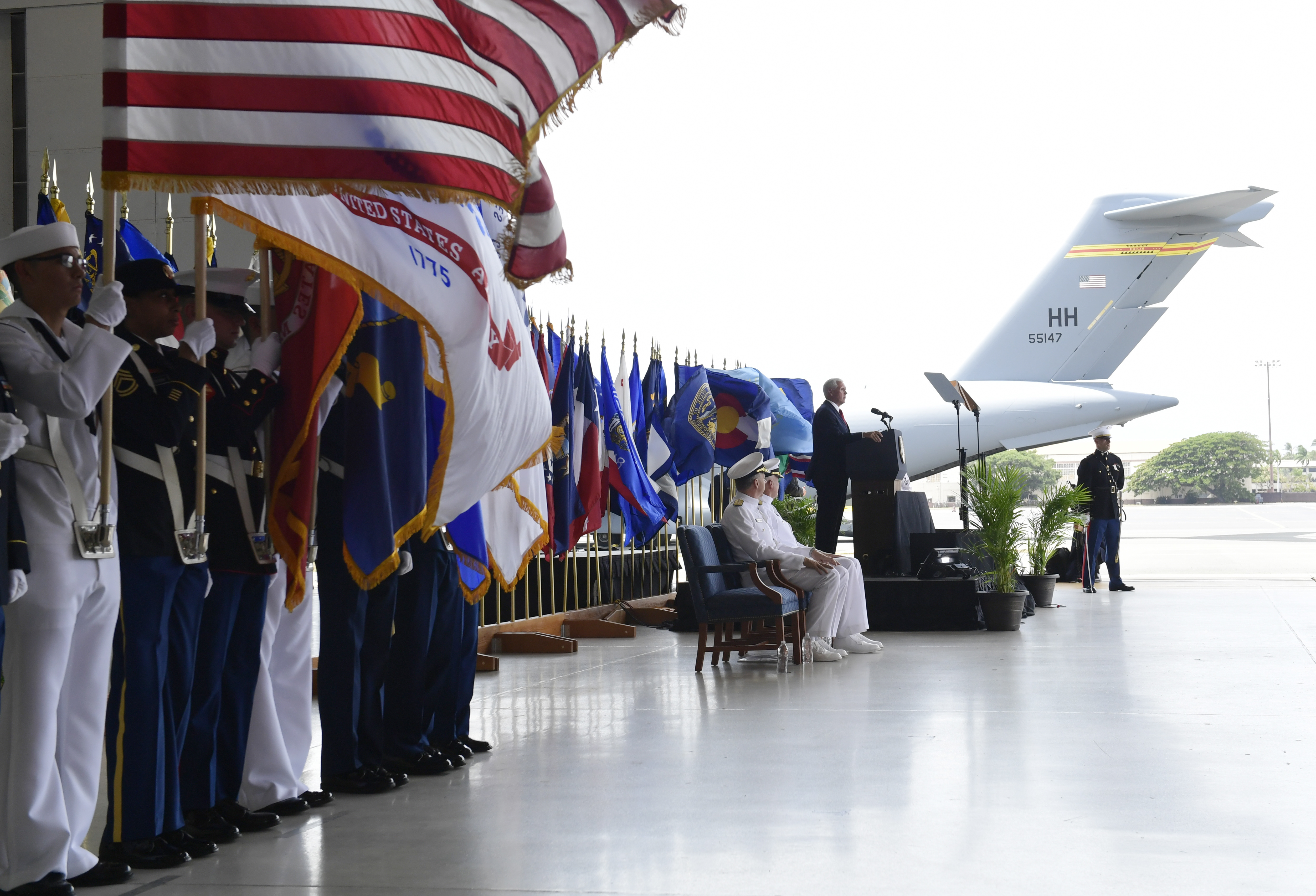
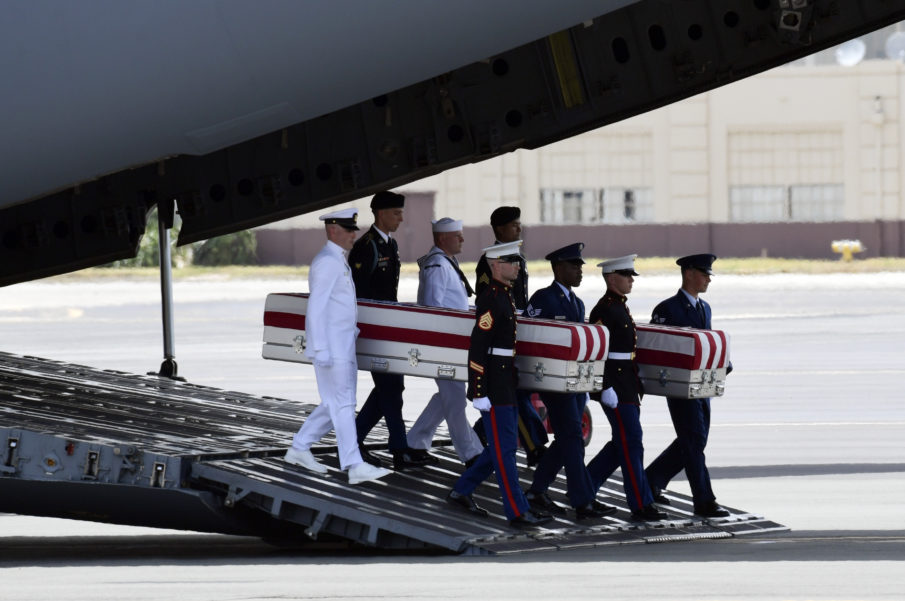
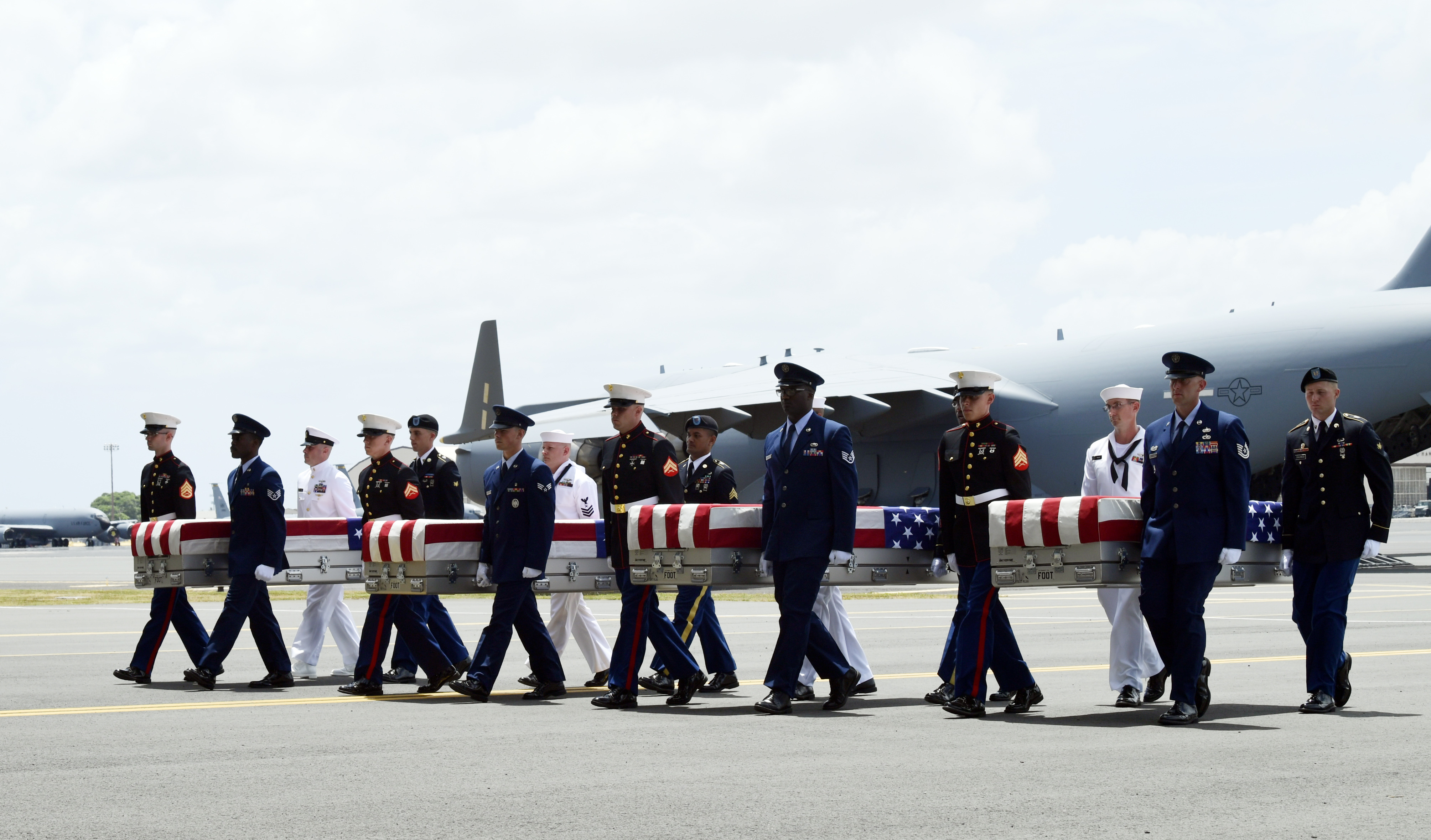
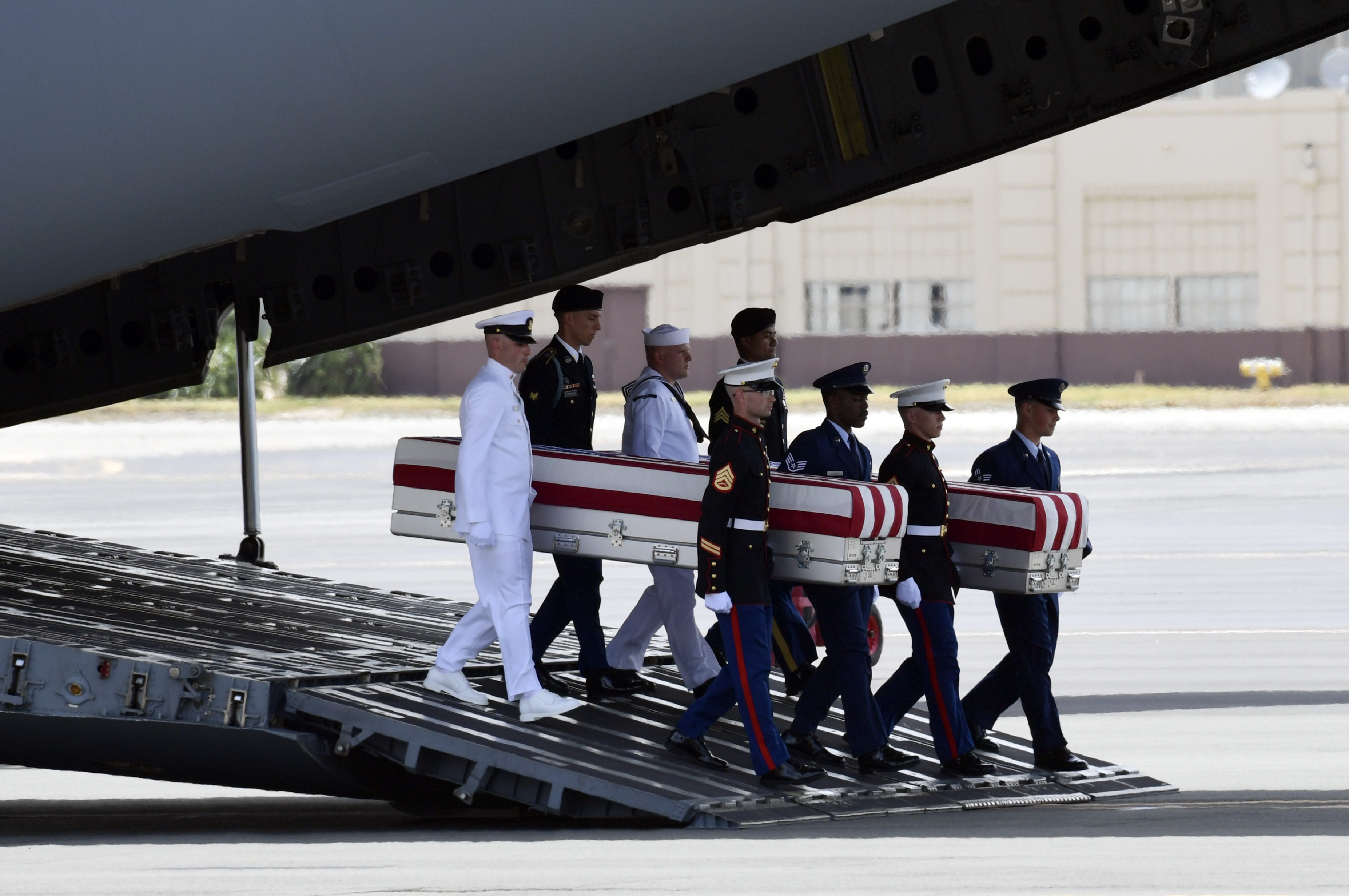
Caskets draped in American flags arrived onto U.S. soil on Wednesday, the remains of those who fell during the Korean War and have been lost ever since — until now. North Korea and the United States have worked together to transport the fallen service members home for the first time since they departed for the war some six and a half decades ago, and there are 55 caskets in total. The act has been seen as an olive branch between the United States and North Korea, but no doubt many families of the fallen are simply happy to see their loved ones returned
Advertisement
Right now, members from the Defense POW/MIA Accounting Agency are conducting an investigation to determine basic characteristics of those who lie in the caskets — they seek to ensure the validity of the remains, as well as make attempts to discover the families of the fallen and return them once identified. Reports indicate that only one dog tag could be found among the remains (though that family member has been notified). This entire process could take up to a few years, depending on how difficult it proves to be.
At the ceremony, U.S. Vice President Mike Pence said,
And to our honored dead who gave the last full measure of devotion for their families and our freedom; to these great American heroes fallen so long ago — today, as a nation, we breathe a word of thanks for your service and sacrifice. And we say to you, as one people with one voice: welcome home.”
Advertisement
Coming Home:
Photos by Susan Walsh
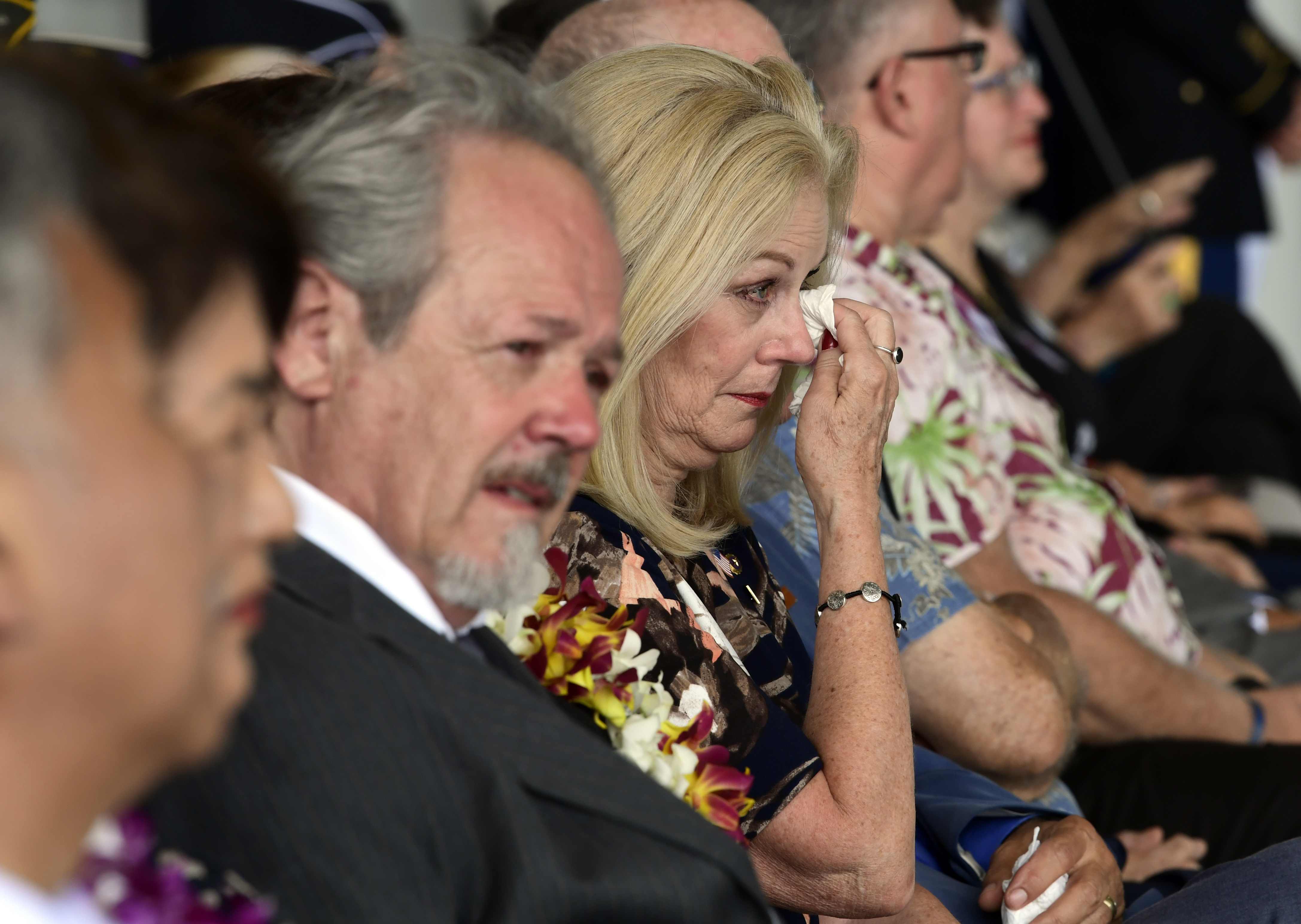
Vice President Mike Pence speaks at a ceremony marking the arrival of the remains believed to be of American service members who fell in the Korean War at Joint Base Pearl Harbor-Hickam, Hawaii, Wednesday, Aug. 1, 2018. | AP Photo/Susan WalshPeople listen at a ceremony marking the arrival of the remains. | AP Photo/Susan WalshMilitary members carry transfer caskets from a C-17. | AP Photo/Susan WalshMilitary members carry transfer cases from a C-17 at the ceremony. | AP Photo/Susan WalshMilitary members carry transfer cases from a C-17 at the ceremony marking the arrival of the remains. | AP Photo/Susan WalshVice President Mike Pence and Navy Rear Adm. Jon Kreitz, deputy director of the POW/MIA Accounting Agency, right, watch as military members carry transfer cases from a C-17 at the ceremony. | AP Photo/Susan WalshMilitary members carry transfer cases from a C-17 at the ceremony. | AP Photo/Susan Walsh