

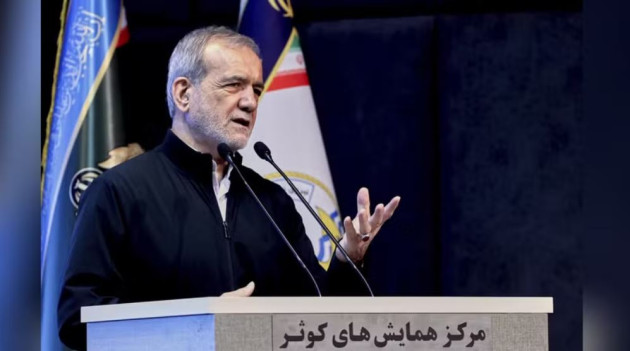
Reuters reported March 3, 2026, that Iran’s UN envoy in Geneva, Ali Bahreini, said Iran has not contacted the United States about possible peace talks or the resumption of nuclear negotiations. In the same Reuters reporting, Bahreini cast doubt on the usefulness of negotiations “at the present time.”
That is important because this is not a slogan aimed only at domestic audiences. It is a position stated in a forum built for diplomatic signaling, delivered in a way that suggests Tehran wants the record to show it is not chasing a table right now.
The Whiplash: Talks Were Still Happening Days Earlier
The cleanest way to show the pivot is the timeline.
On Feb. 22, 2026, Reuters reported Oman confirmed the United States and Iran would hold talks in Geneva that Thursday. On Feb. 26, 2026, Reuters reported talks ended with no deal, but Oman said there were signs of progress.
Then, within days, the public message from Tehran’s top security lane became: no negotiations with the United States.
Even if the talks were indirect and fragile, the contrast is the story. A negotiating track existed, and now Tehran is publicly rejecting the idea that it is returning to it under fire.
Perhaps it had something to do with us killing many of their top leaders.
What To Watch Next
If Tehran is serious about keeping “no negotiations” as more than a public line, you will see it in consistency across spokespeople and venues.
And as soon as the bombs started dropping, we have seen just that.
If it is mostly posture, you will see language soften without anyone admitting it. Watch for intermediaries, including Oman, continuing to describe “progress” in technical contacts even as Iran’s public line stays rigid.
The Door May Be Closing From Both Sides
In public, Tehran is saying it will not negotiate. In public, Trump is saying it is “too late.” Multiple outlets reported on March 3, 2026, that Trump wrote Iran “want[s] to talk” and he replied: “Too Late!”
If both capitals are planting flags like that, the diplomatic off-ramp narrows fast, at least in the open.
Before the strikes began, Trump was talking in the opposite direction, saying the U.S. needed a “meaningful deal” with Iran and pointing to “good talks,” according to Reuters reporting from Feb. 19, 2026.
Viewed through a strategic lens, this phase is shaped less by public diplomacy and more by escalation control, deterrence signaling, and the risk of miscalculation. When diplomacy is declared dead, war becomes the only language left.








COMMENTS