

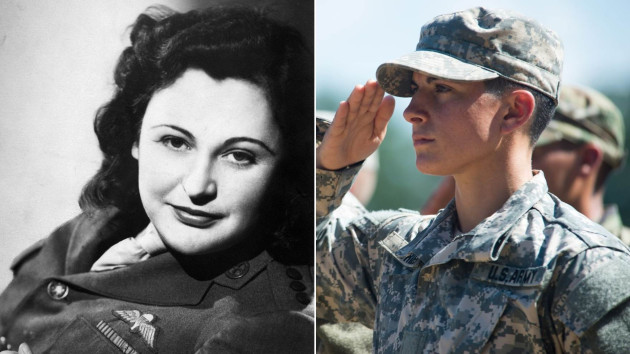
3. Nancy Wake: Gestapo’s Elusive “White Mouse” (WWII)
Nancy Grace Augusta Wake (1912–2011), born in New Zealand and raised in Australia, became World War II’s most decorated servicewoman. A glamorous journalist in 1930s Paris, she married Frenchman Henri Fiocca and turned spy after the German occupation. Her blonde looks and cunning earned her the Gestapo nickname “White Mouse,” with a 5-million-franc bounty on her head.
In 1943, Wake joined the SOE’s “Freelance” circuit, parachuting into Auvergne to coordinate 7,000 Maquis guerrillas. She organized arms drops, paid fighters, and planned sabotage ahead of D-Day—destroying rail lines and bridges. In one raid, her team reportedly burned the Gestapo HQ at Montluçon, reportedly killing 38.
Her legendary grit defined her: crossing the Pyrenees in heels after bike courier runs, strangling an SS guard caught washing, and executing her husband’s traitorous successor. Betrayed in 1944, she survived torture and led attacks that killed 200 Germans before the Allied landing.
Postwar, Wake was awarded the George Medal, U.S. Medal of Freedom, and three Croix de Guerre; after the Gestapo execution of her first husband, she remarried RAF officer John Forward. Rejecting Australian politics as “too tame,” she split time between London and Montenegro, later reflecting unapologetically near age 98: “I killed a lot of Germans, and I’m only sorry I didn’t kill more.”
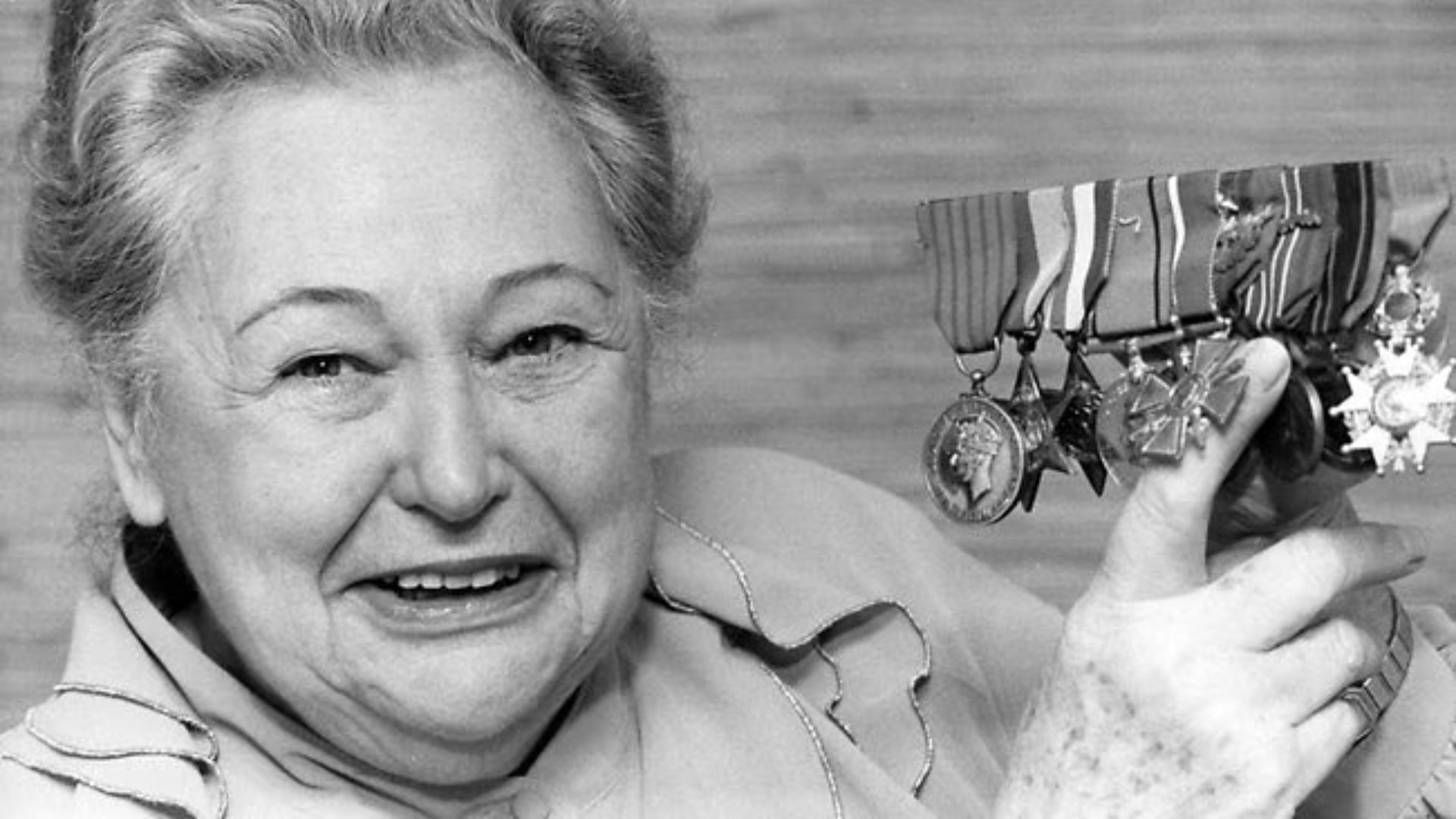
Wake disrupted Nazi rear lines, aiding the Normandy invasion. Across 39 SOE missions, she embodied Allied special operations daring, inspiring films like Charlotte Gray. An icon of courage and defiance, she famously said, “Freedom is the only thing worth living for.” Her bare-knuckle legacy endures in Special Ops lore.
4. Lyudmila Pavlichenko: “Lady Death” Sniper (WWII Eastern Front)
Lyudmila Mikhailovna Pavlichenko (1916–1974), a history student from Kyiv, joined the Red Army reserves after Germany’s 1941 Barbarossa invasion. A trained sniper who honed her aim hunting wolves with her grandfather’s rifle, she made her mark at the Siege of Odessa, scoring 187 kills in just two and a half months and earning promotion to senior sergeant.
Evacuated to Sevastopol under relentless mortar fire, she added 122 more, totaling 309 confirmed kills—including 36 enemy snipers—before facial shrapnel ended her frontline service in June 1942. She married fellow sniper Kostia Kitsenko, who was killed in 1943, mourning him amid the trenches.
Pulled from combat for propaganda, Pavlichenko toured the US and UK in 1942, impressing Eleanor Roosevelt with her quip: “One sniper doesn’t win a war; give us more tanks!” Her record, the highest for any woman, highlighted the Allies’ slow second-front response. Awarded Hero of the Soviet Union, she later graduated from Kyiv University and worked in armaments.
From camouflaged cliffs with her Mosin-Nagant, Pavlichenko terrorized Wehrmacht troops. Wounded four times, she trained 1,000 snipers, her memoirs detailing the cold calculations of windage, heartbeat, and bullet drop. The 2015 film Battle for Sevastopol revived her story for modern audiences.
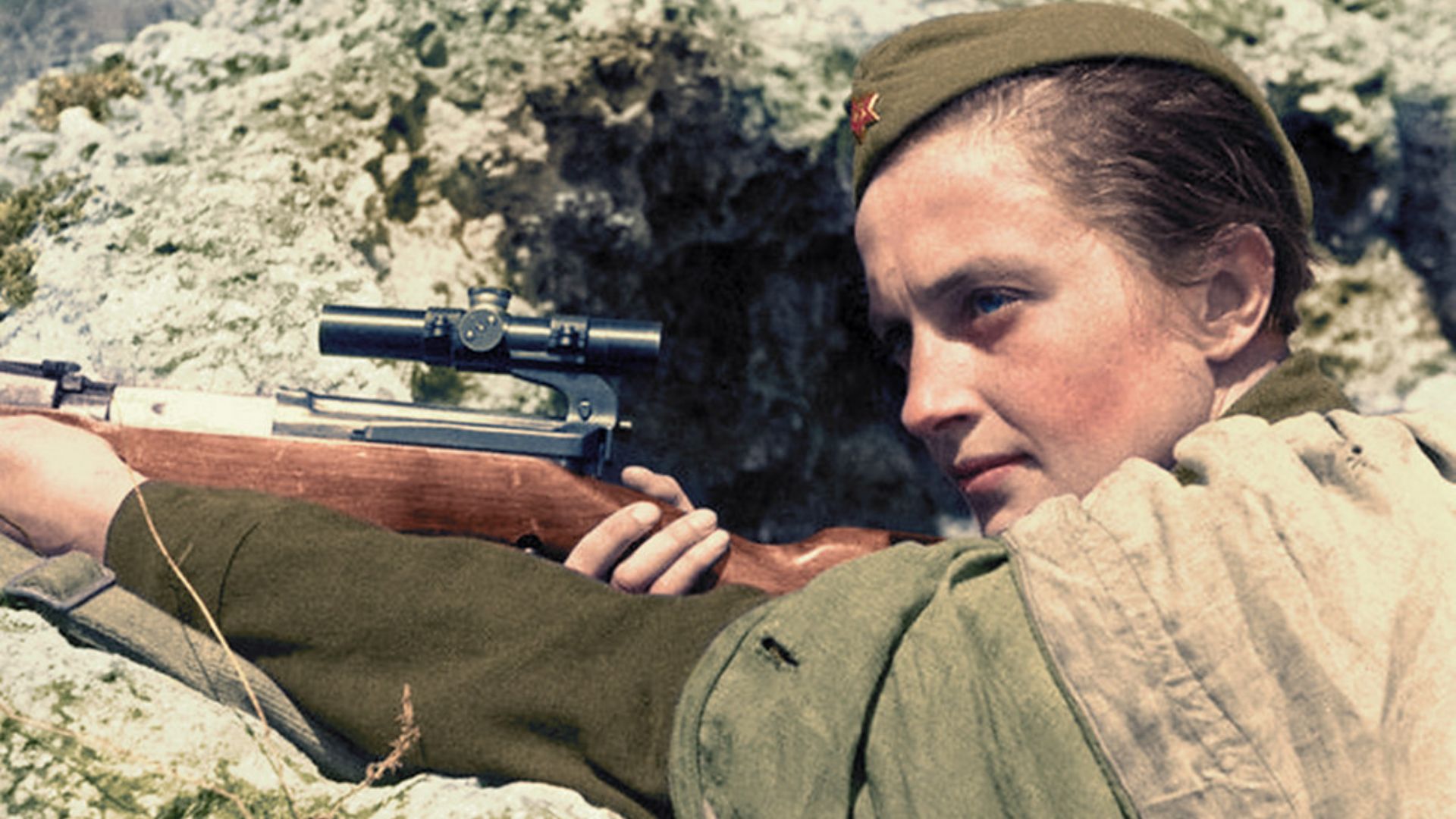
As the deadliest female sniper in history, Pavlichenko defied Soviet “rear-only” norms, proving women could be lethal in total war. From Odessa’s ports to global stages, she remains an icon of courage and precision, celebrated on International Women’s Day.
5. Oveta Culp Hobby: Architect of the WACs (WWII)
Oveta Culp Hobby (1905–1995), Texas band leader and legislator’s wife, became the first director of the Women’s Army Corps (WAC). Before World War II, she advised the department of war on women in the military and successfully testified for the passage of the Women’s Army Auxiliary Corps (WAAC) bill in May 1942. Appointed colonel at 37, she began recruiting despite ridicule as “lipstick soldiers.”
Hobby built the WAAC (later WAC) from the ground up to 150,000 by 1945, staffing drivers, welders, and clerks to free men for combat. Deployed overseas in 1943, she enforced discipline amid scandals, earning the Army Exceptional Service Medal. WASP pilots and other units operated under her oversight.
She faced persistent challenges: Congress resisted pay parity, and rumors questioned WAC morality. Hobby countered with poise, designer uniforms, and strict etiquette, eventually gaining respect. She also oversaw the integration of Black women and disbanded the WAC honorably in August 1945.
Postwar, Hobby founded the Houston Post media empire and became the first woman in the Eisenhower cabinet as Secretary of Health, Education, and Welfare, briefly sworn in by Lyndon Johnson in 1962. A philanthropist, she died in 1995.
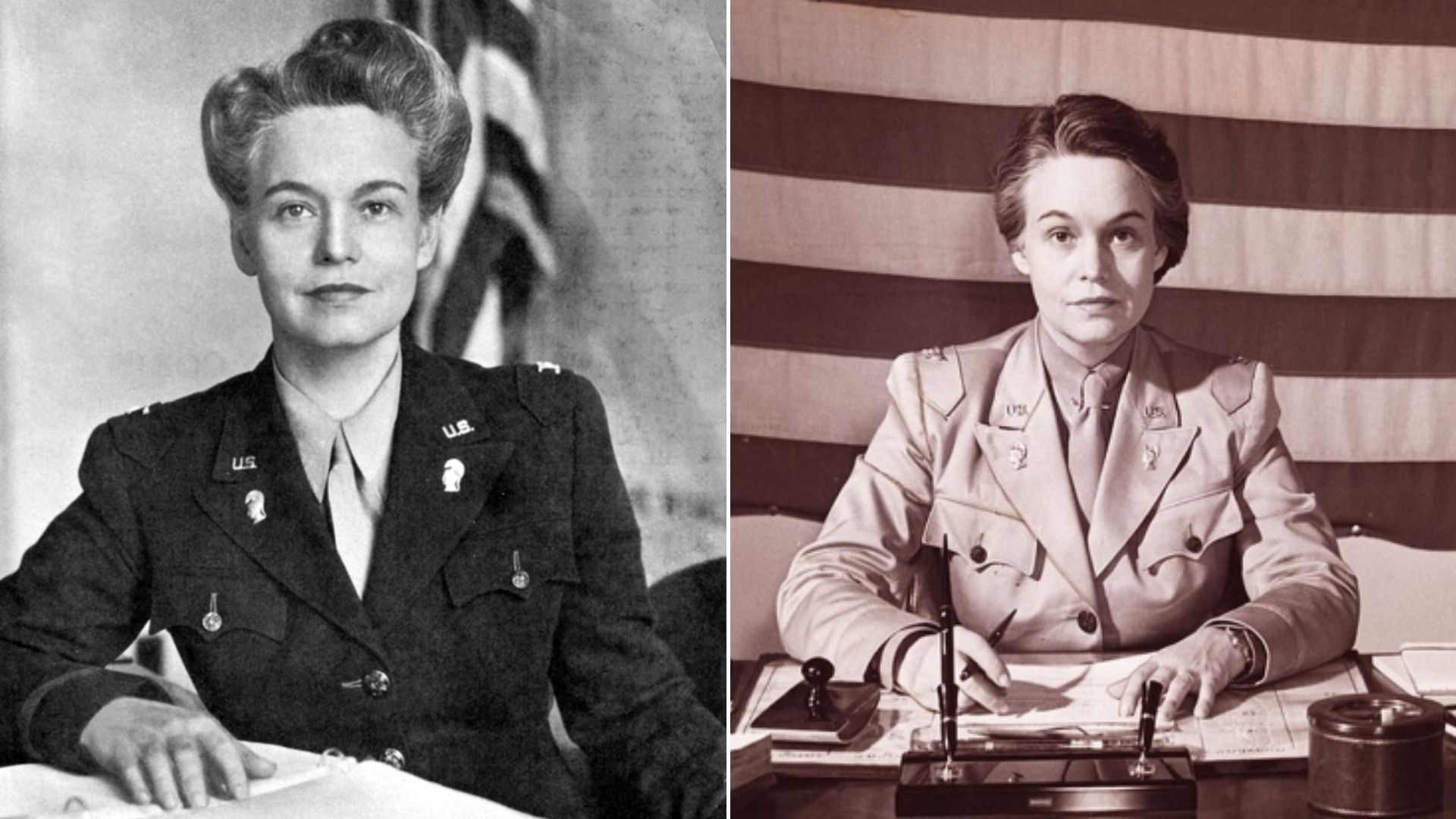
Hobby’s organizational skills transformed gender roles in the military, proving women could sustain large-scale operations. WACs earned more than 700 citations, and her blueprint endures in today’s integrated forces. IWD honors her as the architect of military womanhood.
6. Mariam Bastani: Tomcat Ace in Desert Skies (Iran-Iraq War)
Details on Iranian pilot Mariam Bastani remain scarce due to classified records, but oral histories confirm she was among the Islamic Republic’s first female fighter aviators during the 1980–1988 Iran-Iraq War. Trained before the revolution, she flew US-supplied F-14A Tomcats on no-fly patrols over the Gulf.
Bastani intercepted Iraqi MiG-25s and Tu-22 bombers targeting oil facilities, evading surface-to-air missiles and downing intruders with AIM-54 Phoenix missiles. She flew missions to Fakkeh and Khorramabad, countering ground assaults; on one radar-guided intercept, she destroyed a MiG near the Kuwait border as the enemy ran low on fuel.
Despite revolutionary bans on women in combat, Bastani’s skill strengthened a depleted air force that had lost 500 planes. Teammates reportedly recall her precision under chemical attacks, safeguarding tankers critical to Iran’s economy.
Postwar, she trained successors, quietly symbolizing defiance. Though Iranian media seldom celebrate her, veterans attest to her combat prowess. In male-dominated skies, Bastani pioneered Persian female combat aviation, embodying the resilience honored on IWD.
7. Rukhsana Kausar: Rifle-Wielding Village Defender (2004)
In 2004, 20-year-old Rukhsana Kausar hid in her Anantnag home as Lashkar-e-Taiba militants (led by commander Yousuf) shot her grandmother and wounded her brother Waqalat, intending to abduct her as a “bride.” Grabbing an axe, she struck first, splitting the leader’s skull.
The militants opened fire; her brother retrieved a snatched AK-47, while Rukhsana seized another rifle. Together, they killed two more attackers and wounded a fourth, who fled on a motorcycle. Locals summoned the Central Reserve Police Force (CRPF), and the Army hailed her as the “Rani of Jhansi.”
Awarded the Ashoka Chakra, India’s highest peacetime gallantry award, Rukhsana refused permanent protection, vowing to continue fighting. The media dubbed her “Braveheart,” while her family resettled under continued threat.
Kausar’s raw fury, civilian improv against trained killers, echoes folk heroines. In the Kashmir insurgency, she spotlighted women resisting jihadists. IWD icon for impromptu combat valor
8. Leigh Ann Hester: Silver Star Stormer (Iraq War, 2005)
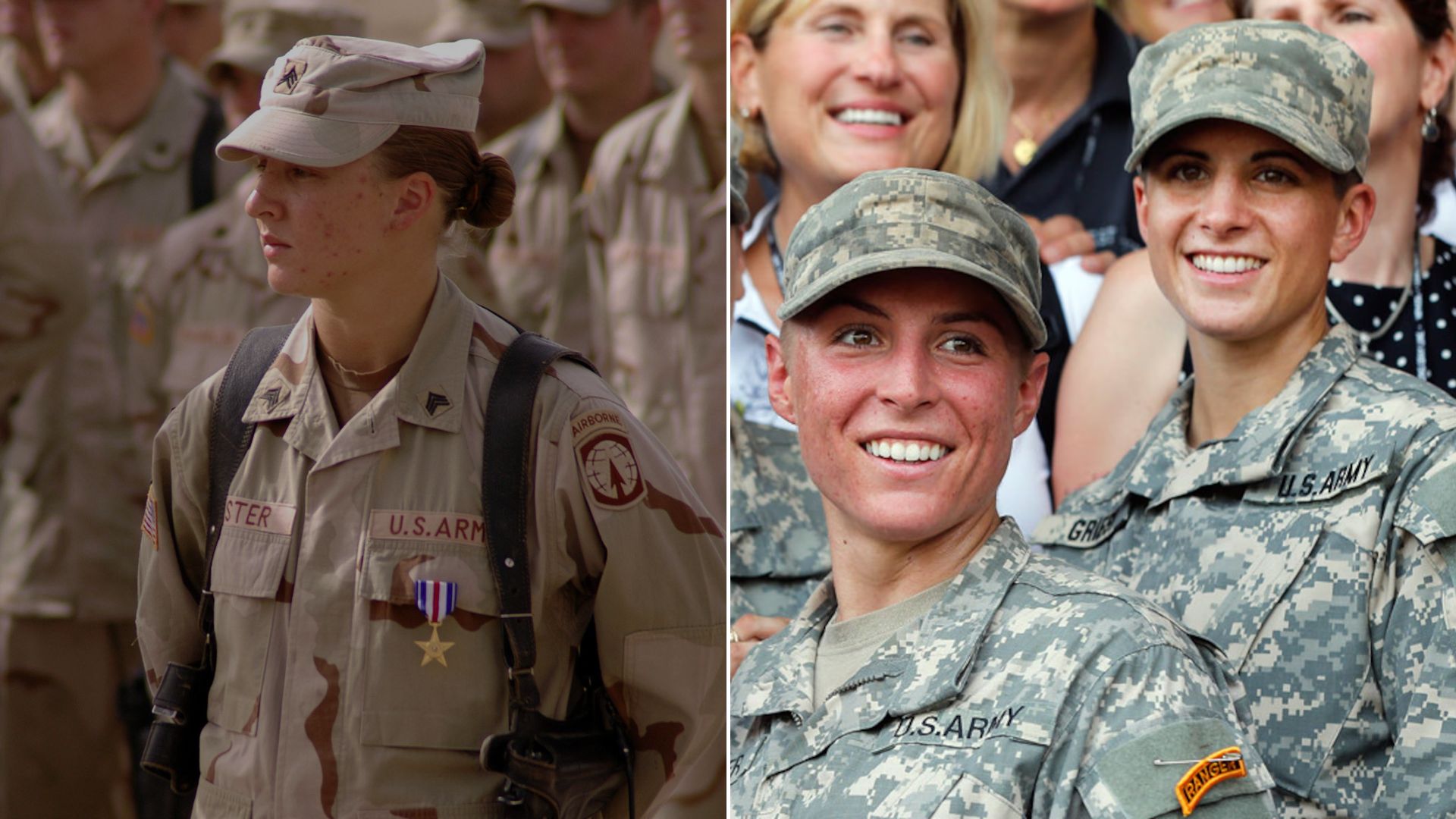
Staff Sgt. Leigh Ann Hester (1982–), a Kentucky National Guard MP, deployed to Iraq in 2004 with the 617th MP Company. On March 20, 2005, her team was shadowing a 30-truck convoy near Salman Pak when 50 insurgents ambushed them from trenches with RPGs, AKs, and RPKs.
Hester dismounted and, alongside SSG Tim Nein, flanked the kill zone under heavy fire. She assaulted enemy positions, grenading bunkers, shooting three fighters at close range, and clearing two trenches. Her team killed 27 insurgents and captured one, with no US casualties.
Hester became the first woman since WWII to receive the Silver Star (Mary Edwards Walker was a Civil War recipient), awarded in June 2005 at Arlington for “conspicuous gallantry,” including downing an RPG gunner at point-blank range.
She later addressed troops, advocated for women in combat, and became a business owner. Her actions, mirroring Ranger flanking tactics, proved MPs could operate as combat elite. Hester is celebrated on IWD as a modern Silver Star stormer.
9-10. Kristen Griest & Shaye Haver: Ranger Pioneers to Combat Commanders
Kristen Griest (1989–): A West Point ’13 mechanical engineer, Griest entered Ranger School in April 2015 alongside 19 women. Through Darby rucks, mountain patrols, and Florida swamp survival training, she recycled phases and graduated on August 18—the first female Ranger tab-earner alongside Shaye Haver.
Griest endured 61 grueling days: 49% body weight loss, constant peer evaluations, and sleep deprivation. She was assigned to 75th Ranger Regiment support, completed infantry officer training, and became the first female platoon leader at Fort Benning in 2017. She later transitioned to the US Secret Service in 2019.
Shaye Haver (1989–): A West Point ’13 chemical engineer, Haver pushed through Ranger School in lockstep with Griest. After earning her tab, she became an aviation captain, flying Apache helicopters in Korea. Her leadership helped normalize women in elite military training.
Together, Griest and Haver overcame a 94% male washout rate, breaking barriers that lifted the 2015 combat ban. They trained thousands, with Griest testifying before Congress. Despite ridicule, they mentored others, emphasizing: “Standards don’t change.”
By 2026, their legacy enabled 1,000+ women in combat arms. IWD honors their endurance-forged impact and trailblazing leadership.








COMMENTS