

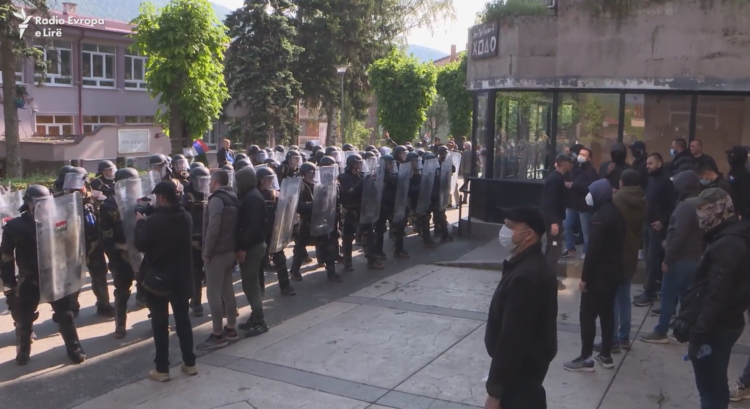
However, Kosovo remained under Serbian control until ethnic tensions between its groups ignited an armed conflict in the 1990s, marking a significant turning point. Despite declaring independence in 2008, the young nation continues to grapple with deep-rooted ethnic divisions. Approximately 92 percent of its 1.8 million citizens identify as ethnic Albanians, predominantly following the Muslim faith, while the minority Orthodox Christian Serbs make up around five percent of the population.
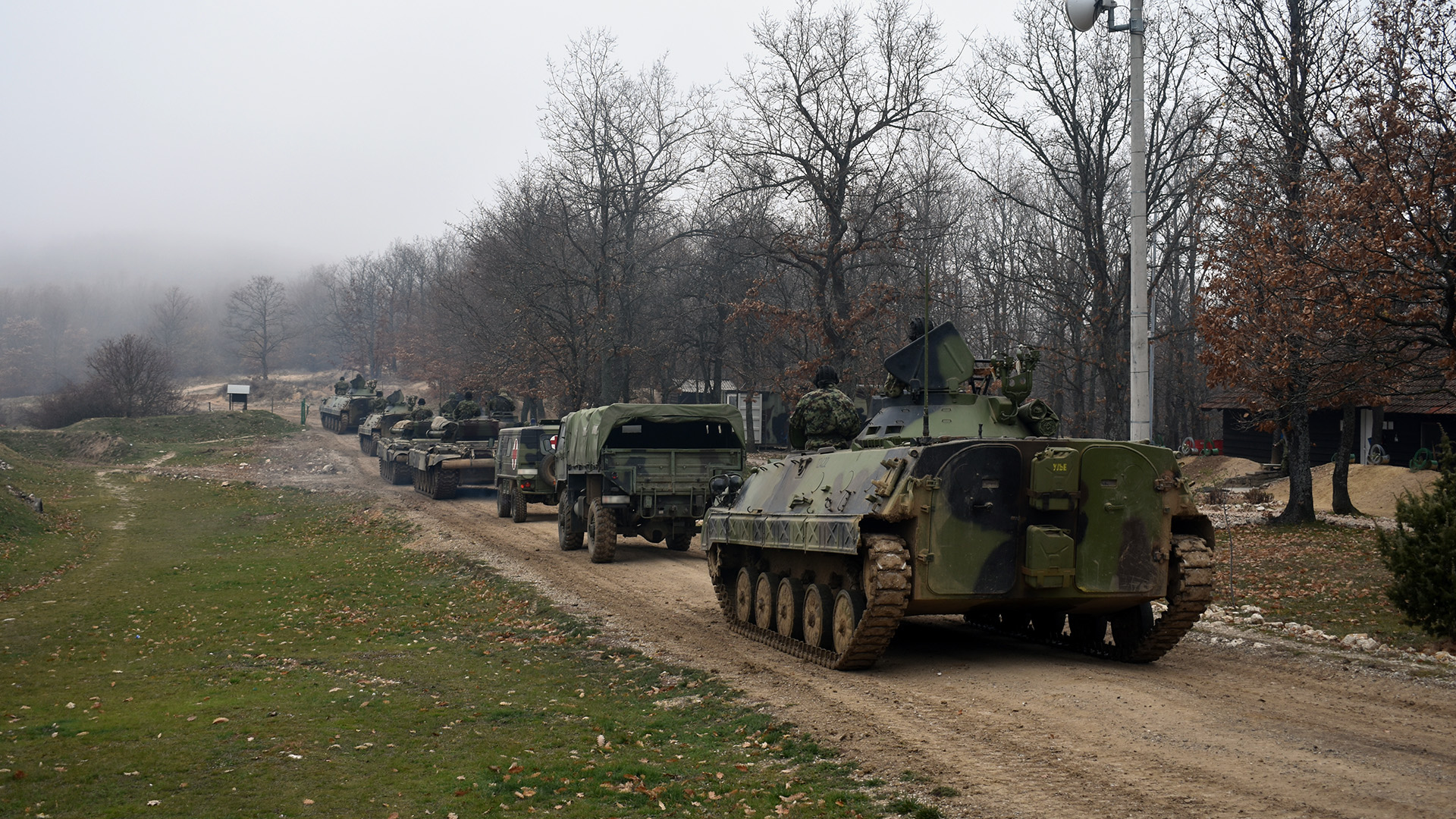
The Serb minority, remaining loyal to Belgrade, adamantly refuses to acknowledge Kosovo’s independence, aligning with Serbia’s claim that the young country is rightfully theirs, as it has always been and always will be. Sounds familiar? This stark ethnic and religious divide underscores the complex challenges faced by Kosovo as it strives to build a cohesive and inclusive society.
Even after over two decades, the deep wounds between the two ethnic groups in Kosovo remain unhealed. Adding to the complexity, several countries, including Russia and China, have refused to recognize Kosovo’s independence from Serbia. The casualties suffered by the majority Albanian Muslim population, especially during the late 1990s, have left lasting scars and eroded any sympathy they once had towards the Serbs. As a result, Kosovo Albanians now firmly resolve to distance themselves from the region and reject any notion of being part of it again.
The Provocation Saga Continues
In the wake of the latest unrest, Serbian President Aleksandar Vucic ordered the Army on Friday to be placed on high alert and “start moving” toward the border with Kosovo. He also said that the country will adopt the necessary security plans “aimed at strengthening” its defense capabilities, and the maximum alert will continue “until further notice” to protect its people.
On Monday, Vucic announced his presence with his troops on the border with Kosovo and reported that the skirmish had caused injuries to around 52 more Serbs and detained about four individuals.
“The consequences (of the clashes) are big and grave, and the sole culprit is (Kosovo Prime Minister) Albin Kurti,” said Vucic, cited from a report by AP News. The Serbian President referred to the Albanian forces in north Kosovo as “occupiers.” Furthermore, he went on to call for the international community to help urge Kurti to “see reason” before “it will be too late for all of us.”
We strongly condemn the actions by the Government of Kosovo that are escalating tensions in the north and increasing instability. We call on Prime Minister @albinkurti to immediately halt these violent measures and refocus on the EU-facilitated Dialogue.
— Secretary Antony Blinken (@SecBlinken) May 26, 2023
The Western powers have already urged Kosovo authorities to step back and de-escalate immediately and for both parties to resolve the situation through dialogue. However, Kurti showed no hint of backing down and instead said that while Pristina understood “the concerns” of their “international partners… any other option would be a failure to fulfill constitutional obligations.”
Kurti also asked its citizens, especially the strongly opposing Kosovo Serbs, to cooperate with the newly elected mayors, broadcasting the request via Facebook.
In this ever-evolving saga, the consequences could resonate far beyond the borders, demanding immediate attention and strategic solutions to mitigate the potential ripple effects.
—
To learn more about the short yet complicated history of the world’s youngest independent country, check out Kosovo: What Everyone Needs to Know by Tim Judah here!









COMMENTS