

Hartney believed that Frank was shy and uncomfortable in social situations, and therefore preferred to be alone, which came across to the other pilots as conceit. He also believed that Frank Luke was a truly great pilot, who was quite confident, perhaps overconfident, in his own abilities, and decided to give him a chance.
“Okay,” Hartney declared. “You want those three balloons, go for it.”
Luke merely smiled in reply.
“Frank, one thing though…” Hartney cautioned.
“Yes, sir?” Luke inquired.
“I don’t want you going out until dark (to avoid enemy gunfire.) Wait until the sun drops, then do it the way you always have. Good luck!”
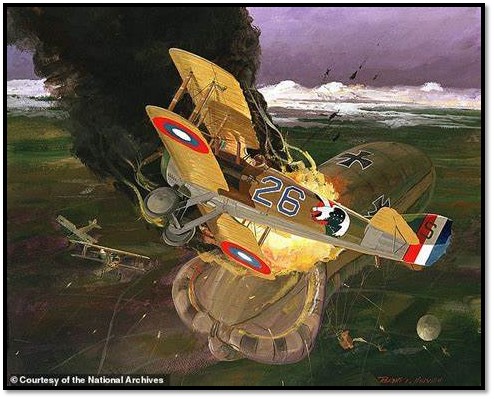
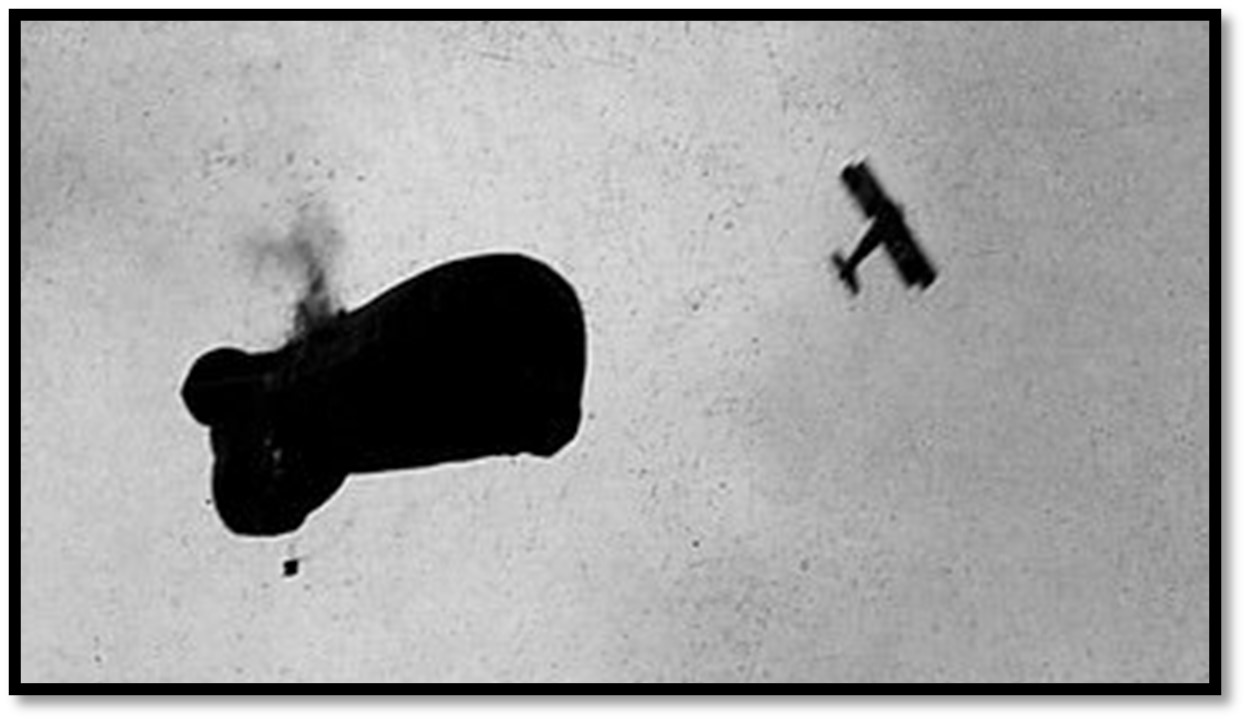
That same evening, Frank Luke, Jr., took off alone at about six o’clock PM, dropping a handwritten note over the American front lines to the U.S. 7th Balloon Company at Avocourt: “Watch for three burning Hun balloons along the Meuse. Lt. Luke.” He flew onward to attack the three balloons in the vicinity of Dun-sur-Meuse, six miles behind the German lines, and never returned alive. The American balloon company reported all three balloons being shot down in flames, but the exploding balloons attracted the attention of eight German fighters, and Luke was reported as missing in action.
The Stars and Stripes military newspaper reported on November 1, 1918, that, “Like a blazing meteor was the brief, brilliant career of Lieut. Frank Luke, Jr…reported missing since he vanished over the German lines…he had scored 18 victories…Lieutenant Luke was a reckless and trouble-seeking pilot, fond of lone, guerrilla warfare…far over the German lines, in broad daylight…two Boche balloons were seen to fall in flames. Seven minutes later, a third blazed and fell. Lieutenant Luke did not return. He had always been death on balloons. There were 14 on his list of victories.”
It took two subsequent, French eyewitness affidavits (in 1919 and 1962) by numerous citizens of Murvaux to resolve the mystery: “Shortly after sunset on this same day, at approximately 6:30 pm to 7:00 pm, we saw an Allied pursuit airplane shoot down three German observation balloons in the space of just a few minutes…the third (Ballonzug 35, at 6:55 pm)…about two kilometers west of Murvaux (12 miles from the Belgian border, with a total population of only 141 in 2020)…German troops began firing at it with revolver cannon of approximately 20mm to 37mm caliber…However, the aircraft was so low that it appeared difficult to hit it with this cannon fire. It passed by the church at an altitude which was not much higher than the church steeple.
“About the time the airplane rolled out of its turn over the northern edge of the village, the pilot was apparently struck by the enemy gunfire (from the hilltop gun position above him), for the airplane suddenly went into a glide toward the ground…It banked slightly to the right, and then landed straight ahead at a point one kilometer west of Murvaux…its engine stopped…The place where the airplane came to a stop was north of both the Dun-Murvaux road (now Route D102) and the small creek (Ruisseau de Milly, or Milly Creek), which paralleled the road to the north at about 200 meters distance.
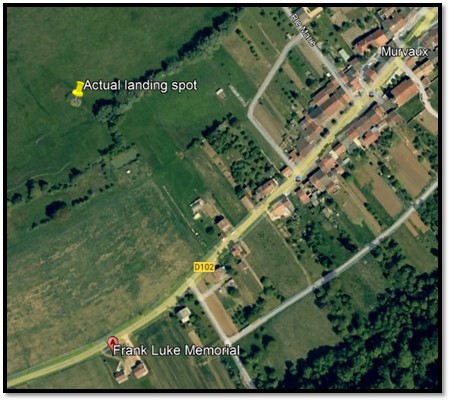
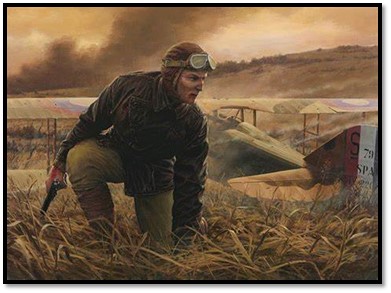
“German soldiers immediately headed for the airplane…Since they believed the pilot of the airplane to be the same one who had attacked them so often in the past, and who had caused so much damage and destruction to them, they wished to capture him before he escaped. The Germans were very afraid of this man, and had previously vowed to shoot him down, if given the opportunity. When they reached the plane about 10 minutes after shooting it down, the pilot was gone.
“Although it had begun to get dark, the German soldiers noticed a trail of blood leading from the aircraft southward toward the creek. The wounded pilot had crawled on his hands and knees approximately 75 meters to the creek…undoubtedly to quench his thirst…(or possibly) to hide in the bushes (and trees) lining the creek. As the German soldiers came down the slope and approached the creek…the pilot raised himself from the ground where he had lain wounded, drew his gun, and fired it (three times, reportedly) at the German soldiers. He immediately fell to the ground, dead (at 7:04 pm, two minutes before official sunset.)
“We do not know whether the German soldiers actually called upon him to surrender, but we are definitely certain, beyond any doubt, that they did not fire their guns at the pilot. His last act was one of defiance, and he died as a result of his wound in the air, and not as a result of any wounds received on the ground.”
After the United States Army obtained sworn testimony from French and American sources, Frank Luke, Jr., was awarded a posthumous Medal of Honor. The presentation was made to his father, Frank Luke, Sr., in Phoenix, Arizona, in May 1919. The official citation reads: “After having previously destroyed a number of enemy aircraft within 17 days, he voluntarily started on a patrol after German observation balloons. Though pursued by eight German planes, which were protecting the enemy balloon line, he unhesitatingly attacked and shot down in flames three German balloons, being himself under heavy fire from ground batteries and the hostile planes.
“Severely wounded…and flying at this low altitude near the town of Murvaux… Forced to make a landing and surrounded on all sides by the enemy, who called upon him to surrender, he drew his automatic pistol and defended himself gallantly until he fell dead from a wound in the chest.”
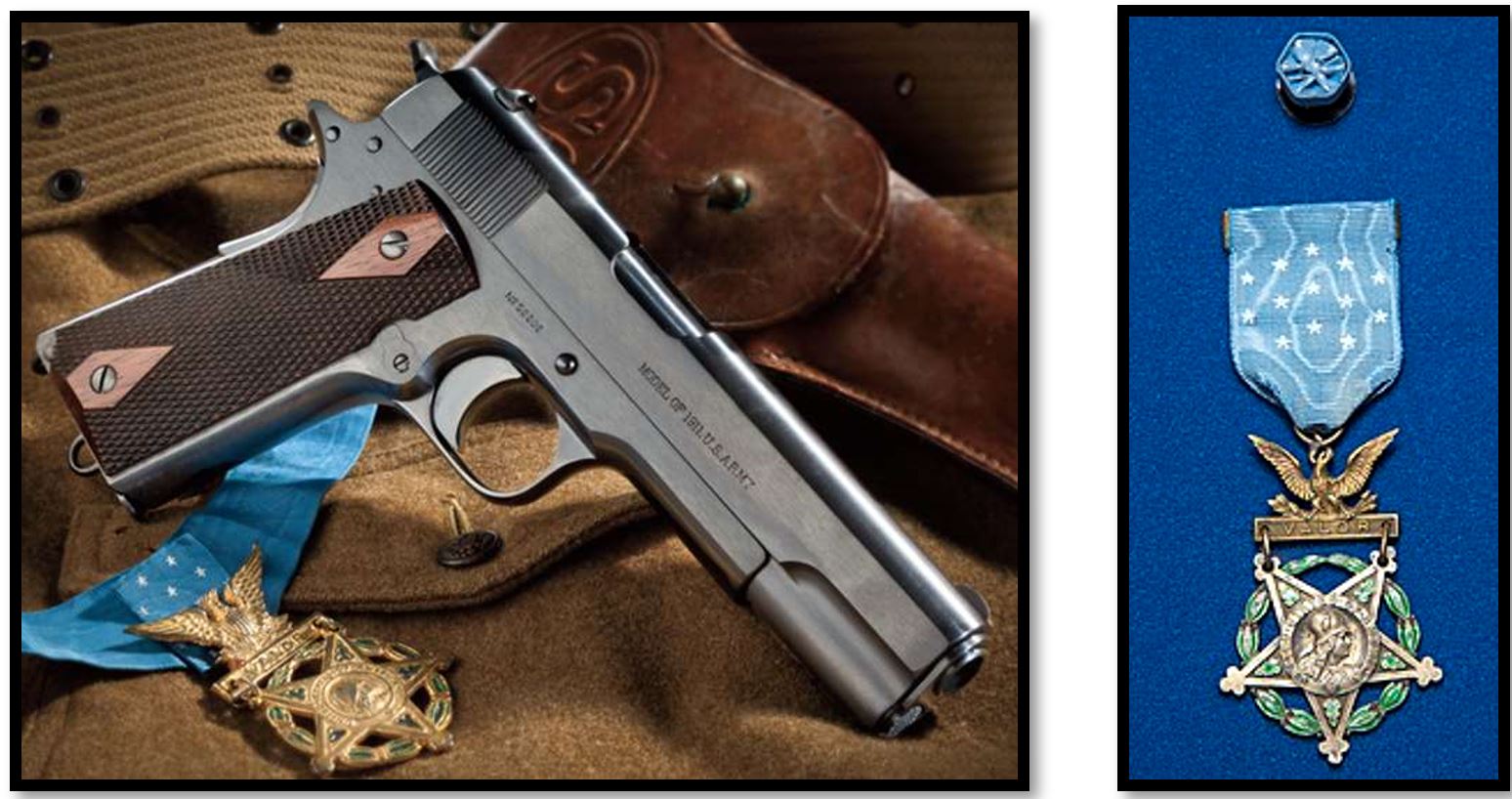
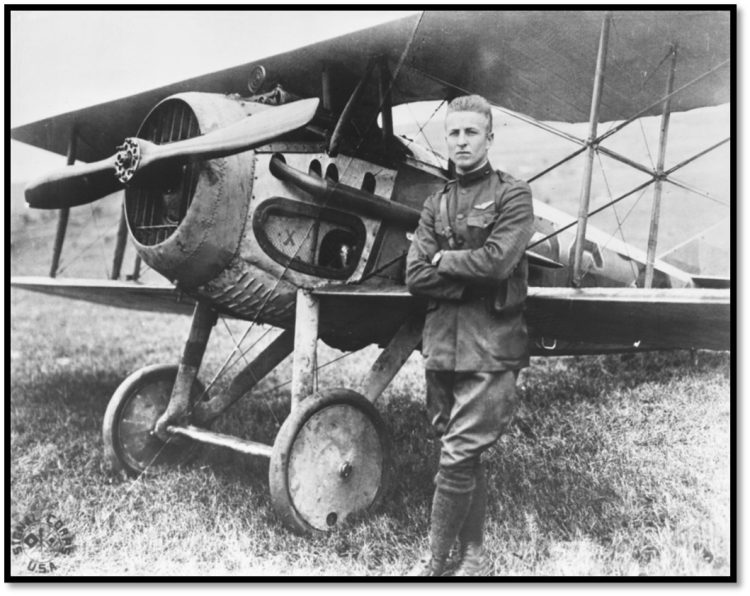
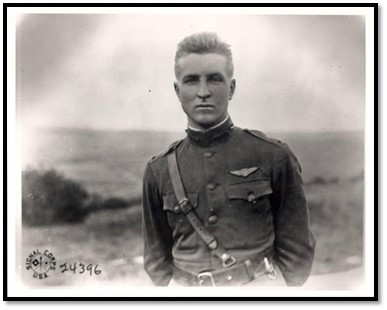
Frank Luke, Jr., was the first American military pilot to earn the Medal of Honor, the first U.S. air ace in a single day, and the second highest-scoring American ace of the entire war. Luke Air Force Base, west of Phoenix, Arizona, was named for him. Between September 12 and 29, 1918, Luke was credited with shooting down 14 German balloons and four airplanes, thus achieving 18 confirmed, aerial victories during just 10 sorties in eight days, an incredible feat, unsurpassed by any pilot in World War One.
His 1st Pursuit Group commander, Major Harold E. Hartney, stated that, “No one had the sheer, contemptuous courage that boy possessed. He was an excellent pilot and probably the best flying marksman on the Western Front…Frank Luke was the perfect combination.”
The Germans buried him the next day in a shallow grave in Murvaux, where his body was retrieved, almost entirely intact, two months later by American forces, and reverently reinterred in the Meuse-Argonne American Cemetery and Memorial at Romagne, about 10 miles to the southwest. French sworn, eyewitness affidavits tell the rest of the dramatic story:
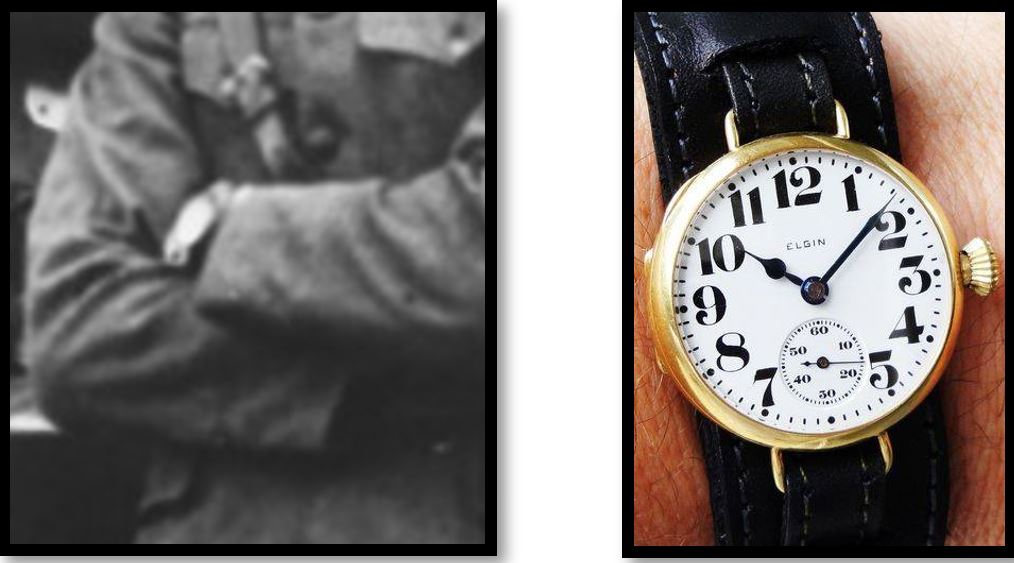
“The German soldiers immediately searched the body, and found a notebook in which were notations…by the pilot, which indicated that he had shot down 24 enemy airplanes and observation balloons…A German soldier started to remove the watch from the pilot’s wrist, but a German officer told him to leave it on the body.
“Both the pilot’s features and the wound in his body were clearly seen by many of us in the village…The pilot had blue eyes and short-cropped, blond hair…there was only one (gaping) wound in the body. A large-caliber shell (20mm) had penetrated the chest near the right breast, and came out under the left shoulder blade…over an inch in diameter where the projectile had entered the right breast, and about two inches in diameter where it had come out of the back. His body was simply placed in the open grave, bare-headed and clothed in the same boots, trousers, and flying jacket as when the pilot died.”
An American Red Cross letter dated January 7, 1919, regarding an “Unidentified Aviator,” states that, “On his wrist (we) found an Elgin watch #20225566 (made in 1916)…The description of this aviator…and the fact that Lieut. Frank Luke dropped a note to a balloon company that day stating he was going to shoot down the balloons which were shot down makes it almost certain that this officer was 2d Lieut. Frank Luke.”
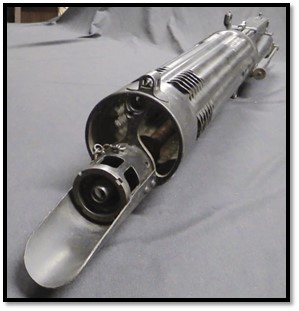
In 1957, on the 39th anniversary of Luke’s death, the American 388th Fighter-Bomber Wing (flying F-100D/F Super Sabre fighters) from Étain-Rouvres Air Base, only 22 miles to the southeast, erected a bronze plaque on a monument just west of Murvaux to honor Luke’s heroism. It read, “In memory of Lt. Frank Luke, balloon-busting ace who critically wounded landed his SPAD (XIII fighter) 700 yards (incorrect; it was actually about 335 yards) north and was killed by German small-arms fire (also incorrect; it was a 20mm antiaircraft cannon), 29 September 1918.” That same monument was cleaned, sandblasted, and fully restored (with the help of 350 volunteers) by Saturday, November 18, 2000, after having fallen into disrepair, with a beautiful ceremony attended by over 100 people from various nations.
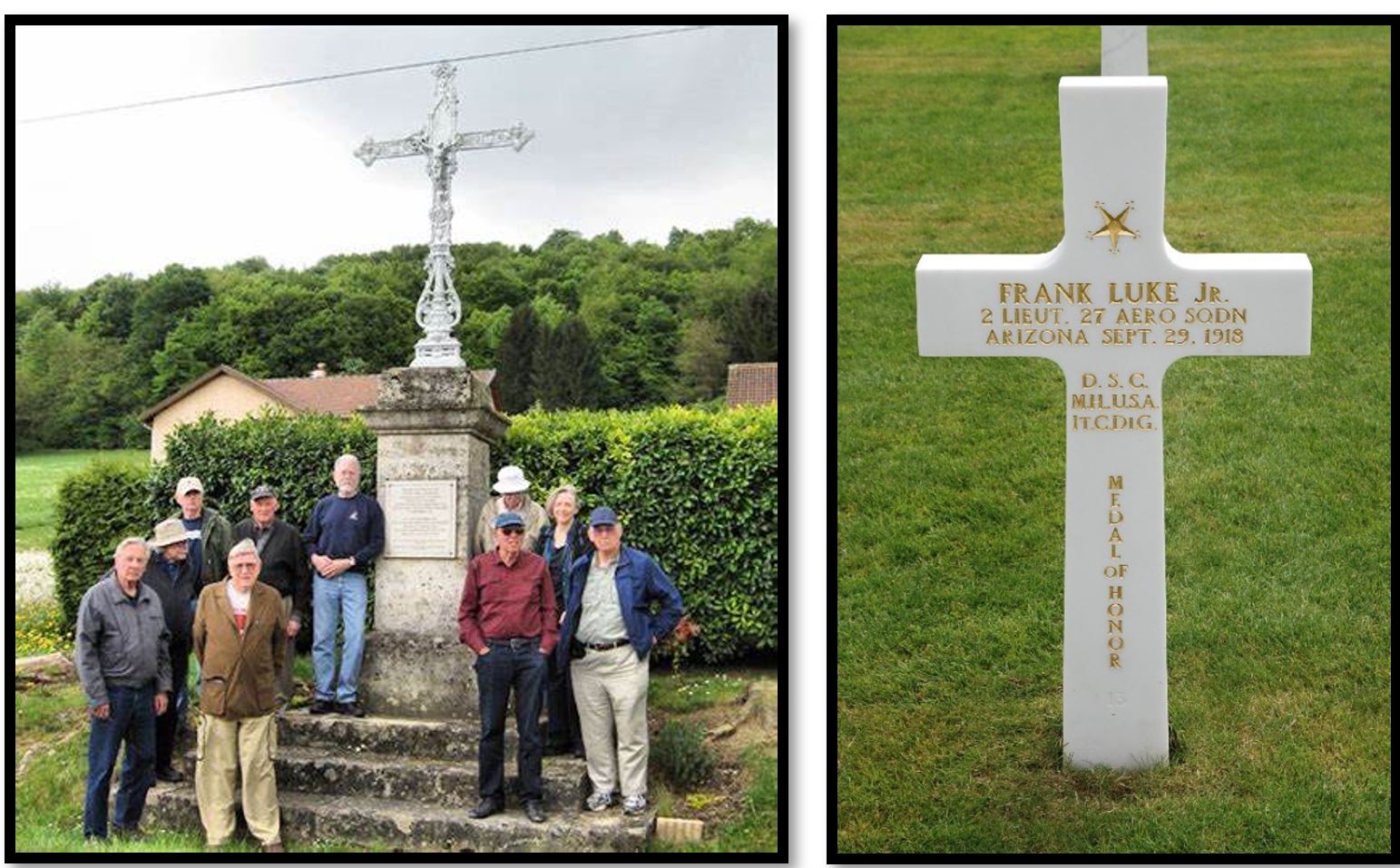
Frank Luke, Jr., was posthumously promoted to first lieutenant, and virtually all of his medals (including the Italian War Merit Cross) and awards were posthumous, so he never knew about any of them. He was certainly bold, brash, impetuous, outspoken, independent, perhaps even reckless, but also incredibly courageous.
In the very brief span of only 17 days in September 1918, he rose from total obscurity, and valiantly accomplished his squadron’s assigned, balloon-hunting mission with spectacular results, scoring an unprecedented 18 confirmed, aerial kills in that very short time, and according to his own notebook and French eyewitnesses, at least nine more unconfirmed kills, deep behind enemy lines, ultimately at the cost of his own life. He was a genuine American hero and an inspiration to others for countless years to come.








COMMENTS