

The Medal, the Man, and the Price of Valor
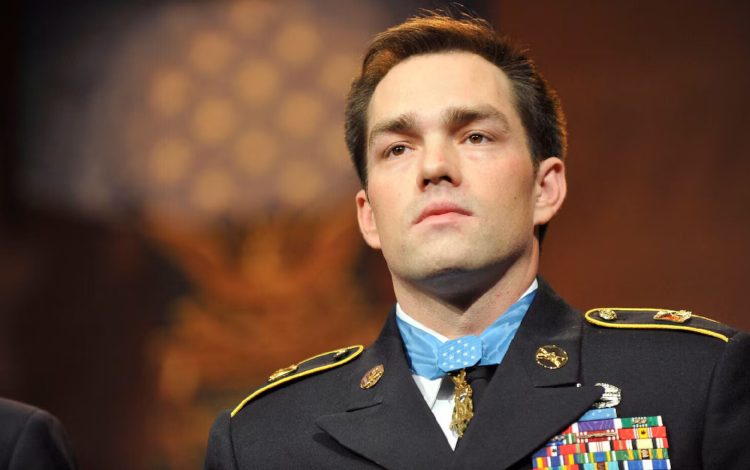
Two years later, in February 2013, President Obama pinned the nation’s highest military honor on Romesha in the East Room of the White House. The man who dodged death in a swirling hellscape stood humble: “I was just doing my job,” he said, spotlighting the valor of every soldier who bled and died that day. Two Medals of Honor were awarded for meritorious actions at Keating—Romesha’s and Staff Sgt. Ty Carter’s—immortalizing what Jake Tapper’s The Outpost called “one of the most brutal infantry battles since Vietnam.”
#OTD in 2009:
Staff Sgt. Clinton Romesha becomes the fourth living service member to receive the #MedalofHonor for either Operations Iraqi or Enduring Freedom.
Read more about his heroic actions: https://t.co/wgn90RMH20 pic.twitter.com/AUNFfgim8w
— U.S. Army (@USArmy) February 11, 2018
Post‑War: Ranch Roots, Grit, and Community
Romesha ended his Army service in April 2011 and relocated with his wife, Tammy, and their three children to Minot, North Dakota. Trading camo for work boots, he entered the oilfield safety business, tackling safer rigs in a manner akin to supervising squads in mortar fire—lots of risk mitigation and SOP enforcement—noncommissioned officer style.
He purchased and restored a century-old flooded home by hand, returning to his old ranch-hand roots. He’s a devoted husband and father to Dessi, Gwen and Colin who he describes as “grounding his soul amid his scars.”
In 2016, Romesha published Red Platoon: A True Story of American Valor, chronicling the chaos, the heroism, and the heartbreak. This was followed by Netflix’s Medal of Honor and the film The Outpost, immortalizing him as a cinematic hero. But Romesha’s real victory is in his humility.
He said the fame gnarled his routines with random autograph requests and the unwanted stares of strangers. “Dad, why do they want your autograph? Don’t they know you have terrible handwriting?” his daughter quipped. “I’ll work on my penmanship,” he laughed.
Grit Beyond the Battlefield
Still competitive in hockey—still carrying his omnipresent pocketknife when he leaves the house—Romesha remains unpretentious. He concealed carries a Glock 43 in constitutional‑carry territory, not because he suspects ambush, but because he owns the right.
He hunts elk, reads letters from admirers, writes and sends checks, snail mail style, and occasionally mutters old‑timer quotes about integrity passed down by his grandpa Aury.
Romeshaw travels to speak at veteran events, laying bare the horror so communities understand the cost of freedom. He avoids pathos and martyrdom. He is grateful he doesn’t suffer from PTSD, but is haunted by the thought of those who didn’t make it back.
Epilogue: The Flame Still Burns
In the faraway Afghan valley of Keating, he lit hope; today in North Dakota, he rebuilds homes, dreams, and respect. Clint Romesha’s saga is more than a war story—it’s a lesson: fear’s not courage; courage is doing what fear demands, and walking through it with your men.
On this Medal of Honor Monday, let Romesha’s spirit ignite ours: celebrate grit without glitz, valor without vanity, and loyalty without limits.
Bonus Graphic Novel
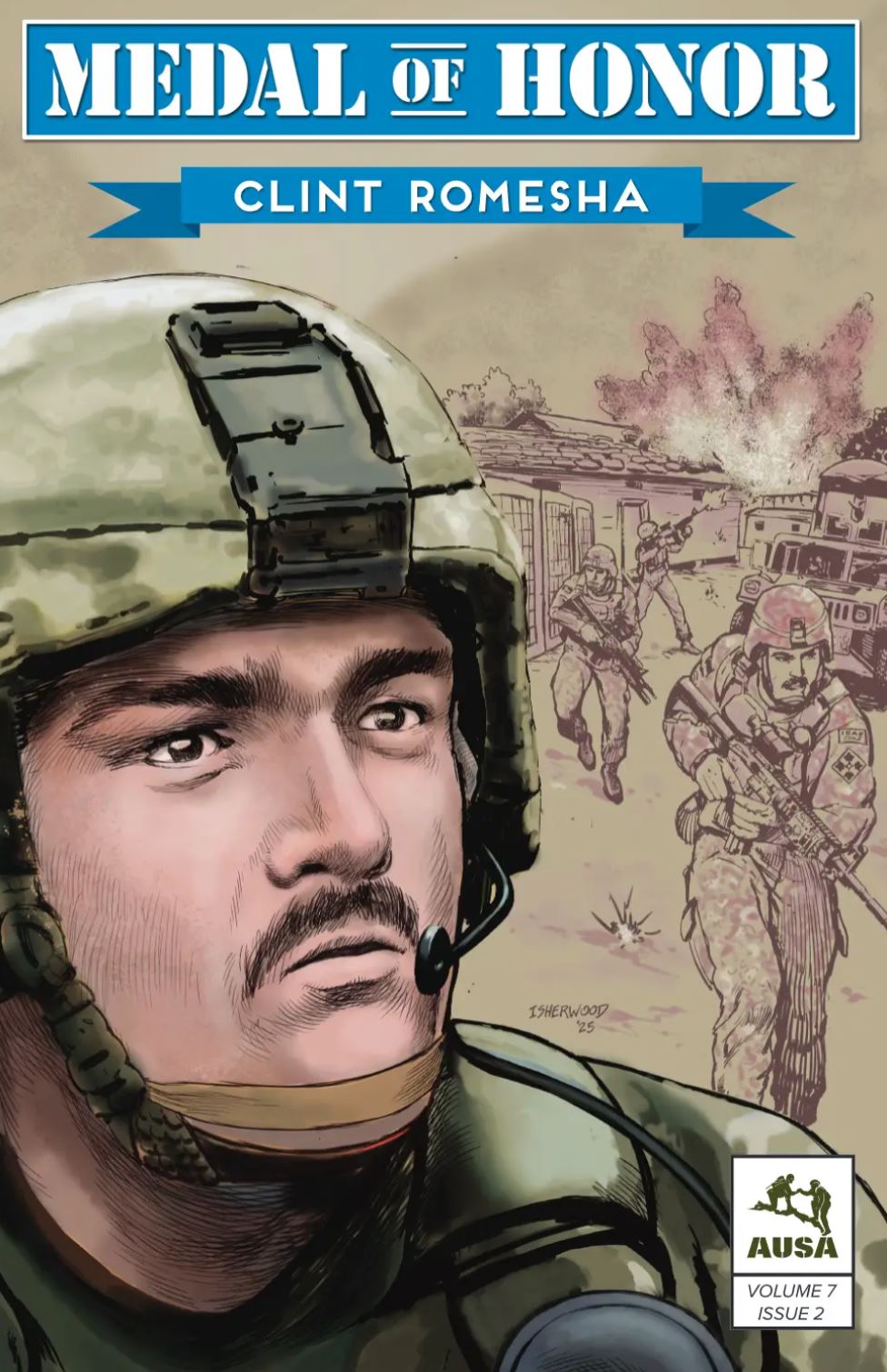
SOFREP is proud to be partnering with the Association of the United States Army (AUSA) to bring you this free graphic novel highlighting the bravery of Clint Romesha. It is part of their Medal of Honor Graphic Novel Series. We sincerely thank them for sharing it with all of us.








COMMENTS