


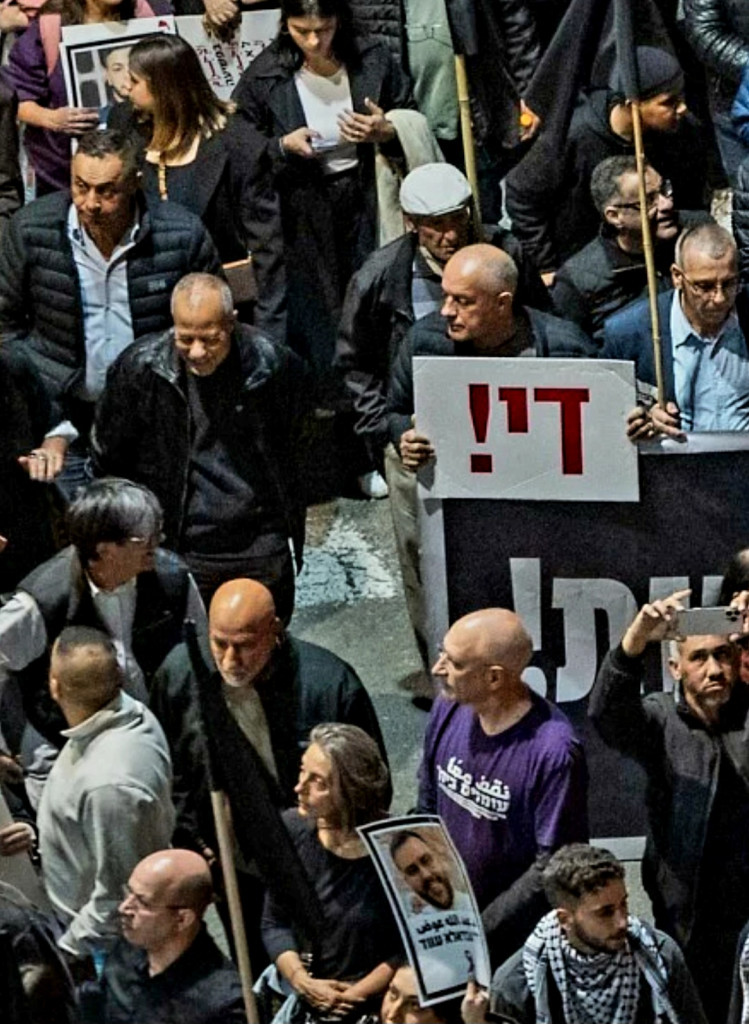
From a security standpoint, these protests show a major internal fracture: Israel’s Arab citizens, while not monolithic, are no longer silently accepting the status quo and are directly challenging the security establishment over what they see as systemic neglect and enabling of organized crime.
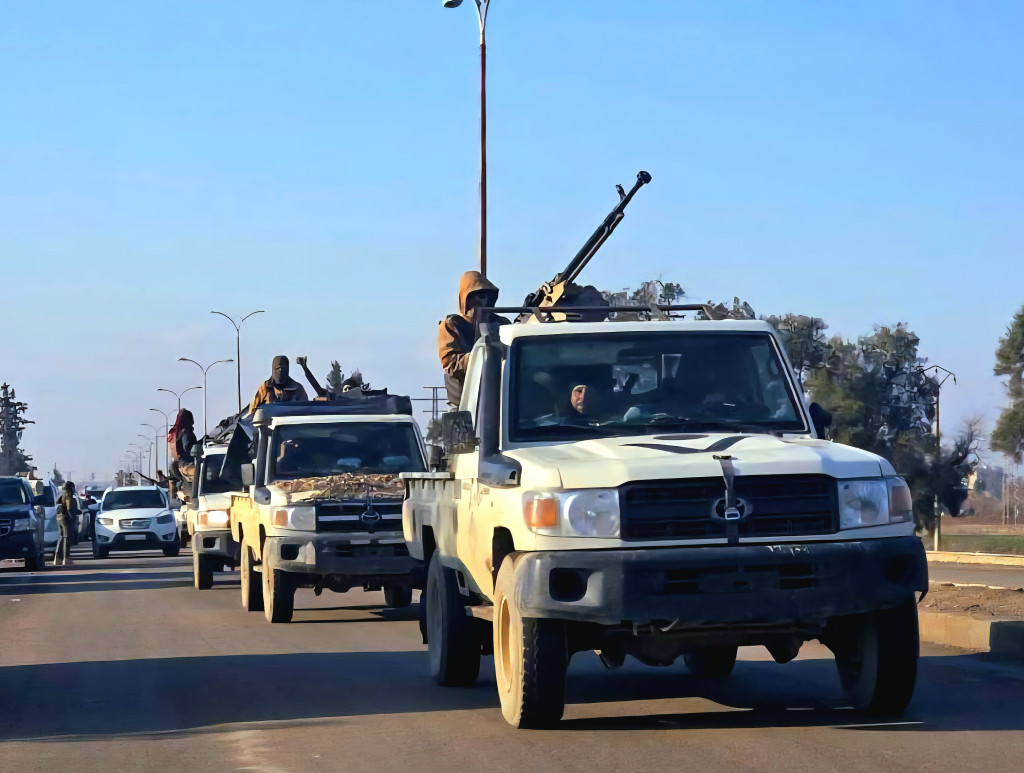
SDF–Damascus Ceasefire Already Under Fire in Aleppo
The Syrian government and the Kurdish‑led SDF formally agreed to a new ceasefire and phased integration deal on 30 January 2026, but that deal is already under serious strain, with Damascus accusing the SDF of opening fire on civilians attempting to flee an area under its control in eastern Aleppo province.
On Saturday, 31 January, the Syrian government, citing its official news agency SANA and pro‑regime outlets like Alikhbariah TV, claimed that the YPG/SDF violated the ceasefire by targeting civilians trying to leave the villages of al‑Qubba and al‑Jaada in the eastern Aleppo countryside.
The reports say SDF forces opened fire as the civilians approached the Qara Qozak bridge south of Ayn al‑Arib (Kobani), but none of the sources specify the exact nature of the attack or provide any casualty figures.
Those Aleppo villages had reportedly been under tight SDF control for several days, and the civilians were attempting to move out when the alleged shooting occurred.
There is no indication yet of how many were wounded or killed, and no body counts have been released by the SDF or neutral humanitarian sources such as the White Helmets or UN agencies, which would be able to verify the incident independently.
The accusation against the SDF came right after it agreed to a ceasefire deal with the Syrian government. That deal called for the fighting to stop, both sides to pull back from the front lines, and the SDF’s forces to slowly be folded into the Syrian state’s military and police system. It also included plans for Syrian Interior Ministry forces to move into the main cities of Hasakah and Qamishli in the northeast.
The government presented this as a big step toward bringing the whole northeast back under state control. But Damascus has already accused the SDF of breaking earlier ceasefire agreements and of using tight movement restrictions on civilians in areas it controls in the Aleppo and Idlib countryside to strengthen its own hold on those areas – ‘Idlib’ being the last major rebel-held province in northwestern Syria, bordering Turkey and long a flashpoint between the regime and opposition.
From a security standpoint, this incident shows that the SDF–Damascus ceasefire in the northeast is already being contested on the ground, with the government and its allies asserting that the SDF is blocking and shooting at civilians, while the SDF generally denies such claims and frames its posture as defensive against advancing Syrian forces. Without neutral battlefield reporting to confirm the scale and circumstances, this should be treated as a serious, credible accusation consistent with the regime’s ongoing complaints about SDF behavior, not yet as a confirmed large‑scale atrocity.
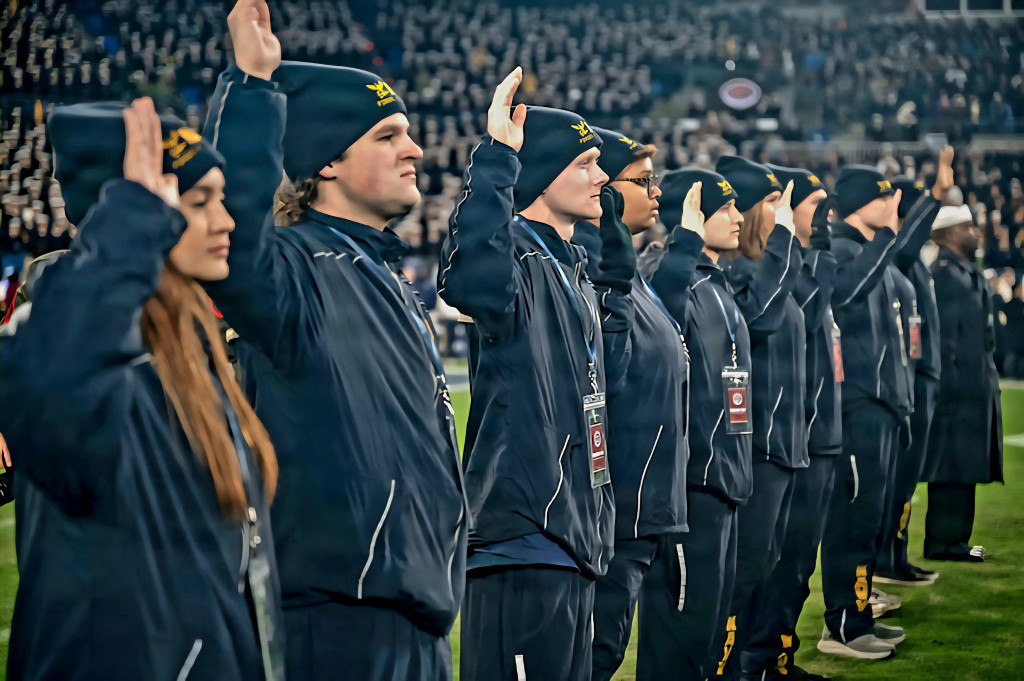
Army Recruiting and Retention Are Up, And Standards Are Tightening
The U.S. Army is reporting a critical win: recruiting is back on track and retention is improving, but the force is doing it without lowering standards – actually raising them in appearance, performance, and conduct.
After several years of missing its recruiting goal, the Army is now routinely hitting its monthly targets, in the neighborhood of 18,400–19,000 new soldiers a month, and it’s doing so with fewer waivers than in recent cycles. Units are once again turning away poor PT performers and questionable conduct cases.
The message is clear: the Army wants quality, not just quantity.
Retention is also ticking up, especially in the early to mid‑career ranks, because the force is finally offering something that resembles a professional home. The Army’s modernization plan is creating more technical and modern equipment positions – battlefield drones, cyber, electronic warfare, aviation, and SOF support – that are attractive to skilled NCOs and specialists. At the same time, discipline is back: grooming, uniform, and conduct standards are being enforced again, and young leaders are seeing that a demanding unit culture actually draws better soldiers.
From a tactical and leadership standpoint, this means the Army is rebuilding its bench with quality people. Platoon sergeants and company commanders are getting kids who are at or near the standard.
More recruits, better retention, but higher standards – that’s the real win. It shows that when the Army makes its mission clear, invests in technical and modern platforms, and demands real professionalism, young Americans will sign up, stay in, and get good at their jobs. For the next generation of the All‑Volunteer Force, that’s the kind of foundation that matters.








COMMENTS