

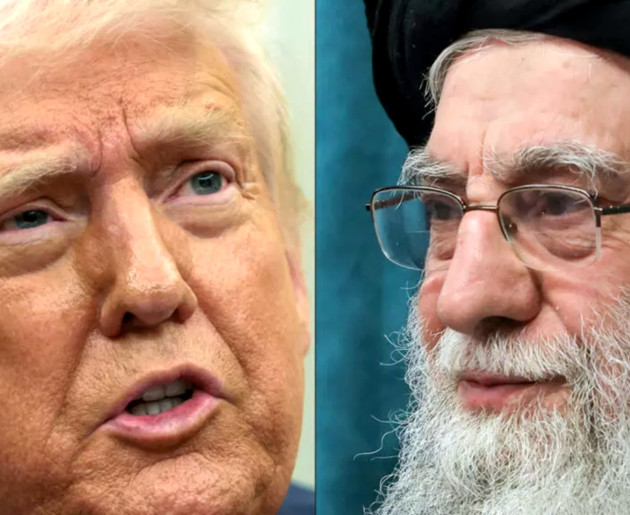
Israeli leadership has indicated that it will not allow Iran to reach weapons-grade enrichment thresholds. Intelligence sharing between Jerusalem and Washington has expanded in recent weeks, particularly regarding hardened enrichment facilities and integrated air defense networks.
The combined U.S.–Israeli posture complicates Tehran’s planning and increases pressure on its nuclear decision-making. Whether the current buildup functions as deterrence or transitions into military action now depends on political direction in Washington.
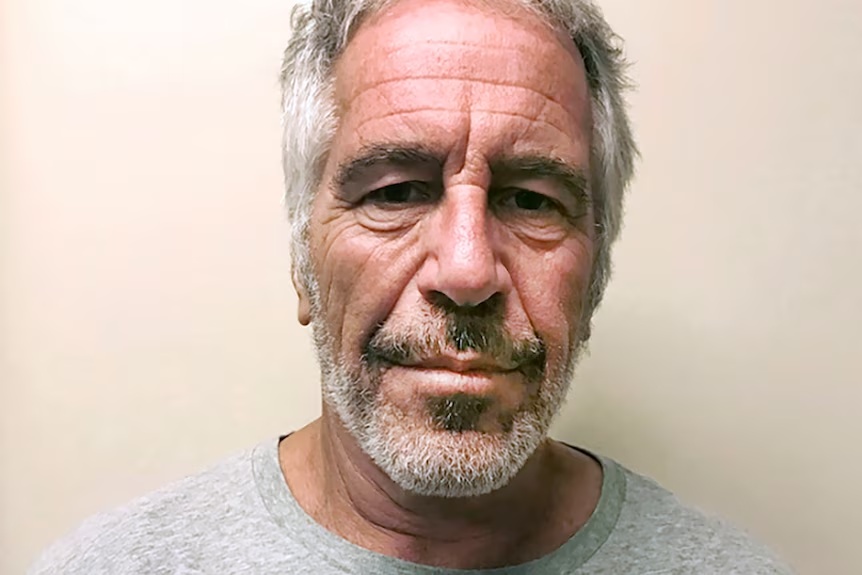
Israeli Officials Coordinated Security at Epstein-Linked Manhattan Building
Israeli officials coordinated the installation and management of security systems at a Manhattan apartment building controlled by Jeffrey Epstein to protect former Israeli Prime Minister Ehud Barak during visits to New York, according to newly released U.S. Justice Department emails.
The communications, part of recent document disclosures tied to the Epstein case, show Israeli personnel working with Epstein’s staff to implement surveillance equipment, alarm systems, remote-access controls, and background checks on building staff at 301 East 66th Street. The property was used by Barak during extended stays in the United States.
The reporting does not allege that Israeli security personnel were aware of or connected to Epstein’s criminal conduct. The coordination appears tied to protective requirements for a former Israeli head of government.
BREAKING:
🇮🇱🇺🇸 Israeli security installed SURVEILLANCE at Manhattan apartment controlled by EPSTEIN – emails show
DOJ emails show it was set up for Ehud Barak’s stays — remained active for two years, coordinated with Epstein’s staff pic.twitter.com/iqNw3UbgCm
— Megatron (@Megatron_ron) February 19, 2026
Lifelong Security Protocol for Former Prime Ministers
Under Israeli law, former prime ministers receive ongoing state-provided security protection, including during foreign travel. Protective details may coordinate with local contacts to ensure secure accommodations abroad.
The newly surfaced emails indicate that Israeli security officials assigned to the country’s U.N. mission in New York oversaw elements of the installation. The security setup reportedly remained in place for an extended period while Barak used the residence during visits.
Israeli authorities do not publicly disclose operational details of protective assignments. No official statement has suggested the measures went beyond standard protective protocol.
Barak’s Prior Acknowledgments
Barak has previously acknowledged multiple visits to Epstein following the financier’s 2008 conviction in Florida. He has stated that his interactions were connected to business and technology ventures and that he saw no indication of criminal conduct at the time.
After Epstein’s 2019 arrest on federal sex trafficking charges, Barak described the relationship as a mistake in hindsight and apologized for maintaining contact. He has denied any involvement in or knowledge of illegal activity.
Epstein died in federal custody in 2019. Authorities ruled his death a suicide. Document releases and court filings tied to the case continue to generate political and international scrutiny.
Political and Diplomatic Sensitivity
The renewed reporting carries political implications in Israel, where Barak remains active in public debate. Domestic critics have questioned the optics of official security coordination at a property later tied to federal criminal charges.
In the United States, the disclosures intersect with continued congressional interest in Epstein-related records and associations. Lawmakers from both parties have pressed for expanded transparency surrounding the case.
There is no indication that the reported security coordination affected U.S.–Israel intelligence cooperation or extended beyond protective arrangements. However, the disclosures illustrate how successive document releases in the Epstein case continue to produce secondary political consequences years after his death.
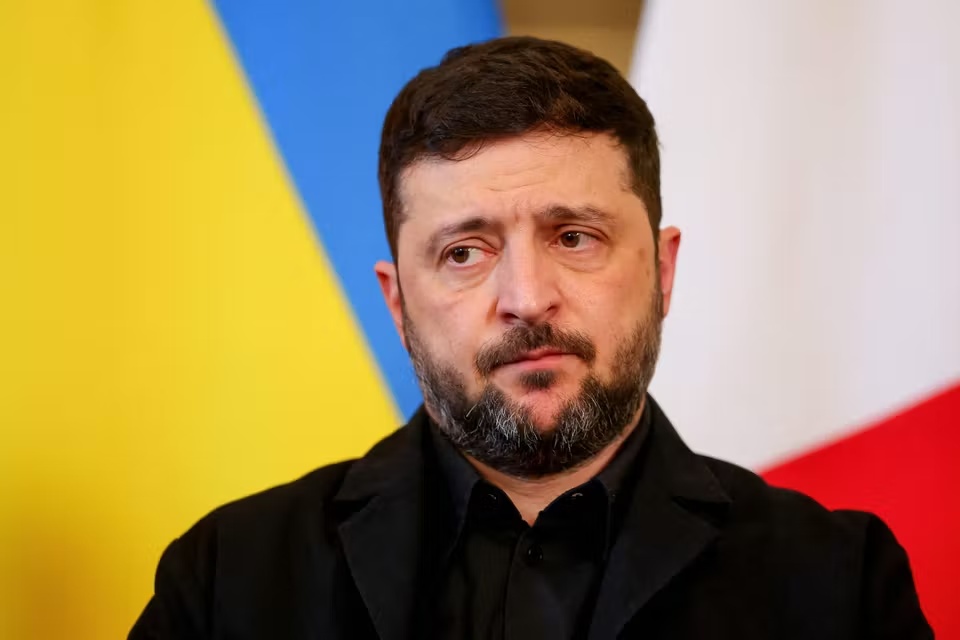
Trump Signals Push for Ukraine Settlement as European Intelligence Voices Doubt
Former President Donald Trump has intensified public messaging around ending the war in Ukraine, arguing that a negotiated settlement could be reached rapidly under his leadership. The comments come as European intelligence officials privately express skepticism that any U.S.-led peace effort will produce an agreement in 2026.
Trump has framed the war as a failure of Western diplomacy and has suggested that continued U.S. military assistance prolongs the conflict. Ukrainian President Volodymyr Zelensky has maintained that any settlement must preserve territorial sovereignty and include credible security guarantees. The Kremlin continues to insist that Ukrainian neutrality and recognition of Russian-controlled territory form the basis of negotiations.
The political positioning reflects widening divergence between campaign rhetoric in Washington and intelligence assessments in Europe.
“Ukraine peace talks have been little more than a mafia-style shakedown by the US and Russia.”
The Independent pic.twitter.com/4jysp3gkrS
— Roman Sheremeta 🇺🇸🇺🇦 (@rshereme) February 19, 2026
European Intelligence Assessment
Senior European intelligence officials have indicated that they do not expect a comprehensive peace deal this year, citing entrenched battlefield positions and Moscow’s current strategic posture.
According to those assessments, Russian leadership calculates that time and Western political divisions favor its position. Intelligence services across several European states reportedly believe the Kremlin sees little incentive to compromise while it continues incremental advances and maintains domestic mobilization capacity.
European officials also assess that Ukraine is unlikely to accept a settlement that formalizes territorial losses without long-term security guarantees anchored in Western commitments.
Battlefield Reality and Political Messaging
Russian forces continue offensive operations in eastern Ukraine while reinforcing defensive lines in the south. Ukraine remains dependent on Western-supplied air defense systems, artillery, and financial assistance to sustain operations.
Trump’s position places pressure on current U.S. policymakers while signaling to Moscow that American political dynamics could shift. Russian officials have historically monitored U.S. domestic debate closely, particularly during election cycles.
European governments have responded to uncertainty over U.S. policy continuity by expanding defense budgets and accelerating arms production. Several NATO members are increasing ammunition output and reinforcing eastern flank deployments.
Strategic Implications
Any credible negotiation would require leverage on the battlefield. Ukraine seeks to avoid a frozen conflict that entrenches Russian control. Moscow seeks political recognition of its gains and relief from sanctions.
For Washington, the debate centers on duration and cost. Sustained military backing could preserve Ukrainian defensive capacity but requires long-term funding commitments. A push toward rapid negotiations could reduce immediate expenditures but risks locking in an unresolved territorial dispute.
European intelligence officials assess that neither side currently sees advantage in compromise. Political positioning in Washington does not alter the operational realities on the ground.
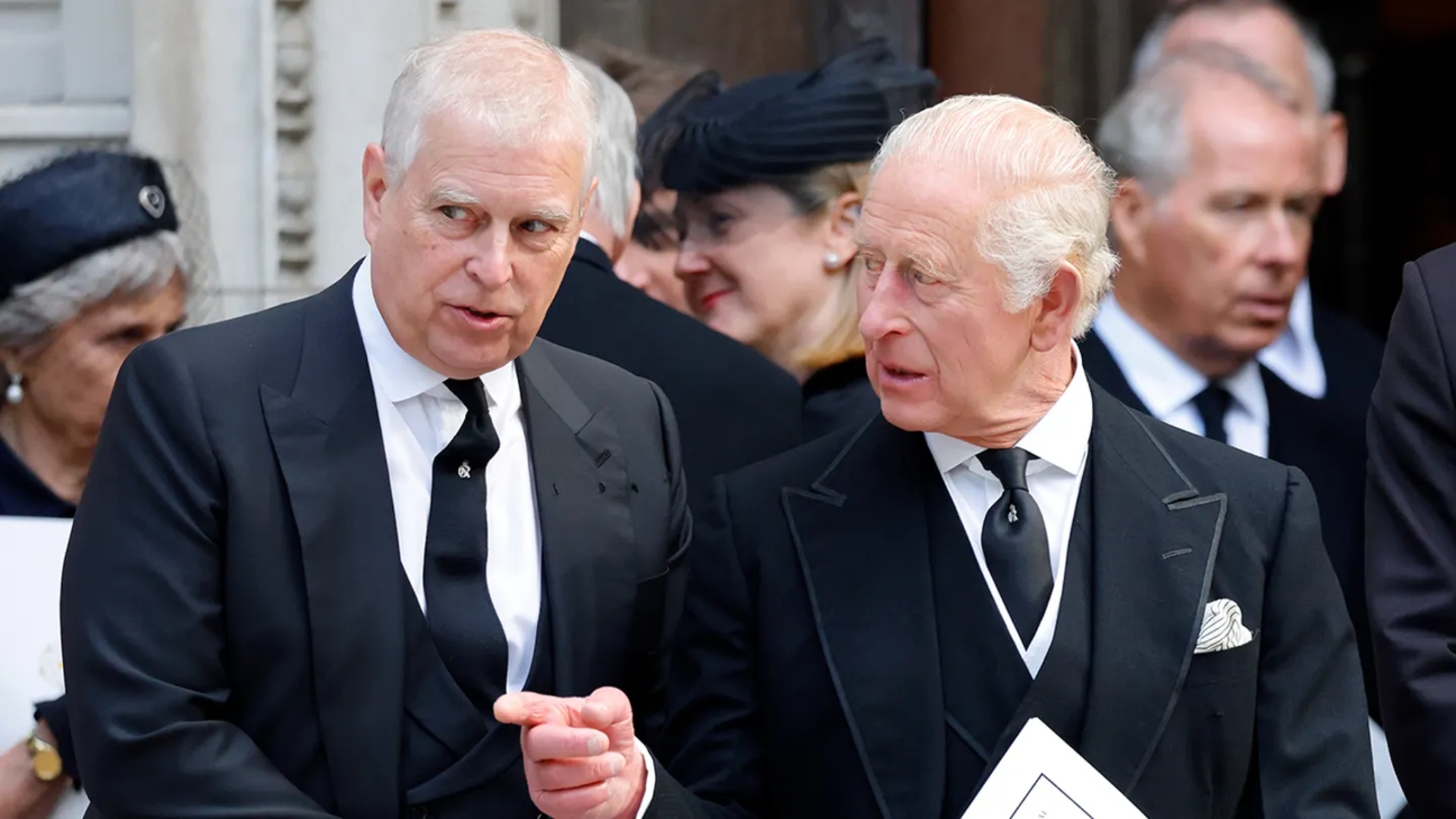
Brother of King Charles Arrested in Epstein-Linked Inquiry
Andrew Mountbatten-Windsor — brother of King Charles III and formerly known as Prince Andrew — was arrested as part of renewed investigative activity tied to the case of financier Jeffrey Epstein, according to British authorities.
Law enforcement officials confirmed the arrest but have not yet released a full charging document outlining specific counts. Authorities stated that the action follows ongoing review of evidence connected to the Epstein investigation, including material disclosed in recent U.S. document releases.
Andrew was taken into custody for questioning and is expected to appear before a magistrate pending formal proceedings. Officials emphasized that the matter remains under active investigation.
🚨 HOLY CRAP! Former Prince Andrew has been ARRESTED by British Police following revelations in the newly released Epstein files
Andrew Mountbatten-Windsor, the younger brother of King Charles, was taken into custody this morning, his 66th birthday.
FINALLY! pic.twitter.com/QCXUC7UA9Z
— Nick Sortor (@nicksortor) February 19, 2026
Background of Prior Allegations
Andrew stepped back from public royal duties in 2019 following backlash over his association with Epstein. He has consistently denied any criminal wrongdoing. In 2022, he reached a civil settlement in the United States related to claims brought by Virginia Giuffre, while continuing to deny the allegations.
The current arrest does not automatically signal conviction or guilt. Legal experts in the United Kingdom note that arrests in high-profile cases often precede formal charging decisions and can reflect procedural obligations during evidence review.
The renewed scrutiny follows successive disclosures in U.S. courts connected to Epstein’s network. Reporting from The New York Times indicates that British investigators reassessed previously gathered evidence in light of new material emerging from U.S. filings.
Institutional and Constitutional Sensitivity
While Andrew no longer holds working royal status, his position as the king’s brother carries constitutional and symbolic implications. Buckingham Palace has not issued a detailed statement beyond acknowledging the legal process and emphasizing that the matter concerns Andrew in a private capacity.
The monarchy’s operational functions are not legally tied to Andrew’s status. However, the arrest introduces renewed reputational strain at a time when King Charles has sought to project institutional stability and modernization.
British constitutional scholars note that the king has no authority to interfere in criminal proceedings. Law enforcement agencies operate independently of the royal household.
Transatlantic Legal Dynamics
The arrest underscores the continuing international reverberations of the Epstein case. U.S. court disclosures have triggered follow-on reviews in multiple jurisdictions, as prosecutors and investigators revisit past associations and financial records.
American lawmakers have continued to press for broader transparency regarding Epstein-related documents. Each release has produced renewed political and media attention, even years after Epstein’s 2019 death in federal custody, which authorities ruled a suicide.
There is no indication at this stage that U.S. prosecutors are directly coordinating the arrest. British officials have framed the move as part of domestic legal procedure informed by publicly available evidence.
Further details are expected following Andrew’s initial court appearance and the potential filing of formal charges.








COMMENTS