

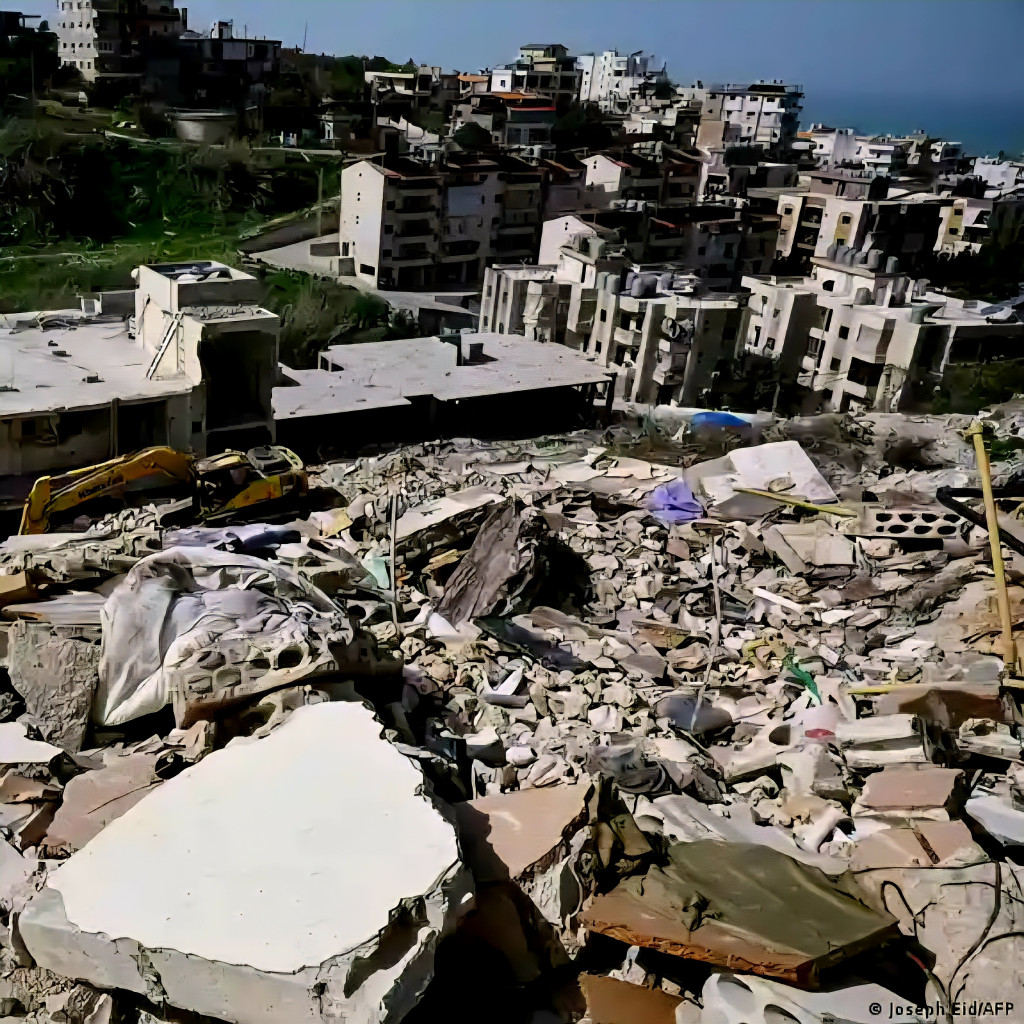
Local media cited Lebanese officials who said a senior Hezbollah figure may have been among the dead, though Hezbollah has not publicly confirmed any leadership losses.
Video circulating from the scene shows a collapsed structure and surrounding buildings damaged by the blast. Hospitals in the area reportedly received dozens of injured civilians.
Earlier, a separate strike hit inside Ein el-Hilweh, Lebanon’s largest Palestinian refugee camp near Sidon. Lebanese sources say at least two people were killed. Israel described the strike as a precision operation targeting a Hamas-linked command element inside the camp. Palestinian factions inside Ein el-Hilweh disputed that characterization, saying the building served internal camp security and administrative functions.
The strikes mark a widening geographic scope of Israeli operations inside Lebanon. While cross-border exchanges between Israel and Hezbollah have remained frequent along the southern frontier, the Bekaa Valley represents deeper interior territory traditionally used by Hezbollah for logistics, storage, and transit routes connecting to Syria.
Targeting inside Ein el-Hilweh carries additional sensitivity. The camp has long been a patchwork of Palestinian factions and armed groups operating in a complex relationship with Lebanese authorities. Any strike there risks civilian casualties and broader escalation.
The latest operations unfold amid sustained low-intensity conflict between Israel and Hezbollah and ongoing regional tensions tied to Iran’s posture across the Levant.
Whether these strikes trigger retaliatory action or remain contained will likely depend on Hezbollah’s assessment of the Bekaa casualties and any confirmed leadership losses.
US Pushes Nuclear Deal With Saudi Arabia, Raising Non-Proliferation Concerns
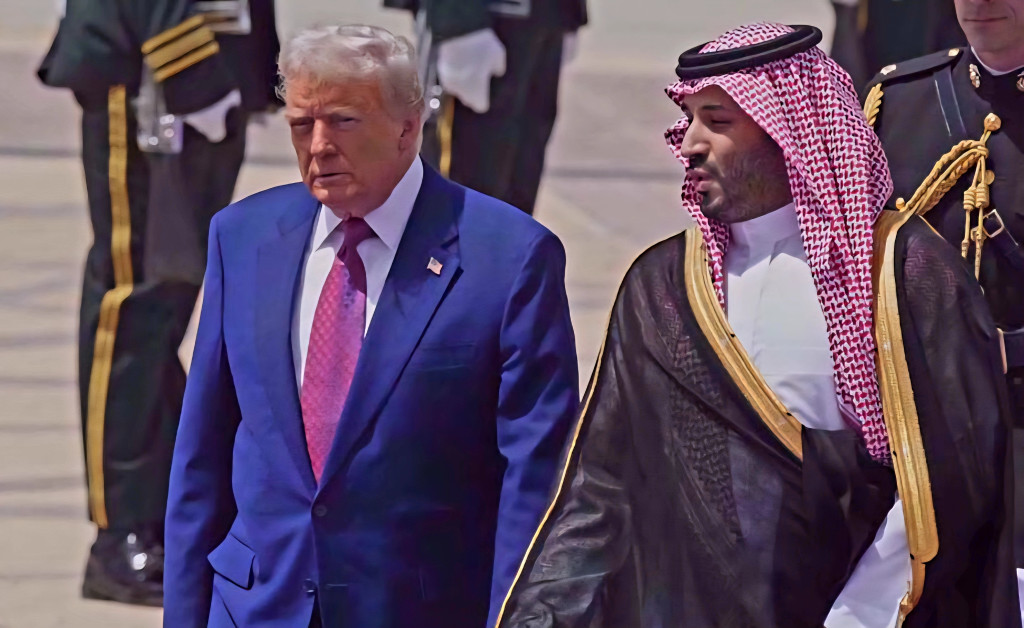
The Trump administration is advancing discussions on a civilian nuclear cooperation agreement with Saudi Arabia, a move that could reshape regional power dynamics and test longstanding U.S. non-proliferation standards.
Any such deal would require a “123 Agreement” under the U.S. Atomic Energy Act, the legal framework that governs American nuclear exports. These agreements set the terms under which U.S. technology, fuel, and expertise can be transferred to partner nations.
For years, Washington has promoted a regional “gold standard” for nuclear cooperation. The United Arab Emirates accepted strict conditions in its 2009 agreement, including a binding pledge not to pursue uranium enrichment or spent-fuel reprocessing. Those restrictions were designed to prevent civilian nuclear programs from evolving into weapons pathways.
Saudi Arabia has resisted making a similar renunciation.
Current discussions reportedly center on a framework that would allow civilian nuclear development under international safeguards but stop short of a blanket Saudi commitment to forgo enrichment.
Domestic enrichment capability, even under oversight, creates a latent weapons option if a government later chooses to withdraw from constraints.
Arms-control advocates and some lawmakers argue that permitting enrichment would weaken U.S. leverage and dilute the precedent set with the UAE. They warn that granting Riyadh fuel-cycle capabilities while Iran continues advancing its own nuclear program could intensify regional competition.
Saudi leadership has previously stated that if Iran acquires a nuclear weapon, the kingdom would seek to match that capability. That position amplifies concerns about escalation.
Administration officials counter that refusing cooperation risks pushing Riyadh toward alternative suppliers such as China or Russia, both of which have shown fewer political conditions in nuclear export deals.
From that perspective, a U.S.-structured agreement with safeguards is viewed as preferable to ceding influence entirely.
If negotiations produce a finalized agreement, Congress will have a statutory review period to examine and potentially block it. The debate will extend beyond energy policy. It will test how far Washington is willing to adjust its non-proliferation posture to maintain strategic alignment in a shifting Middle East security environment.
Explosion Reported in Central Lviv; Investigation Underway
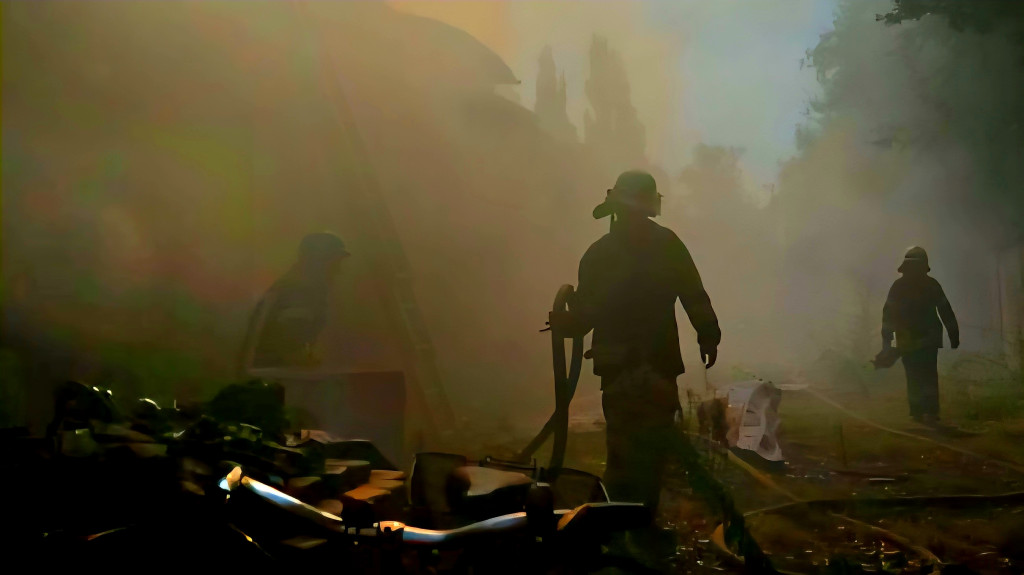
Ukrainian authorities are investigating an explosion reported Saturday evening in central Lviv, a major city in western Ukraine that has served as a logistical and administrative hub since Russia’s full-scale invasion began in 2022.
Local officials confirmed that emergency services responded to an incident near a commercial area in the city. Early reports indicated casualties, though numbers remain subject to official confirmation. Law enforcement has secured the scene while forensic teams examine the site.
Lviv, located approximately 70 kilometers from the Polish border, has largely been spared the sustained ground fighting seen in eastern and southern Ukraine. Since 2022, the city has functioned as a key transit and staging point for humanitarian aid, displaced civilians, and international support flowing into the country.
Western Ukraine has experienced periodic missile and drone strikes targeting infrastructure, including rail facilities and energy assets. Urban explosive incidents inside city centers, however, are less common than long-range aerial attacks.
Authorities have not publicly attributed responsibility for the blast. Ukrainian security services continue counterintelligence and sabotage prevention operations nationwide, particularly in areas considered rear-echelon support zones.
The incident underscores the broader reality of Ukraine’s security environment: even regions distant from active frontlines remain vulnerable to disruption. As of publication, officials have not released detailed findings regarding the type of device involved or whether additional suspects are being sought.
Further updates are expected as investigators complete initial assessments and casualty figures are formally confirmed.








COMMENTS