
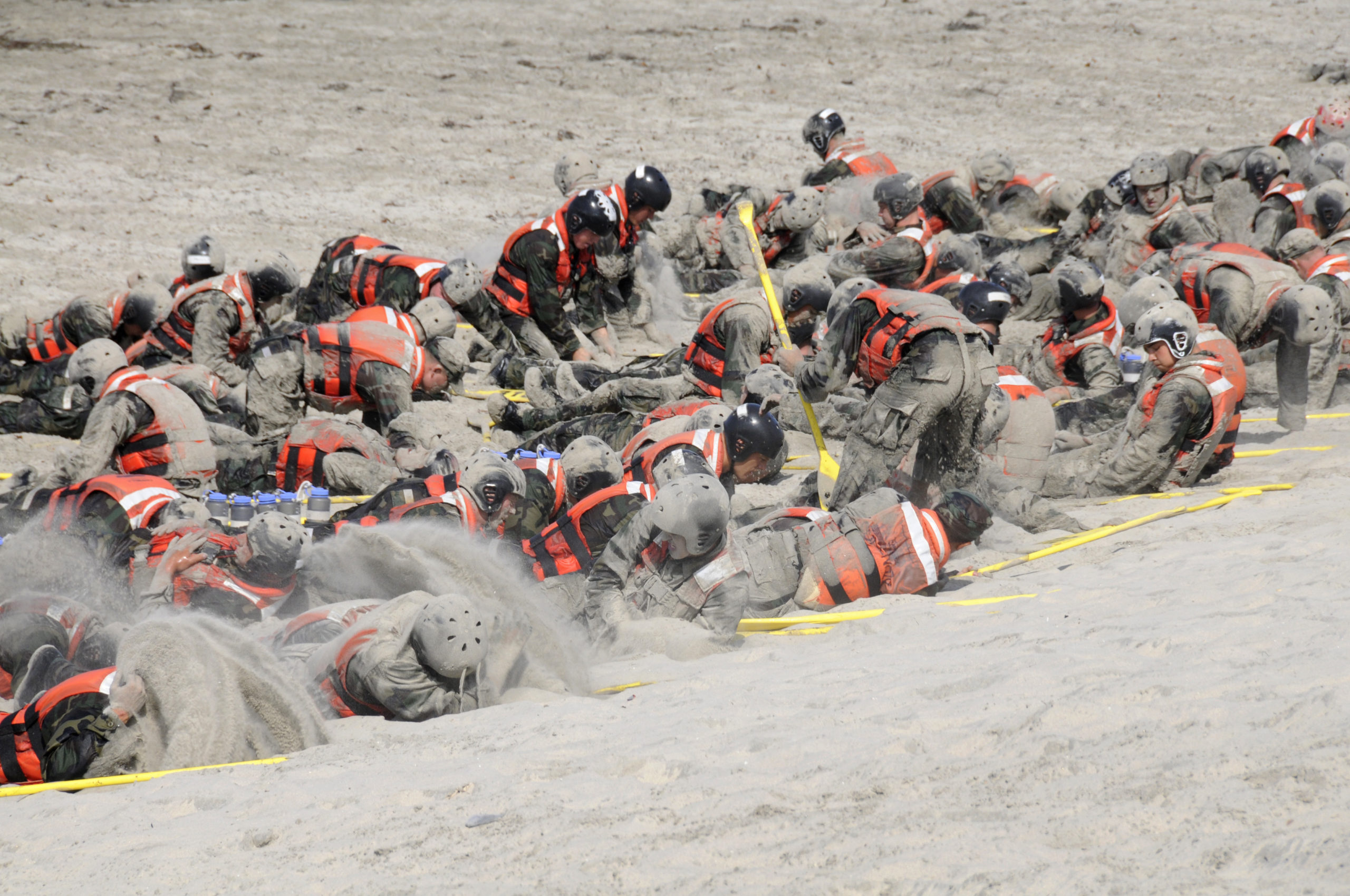
Why Navy SEAL Training Sucks So Good
Lying there, facedown in the sand with these four hardcase psychopaths doing their best to break me, I got what SEALs call a fire in the gut.
32,510 articles
Latest News stories, analysis, and updates from SOFREP.
Lying there, facedown in the sand with these four hardcase psychopaths doing their best to break me, I got what SEALs call a fire in the gut.

When the day starts slipping and the edge dulls, reaching for NEORON is the difference between fading out and staying sharp enough to finish what you started.
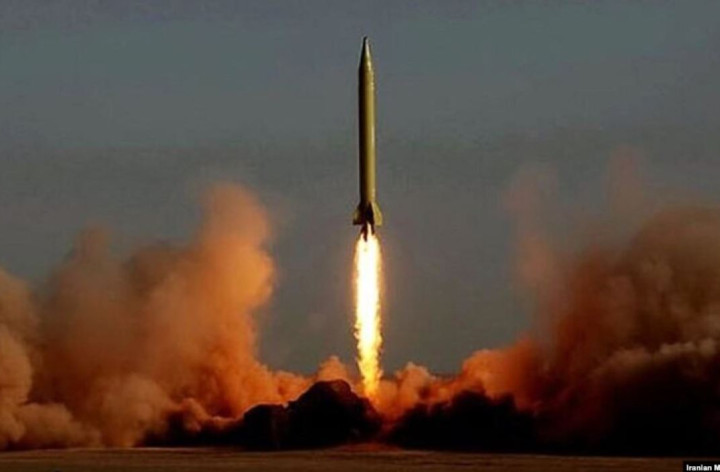
The U.S. says it’s about nukes, the think tanks say it looks like regime change, and Iran is targeting the AI infrastructure pipeline that funds the American economy — and all three wars are running under one operation name at the same time.

The Strait is the hinge. If it stays disrupted, the war spills into global markets and domestic politics—where alliances are far easier to fracture than to hold together.
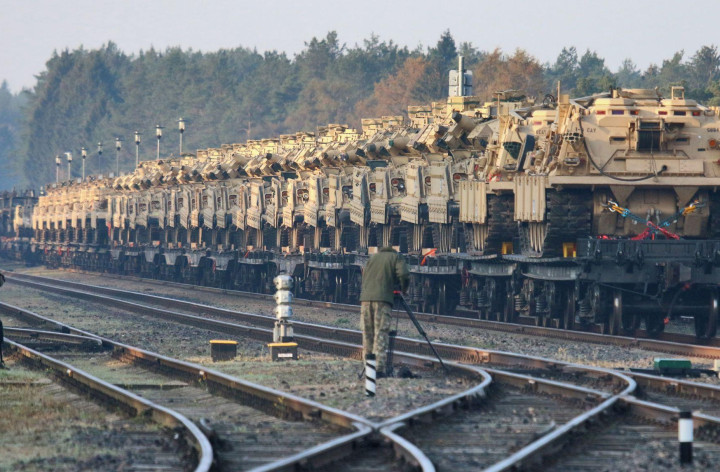
The gear is already in place across Europe, and if something kicks off, U.S. forces won’t be rushing to get there, they’ll be stepping into a fight that’s already been prepared for them.
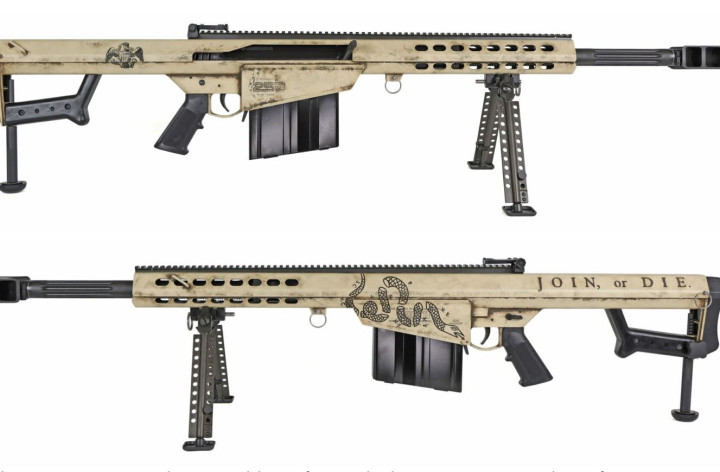
Barrett’s America’s 250th Rifle Series isn’t just another limited run, it’s 500 unapologetic .50-cal statements of Freedom and Liberty that won’t stay on the market long. Get one while you can.
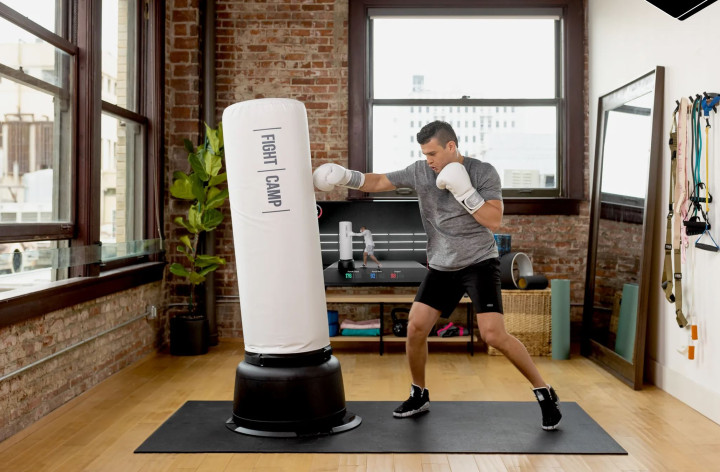
If the structure is gone and the edge is slipping, Fight Camp is how you put your hands back up, get measured again, and start taking yourself back one round at a time.
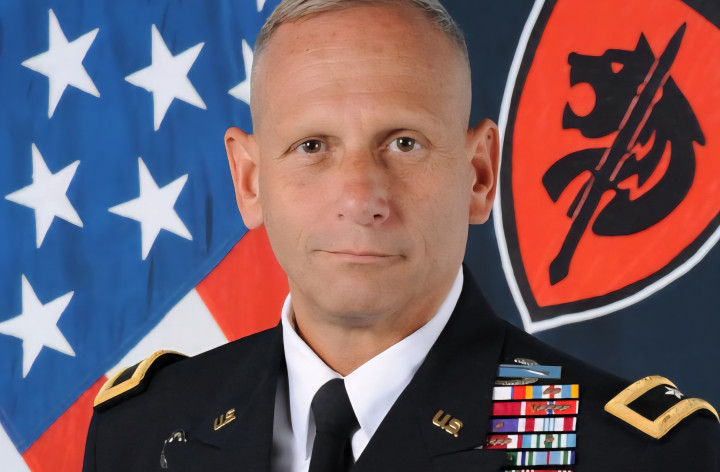
Airpower has hit its limits, and unless Washington is ready to own the consequences of putting boots on the ground, this war is sliding into a costly stalemate Iran is fully prepared to sustain.
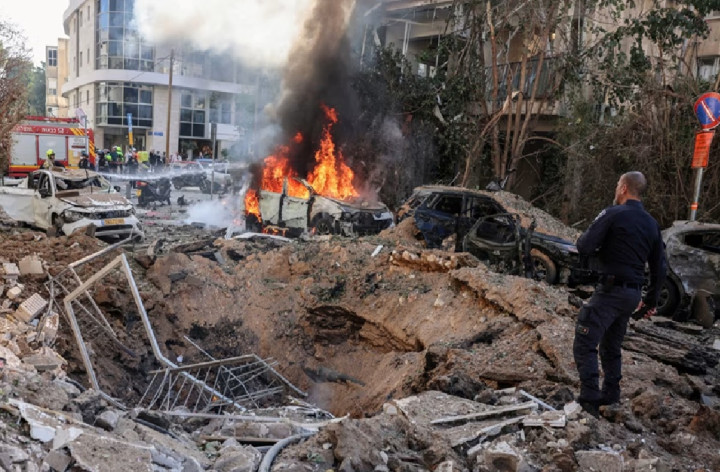
The U.S. military buildup in the Middle East is shifting the trajectory of the Iran war. Reinforcements on the ground are creating options for limited operations tied to critical terrain, energy infrastructure, and maritime access. The force package suggests preparation for targeted missions rather than invasion, but once troops are committed, the risks expand quickly.
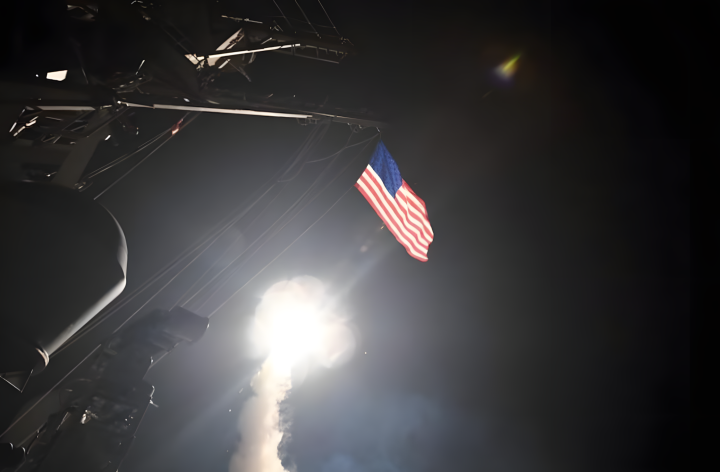
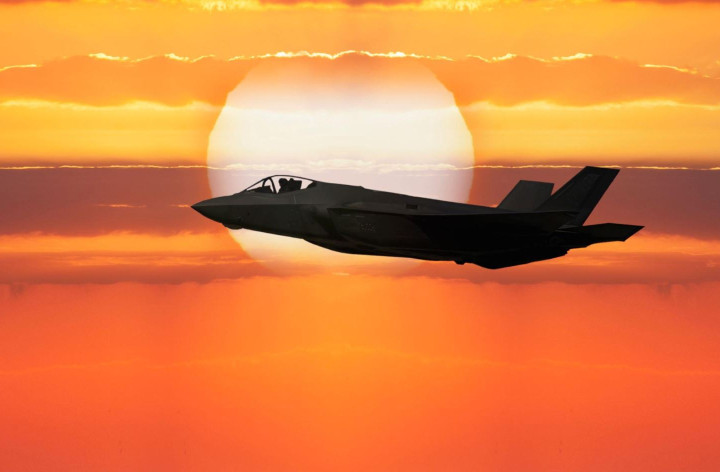
While the Gulf burns and oil markets twitch, Moscow quietly refills its war chest, and when Iran finally pushed too far, the United States did what it does best, compressing time, finding, fixing, and finishing targets at a scale and speed no one in that fight can match.
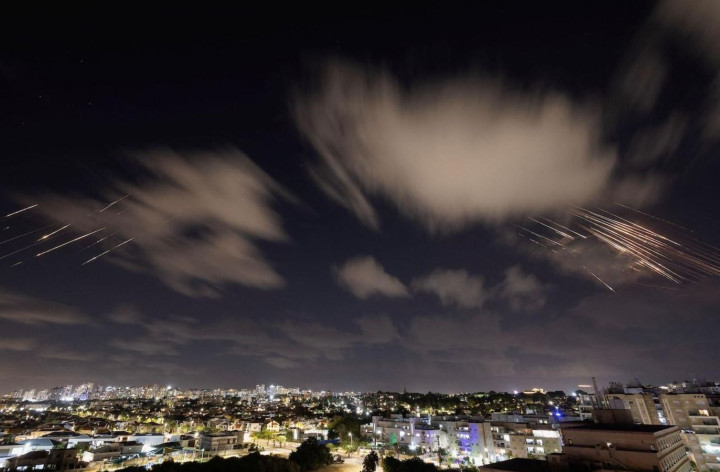
The strike in Jordan didn’t just damage equipment, it exposed a hard truth: America’s missile defense isn’t a wall, it’s a system that can be found, pressured, and, if you hit the right node, quietly broken.
Your government changed its justification for the Iran war four times in one week. A 1990 psychology book explains exactly why that’s not an accident — and what a backyard scooter fight can teach you about defending your own mind against it.

SIG Sauer is a world-class firearms manufacturer trusted by military, law enforcement, and responsible civilian shooters, delivering precision-engineered weapons, optics, and training systems while maintaining a strong commitment to veteran hiring, American manufacturing, and the professionals who rely on their gear when it matters most.

FightCamp is an at-home boxing and kickboxing training system built around real technique, structured programming, and measurable performance. Members train with fighters and professional coaches while using connected punch and kick trackers that record volume, speed, and power in every round. The result is training that builds conditioning, skill, discipline, and resilience — all from home, on your schedule.
Barrett is the world leader in long-range, large-caliber, precision rifle design and manufacturing. Barrett products are used by civilians, sport shooters, law enforcement agencies, the United States military, and more than 75 State Department-approved countries around the world.

Hywell is a premium gear brand specializing in heavy-duty Merino wool boot socks for blue-collar professionals and outdoorsmen. Backed by an ironclad 10-Year Warranty.

Praesidus builds rugged, American-assembled watches inspired by historic military timepieces. Designed for accuracy and tested for endurance, each watch is made for outdoor explorers, everyday adventurers, and anyone who needs reliability when it matters.

Essential Provisions Field Fuel® meals [ready-to-eat] & sports nutrition products have been developed with the cleanest, high-quality nutrient and energy-dense ingredients available. Research has shown that the whole food nutrients contained in our products have the ability to help.

Have you ever tried to wear a fleece hoodie in bad weather? We don’t recommend it. That’s why we founded BÆRSkin in 2019 – to create the world’s best outdoor gear that’s just as comfortable at home as it is durable outdoors. “Bad fitting, bulky, and boring” is how we felt about 1000’s of regular fleece hoodies we tested.

If you’re 21 or older and use nicotine or tobacco, charge ahead with Black Buffalo, America’s only credible smokeless tobacco alternative. Black Buffalo dips just like the real thing without the tobacco leaf or stem. Find Black Buffalo in Wawa, Circle K, Sheetz, Love’s, Pilot, Racetrac, and many more retail locations across the United States.