

Northrop Grumman’s involvement in this project underscores its commitment to meeting these demands and solidifying its position as a leader in the field.
MQ-4C Triton Achieves Initial Operating Capability
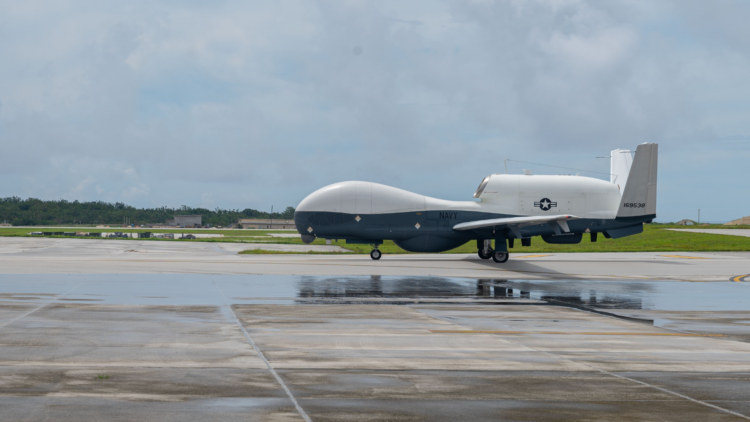
In a significant development, Northrop Grumman Corporation’s MQ-4C Triton unmanned aircraft achieved initial operating capability with the US Navy in September 2023.
This is a significant milestone that marks the beginning of Triton’s operational service, providing the Navy with advanced capabilities for maritime surveillance and other missions.
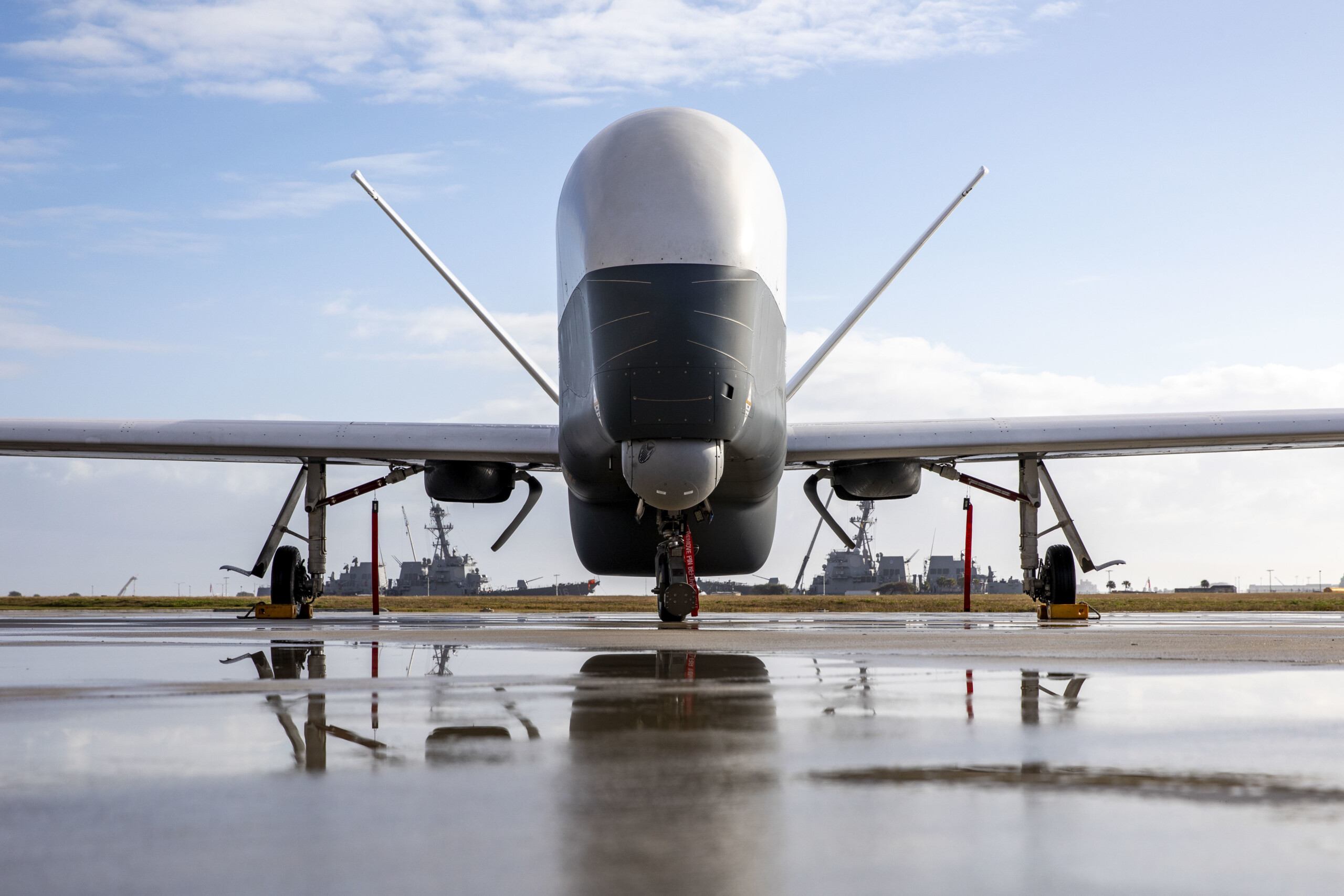
The MQ-4C Triton is known for its long endurance and high-altitude capabilities, making it an invaluable asset in naval operations.
Multi-Locations Project
The expansion and production of the MQ-4C Triton UAVs will be a multi-location project, with various key areas playing a significant role.
According to the release contract details, most of the production will be performed in San Diego, California, accounting for 25.7 percent of the total effort. Other essential locations include Palmdale, California; Red Oak, Texas; and Linthicum, Maryland.
The extensive distribution of work emphasizes the collaborative nature of the project and underscores the strategic importance of various regions in meeting the project’s objectives.
San Diego’s central role in the project reflects Northrop Grumman’s roots and its continued commitment to contributing to the local economy and national defense.
Congrats to the @USNavy on achieving initial operating capability for the multi-intelligence MQ-4C Triton. 👏 Since achieving early operational capability in 2020, Triton has proved invaluable to the U.S. Navy's Pacific Fleet.https://t.co/L5ZOu50kPl#DefiningPossible pic.twitter.com/zJtqjH29CU
— Northrop Grumman (@northropgrumman) September 14, 2023
Completion Timeline and Funding Sources
The contract modification is anticipated to reach completion in January 2028, highlighting the extensive timeline and scale of this project.
The funding for this contract is sourced from multiple channels, including $411.4 million from the fiscal year 2023 aircraft procurement (Navy) funds, $971.6 thousand from the fiscal year 2022 aircraft procurement (Navy) funds, and an additional $40 million in co-operative funds from the Royal Australian Air Force.
This diverse funding structure showcases the collaboration between the US Navy and the Royal Australian Air Force and their shared commitment to enhancing their capabilities through the Triton program. The Royal Australian Air Force’s investment in this project signifies the importance of global partnerships in modern defense initiatives.
Enhancing Maritime Domain Awareness
One of the most significant aspects of this contract modification is the collaboration between the Royal Australian Air Force and the US Navy.
Thanks to the similarities in their Triton fleet capabilities, the two entities will share data and maintain autonomous ISR and targeting capabilities. This partnership is expected to enhance Australia’s maritime domain awareness in the Pacific region.
The Pacific region is of strategic importance for both the United States and Australia. Its vast maritime areas require constant surveillance and monitoring.
The MQ-4C Triton’s advanced capabilities, combined with the collaboration between the two forces, will significantly bolster their ability to address maritime challenges in this region effectively.
Northrop Grumman’s recent contract modification for the expansion and delivery of MQ-4C Triton UAS is a significant step in enhancing the naval capabilities of both the United States and Australia.
The advanced capabilities of the Triton UAV, coupled with the collaboration between the two forces, promise to strengthen maritime domain awareness, advanced ISR, and targeting in the Pacific region.
As the project progresses over the coming years, it is clear that Northrop Grumman’s role in the military UAV market will continue to be pivotal. With its long-endurance, high-altitude capabilities and multi-sensor upgrades, the MQ-4C Triton is set to play a crucial role in modern naval operations, providing a reliable asset for complex missions.








COMMENTS