

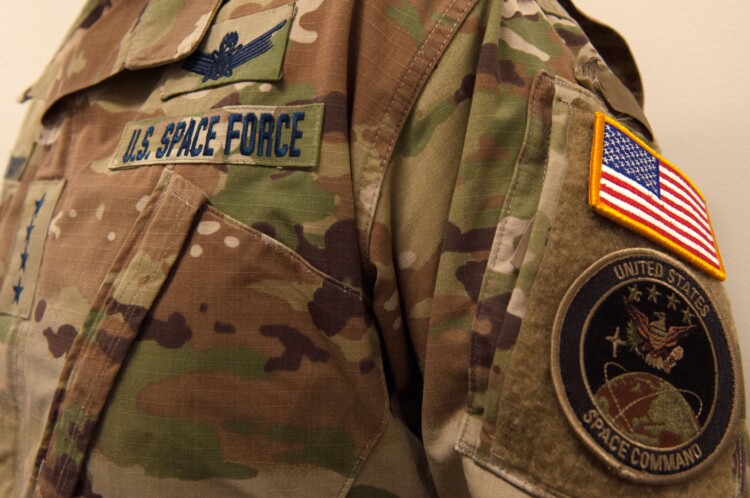
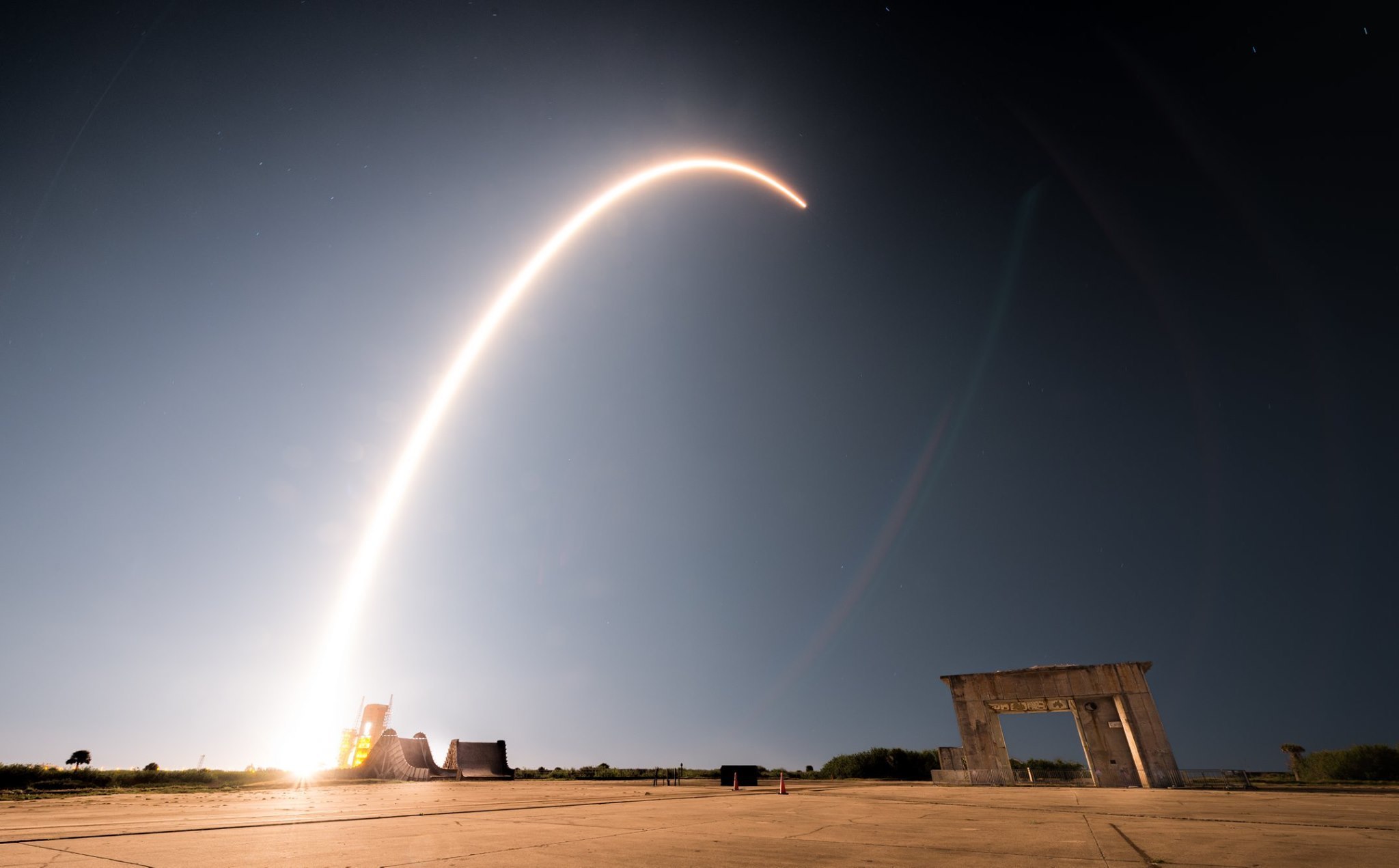
The U.S. Space Force, in line with its visionary outlook, is also channeling efforts into enhancing satellite resilience. Making satellites more resistant to potential threats. It could range from jamming, cyber-attacks, or physical targeting.
All of these aim to ensure the uninterrupted flow of services that society has come to rely upon.
The journey ahead promises to be one of innovation, collaboration, and uncharted challenges as the U.S. Space Force shapes the future narrative of space security.
The Need for an Anti-Satellite Arsenal
Satellites play a pivotal role in modern society. Their functionality is paramount, from guiding GPS systems to facilitating international communications and monitoring weather patterns.
Recognizing their importance, potential adversaries could target these satellites, severely crippling a nation’s defense and civil apparatus. The US Space Force’s commitment to developing an anti-satellite arsenal is a proactive approach to protect these assets.
How Do Anti-Satellite Weapons Work?
Anti-satellite weapons, known in defense circles as ASATs, are explicitly designed to neutralize or eliminate satellites in orbit. These evolving weapons manifest in various forms based on the nature of the threat they intend to counter.
One of the most prominent examples of ASAT capabilities was demonstrated in 2007 when China intentionally used a ground-launched missile to destroy its Fengyun-1C weather satellite. This kinetic approach directly impacts the target, causing physical damage or destruction.
Directed energy weapons, such as lasers, represent another category of ASATs. While not causing explosive destruction like kinetic methods, these weapons can effectively dazzle, blind, or damage satellite sensors.
The U.S. Space Force, ever vigilant of the strategic landscape of space, is known to be actively researching and potentially developing various ASAT solutions. It actively works to protect America’s assets in space and deter potential adversaries from taking hostile actions in the domain.
Global Implications and Concerns
Many nations and international bodies express apprehension about the potential militarization of space. They fear it might lead to an escalating arms race in the cosmos.
It has led to calls for treaties and regulations, such as the proposed Prevention of an Arms Race in Outer Space (PAROS) treaty. It seeks to prohibit the placement of weapons in outer space.
The U.S. Space Force, amidst these concerns, finds itself balancing a fine line. On the one hand, it must protect American space assets. Conversely, it must communicate its intentions clearly to the international community.
By emphasizing its defensive posture and engaging in multilateral discussions, the U.S. Space Force aims to build trust. It stresses its primary goal: preserving space as a safe and accessible domain.
The Path Ahead
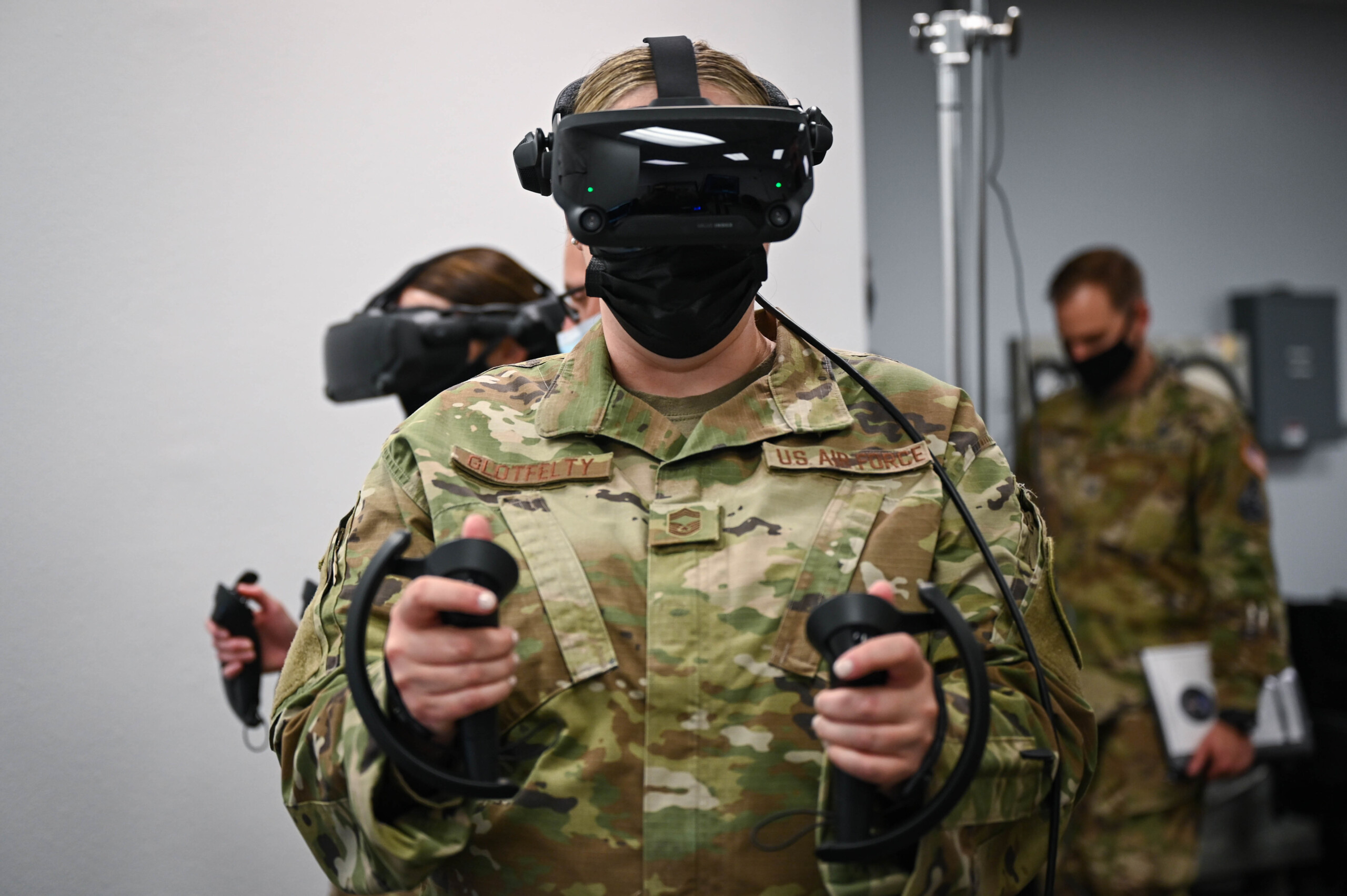
The emergence of the U.S. Space Force’s anti-satellite arsenal underscores the evolving nature of global defense strategies. As the force continues to refine its tools and tactics, it must also engage in open dialogues with international counterparts. It must foster an environment of trust and collaboration.
The journey ahead is about flexing military muscle and leading responsible space conduct.








COMMENTS